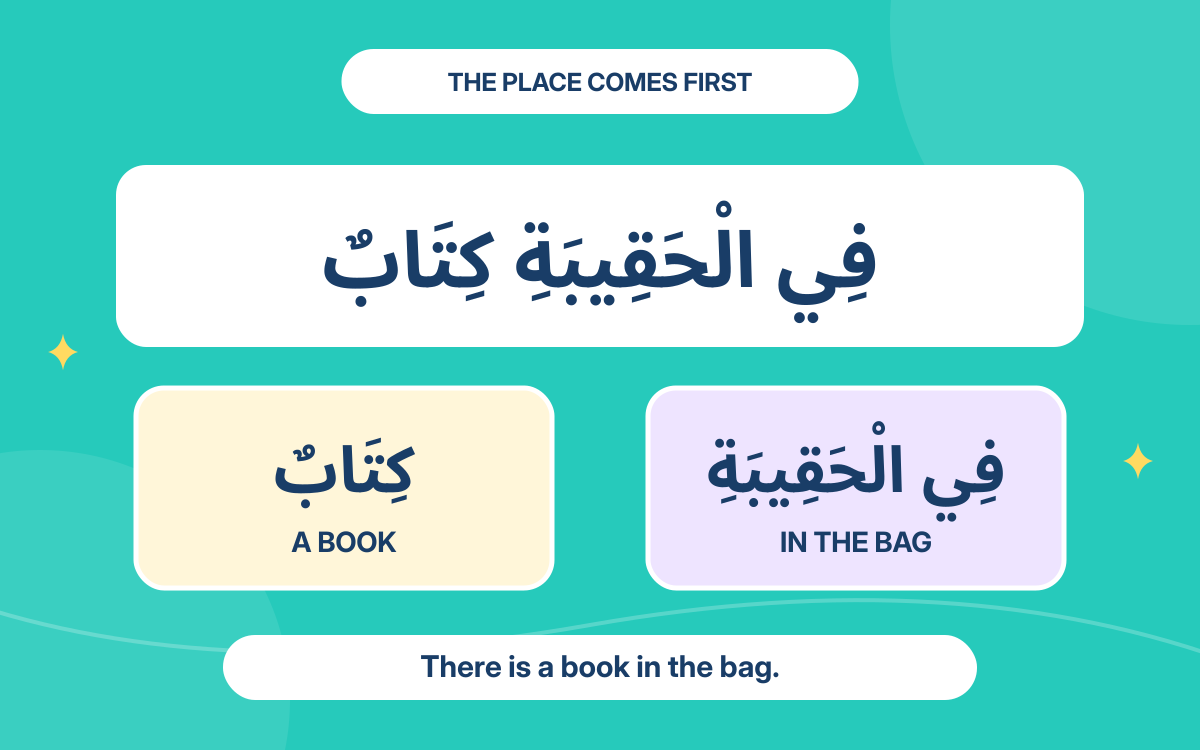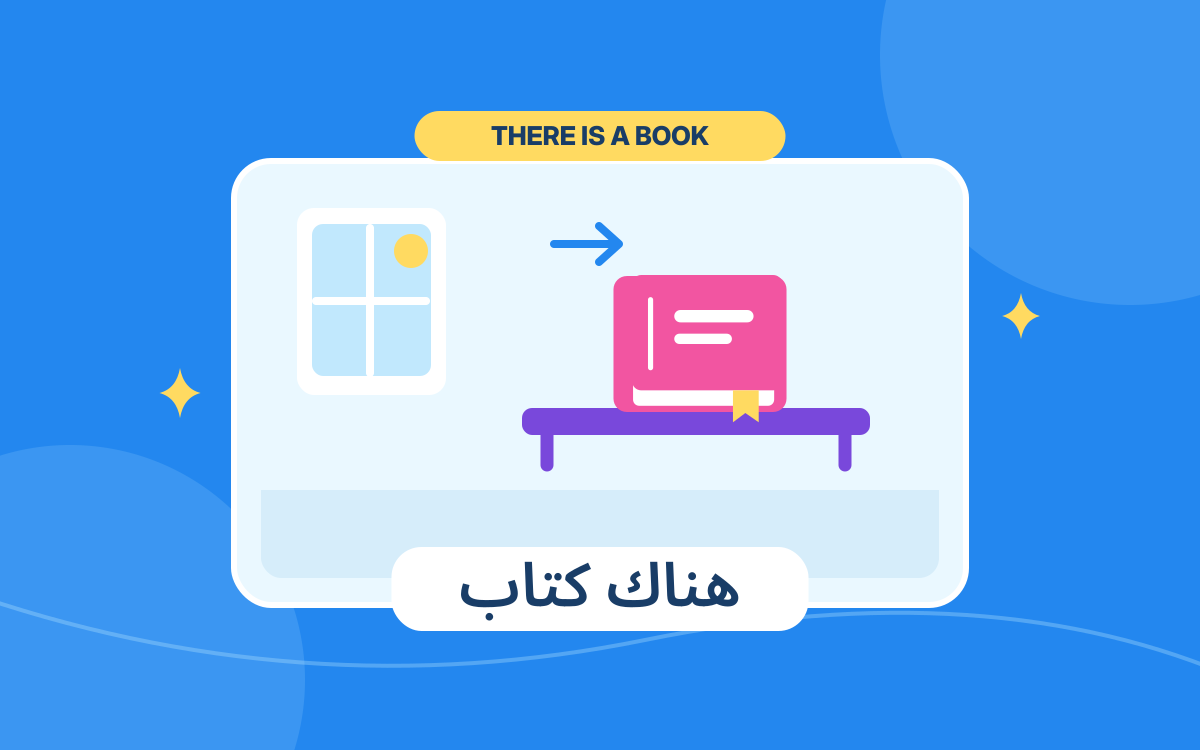
Hunaka can introduce something that is present: hunaka kitab means there is a book. The same word also works with a plural noun: hunaka kutub means there are books. Use these short Modern Standard Arabic sentences to describe a shelf or a room.
01One book or several books?
hunaka kitab
There is a book.
hunaka kutub
There are books.
Hunaka stays the same. كِتَاب kitab means book, while كُتُب kutub means books. The noun tells you whether the example contains one or several. English changes is to are; this Arabic pattern does not need that extra word.
02Introduce an item
هُنَاكَ طَاوِلَة
hunaka tawila
There is a table.
طَاوِلَة tawila means table. To introduce a table, use the noun without al, the prefix meaning the. Arabic has no separate word for a or an.
A table is grammatically feminine, but hunaka still stays the same. It is not a verb that changes to match book, books or table. Keep attention on which noun names the thing you are introducing.
03Add where it is
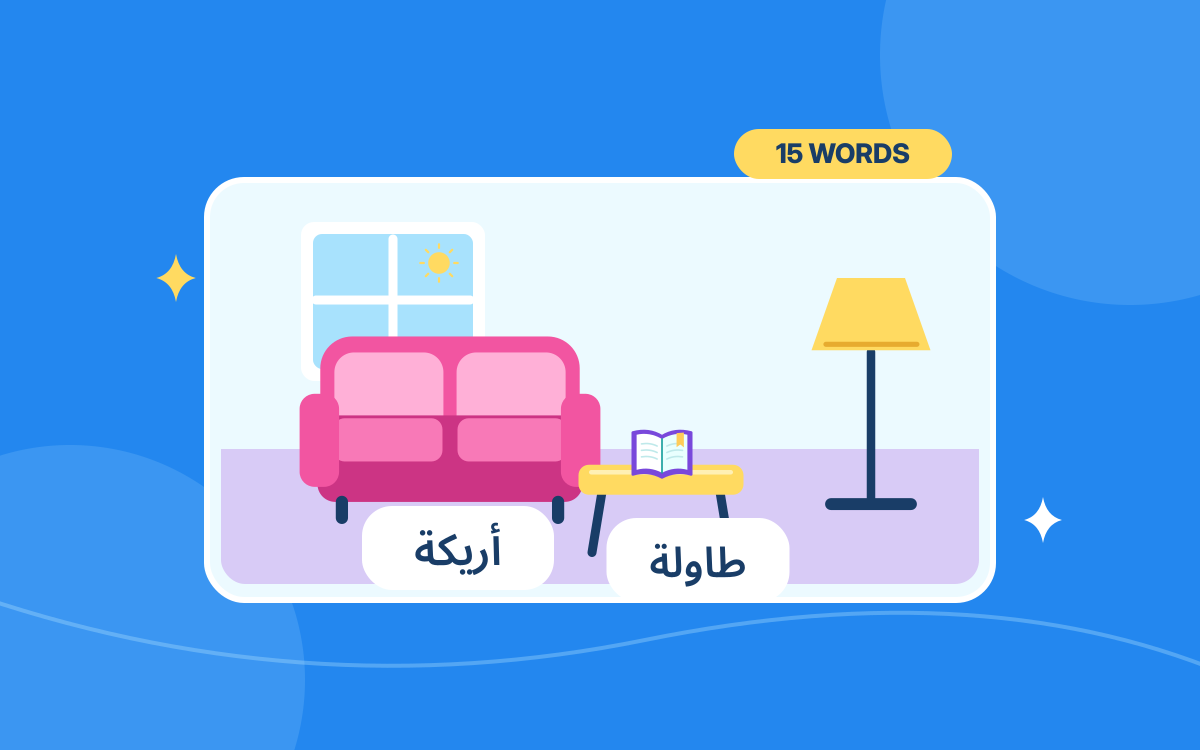
هُنَاكَ طَاوِلَة فِي الْغُرْفَة
hunaka tawila fi alghurfa
There is a table in the room.
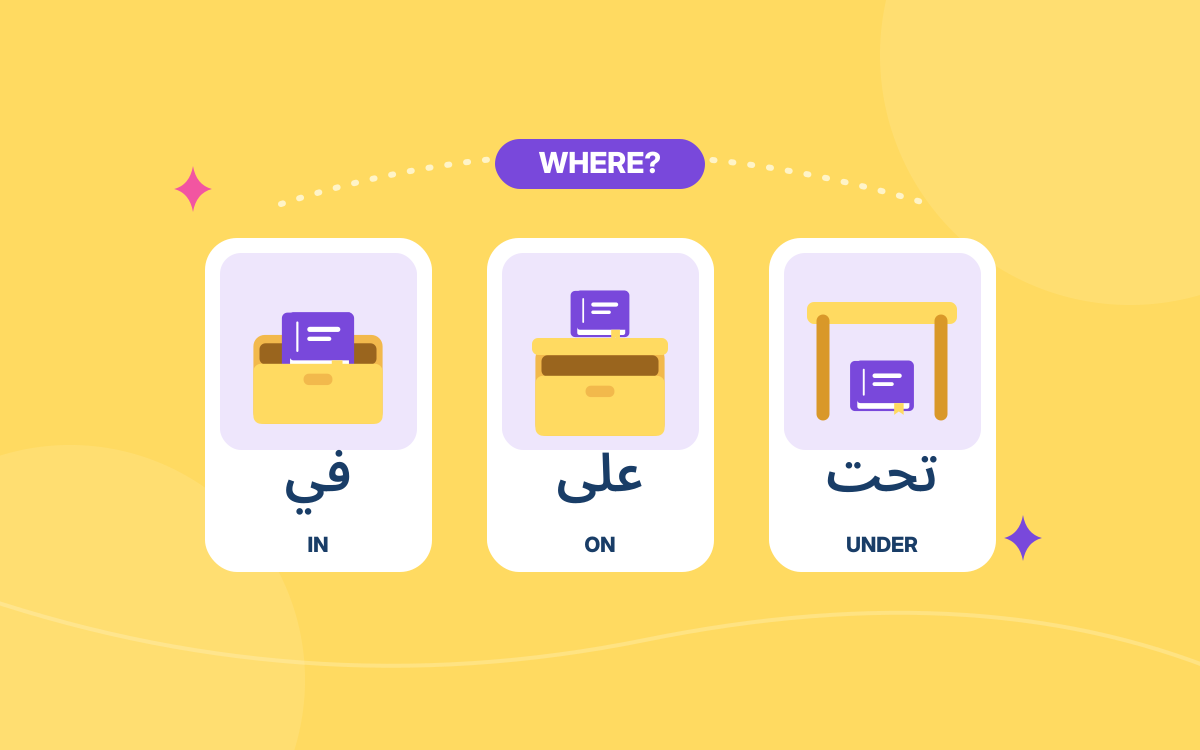
فِي fi means in, and الْغُرْفَة alghurfa means the room. Begin with hunaka, name the item, then add the location for our practice pattern.
The room picture also contains a book. عَلَى الطَّاوِلَة ala attawila means on the table. Say هُنَاكَ كِتَاب عَلَى الطَّاوِلَة for There is a book on the table.
04Turn the statement into a question
هَلْ هُنَاكَ طَاوِلَة فِي الْغُرْفَة؟
hal hunaka tawila fi alghurfa
Is there a table in the room?
Add هَلْ hal at the beginning to ask a yes or no question. The rest of this sentence keeps its order. Use it when checking what a room contains before you arrive.
For our picture, the answer is نَعَمْ naam, yes. You can repeat the statement after yes to give a fuller reply: there is a table in the room.
05Finding a known book is different
الْكِتَاب عَلَى الطَّاوِلَة
alkitab ala attawila
The book is on the table.
This sentence starts with the book because the listener already knows which book you mean. It gives that book’s location. Compare it with hunaka kitab, which introduces the presence of a book.
- What is there? There is a book on the table.
- Where is the book? The book is on the table.
Both describe the same scene, but answer different questions. Hunaka can also mean there as a place word in other contexts. Here, practise its useful role in there is and there are statements.
What to remember
- Hunaka works in both there is and there are statements; the noun shows the number.
- Introduce a new item with a noun such as kitab or tawila without al.
- Use hal to ask a yes or no question, and add a place phrase to say where.
Your reference shelf
Open a guide whenever you need it.
Keep the room sentences togetherOpen singular, plural, location and question examples
| Meaning | Arabic | Plain reading aid |
|---|---|---|
| There is a book | هُنَاكَ كِتَاب | hunaka kitab |
| There are books | هُنَاكَ كُتُب | hunaka kutub |
| There is a table in the room | هُنَاكَ طَاوِلَة فِي الْغُرْفَة | hunaka tawila fi alghurfa |
| Is there a table in the room? | هَلْ هُنَاكَ طَاوِلَة فِي الْغُرْفَة؟ | hal hunaka tawila fi alghurfa |
| There is a book on the table | هُنَاكَ كِتَاب عَلَى الطَّاوِلَة | hunaka kitab ala attawila |
| The book is on the table | الْكِتَاب عَلَى الطَّاوِلَة | alkitab ala attawila |
Arabic also allows other ways to introduce existence, including beginning with a location phrase. The ordering games practise the hunaka pattern taught here. Plain reading aids simplify sounds and grammatical endings.
Sources & further learning
References for the language explanations and learning guidance.