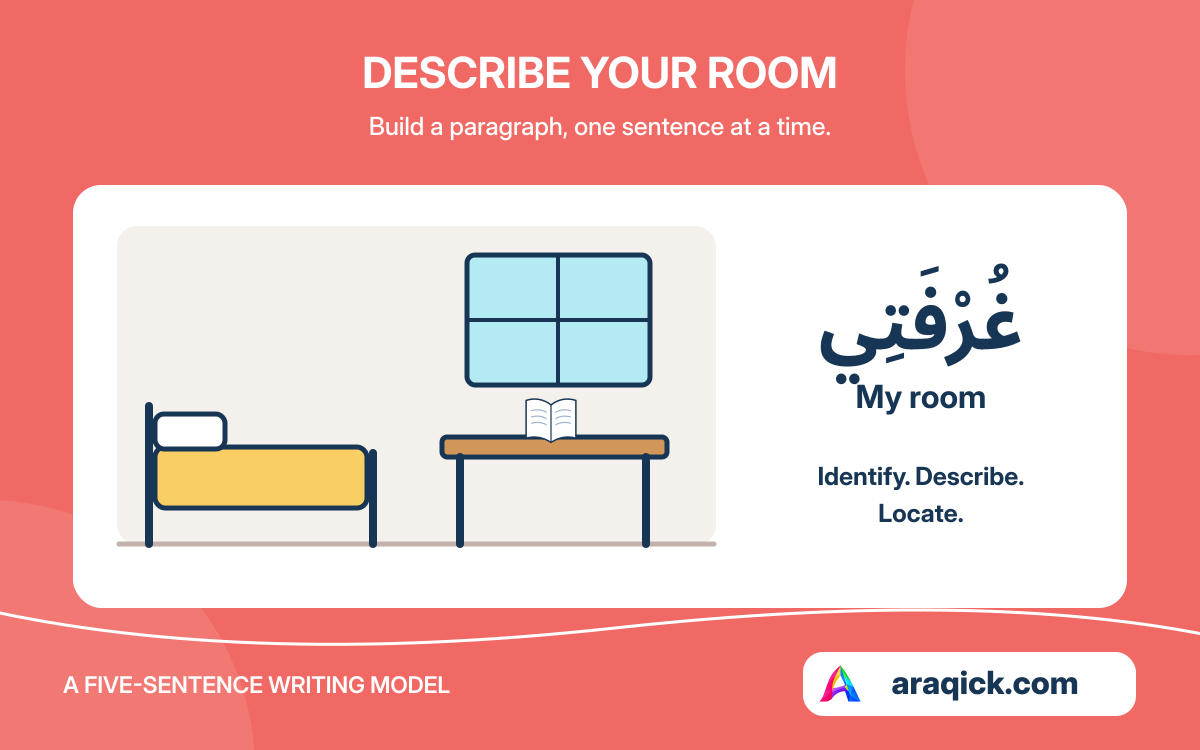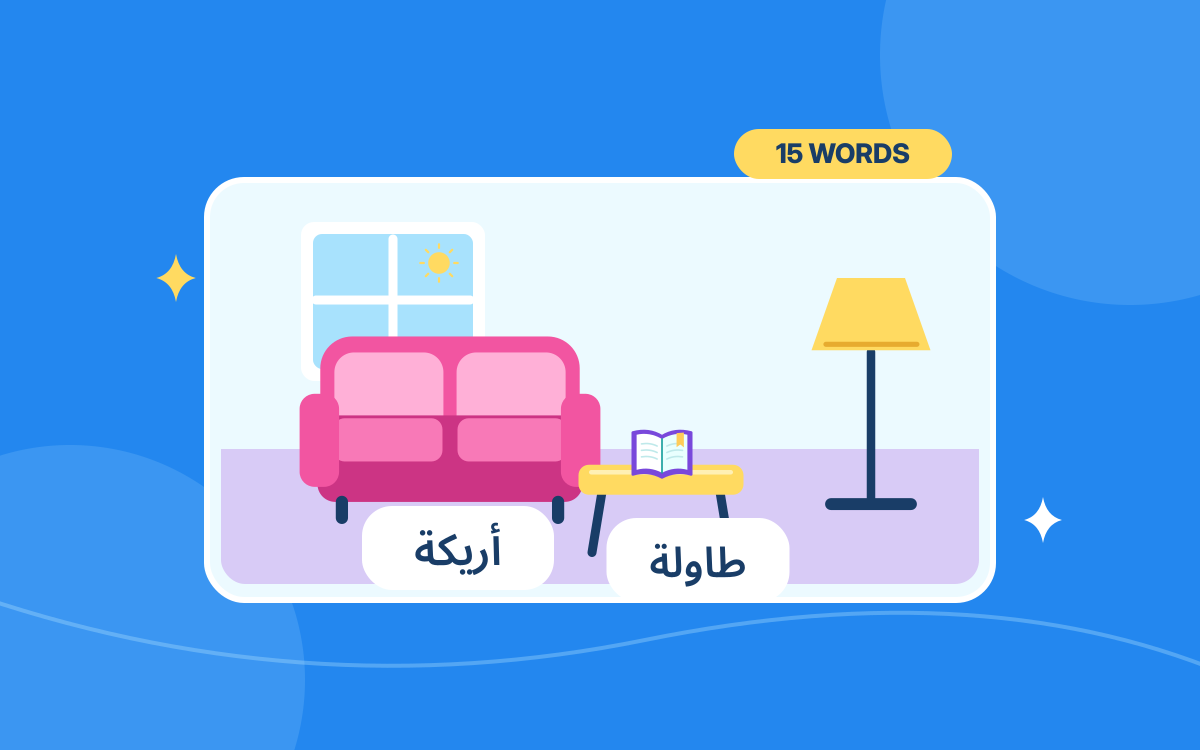
Kitchen is matbakh, bathroom is hammam, and bed is sarir. Build a small map of your home with 15 useful room and object names. Then use a question and a short answer to say where something is.
01Start with two rooms
مَطْبَخ
matbakh
kitchen
حَمَّام
hammam
bathroom
- Matbakh names the kitchen; hammam names the bathroom. Connect each word to the room before learning the things inside it.
- Say the names while imagining walking from one room to the other. A location gives a new word a useful setting.
- The plain reading aids help you begin. They do not show every Arabic sound or the length of every vowel.
02Give each space a name
غُرْفَة
ghurfa
room
غُرْفَة النَّوْم
ghurfat an nawm
the bedroom
غُرْفَة الْجُلُوس
ghurfat al julus
the living room
- Ghurfa means a room. The longer phrases identify what kind of room it is.
- In ghurfat an nawm and ghurfat al julus, the final letter of ghurfa is pronounced as t because it connects to the following word.
- Learn these as complete phrases. The examples already include “the”: the bedroom and the living room.
Draw two labelled boxes on paper, or use the rooms around you. Put one object in each box mentally. That sets up the location sentences at the end of this lesson.
03Name the main furniture
سَرِير
sarir
bed
كُرْسِيّ
kursi
chair
طَاوِلَة
tawila
table
أَرِيكَة
arika
sofa
مَكْتَب
maktab
desk; office
- Use sarir for a bed and arika for a sofa. A room can contain either, so use the object itself as your clue.
- Maktab can mean a desk or an office. Here it is the desk you work at; context tells you which meaning is intended.
- The grammatical gender belongs to the Arabic noun. A table, tawila, is feminine even though it is an object.
04Notice the smaller details
خِزَانَة
khizana
cupboard; wardrobe
مِصْبَاح
misbah
lamp
مِرْآة
mira
mirror
بَاب
bab
door
نَافِذَة
nafidha
window
- Khizana can mean a cupboard or wardrobe. In a bedroom, the context often points to clothes storage.
- Misbah names a lamp, while mira names a mirror. Give each word its own place on your room map.
- Bab and nafidha name a door and window. These are parts of the room rather than furniture you move around.
Choose three labels that fit your own space. Cover the Arabic, name the objects, and check only the one you could not remember. Add more labels after those three feel familiar.
05Ask where the bed is
أَيْنَ السَّرِير؟
ayna as sarir
Where is the bed?
السَّرِير فِي غُرْفَة النَّوْم
as sarir fi ghurfat an nawm
The bed is in the bedroom.
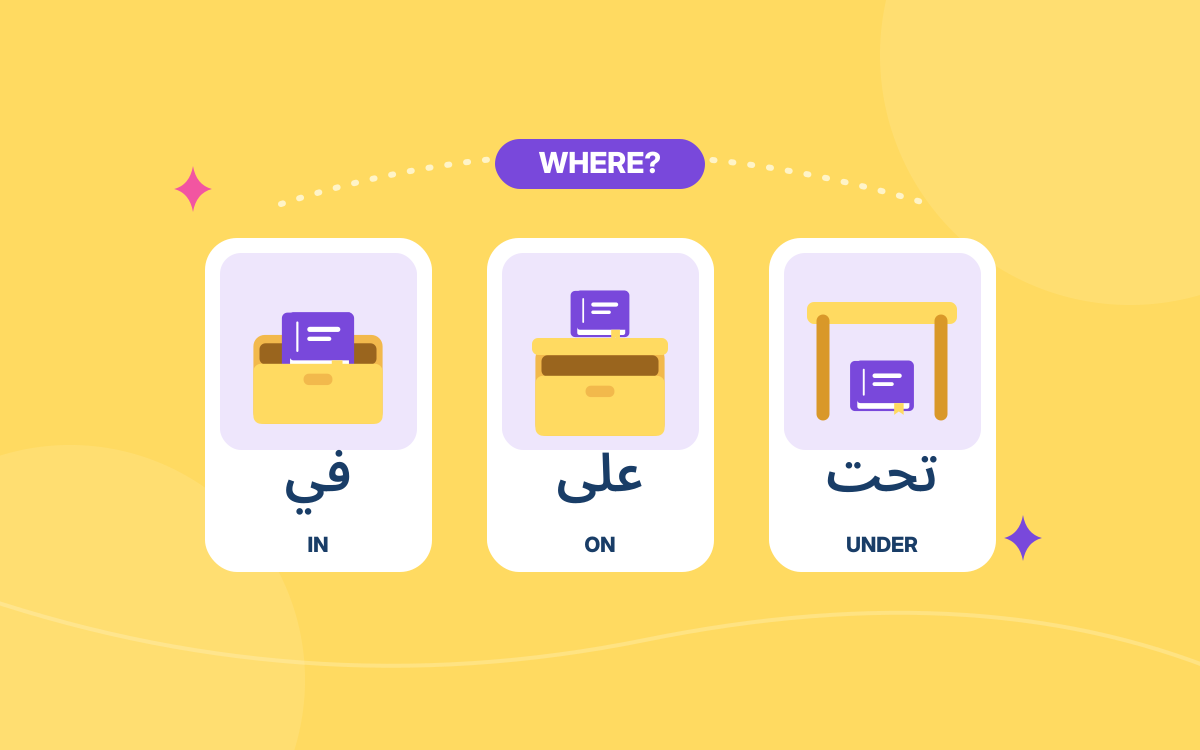
- Ayna asks where. Fi means in in this example.
- The answer names the object, then its location. Arabic does not need a separate present-tense “is” here.
- This is an example room arrangement. For your own home, choose the room that actually contains the object.
Our reading aids leave most final grammatical endings out. Focus first on understanding the question and giving a location.
What to remember
- Learn a room name together with the objects you use there.
- Ghurfat an nawm means the bedroom; ghurfat al julus means the living room.
- Ask ayna for a location and answer with the object followed by fi and its room.
Your reference shelf
Open a guide whenever you need it.
All 15 home wordsOpen the room and furniture reference
| Meaning | Arabic | Say it |
|---|---|---|
| room | غُرْفَة | ghurfa |
| the bedroom | غُرْفَة النَّوْم | ghurfat an nawm |
| the living room | غُرْفَة الْجُلُوس | ghurfat al julus |
| kitchen | مَطْبَخ | matbakh |
| bathroom | حَمَّام | hammam |
| bed | سَرِير | sarir |
| chair | كُرْسِيّ | kursi |
| table | طَاوِلَة | tawila |
| sofa | أَرِيكَة | arika |
| desk; office | مَكْتَب | maktab |
| cupboard; wardrobe | خِزَانَة | khizana |
| lamp | مِصْبَاح | misbah |
| mirror | مِرْآة | mira |
| door | بَاب | bab |
| window | نَافِذَة | nafidha |
Sources & further learning
References for the language explanations and learning guidance.