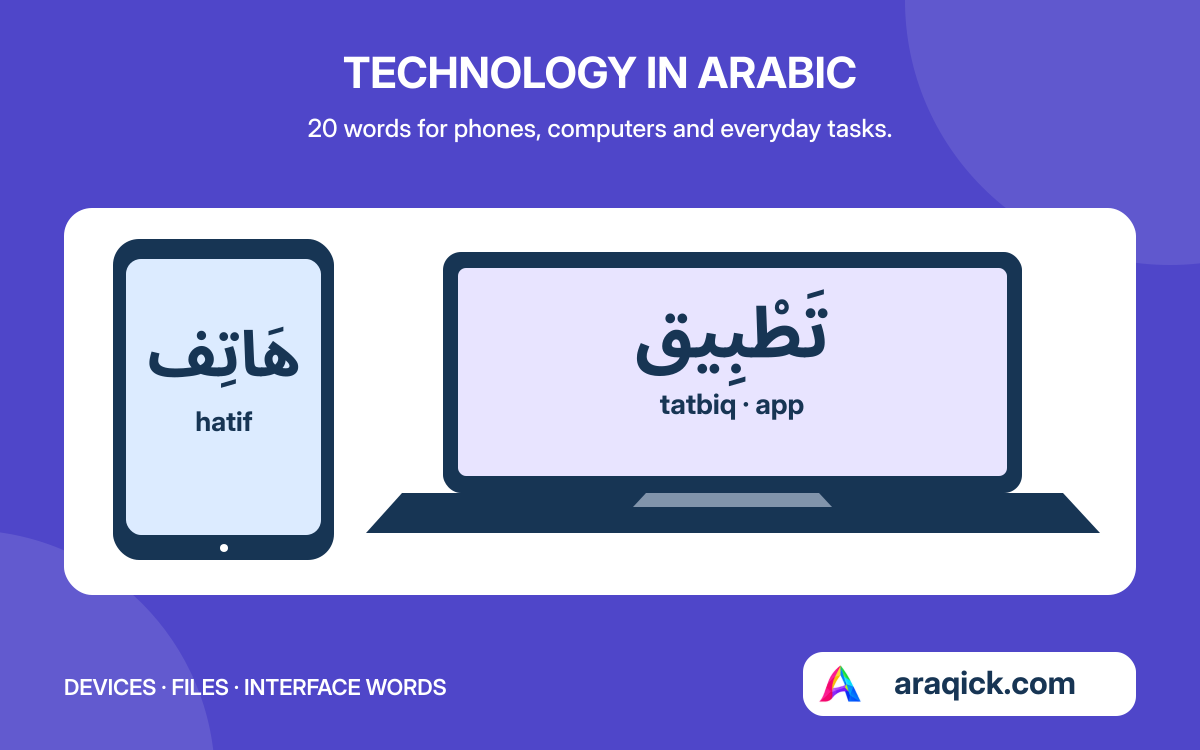
Common technology words in Arabic include هَاتِف (phone), حَاسُوب (computer), شَاشَة (screen), تَطْبِيق (app), and مِلَفّ (file). Settings are إِعْدَادَات. These standard terms help you recognise interfaces, although apps and regions may use different labels or familiar loanwords.
01Name the device and its screen
hatif
The device.
hasub
A standard computer term.
shasha
The display.
You may hear borrowed words such as computer or mobile in conversation. The chart uses standard Arabic recognition forms. It does not claim that every speaker or software product chooses the same label.
02Distinguish an app from a device
Modern Standard Arabic
التَّطْبِيقُ عَلَى الْهَاتِفِ
attatbiqu ala alhatif
The app is on the phone.
Tatbiq names the application; hatif names the phone running it. An app is not a screen or a battery. Keep the relationship clear when asking someone where to find something. Our phone conversation guide covers calls and messages rather than interface labels.
03Separate a file from its folder
milaff
An individual stored item.
mujallad
A container used to organise files.
Modern Standard Arabic
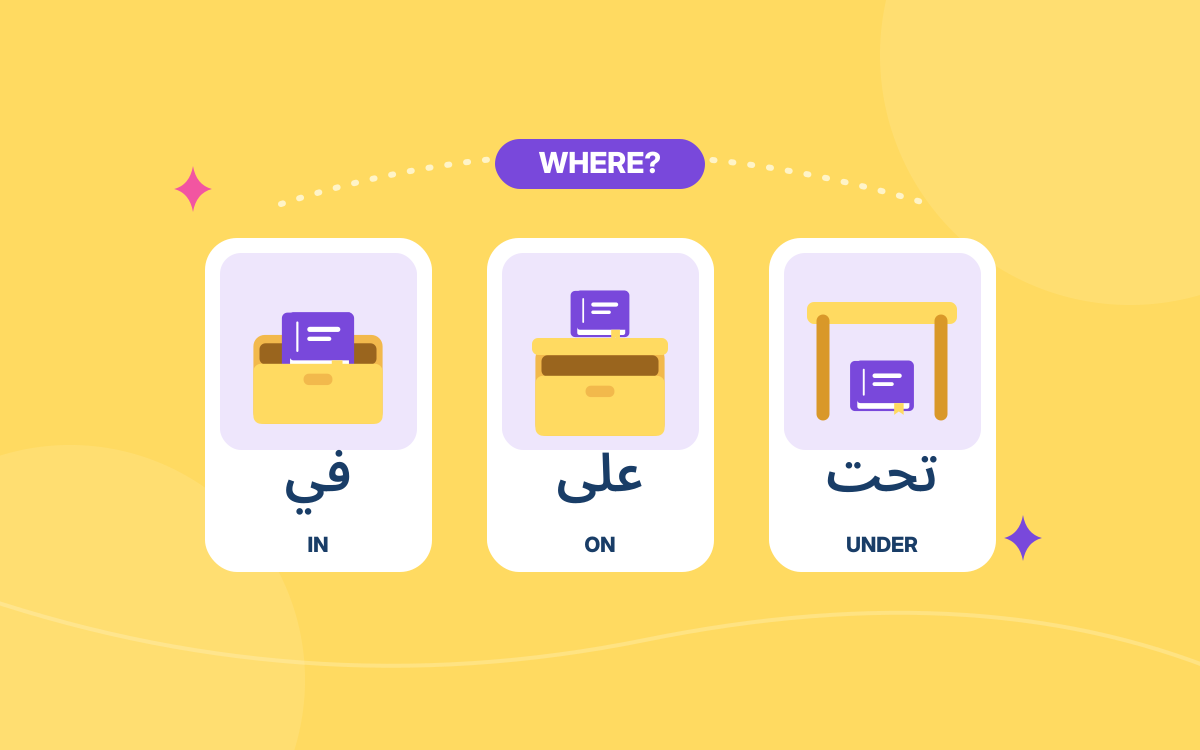
الصُّورَةُ فِي الْمُجَلَّدِ
assuratu fi almujallad
The image is in the folder.
A photo can be a file inside a folder. This is a practical distinction when reading an instruction or locating a download.
04Read settings and account labels
إِعْدَادَات means settings, حِسَاب means account in this context, and كَلِمَة مُرُور means password. A short interface label often names a destination rather than giving a complete sentence.
Modern Standard Arabic
أَيْنَ الْإِعْدَادَاتُ؟
ayna alidadat
Where are the settings?
The question asks for a location in the interface. It does not ask anyone to share a password.
05Notice the direction of a transfer
تَنْزِيل (tanzil) commonly labels downloading onto a device. رَفْع (raf) is a common upload term for sending something to an online service. Some interfaces also use تَحْمِيل (tahmil); read the context rather than assuming it always means one direction.
An action label or noun phrase
تَنْزِيلُ الْمِلَفِّ
tanzilu almilaff
Downloading the file.
06Read a simple action instruction
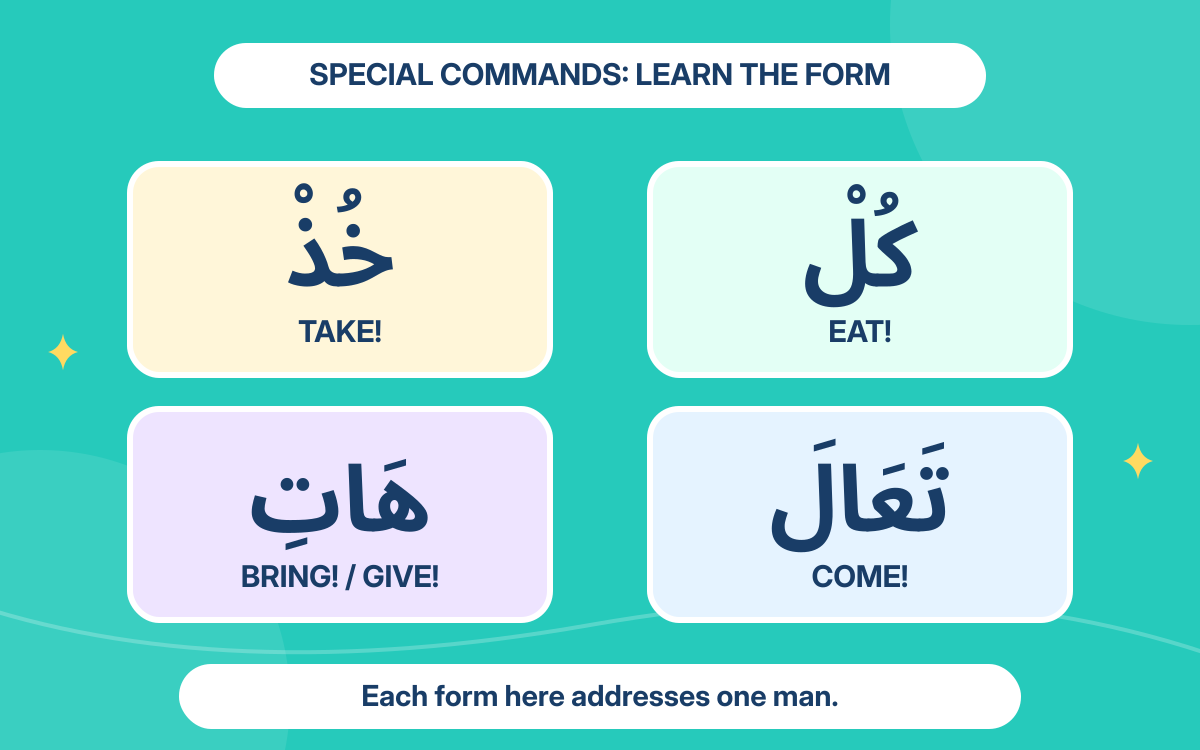
MSA command · addressing one man
اِفْتَحِ التَّطْبِيقَ
iftahi attatbiq
Open the app.
The short connecting i before the article is heard in this full phrase; the standalone masculine command is iftah. تَحْدِيث (tahdith) means update or updating. A noun label and a command can point to related actions while using different grammar.
07Use the whole message
Shasha can be a device screen; rabit is a link in an online message; hisab is an account in a sign-in context. A word can have other meanings outside technology. Look at the surrounding instruction before translating it.
Practise a short route: identify the device, open the app, and locate a folder. The command guide explains command forms, and prepositions helps you describe where an item is.
What to remember
- Hatif is phone, hasub is computer, and shasha is screen.
- Tatbiq, milaff and mujallad mean app, file and folder.
- Tanzil commonly means downloading; check context for labels such as tahmil.
Your reference shelf
Open a guide whenever you need it.
20 technology wordsDevices, interface items and useful actions.
| English | Arabic | Reading |
|---|---|---|
| Phone | هَاتِف | hatif |
| Computer | حَاسُوب | hasub |
| Screen | شَاشَة | shasha |
| Keyboard | لَوْحَة مَفَاتِيح | lawhat mafatih |
| Mouse (device) | فَأْرَة | fara |
| Charger | شَاحِن | shahin |
| Battery | بَطَّارِيَّة | battariya |
| App / application | تَطْبِيق | tatbiq |
| File | مِلَفّ | milaff |
| Folder | مُجَلَّد | mujallad |
| Image / picture | صُورَة | sura |
| Link | رَابِط | rabit |
| Website | مَوْقِع إِلِكْتُرُونِيّ | mawqi iliktruni |
| Browser | مُتَصَفِّح | mutasaffih |
| Account | حِسَاب | hisab |
| Password | كَلِمَة مُرُور | kalimat murur |
| Settings | إِعْدَادَات | idadat |
| Internet | إِنْتَرْنِت | intarnit |
| Download / downloading | تَنْزِيل | tanzil |
| Update / updating | تَحْدِيث | tahdith |
Reading aids use plain letters. Product labels and regional loanwords may differ from these standard forms.
Sources & further learning
References for the language explanations and learning guidance.