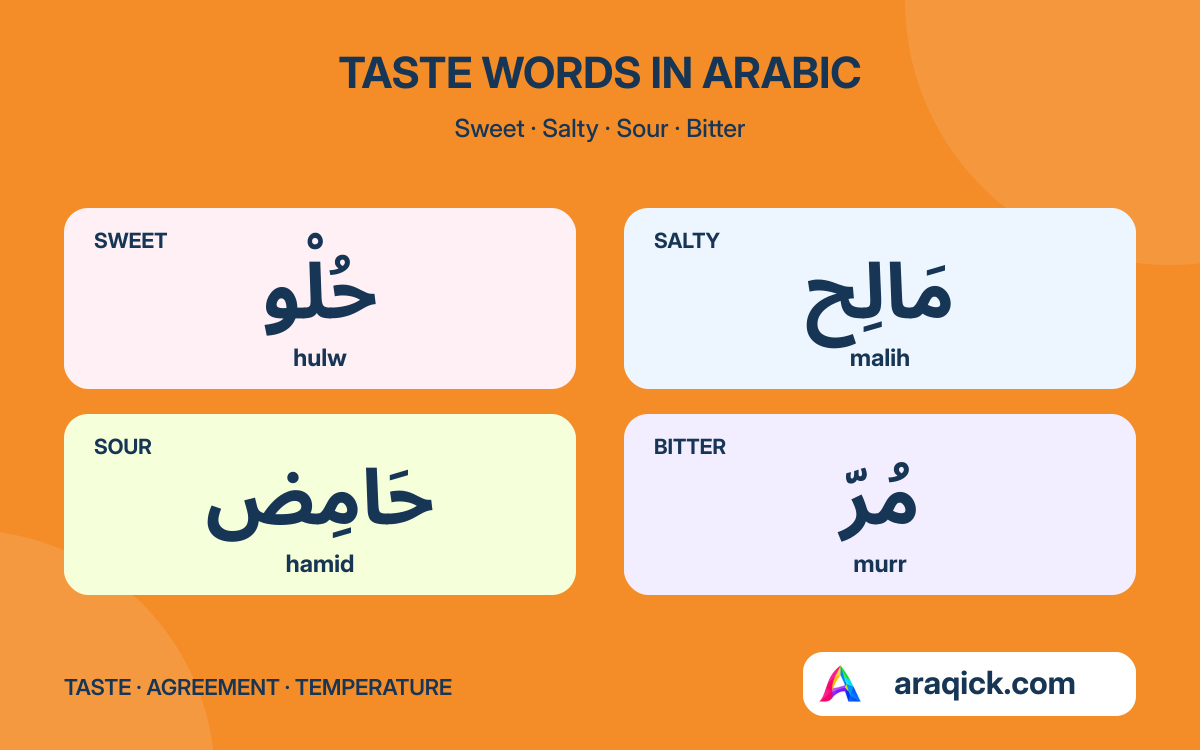
Sweet is حُلْو (hulw), salty is مَالِح (malih), sour is حَامِض (hamid), and bitter is مُرّ (murr). These are masculine singular forms; the usual feminine forms end in a: hulwa, maliha, hamida, and murra. For food, حَارّ can describe spiciness, while سَاخِن clearly describes hot temperature.
01Name the four starting tastes
hulw
A sweet taste.
malih
A salty taste.
hamid
A sour taste.
murr
A bitter taste.
These words describe taste, not the name of a food. One dish can have more than one taste, so choose the description that matches what you want to say.
02Describe a masculine noun
Modern Standard Arabic
الْعَصِيرُ حُلْوٌ
alasiru hulw
The juice is sweet.
Asir, juice, is masculine. Hulw therefore uses the masculine singular form. You can change the description to hamid if the particular juice tastes sour. Neither adjective tells you which fruit was used.
03Match a feminine food word
Modern Standard Arabic
الشُّورْبَةُ مَالِحَةٌ
ashshurbatu maliha
The soup is salty.
Shurba is feminine, so the adjective is maliha. The same pattern gives الْقَهْوَةُ مُرَّةٌ (alqahwatu murra), “The coffee is bitter.” Match the grammatical gender of the noun, not the gender of the person eating or drinking.
04Spicy and hot are not the same detail
attaamu harr
The food is spicy. In a flavour context.
attaamu sakhin
The food is hot.
Harr can also mean hot more generally, so context still matters. Sakhin makes a temperature description clear. A dish can be spicy when cold, or hot without containing hot pepper. Spice names identifies ingredients rather than temperatures.
05Add very without changing the adjective
Modern Standard Arabic
الشُّورْبَةُ مَالِحَةٌ جِدًّا
ashshurbatu malihatun jiddan
The soup is very salty.
Jiddan adds very. It does not automatically mean too much for everyone. If you dislike the taste, say so separately rather than treating a strong taste word as a universal judgement about the food.
06Ask how something tastes
Modern Standard Arabic
كَيْفَ مَذَاقُ الْعَصِيرِ؟
kayfa madhaqu alasir
How does the juice taste?
Madhaq means taste or flavour. A useful answer names the taste: sweet, sour, or another suitable description. لَذِيذ (ladhidh) means delicious; it gives a positive judgement rather than naming one of the four starting tastes.
07Make a precise comment
Modern Standard Arabic
هَذِهِ الْقَهْوَةُ مُرَّةٌ، وَلَكِنَّهَا لَذِيذَةٌ
hadhihi alqahwatu murratun walakinnaha ladhidha
This coffee is bitter, but it is delicious.
A bitter taste can still be enjoyable to the speaker. Keep the description and the opinion separate. Use food and drink vocabulary to change the item, and adjective agreement to check the form.
What to remember
- Hulw, malih, hamid and murr name sweet, salty, sour and bitter tastes.
- Use feminine forms with feminine nouns such as shurba and qahwa.
- Sakhin specifies hot temperature; delicious expresses enjoyment rather than one basic taste.
Your reference shelf
Open a guide whenever you need it.
Taste adjective pairsMasculine and feminine forms side by side.
| Meaning | Masculine | Feminine |
|---|---|---|
| Sweet | حُلْو hulw | حُلْوَة hulwa |
| Salty | مَالِح malih | مَالِحَة maliha |
| Sour | حَامِض hamid | حَامِضَة hamida |
| Bitter | مُرّ murr | مُرَّة murra |
| Spicy / hot (context matters) | حَارّ harr | حَارَّة harra |
| Delicious | لَذِيذ ladhidh | لَذِيذَة ladhidha |
For temperature, use سَاخِن / سَاخِنَة (sakhin / sakhina), hot, or بَارِد / بَارِدَة (barid / barida), cold. Harr is interpreted through its context.
Sources & further learning
References for the language explanations and learning guidance.