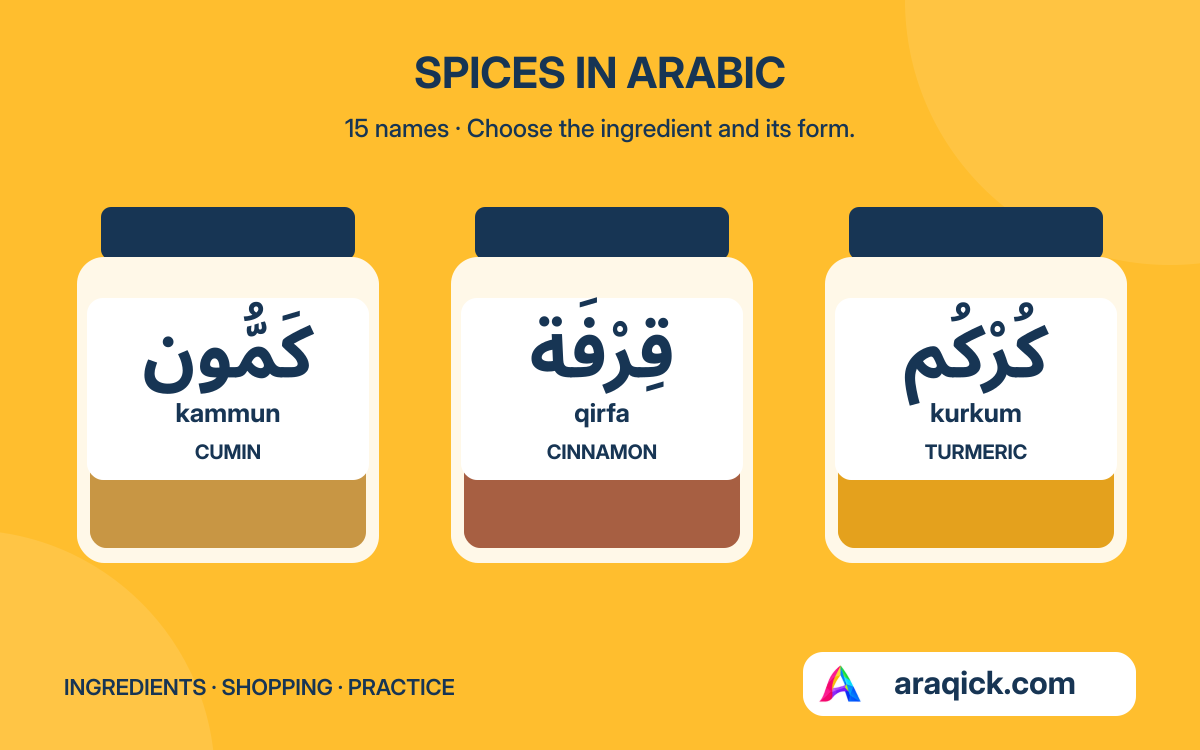
Common spices in Arabic include كَمُّون (cumin), كُرْكُم (turmeric), قِرْفَة (cinnamon), and زَنْجَبِيل (ginger). بَهَارَات or تَوَابِل can mean spices or seasonings generally. Use the ingredient name and its form when shopping; regional names and mixed-spice labels are not always interchangeable.
01Learn four clearly different names
kammun
A distinct spice name.
kurkum
Not the same ingredient as cumin.
qirfa
Learn the initial q sound.
zanjabil
A name used for fresh or dried ginger.
Do not identify an ingredient from colour alone. Match the Arabic label with the actual ingredient you want, then check whether it is whole, fresh, dried, or ground.
02Make a short shop request
Modern Standard Arabic
أُرِيدُ كَمُّونًا مَطْحُونًا
uridu kammunan mathunan
I would like ground cumin.
Mathun means ground. It describes the form of the spice, not a different ingredient. Uridu supplies “I would like” or “I want.” The shopping guide helps with prices and polite requests.
03Distinguish powder from sticks
qirfa mathuna
Cinnamon in ground form.
awad alqirfa
The stick form.
Qirfa is feminine, so its adjective is mathuna. Kammun is masculine in the earlier example and takes mathun. A form word helps the shopkeeper select the right item.
04Recognise two cardamom names
هَال (hal) and هَيْل (hayl) are used for cardamom. Which label you hear depends on region and speaker. Learn both for recognition rather than assuming one identifies a different spice.
Likewise, a packet marked baharat may contain a spice mixture. Read its ingredient list instead of translating the general word as a single fixed ingredient. The mixture can vary.
05Keep cumin, caraway and nigella separate
kammun
One ingredient.
karawiya
A different ingredient.
habbat albaraka
Another distinct seed.
Similar English labels can be misleading, especially “black cumin.” Use a clear ingredient label when the distinction matters. In this chart habbat albaraka refers to nigella, not ordinary cumin.
06Check what part of the plant is meant
بُذُور الْكُزْبَرَة means coriander seeds. Fresh coriander leaves belong to the same plant, but a recipe asking for seeds is not asking for a handful of leaves.
قَرَنْفُل means cloves in this cooking context. The same common name can refer to carnations in flower vocabulary. The subject of the conversation selects the intended meaning.
07Name the ingredient and one useful detail
MSA · asking shop staff
هَلْ عِنْدَكُمْ زَعْفَرَانٌ؟
hal indakum zafaran
Do you have saffron?
This asks whether saffron is available. Add a quantity or form when you need one, then confirm the item. Keep the spice name separate from its flavour: an ingredient is a thing, while sweet or bitter describes a taste.
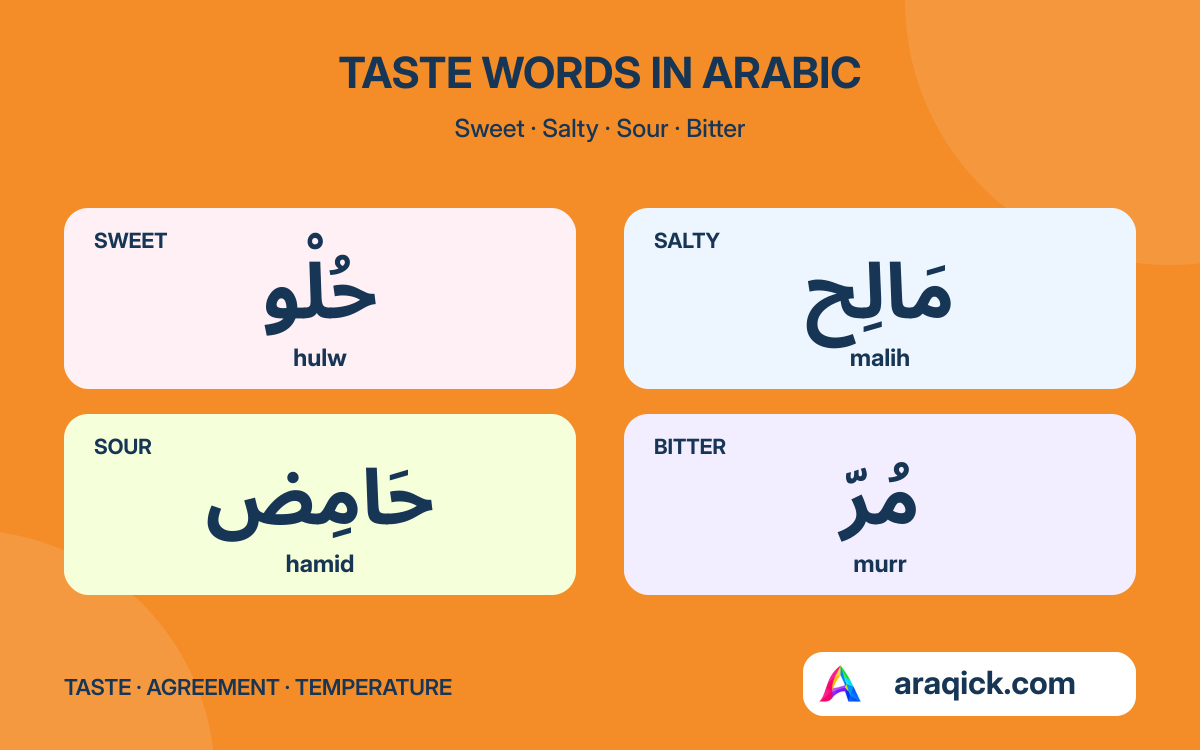
Continue with taste words and food and drink names.
What to remember
- Learn an ingredient name and its form, such as ground or sticks.
- Hal and hayl can both mean cardamom.
- Cumin, caraway and nigella are different ingredients; context also distinguishes coriander seeds from leaves.
Your reference shelf
Open a guide whenever you need it.
15 spice namesInclude the ingredient and its form when ordering.
| English | Arabic | Reading |
|---|---|---|
| Cumin | كَمُّون | kammun |
| Turmeric | كُرْكُم | kurkum |
| Cinnamon | قِرْفَة | qirfa |
| Ginger | زَنْجَبِيل | zanjabil |
| Cardamom | هَال / هَيْل | hal / hayl |
| Cloves | قَرَنْفُل | qaranful |
| Saffron | زَعْفَرَان | zafaran |
| Black pepper | فِلْفِل أَسْوَد | filfil aswad |
| White pepper | فِلْفِل أَبْيَض | filfil abyad |
| Paprika | بَابْرِيكَا | babrika |
| Coriander seeds | بُذُور الْكُزْبَرَة | budhur alkuzbara |
| Caraway | كَرَاوِيَا | karawiya |
| Anise | يَانْسُون | yansun |
| Sumac | سُمَّاق | summaq |
| Nigella / black seed | حَبَّة الْبَرَكَة | habbat albaraka |
The two cardamom names count as one ingredient. Baharat can be a general word for spices or a label for a mixture whose ingredients need checking.
Sources & further learning
References for the language explanations and learning guidance.