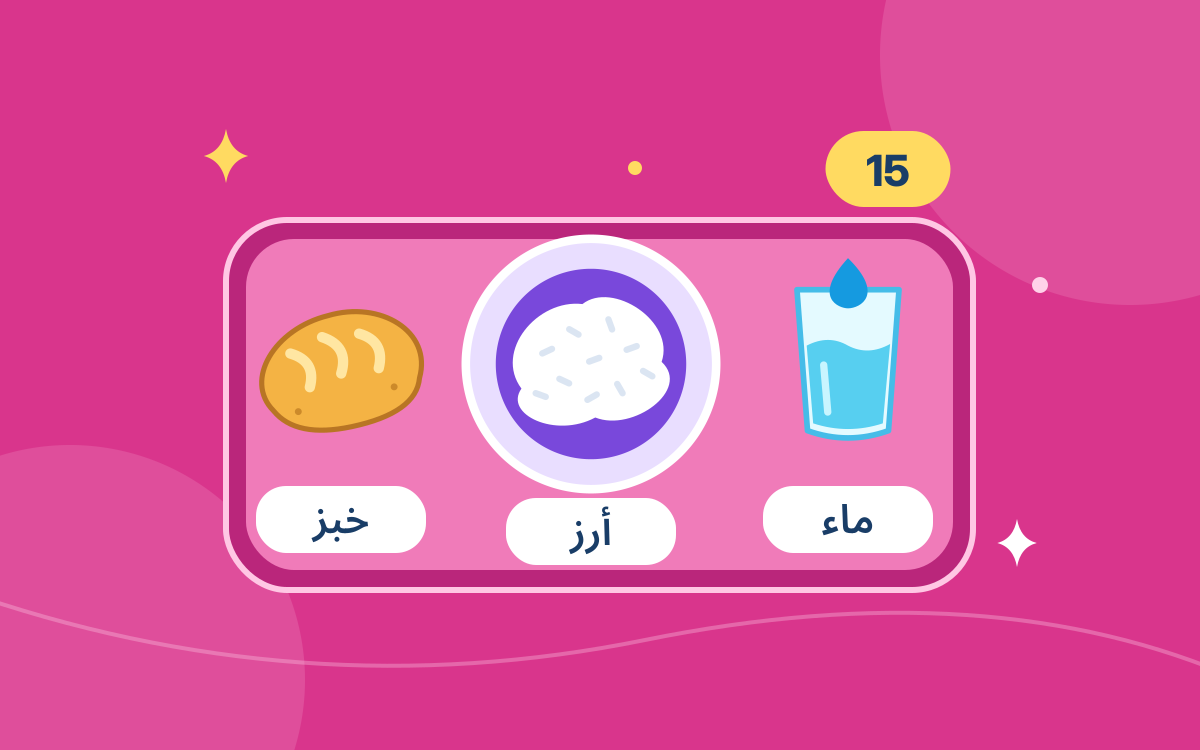
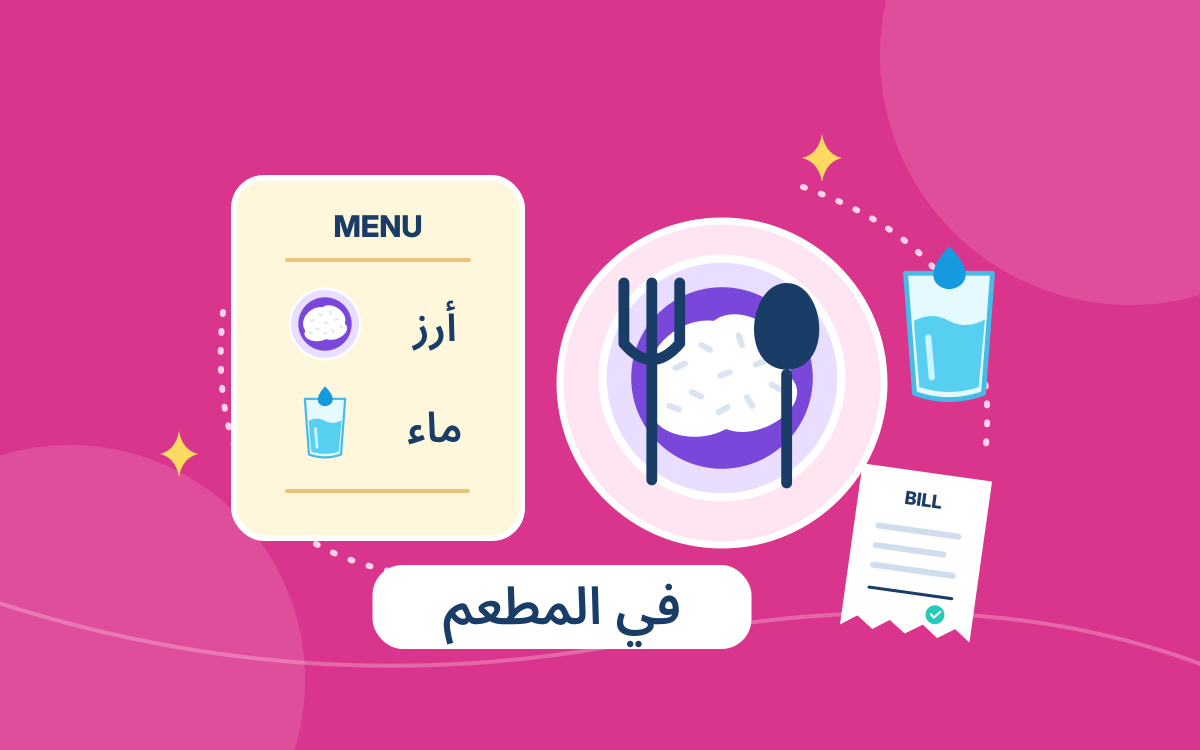
Water is ma, tea is shay, coffee is qahwa, and bread is khubz. Turn these labels into a small order with urid, meaning “I want.” You will meet 15 useful menu words and practise choosing food, drinks, and a polite request.
01Choose something to drink
مَاء
ma
water
شَاي
shay
tea
قَهْوَة
qahwa
coffee
Start with water, tea, and coffee. Say the word while imagining the drink you want.
These are standard Arabic forms. Everyday ordering phrases vary by region, so you may hear different local wording.
Our plain reading aids help you recognise the words; they do not capture every sound or vowel length. Use the Arabic spelling and audio together when possible.
Question 1 of 1Try it now
02Read a small menu
Two more drinks
حَلِيبhalib — milk
عَصِيرasir — juice
At the table
خُبْزkhubz — bread
أُرْزurz — rice
بَيْضَةbayda — an egg
جُبْنjubn — cheese
لَحْمlahm — meat
Bayda names one egg. The other food words here commonly name a substance or food category, rather than a single serving. A menu label such as rice does not tell you how much rice will arrive.
Choose one drink and one food, then cover their Arabic labels. Recall the two names before moving on. The full reference below keeps all 15 entries together for a quick check.
Question 1 of 1Try it now
03Add the sides and seasonings
حَسَاء
hasa
soup
سَلَطَة
salata
salad
خُضْرَاوَات
khudrawat
vegetables
سُكَّر
sukkar
sugar
مِلْح
milh
salt
Hasa is a standard word for soup. You may also encounter other widely used words, including shurba.
Khudrawat is plural: vegetables. Salata means salad, which is a dish rather than a name for every vegetable.
Sukkar and milh look different and mean different things: sugar and salt. Keep each word connected to the ingredient.
Question 1 of 2Try it now
04Turn a word into an order
أُرِيدُ مَاءً
urid ma
I want water.
أُرِيدُ شَايًا
urid shay
I want tea.
أُرِيدُurid means I want. It works for a male or female speaker.
The food or drink follows the verb. Keep urid and change what you are asking for.
Formal Arabic shows an object ending in these examples. Our simple reading aids leave final grammatical endings out to keep the focus on word recognition.
This is a beginner sentence, not a complete ordering conversation. A server may also ask about quantity, size, or preparation. Start with the thing you want, then build those details in later lessons.
Question 1 of 1Try it now
05Add please and finish politely
مَاء، مِنْ فَضْلِكَ
ma min fadlika
Water, please. Speaking to one man.
When speaking to one woman, use مِنْ فَضْلِكِmin fadliki. The ending follows the person you address, not the drink you order.
When the order arrives:شُكْرًاshukran — Thank you.
Practise a small sequence: choose a drink, name it politely, then say thank you. After that, change only the drink. Keeping the rest familiar lets you use each new word straight away.
Question 1 of 2Try it now
TAKE IT WITH YOU
What to remember
Learn a drink and a food together, then use them in a small order.
Urid means I want; the food or drink follows it.
Use min fadlika for one man or min fadliki for one woman, and shukran to say thank you.
KEEP THIS HANDY
Your reference shelf
Open a guide whenever you need it.
All 15 food and drink wordsOpen the complete menu vocabulary+
Food and drink vocabulary
Meaning
Arabic
Say it
water
مَاء
ma
tea
شَاي
shay
coffee
قَهْوَة
qahwa
milk
حَلِيب
halib
juice
عَصِير
asir
bread
خُبْز
khubz
rice
أُرْز
urz
an egg
بَيْضَة
bayda
cheese
جُبْن
jubn
meat
لَحْم
lahm
soup
حَسَاء
hasa
salad
سَلَطَة
salata
vegetables
خُضْرَاوَات
khudrawat
sugar
سُكَّر
sukkar
salt
مِلْح
milh
These are food labels, not portion sizes. Bayda means one egg; khudrawat means vegetables.
Sources & further learning
References for the language explanations and learning guidance.
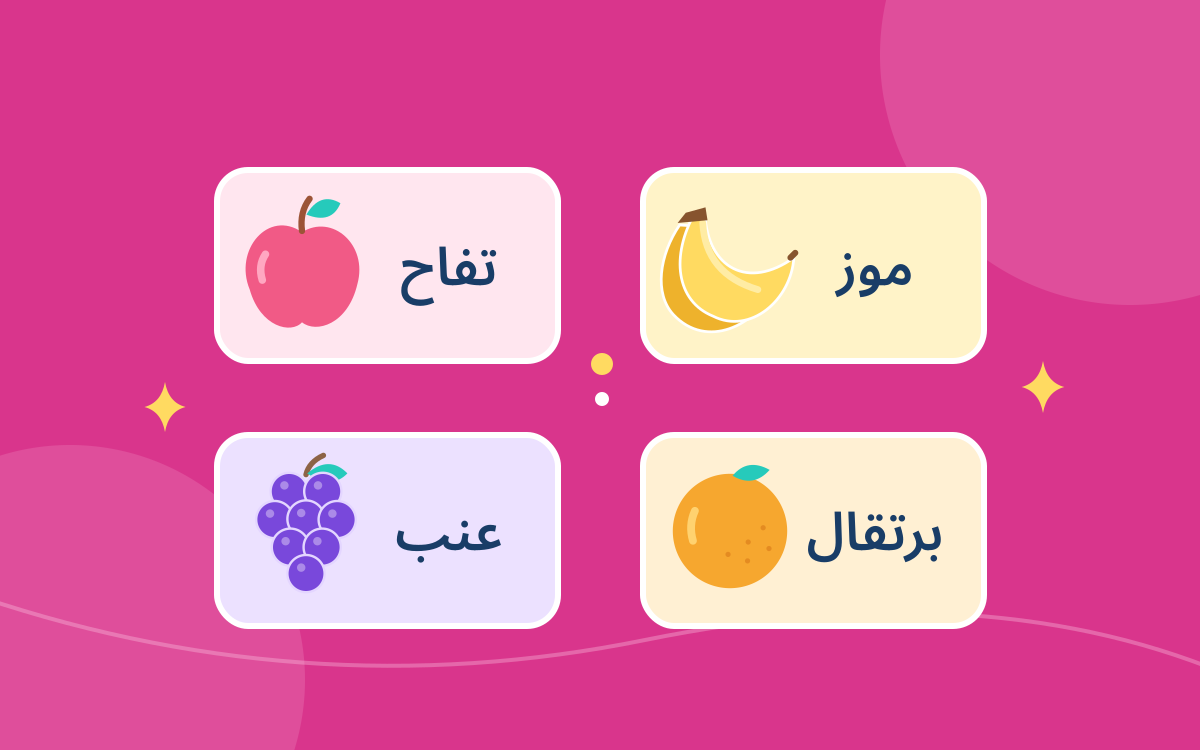
Learn ten Arabic fruit names and the difference between tuffah, apples, and tuffaha, one apple. Explore colourful vocabulary cards and seven short quizzes.