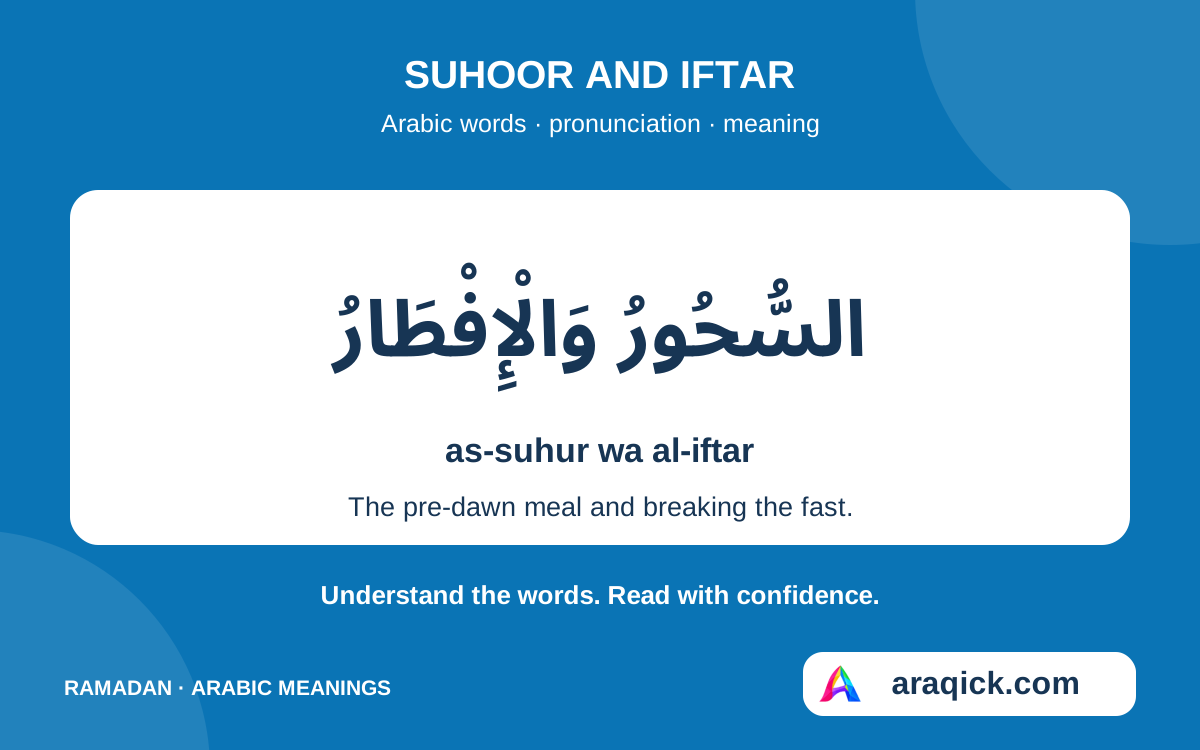
Suhoor is the meal eaten before dawn in preparation for a fast. In Arabic it is سُحُور, also vowelled سَحُور. Iftar, إِفْطَار, means breaking a fast and also names the meal associated with it. In Ramadan, the two belong at opposite ends of the fasting day: suhoor before dawn and iftar at sunset.
01Suhoor names the meal before dawn
Suhoor is a familiar English spelling for the pre-dawn meal. The Cairo Arabic Language Academy records both سُحُور, suhuur, and سَحُور, sahuur, for its food and drink. Both have a short first vowel and a long uu. The middle letter ح represents a breathy throat sound rather than an ordinary English h.
Sahih al-Bukhari 1923 uses the sahur form while encouraging the pre-dawn meal. When reading, follow the vowel marks of the version in front of you. Suhoor is a meal or meal occasion; it is not the name of a prayer.
02Iftar names breaking the fast
إِفْطَار is read iftaar, with a short initial i and a long aa. The hamza below the opening alif marks that initial vowel. The noun names the action of breaking a fast; everyday use also extends it to the food, gathering or meal at that time.
The related verb أَفْطَرَ, aftara, means “he broke his fast” in this context. Bukhari 1954 uses this verb in a report connecting the end of the fast with sunset. An iftar invitation therefore refers to a meal occasion, not a request to begin fasting.
03Connect the words with dawn and sunset
Quran 2:187 describes eating and drinking before dawn and completing the fast until night. Together with Bukhari 1954, this explains why Ramadan meal vocabulary is organised around dawn and sunset. Neither meal name contains a universal clock time. The relevant time changes with place and date.
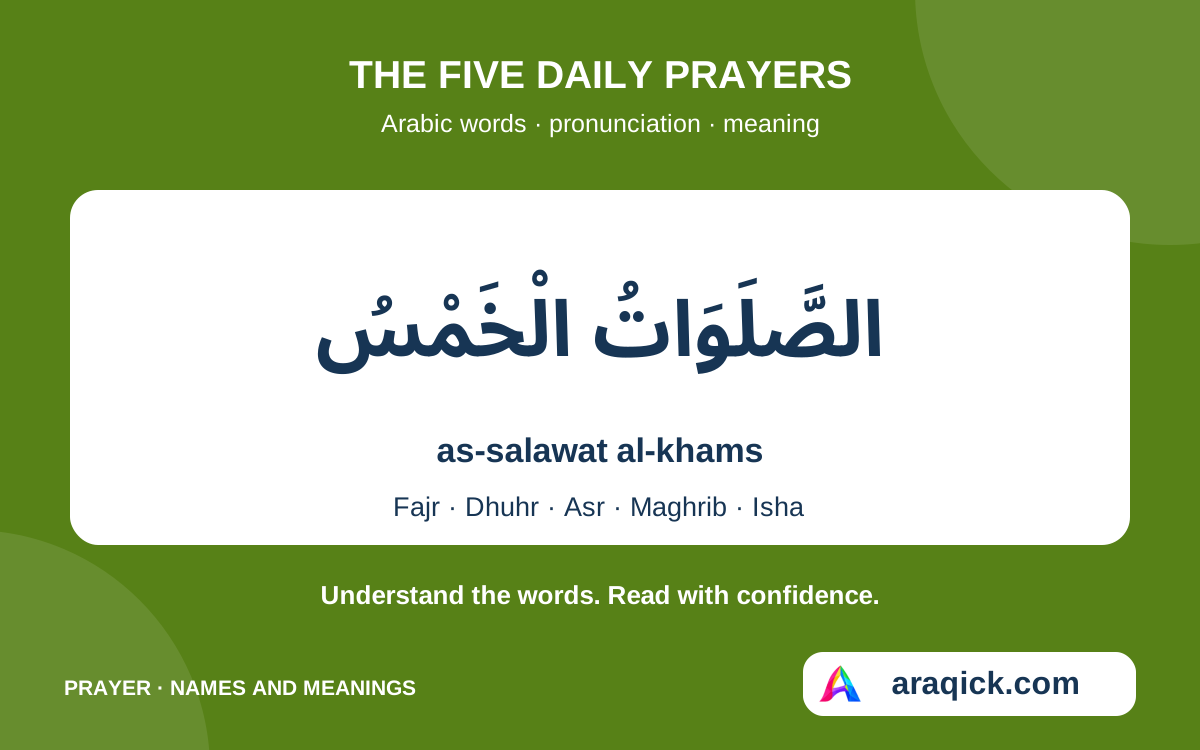
فَجْر, fajr, means dawn; غُرُوبُ الشَّمْس, ghuruubu-shshams, means sunset. Fajr also names the dawn prayer, while Maghrib names a prayer associated with sunset. See the five prayer names to distinguish the prayer from the meal.
04Use meal words in short phrases
وَقْتُ السُّحُورِ, waqtu-ssuhuur, means “suhoor time.” مَوْعِدُ الْإِفْطَارِ, mawidu-liftaar, means “the time of iftar” or an iftar appointment, depending on context. These are useful labels when reading an invitation or asking about arrangements.
For a question, try مَتَى الْإِفْطَارُ؟, mataa aliftaar, “When is iftar?” The meal word stays the same while the surrounding words show the purpose. These are ordinary learning examples, not quotations from a religious text. Our time guide helps with the answer.
05Notice the article and the vowel endings
Arabic الـ makes a noun definite. Before the s of suhoor, its l is assimilated in speech: السُّحُور sounds assuhuur. Before the hamza of iftar, the l remains audible: الْإِفْطَار sounds aliftaar. The spelling preserves the article in both cases.
Fully marked sentence forms can have final u, a or i vowels. These depend on grammar and are commonly left unspoken at a pause. They do not create different meals. Our idafa guide explains combinations such as “time of iftar,” where the second noun has a grammatical ending.
06Keep the meal, the fast and the month separate
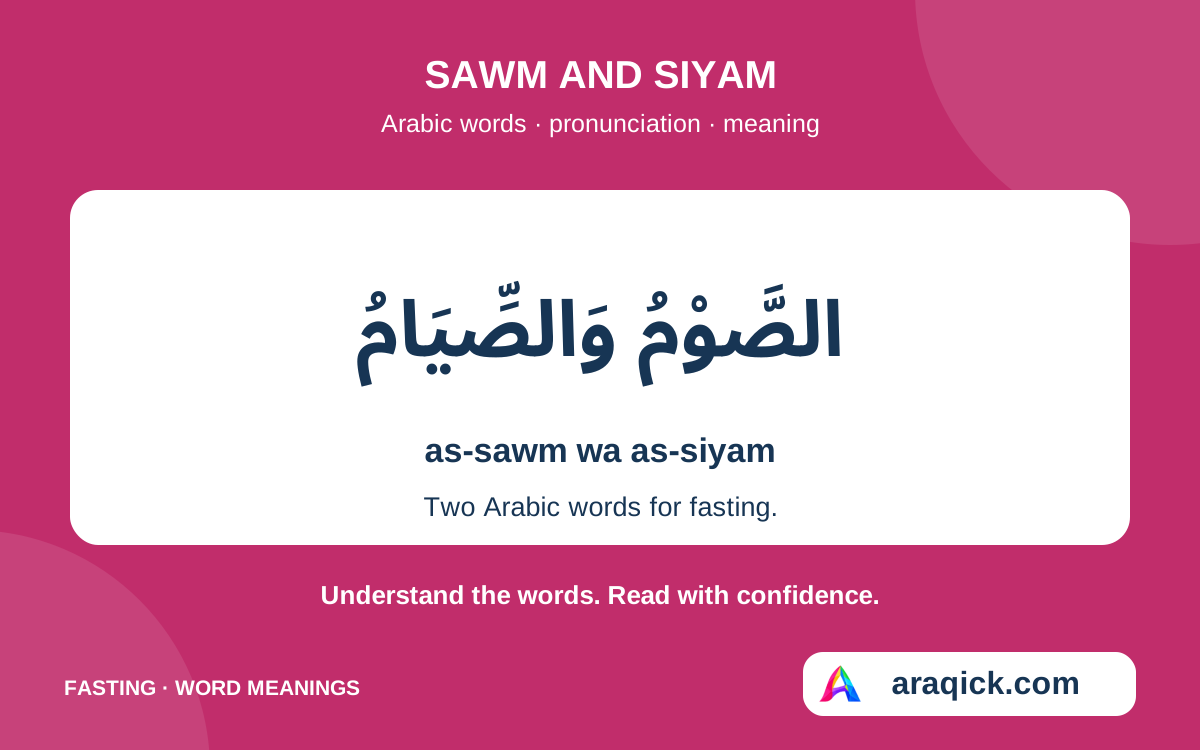
A useful vocabulary map has three levels: Ramadan is the month; sawm and siyam name fasting; suhoor and iftar describe meal occasions connected with it. Avoid translating every Ramadan word as “fast” or every food gathering as “prayer.”
Practise by matching each word with a short scene: preparing a meal before dawn, fasting during the day, or gathering to break the fast at sunset. Then read one Arabic phrase from the tables aloud. Keeping the occasion and the core meaning together makes unfamiliar invitations easier to understand.
What to remember
- Suhoor names the pre-dawn meal; iftar names breaking a fast and its associated meal.
- The meal word has both سُحُور, suhuur, and سَحُور, sahuur, vowelizations; إِفْطَار is read iftaar.
- Dawn and sunset explain the occasions without giving one fixed clock time for every place.
Your reference shelf
Open a guide whenever you need it.
Meal words and nearby vocabularyCompare the meal, the act of fasting and the solar time words.
| Arabic | Plain-letter reading | Meaning or use |
|---|---|---|
| سُحُور / سَحُور | suhuur / sahuur | The pre-dawn meal; both vowelizations are recorded |
| إِفْطَار | iftaar | Breaking a fast; also the associated meal |
| صِيَام | siyaam | Fasting |
| فَجْر | fajr | Dawn |
| غُرُوبُ الشَّمْس | ghuruubu-shshams | Sunset |
| رَمَضَان | ramadaan | Ramadan, the month |
Short phrases for meal arrangementsThese original language examples show how the nouns fit into useful phrases.
| Arabic | Plain-letter reading | Meaning or use |
|---|---|---|
| وَقْتُ السُّحُورِ | waqtu-ssuhuur | Suhoor time; pause reading |
| مَوْعِدُ الْإِفْطَارِ | mawidu-liftaar | The time of iftar; an iftar appointment |
| مَتَى الْإِفْطَارُ؟ | mataa aliftaar | When is iftar? |
| وَجْبَةُ الْإِفْطَارِ | wajbatu-liftaar | The iftar meal |
| دَعْوَةٌ لِلْإِفْطَارِ | dawatun liliftaar | An invitation to iftar |
Sources & further learning
References for the language explanations and learning guidance.