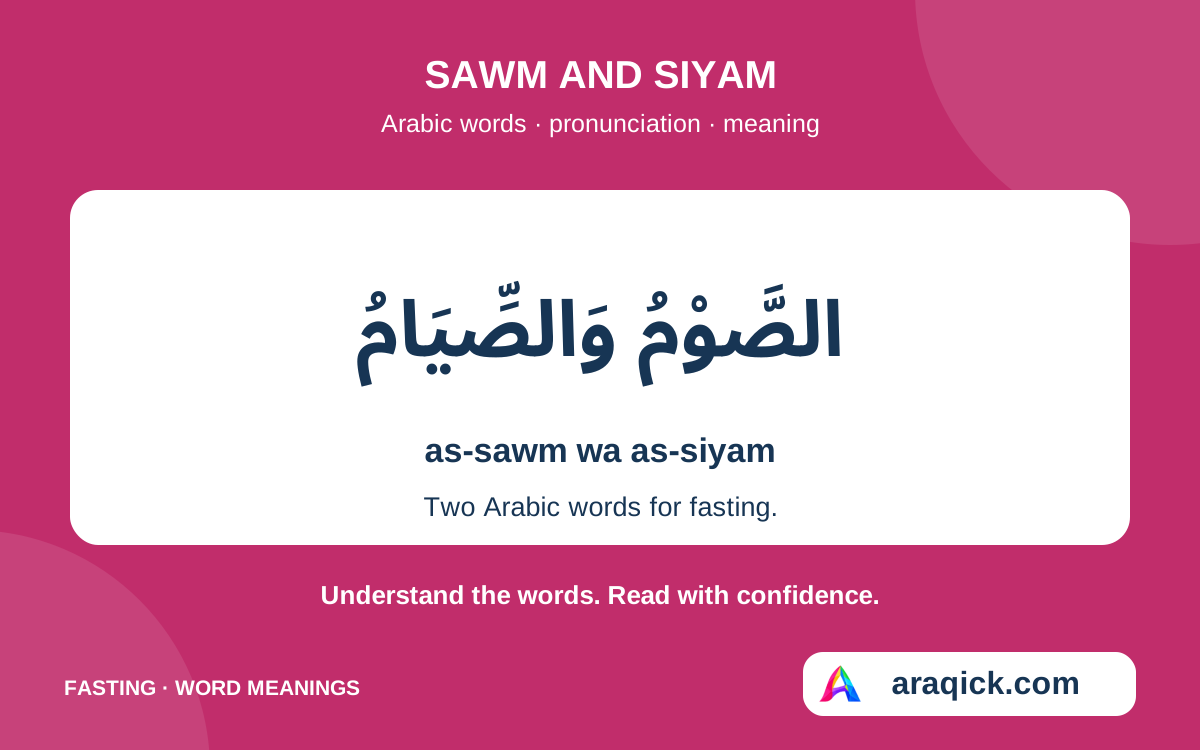
Sawm, صَوْم, and siyam, صِيَام, are Arabic nouns used for fasting. They belong to the same word family, with root letters ص و م. Their different shapes do not create a universal rule that one means silence and the other means fasting from food. The sentence and its context determine the intended meaning.
02Sawm and siyam sound different
صَوْم is read sawm: one syllable containing aw, rather than a long oo. صِيَام is read siyaam: a short i followed by yaam with a long aa. The initial ص is the emphatic Arabic s, heavier than ordinary س.
Common English spellings include saum and siyaam. These are aids to reading the same Arabic forms, not evidence of separate kinds of fasting. Use the Arabic letters to check which noun is present. Say the words slowly, then compare the short aw in sawm with the two-part shape of siyaam.
03Read the Quranic occurrences in context
Quran 2:183 uses الصِّيَام in its instruction about fasting. In Quran 19:26, Maryam’s statement contains صَوْمًا and is followed by an explanation that she will not speak to people that day. The reference to silence comes from that passage’s surrounding words and situation.
It is therefore useful to notice this difference between the passages, but misleading to turn it into a rule for every Arabic text. Sawm is also used for religious fasting from food and drink. The fasting book in Sahih al-Bukhari is titled كِتَابُ الصَّوْمِ, kitaabu-ssawm.
04Recognise the verb and the person fasting
The past-tense verb صَامَ, saama, means “he fasted”; يَصُومُ, yasuum, means “he fasts” or “he is fasting.” In the first, the middle vowel is long aa; in the second, it is long uu. A root letter need not appear in exactly the same written shape in every related form.
The person word is صَائِم, saaim, “fasting” or “a person who fasts.” The feminine is صَائِمَة, saaimah. The hamza in these forms is a real consonant break between the vowels. Quran 33:35 includes related masculine and feminine plural forms.
05Build a phrase before a longer sentence
صِيَامُ رَمَضَانَ, siyaamu ramadaan at a pause, means “fasting in Ramadan” or “the fasting of Ramadan.” The first noun has no definite article here because it is the first part of an idafa construction. The second word supplies the connection. Our idafa guide explains this pattern.
For an original everyday example, أَنَا صَائِمٌ, anaa saaim at a pause, means “I am fasting,” said by a male speaker. A female speaker can say أَنَا صَائِمَةٌ, anaa saaimah. These describe the person, while sawm and siyam name the action.
06Let context guide the translation
When reading, ask three questions: Is this an action noun, a verb or a person description? Which nearby words explain the situation? Is the text discussing fasting generally, Ramadan or a particular historical account? This method works better than assigning one permanent English gloss to each spelling.
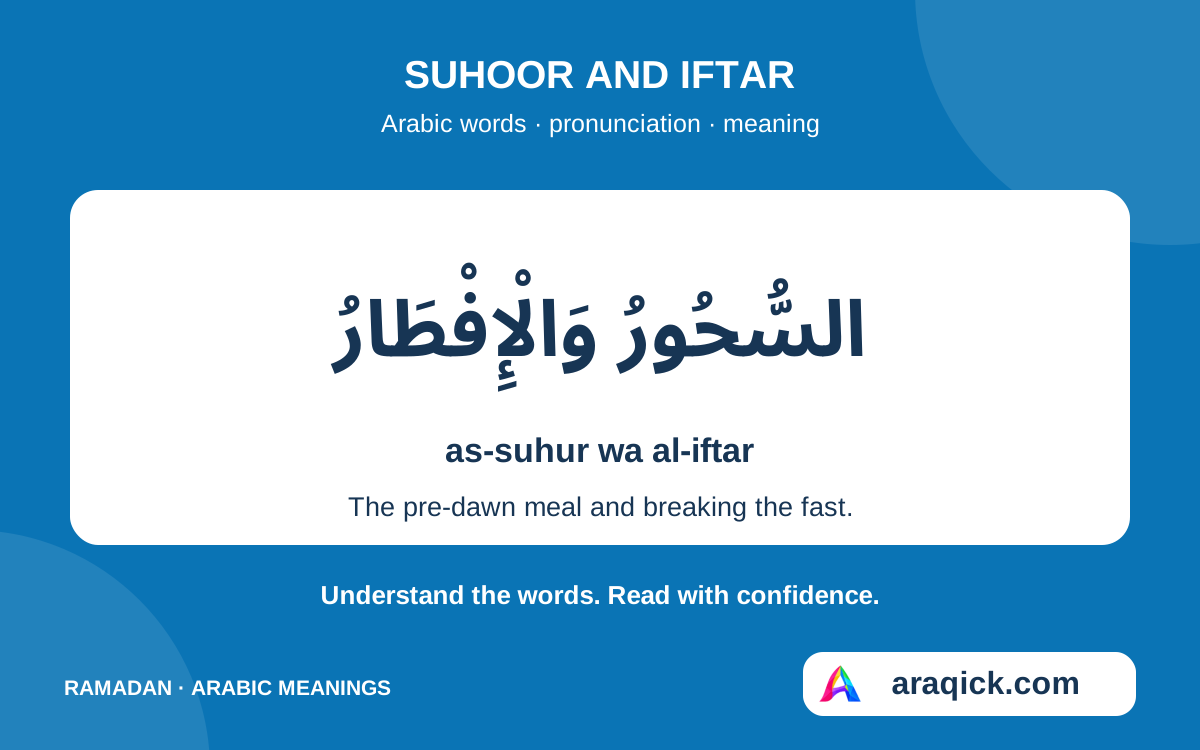
Keep meal vocabulary separate too: suhoor and iftar describe meal occasions connected with fasting. Add one short example for each new form to a vocabulary notebook. Returning to a complete phrase makes it easier to remember both the meaning and the correct pronunciation.
What to remember
- Sawm and siyam are related verbal nouns for fasting; siyam is not simply a plural.
- Quran 19:26 has a silence context, but sawm does not always mean silence.
- Saama and yasuum are verbs; saaim and saaimah describe a fasting person.
Your reference shelf
Open a guide whenever you need it.
Fasting word familyPause readings omit most final case vowels; the core vowels still distinguish the forms.
| Arabic | Plain-letter reading | Meaning or use |
|---|---|---|
| صَوْم | sawm | Fasting; a verbal noun |
| صِيَام | siyaam | Fasting; a verbal noun |
| صَامَ | saama | He fasted |
| يَصُومُ | yasuum | He fasts; he is fasting |
| صَائِم | saaim | Fasting person; masculine |
| صَائِمَة | saaimah | Fasting person; feminine |
Contexts and useful combinationsThese labels show why the surrounding text matters; the examples are language practice.
| Arabic | Plain-letter reading | Meaning or use |
|---|---|---|
| الصِّيَام | assiyaam | The fasting; the noun used in Quran 2:183 |
| صَوْمًا | sawman | An inflected form of sawm in Quran 19:26 |
| كِتَابُ الصَّوْمِ | kitaabu-ssawm | Book of Fasting; Bukhari’s book title |
| صِيَامُ رَمَضَانَ | siyaamu ramadaan | Fasting in Ramadan; pause reading |
| أَنَا صَائِمٌ | anaa saaim | I am fasting; masculine, pause reading |
| أَنَا صَائِمَةٌ | anaa saaimah | I am fasting; feminine, pause reading |
Sources & further learning
References for the language explanations and learning guidance.