A useful shopping conversation has three jobs: identify the item, ask its price and say what you want. Start with bikam for “how much?” and uridu for “I want.” Use the practice shop below to build a short exchange in Modern Standard Arabic.
01Browse three clear choices
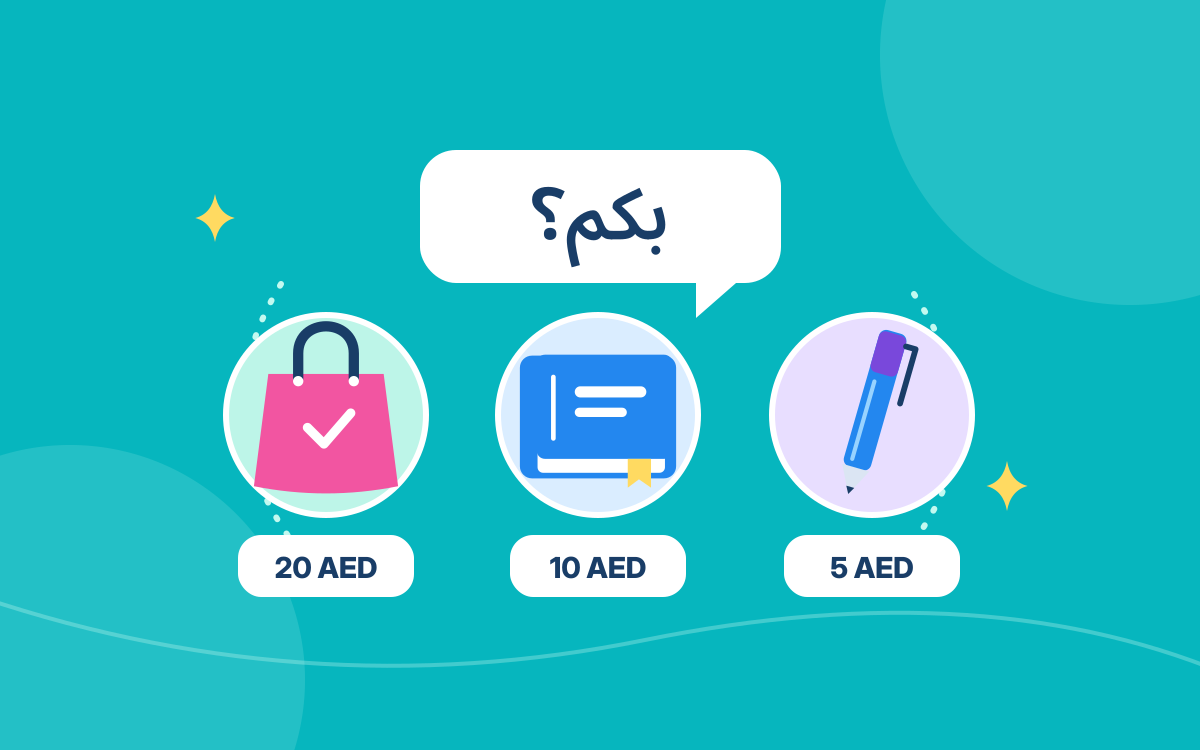
kitab
10 AED
qalam
5 AED
haqiba
20 AED
Practice prices: these invented tags use UAE dirhams, labelled AED. They are for the lesson, not a guide to real shop prices.
First identify the product: kitab is a book, qalam is a pen, and haqiba is a bag. The amount belongs to that particular tag. Check both the item and the number before answering; a price alone does not identify what you are buying.
02Ask about the book
بِكَمْ هَذَا الْكِتَاب؟
bikam hadha alkitab
How much is this book?
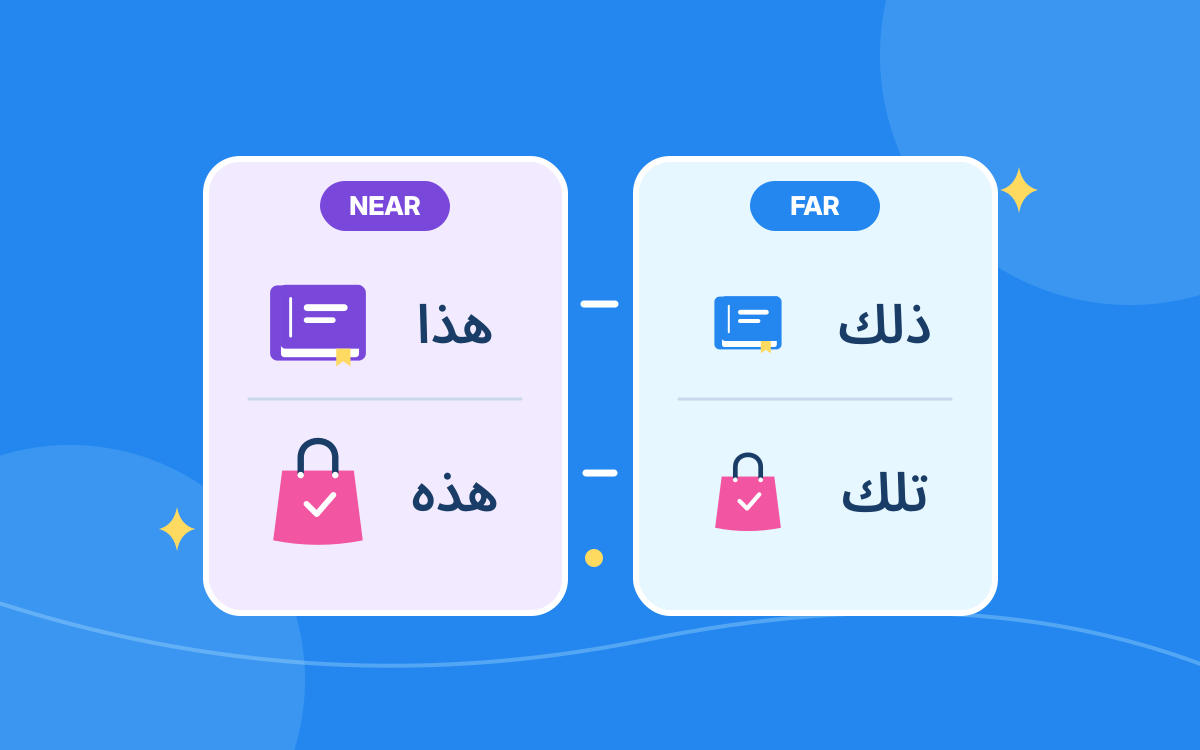
Point to the book while asking. If the object is already obvious, بِكَمْ هَذَا؟ bikam hadha is enough: “How much is this?” Use hadhihi for our feminine noun bag: بِكَمْ هَذِهِ الْحَقِيبَة؟.
For the book’s practice price, a possible reply is بِعَشَرَةِ دَرَاهِمَ biasharati darahim, “For ten dirhams.” Learn this reply as one chunk; the forms of numbers and currency words can change with the amount.
03Say which one you want
أُرِيدُ هَذَا الْكِتَاب
uridu hadha alkitab
I want this book.
أُرِيدُ uridu works for any speaker saying “I want.” To choose the bag, say أُرِيدُ هَذِهِ الْحَقِيبَة uridu hadhihi alhaqiba.
- Hadha points to the book or pen.
- Hadhihi points to the bag.
- Pointing and naming the product together makes the choice clear.
These are complete requests, not questions about price. Decide which job your next sentence needs to do.
04Choose a size
haqiba saghira
A small bag
haqiba kabira
A large bag
أُرِيدُ الْحَقِيبَة الصَّغِيرَة
uridu alhaqiba assaghira
I want the small bag.
The describing word follows the noun. Saghira and kabira match the feminine noun haqiba. Here, small and large describe the bags themselves; they are not clothing size codes. These comparison pictures have no price tags, so ask before assuming a size has the same price.
05Finish a short exchange
Customer: بِكَمْ هَذَا الْكِتَاب؟
How much is this book?
Shopkeeper: بِعَشَرَةِ دَرَاهِمَ
For ten dirhams.
Customer: أُرِيدُ هَذَا الْكِتَاب، مِنْ فَضْلِكَ
I want this book, please.
Use مِنْ فَضْلِكَ min fadlika when addressing one man, or مِنْ فَضْلِكِ min fadliki when addressing one woman. This distinction concerns the person you speak to, not the product.
Finish with شُكْرًا shukran, thank you. Rehearse the three turns, then change the product. Plain reading aids simplify sounds and some endings; keep the Arabic beside them.
What to remember
- Use bikam to ask a price and uridu to state what you want.
- Hadha matches book or pen; hadhihi matches bag in these examples.
- Choose the item and size clearly, then add the appropriate form of please.
Your reference shelf
Open a guide whenever you need it.
A pocket shopping scriptOpen five reusable lines and the practice prices
| Purpose | Arabic | Plain reading aid |
|---|---|---|
| Price of this book | بِكَمْ هَذَا الْكِتَاب؟ | bikam hadha alkitab |
| Price of this bag | بِكَمْ هَذِهِ الْحَقِيبَة؟ | bikam hadhihi alhaqiba |
| Choose this bag | أُرِيدُ هَذِهِ الْحَقِيبَة | uridu hadhihi alhaqiba |
| Choose the small bag | أُرِيدُ الْحَقِيبَة الصَّغِيرَة | uridu alhaqiba assaghira |
| Thank you | شُكْرًا | shukran |
Fictional practice tags: book 10 AED, pen 5 AED, bag 20 AED. The separate size illustrations do not imply additional prices.
Sources & further learning
References for the language explanations and learning guidance.