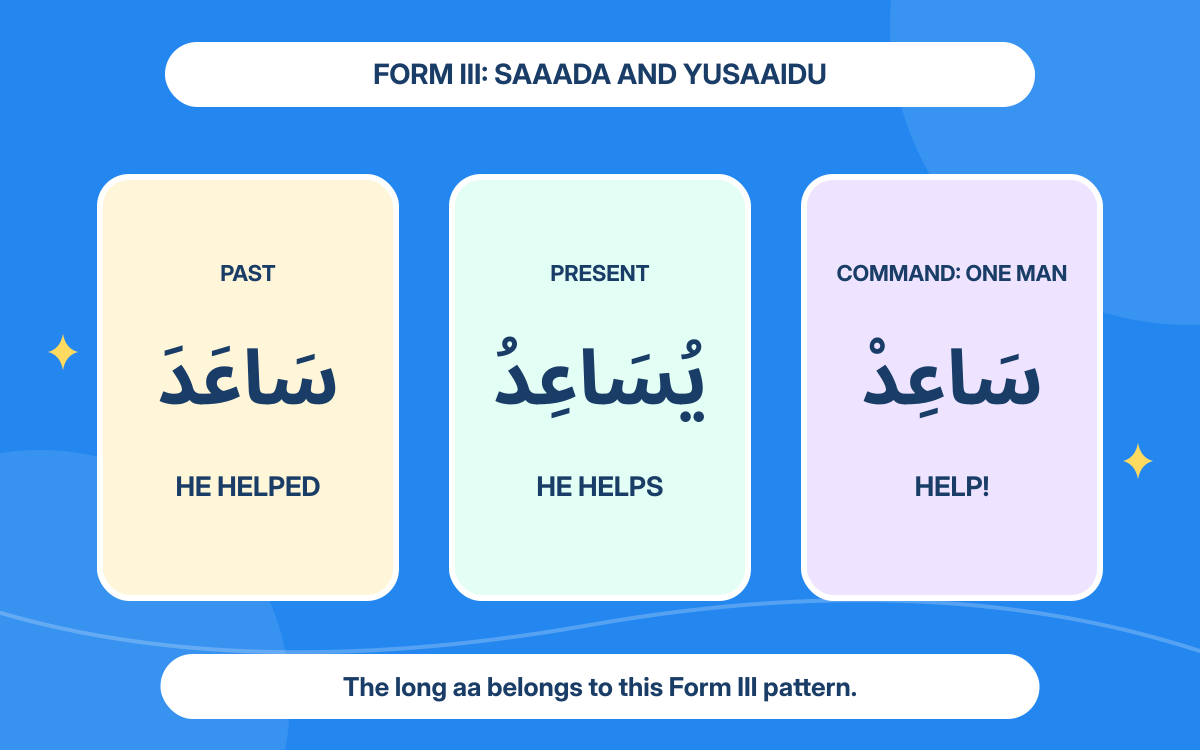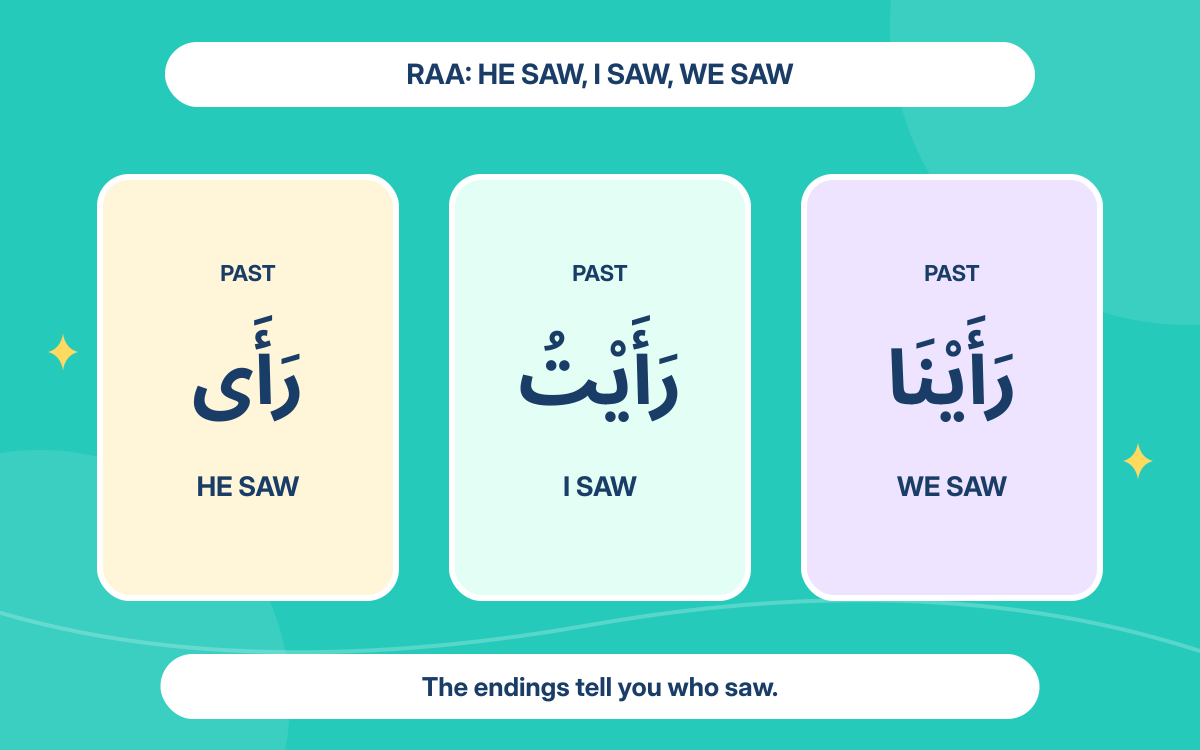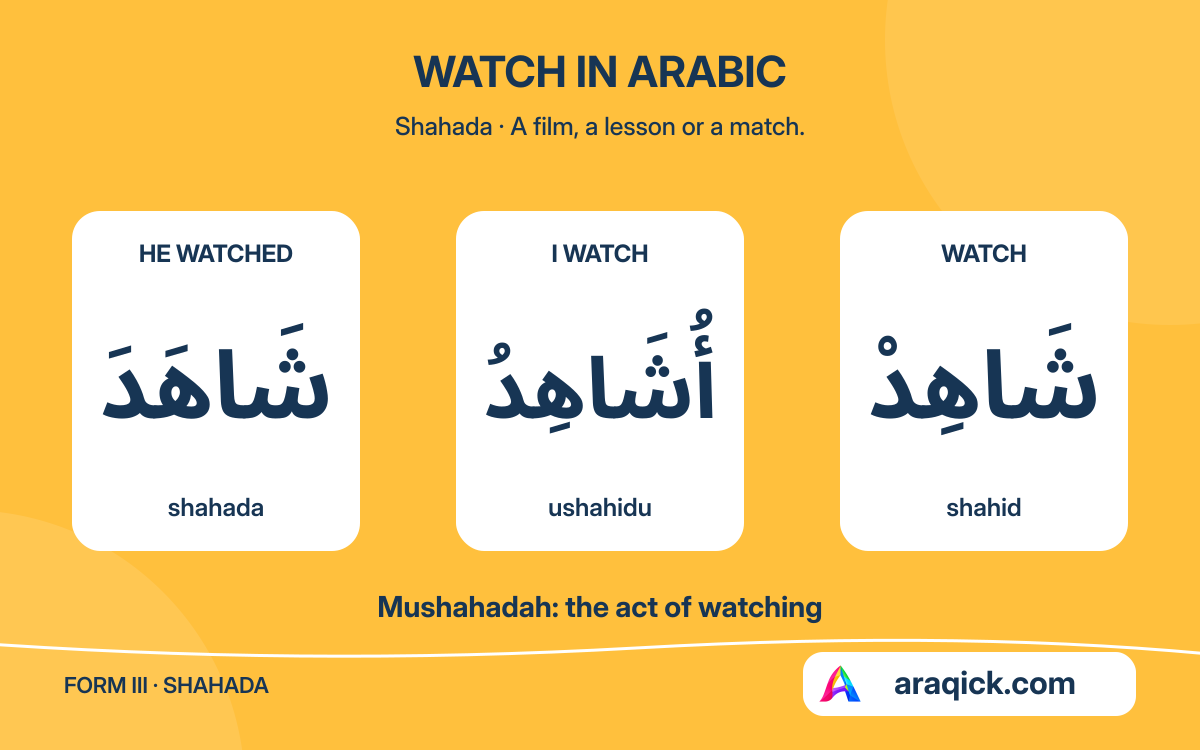
Shahada, written شَاهَدَ with a long alif after sh, means he watched or witnessed. It is a Form III verb from ش ه د. This guide focuses on watching a film, a lesson or a match, with subject endings and a direct object.
01Describe something you watched
شَاهَدْنَا فِلْمًا عَنِ الْبَحْرِ
shahadna filman ani albahri
We watched a film about the sea.
Shahadna ends in na for we. Filman is the direct object and has an accusative ending. An albahri tells us the film’s topic; it does not change who watched it.
Keep the long alif in شَاهَدَ. The related Form I verb شَهِدَ has a different pattern and is often used for witnessing or testifying. Do not use an unvowelled English spelling alone to decide which Arabic verb you mean.
02Say what you are watching now
أُشَاهِدُ دَرْسًا قَصِيرًا
ushahidu darsan qasiran
I am watching a short lesson.
Ushahidu is I watch. The initial hamzah has u, and the h has i. He watches is يُشَاهِدُ; we watch is نُشَاهِدُ.
The noun lesson and its adjective short both have accusative endings in this object phrase. The verb can describe an ongoing action or a habit, depending on context. See the Form III pattern for the full structural comparison.
03Ask about a past match
هَلْ شَاهَدْتَ الْمُبَارَاةَ؟
hal shahadta almubarata
Did you watch the match? — to one man
Hal turns the statement into a yes-or-no question. Shahadta ends in ta for one male listener. To one woman, change it to شَاهَدْتِ; the match stays the same.
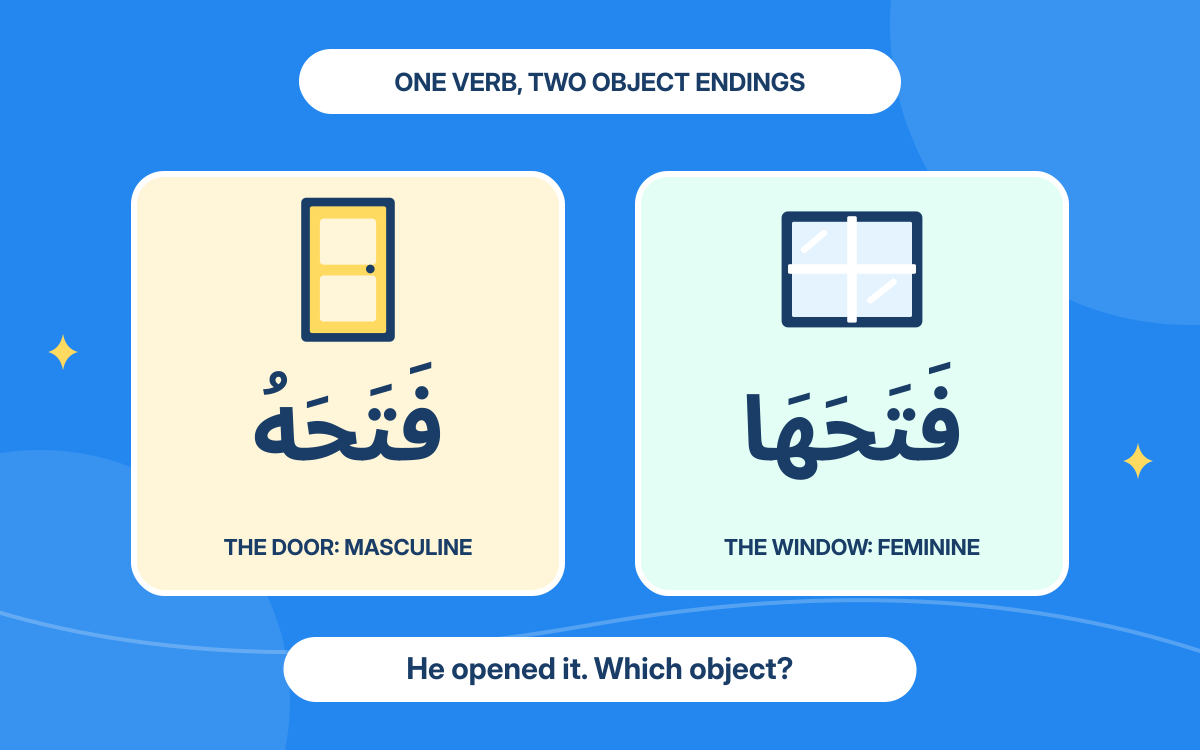
For I did not watch it, referring to the match, say لَمْ أُشَاهِدْهَا. The suffix ha refers to the feminine noun mubarah; the verb’s I prefix still identifies the viewer. See attached object pronouns.
04Invite someone to watch a clip
شَاهِدْ هَذَا الْمَقْطَعَ
shahid hadha almaqtaa
Watch this clip. — to one man
Shahid has i on h and sukun on d. It needs no initial helping alif because its first consonant already has a vowel. The command to one woman is شَاهِدِي; the group command is شَاهِدُوا.
Distinguish this instruction from the past shahada and the present yushahidu. Compare raa, he saw when you want a general seeing verb instead of focusing on watching a particular event or item.
05Name watching and the viewer
مُشَاهَدَةُ الدَّرْسِ مُفِيدَةٌ
mushahadatu addarsi mufidatun
Watching the lesson is useful.
Mushahadah is the action noun. In mushahadatu addarsi, the lesson is genitive inside the noun phrase, although it was accusative after the verb. Mufidah agrees with the feminine action noun.
The active participle مُشَاهِدٌ can mean viewer or spectator. Notice i in mushahid compared with a in mushahadah. The charts supply the exact vowels; plain reading aids help recall but simplify Arabic consonants and vowel length.
What to remember
- Shahada–yushahidu means watch or witness.
- The watched item can be a direct object or an attached object pronoun.
- Shahid is a command; mushahadah names watching; mushahid names a viewer.
Your reference shelf
Open a guide whenever you need it.
Watch: past and presentComplete person forms; the present column is indicative
| Person | Past | Present |
|---|---|---|
| He | شَاهَدَ | يُشَاهِدُ |
| They: two men | شَاهَدَا | يُشَاهِدَانِ |
| They: male or mixed group | شَاهَدُوا | يُشَاهِدُونَ |
| She | شَاهَدَتْ | تُشَاهِدُ |
| They: two women | شَاهَدَتَا | تُشَاهِدَانِ |
| They: female group | شَاهَدْنَ | يُشَاهِدْنَ |
| You: one man | شَاهَدْتَ | تُشَاهِدُ |
| You: two people | شَاهَدْتُمَا | تُشَاهِدَانِ |
| You: male or mixed group | شَاهَدْتُمْ | تُشَاهِدُونَ |
| You: one woman | شَاهَدْتِ | تُشَاهِدِينَ |
| You: female group | شَاهَدْتُنَّ | تُشَاهِدْنَ |
| I | شَاهَدْتُ | أُشَاهِدُ |
| We | شَاهَدْنَا | نُشَاهِدُ |
The dual you form serves two listeners of either gender. The present column gives ordinary indicative forms; mood particles can change the endings.
Watch: commands and word familyChoose the listener, then distinguish verbs from nouns
| Use | Arabic | Meaning |
|---|---|---|
| One man | شَاهِدْ | Command: watch |
| One woman | شَاهِدِي | Command: watch |
| Two people | شَاهِدَا | Command: watch |
| Male or mixed group | شَاهِدُوا | Command: watch |
| Female group | شَاهِدْنَ | Command: watch |
| Action noun | مُشَاهَدَةٌ | watching; viewing |
| Active participle | مُشَاهِدٌ | viewer; spectator |
The dual command serves two listeners of either gender. A final alif after group waw is silent. Noun endings shown here are nominative; their case can change in a sentence.
Sources & further learning
References for the language explanations and learning guidance.