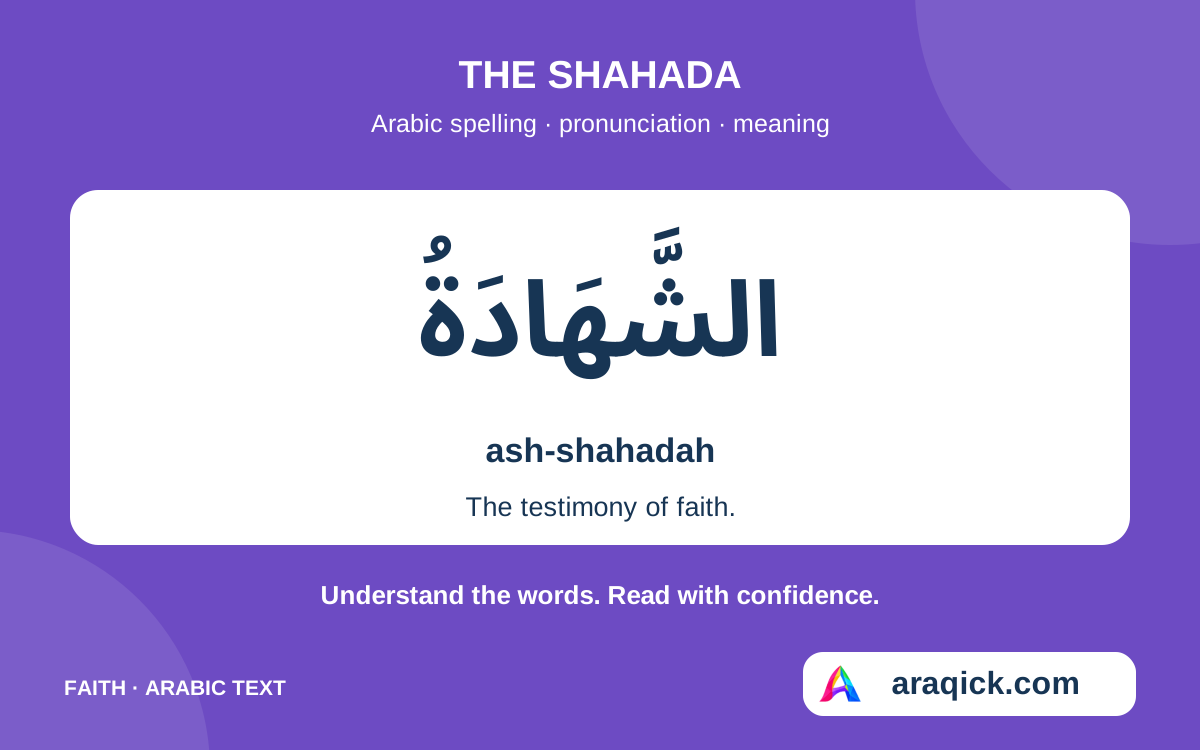
The Shahada is Islam’s declaration of faith. شَهَادَةٌ means “testimony.” Its two clauses affirm that Allah alone is worthy of worship and that Muhammad is Allah’s messenger. Learn the full Arabic wording, its pronunciation and the difference between the testimony noun and a similarly transliterated watching verb.
01Read the two-part declaration
The Shahada joins two statements of faith: the first concerns Allah alone, and the second identifies Muhammad as Allah’s messenger. A common full form repeats “I bear witness” before each statement. Read the clauses separately before joining them.
أَشْهَدُ أَنْ لَا إِلَهَ إِلَّا اللَّهُ، وَأَشْهَدُ أَنَّ مُحَمَّدًا رَسُولُ اللَّهِ
ashhadu an la ilaha illallah, wa ashhadu anna Muhammadan rasulullah
I bear witness that there is no deity worthy of worship except Allah, and I bear witness that Muhammad is Allah’s messenger.
The words about worship explain the religious force of the first clause; the literal construction is “no deity except Allah.”
02Understand the key words
أَشْهَدُ (ashhadu) means “I testify” or “I bear witness.” The opening a identifies the speaker as “I.” إِلَهٌ (ilah) is a deity, while اللَّهُ is Allah. The pattern لَا … إِلَّا excludes other possibilities and then names the exception.
In the second clause, مُحَمَّدًا names Muhammad and رَسُولُ اللَّهِ means “Allah’s messenger.” These words express a relationship; they do not mean that Muhammad is divine. The first reference chart groups the wording into meaningful units rather than making you memorise isolated letters.
03Practise the pronunciation in short units
Start with ashhadu. Its beginning contains sh followed by h: شْهَ. Keep both sounds. In ilaha, the middle a is long. The doubled l in illa needs a short hold; it is not the same sound pattern as ilah.
Practise four chunks: ashhadu an / la ilaha illallah / wa ashhadu anna / Muhammadan rasulullah. Plain transliteration is a memory aid, so use the Arabic vowel marks and a clear recording together. A final case vowel may be dropped when pausing; that does not remove the word’s last written consonant.
04Notice an and anna
The first clause uses أَنْ (an), with a still n, before لَا. The second uses أَنَّ (anna), with a doubled n, before Muhammad. They both help introduce a statement, but their grammatical structures differ.
Anna gives the following noun the accusative ending, which explains Muhammadan in this full wording. The expression rasulu Allah is a noun phrase: messenger is followed by Allah in the genitive. For a gentle introduction to this pattern, read inna and its noun and compare the marked endings.
05Recognise its religious context
Shahada is an Islamic declaration of faith, rather than a general greeting. Sahih Muslim 8a includes its two beliefs when explaining Islam. Sahih Muslim 385 also records the two testimony clauses in the call to prayer.
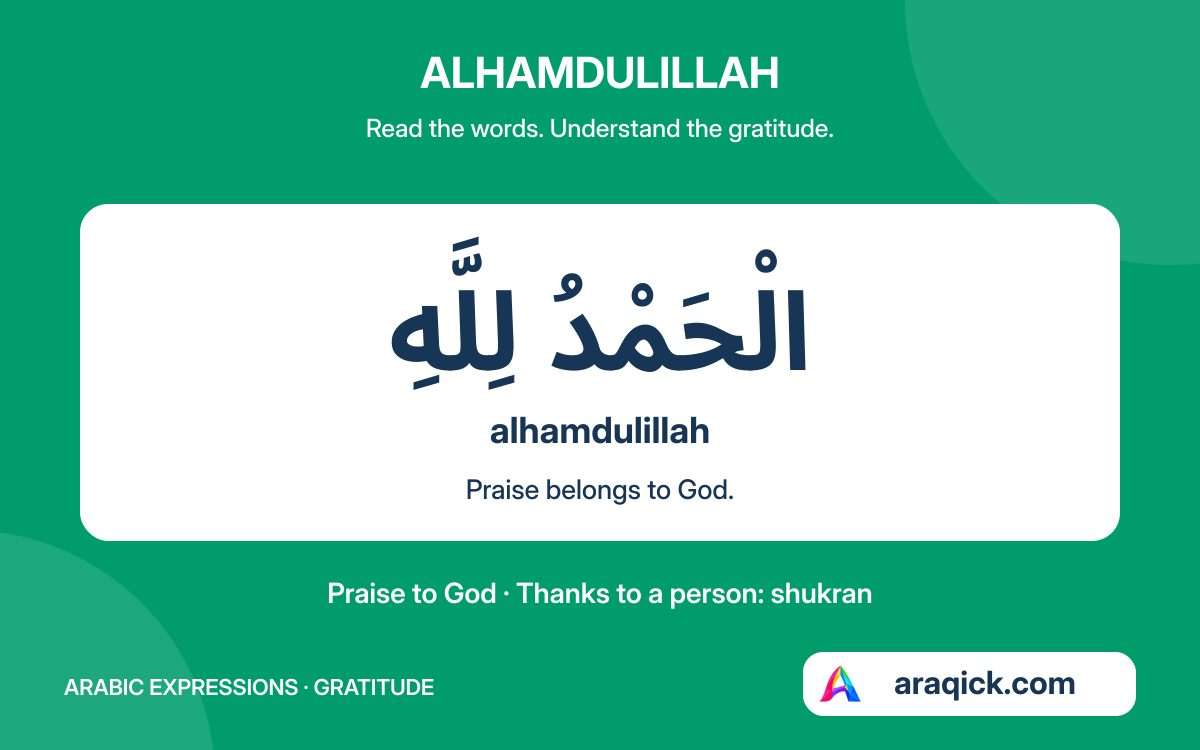
You may see a shorter written statement without the repeated ashhadu. Recognise what it says while keeping the full first-person form distinct. This language guide explains the wording; a list of expressions such as alhamdulillah serves a different purpose from learning the declaration.
06Shahada and shahada: check the Arabic
The noun شَهَادَةٌ (shahadah) means testimony or witness-bearing. Its ordinary unvowelled form is شهادة. The final letter is ta marbutah, often heard as ah when pausing.
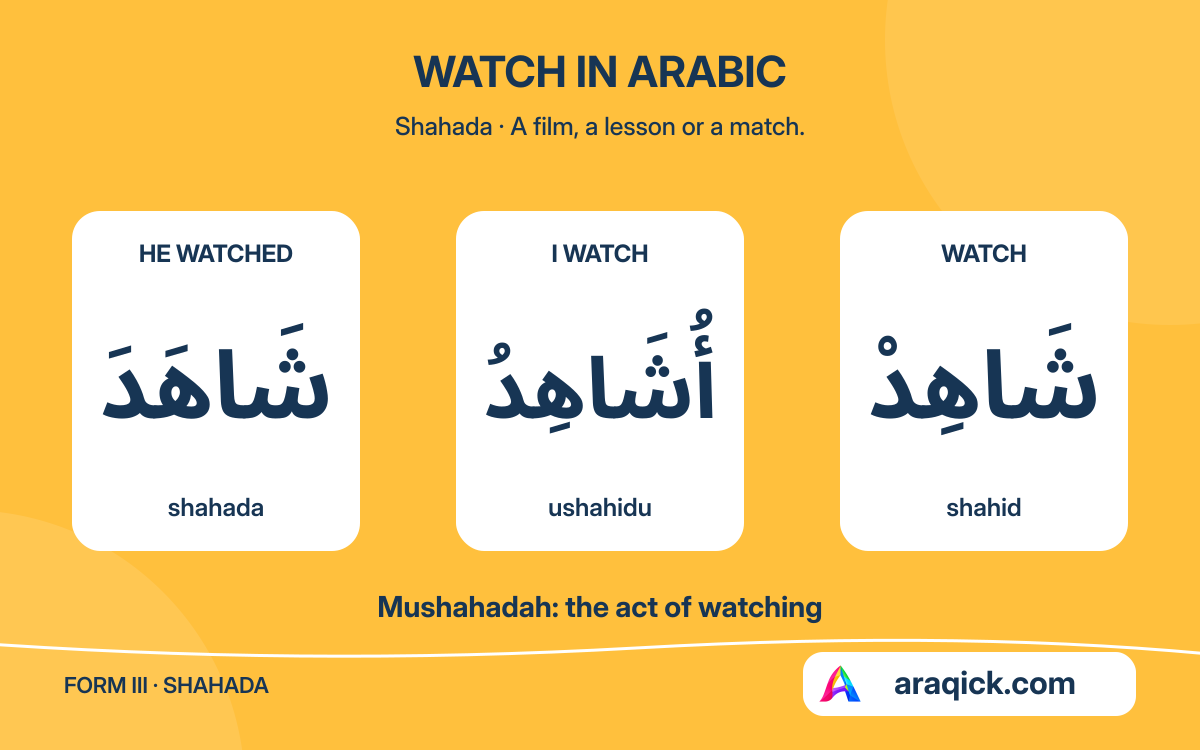
Do not confuse it with شَاهَدَ (shahada), “he watched,” which has a long alif after sh and no ta marbutah. English spellings can hide that difference. Compare our watching verb guide, then identify the actual Arabic spelling before deciding the meaning. This small habit prevents an easy search-result misunderstanding.
What to remember
- The Shahada contains two connected testimonies about Allah and Muhammad’s messengerhood.
- Ashhadu means I bear witness; an and anna introduce different clause structures.
- The testimony noun شَهَادَةٌ differs from the verb شَاهَدَ, he watched.
Your reference shelf
Open a guide whenever you need it.
The declaration in meaningful unitsUse the two clauses as a reading guide.
| Arabic unit | Plain reading | Meaning |
|---|---|---|
| أَشْهَدُ أَنْ | ashhadu an | I bear witness that |
| لَا إِلَهَ إِلَّا اللَّهُ | la ilaha illa Allah | No deity except Allah |
| وَأَشْهَدُ أَنَّ | wa ashhadu anna | And I bear witness that |
| مُحَمَّدًا رَسُولُ اللَّهِ | Muhammadan rasulu Allah | Muhammad is Allah’s messenger |
Similar English spellings, different ArabicThe alif and final ta marbutah distinguish these words.
| Arabic | Plain reading | Role |
|---|---|---|
| شَهَادَةٌ | shahadah | Testimony; a noun |
| أَشْهَدُ | ashhadu | I testify; a verb |
| شَاهَدَ | shahada | He watched; a different verb pattern |
| رَسُولٌ | rasul | Messenger; a noun |
Sources & further learning
References for the language explanations and learning guidance.