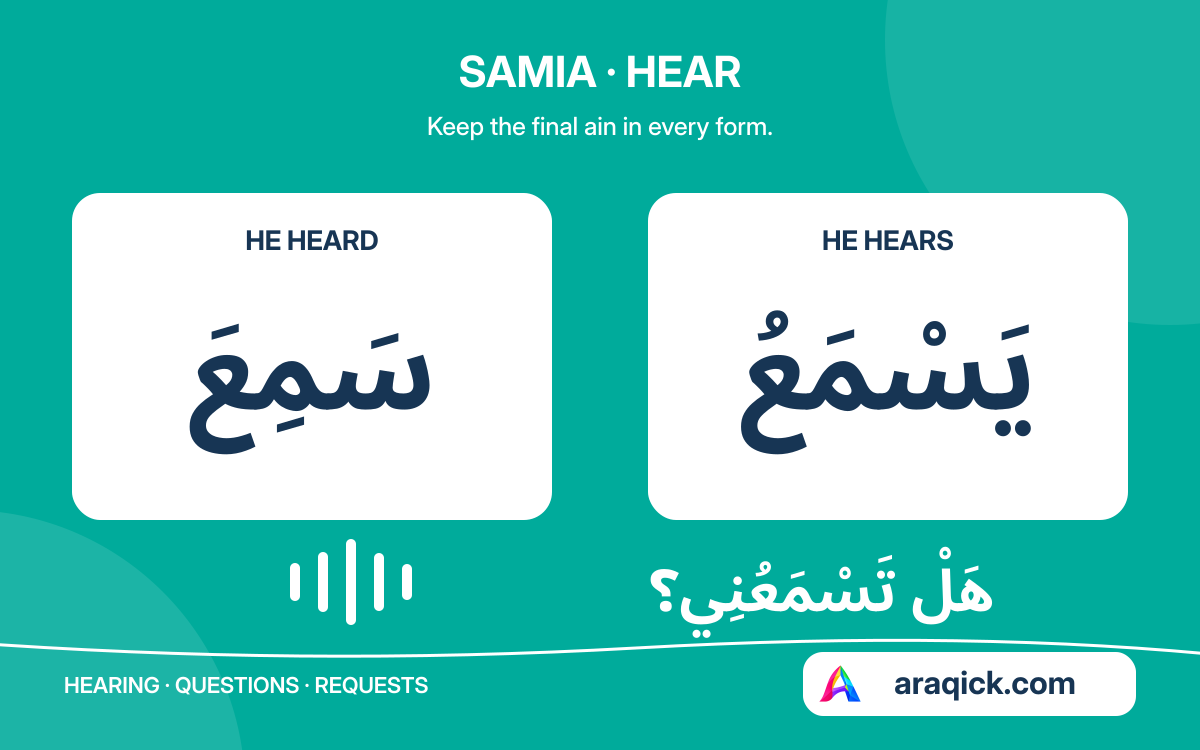
Samia means he heard, and yasmau means he hears. The root س م ع ends with ain, a consonant that should not disappear just because the simple English reading aid has no special symbol for it. Practise the verb with a sound, a question and a request to hear someone out.
01Identify the sound that was heard
سَمِعَ صَوْتًا فِي الْمَمَرِّ
samia sawtan fi almamarri
He heard a sound in the corridor.
Sawtan is the thing heard and is accusative. Fi almamarri gives the location. Samia can take the sound directly, so this sentence needs no preposition between heard and a sound.
The middle consonant m has kasrah in the past. Keep the final ain as part of the stem when a suffix is added.
02Add I and we to the past stem
سَمِعْتُ صَوْتَ الْمَطَرِ
samitu sawta almatari
I heard the sound of rain.
Samitu means I heard. Ain has sukun before tu; the simple reading aid does not represent ain fully. The Arabic سَمِعْتُ therefore matters more than an English-letter approximation.
We heard is سَمِعْنَا (samina), and she heard is سَمِعَتْ (samiat). The suffix distinguishes who heard the sound without changing the root.
03Ask whether someone hears you
هَلْ تَسْمَعُنِي؟
hal tasmauni
Can you hear me? — to one man
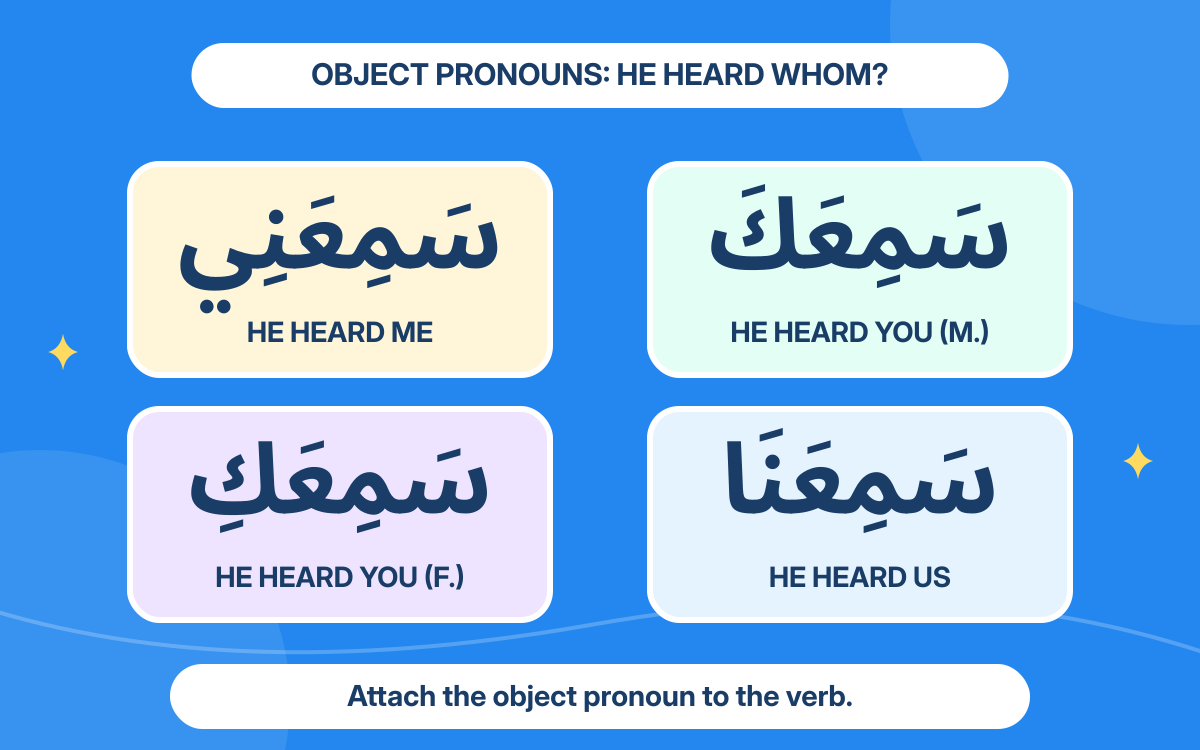
Tasmau identifies the male listener in this question. The attached ni means me. This is a natural English can-you-hear question even though Arabic has no separate ability verb in the sentence.
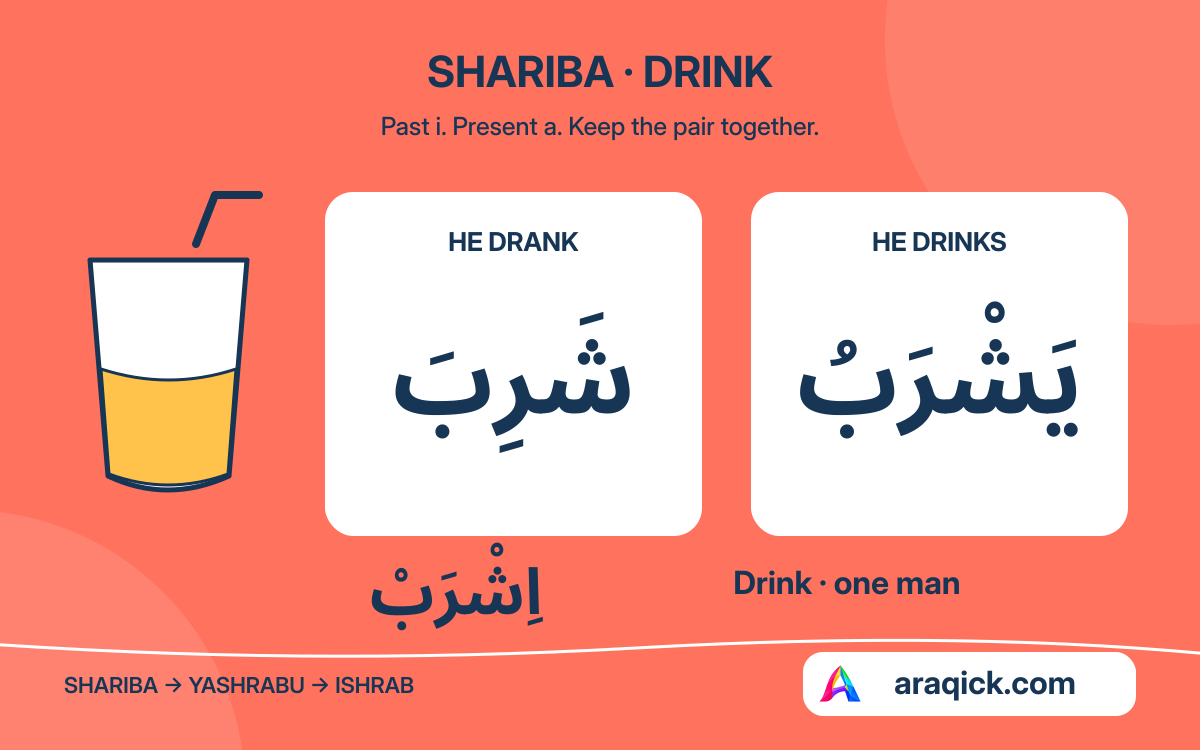
The present stem uses a on m: yasmau, as opposed to past samia with i. I hear is أَسْمَعُ; we hear is نَسْمَعُ. See object pronouns for the attached me ending.
04Make a useful hear–listen distinction
اِسْتَمَعْتُ إِلَى شَرْحِ الْمُعَلِّمِ
istamatu ila sharhi almuallimi
I listened to the teacher’s explanation.
Istamaa ila is useful when you want to emphasise deliberately listening. Samia commonly reports hearing a sound or words. Context can overlap, so this is a practical distinction rather than a claim that samia never implies attention.
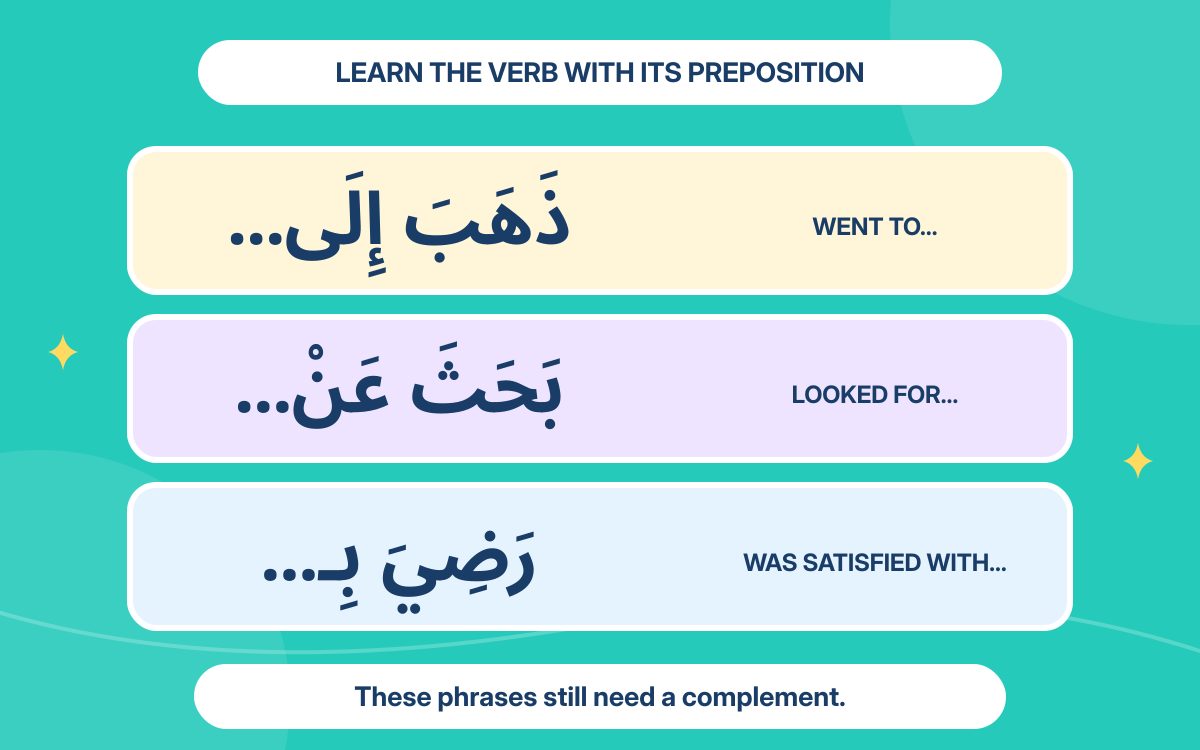
Notice the different construction: istamaa ila introduces its target with ila. Do not assume that related verbs always take the same preposition.
05Request a hearing or deny one
اِسْمَعْ كَلَامِي
isma kalami
Hear what I have to say. — to one man
لَمْ أَسْمَعْ كَلَامَكَ
lam asma kalamaka
I did not hear what you said. — to one man
Isma is the direct command; lam asma is a past denial using a jussive imperfect. Both end with ain carrying sukun, but their starts identify different grammatical forms.
Compare shariba for another i–a pair and verbs with prepositions for listening constructions. The command table extends isma to other listeners.
What to remember
- Samia–yasmau has past i and present a; final ain remains a root consonant.
- Samia can take the sound directly, and ni identifies me as an object.
- Istamaa ila often emphasises deliberate listening; choose the construction in context.
Your reference shelf
Open a guide whenever you need it.
Hear: past and present formsPast and ordinary indicative present; use the lesson for other moods
| Person | Past | Present |
|---|---|---|
| He | سَمِعَ | يَسْمَعُ |
| They: two men | سَمِعَا | يَسْمَعَانِ |
| They: male or mixed group | سَمِعُوا | يَسْمَعُونَ |
| She | سَمِعَتْ | تَسْمَعُ |
| They: two women | سَمِعَتَا | تَسْمَعَانِ |
| They: female group | سَمِعْنَ | يَسْمَعْنَ |
| You: one man | سَمِعْتَ | تَسْمَعُ |
| You: two people | سَمِعْتُمَا | تَسْمَعَانِ |
| You: male or mixed group | سَمِعْتُمْ | تَسْمَعُونَ |
| You: one woman | سَمِعْتِ | تَسْمَعِينَ |
| You: female group | سَمِعْتُنَّ | تَسْمَعْنَ |
| I | سَمِعْتُ | أَسْمَعُ |
| We | سَمِعْنَا | نَسْمَعُ |
The dual you form serves two listeners of either gender. Shared spellings depend on context. The present column is indicative; do not use it unchanged after every mood particle.
Commands by listenerMatch the complete command to the listener
| Listener | Command |
|---|---|
| One man | اِسْمَعْ |
| One woman | اِسْمَعِي |
| Two people | اِسْمَعَا |
| Male or mixed group | اِسْمَعُوا |
| Female group | اِسْمَعْنَ |
The dual command serves two listeners of either gender. A final alif after group waw is silent; the dual alif is pronounced.
Sources & further learning
References for the language explanations and learning guidance.