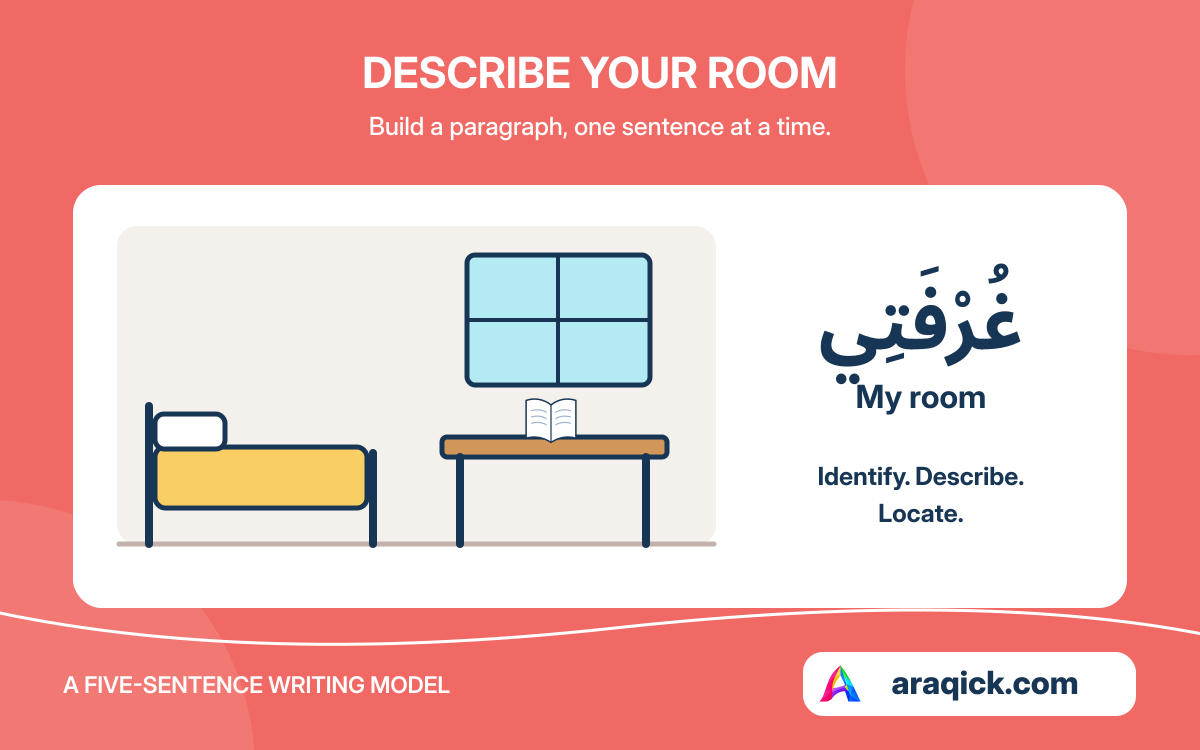
You can describe a room with five small steps: identify it, give one description, name something inside, locate an object and describe its state. The model below uses simple Modern Standard Arabic sentences that you can adapt to your own room.
01Identify your room
هَذِهِ غُرْفَتِي
hadhihi ghurfati
This is my room.
Ghurfa means room. Adding the attached ya makes ghurfati, my room. The taa marbuta of غُرْفَةٌ appears as a written ta before the suffix: غُرْفَتِي.
Use hadhihi because ghurfa is feminine. The form does not depend on whether the person describing the room is male or female.
02Give one clear description
غُرْفَتِي صَغِيرَةٌ
ghurfati saghiratun
My room is small.
Saghiratun is the feminine form of small. It matches the noun room. You could use كَبِيرَةٌ (kabiratun, large) or نَظِيفَةٌ (nadhifatun, clean) instead.
This sentence gives information about a particular room. English uses is; Arabic needs no separate present-tense word for is in this pattern. Say one thing clearly before adding more details.
03Say what is inside
فِي غُرْفَتِي سَرِيرٌ
fi ghurfati sarirun
There is a bed in my room.
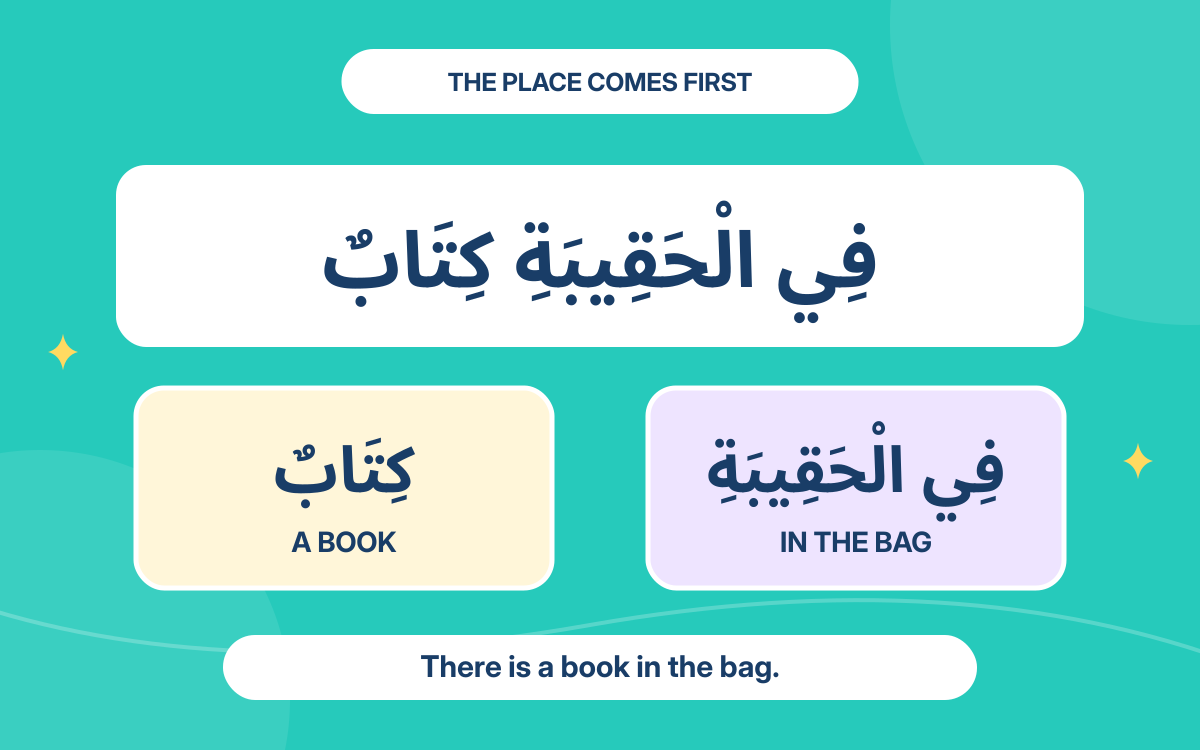
The location comes first: fi ghurfati, in my room. Sarirun introduces a bed that exists there. English naturally uses there is.
You can replace sarirun with مَكْتَبٌ (maktabun, a desk) or كُرْسِيٌّ (kursiyyun, a chair). Keep the new item indefinite in these model sentences.
Although fi is at the start, the bed is not the object of fi. The preposition belongs with ghurfati.
04Locate a particular object
الْكِتَابُ عَلَى الْمَكْتَبِ
alkitabu ala almaktabi
The book is on the desk.
Now the sentence begins with a known object: the book. The location phrase answers where it is. Almaktabi is genitive after ala.
Notice the difference: “There is a bed in my room” introduces an item; “The book is on the desk” locates an identified item. These patterns help your paragraph move from the room to its contents.
05Finish with a state and read it together
النَّافِذَةُ مَفْتُوحَةٌ
annafidhatu maftuhatun
The window is open.
Nafidha, window, is feminine, so open is maftuhatun here. Compare the masculine door: الْبَابُ مَفْتُوحٌ (albabu maftuhun).
هَذِهِ غُرْفَتِي.
غُرْفَتِي صَغِيرَةٌ.
فِي غُرْفَتِي سَرِيرٌ.
الْكِتَابُ عَلَى الْمَكْتَبِ.
النَّافِذَةُ مَفْتُوحَةٌ.
Use this original model as a starting point. Change one description and one object to match a real room. Check the new noun’s gender and its role before choosing the ending.
The rooms and furniture guide gives more vocabulary. Keep your first paragraph short enough that you can explain every sentence.
What to remember
- Ghurfati means my room and takes feminine agreement.
- Use fi plus the room to introduce what is inside.
- A known object can come first when you want to say where it is.
Your reference shelf
Open a guide whenever you need it.
Your paragraph builderFive sentence jobs with the complete model
| Job | Arabic model | Meaning |
|---|---|---|
| Identify | هَذِهِ غُرْفَتِي. | This is my room. |
| Describe | غُرْفَتِي صَغِيرَةٌ. | My room is small. |
| Introduce an item | فِي غُرْفَتِي سَرِيرٌ. | There is a bed in my room. |
| Locate an item | الْكِتَابُ عَلَى الْمَكْتَبِ. | The book is on the desk. |
| Describe its state | النَّافِذَةُ مَفْتُوحَةٌ. | The window is open. |
هَذِهِ غُرْفَتِي.
hadhihi ghurfati
This is my room.
غُرْفَتِي صَغِيرَةٌ.
ghurfati saghiratun
My room is small.
فِي غُرْفَتِي سَرِيرٌ.
fi ghurfati sarirun
There is a bed in my room.
الْكِتَابُ عَلَى الْمَكْتَبِ.
alkitabu ala almaktabi
The book is on the desk.
النَّافِذَةُ مَفْتُوحَةٌ.
annafidhatu maftuhatun
The window is open.
Sources & further learning
References for the language explanations and learning guidance.