A spoon is milaqa, a plate is tabaq, and a cup is kub. These small words are useful when naming objects in a kitchen or asking where something is. Learn ten everyday items in Modern Standard Arabic, then put one of them into a short question.
01Start with spoon and fork
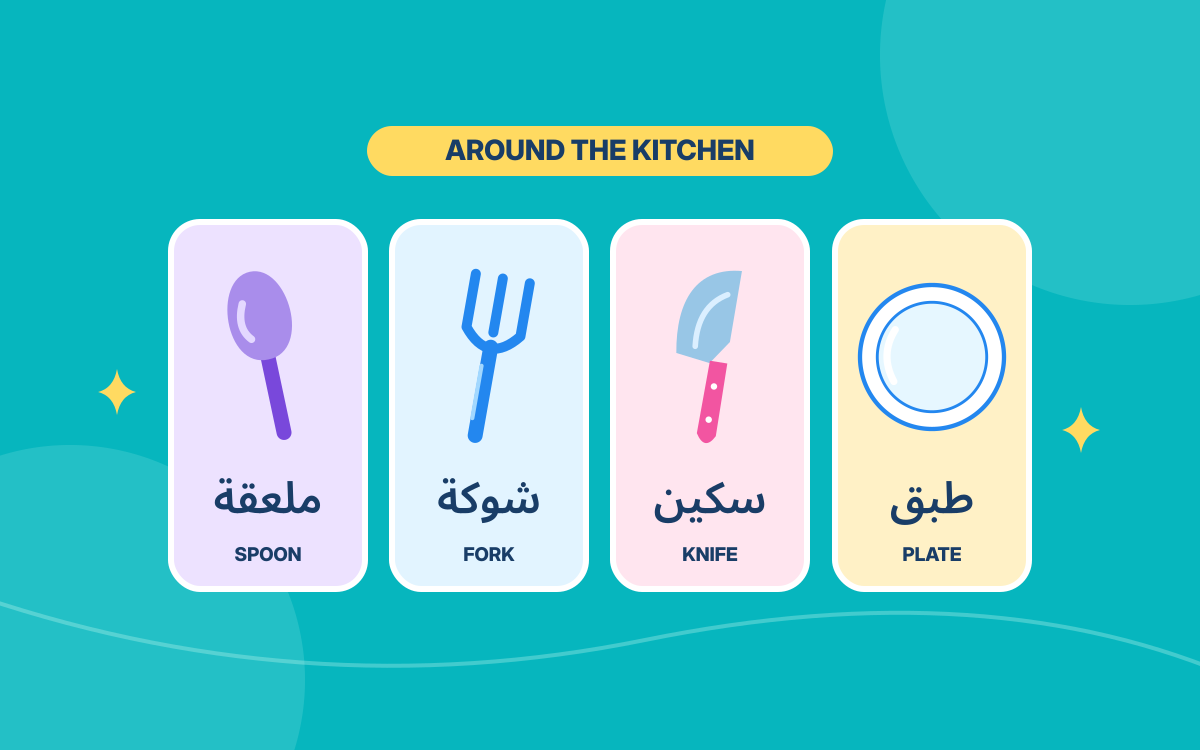
milaqa
Spoon
shawka
Fork
Milaqa names a spoon; shawka names a fork in this kitchen context. These are singular object names, so each card represents one item.
Connect the Arabic word with the object’s shape. A spoon has a bowl; a fork has tines. Naming the object is the first step before asking for it.
02Add a plate and a cup
tabaq
Plate
kub
Cup
Tabaq means plate or dish. Kub means cup and can also describe a drinking glass. The picture shows one common kind of cup; having a handle is not part of the word’s meaning.
هَذَا كُوب
hadha kub
This is a cup.
Hadha means this with a masculine noun. Kub is masculine, so it fits the pattern. No separate word for is or a is needed here.
03Recognise a knife and a bottle
sikkin
Knife
zujaja
Bottle
Sikkin is a knife. Zujaja is a bottle, commonly a glass bottle.
A bottle of water and an empty bottle can both be called zujaja. You can add a description later when the contents or material matter. First make sure you can recognise the basic noun.
04Keep pot and pan distinct
qidr
Cooking pot
miqla
Frying pan
Qidr means a cooking pot. Miqla means a frying pan. Both belong among cooking vessels, but they are not the same object name.
- Qidr: a pot, often deeper.
- Miqla: a frying pan, usually shallow.
- Choose the word for the vessel actually named in the message.
You may hear regional alternatives for kitchen items. This lesson keeps one standard term for each object so the questions remain consistent.
05Finish with kettle and fridge
ghallaya
Kettle
thallaja
Fridge
Ghallaya is a kettle; thallaja is a fridge or refrigerator. These complete the ten objects in the reference below.
أَيْنَ الْكُوب؟
ayna alkub
Where is the cup?
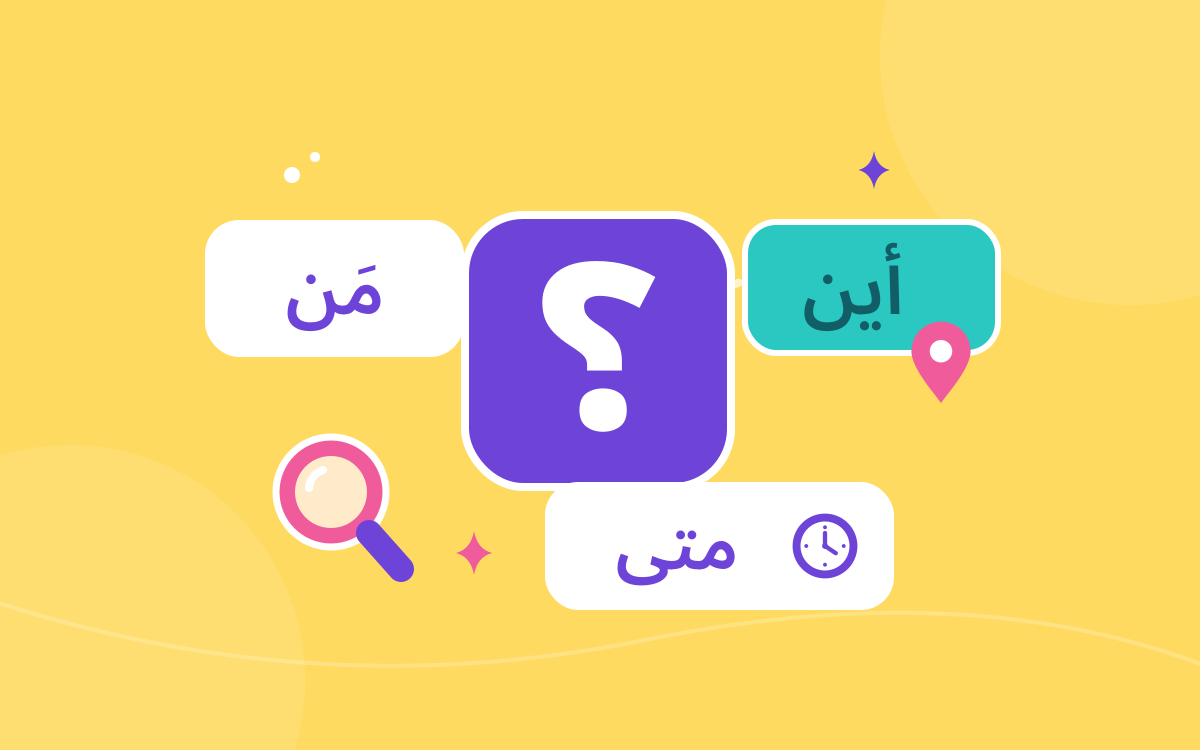
Ayna means where. Add al to kub when asking about the cup: alkub. The object stays after the question word in this simple pattern.
Practise the question as a complete unit, then identify the object before thinking about a reply.
What to remember
- Learn each kitchen noun with its object, including the difference between a spoon and a fork.
- Qidr is a cooking pot; miqla is a frying pan.
- Ayna alkub means Where is the cup? Al turns kub into the cup in this question.
Your reference shelf
Open a guide whenever you need it.
All ten kitchen objectsReview the singular object names
| Object | Arabic | Plain reading aid |
|---|---|---|
| Spoon | مِلْعَقَة | milaqa |
| Fork | شَوْكَة | shawka |
| Plate | طَبَق | tabaq |
| Cup | كُوب | kub |
| Knife | سِكِّين | sikkin |
| Bottle | زُجَاجَة | zujaja |
| Cooking pot | قِدْر | qidr |
| Frying pan | مِقْلَاة | miqla |
| Kettle | غَلَّايَة | ghallaya |
| Fridge | ثَلَّاجَة | thallaja |
These are general standard terms. Tabaq can mean plate or dish; kub can mean cup or drinking glass. Zujaja is commonly a glass bottle. Regional everyday words may differ, so learn a familiar local alternative alongside the standard word when you need it.
Sources & further learning
References for the language explanations and learning guidance.