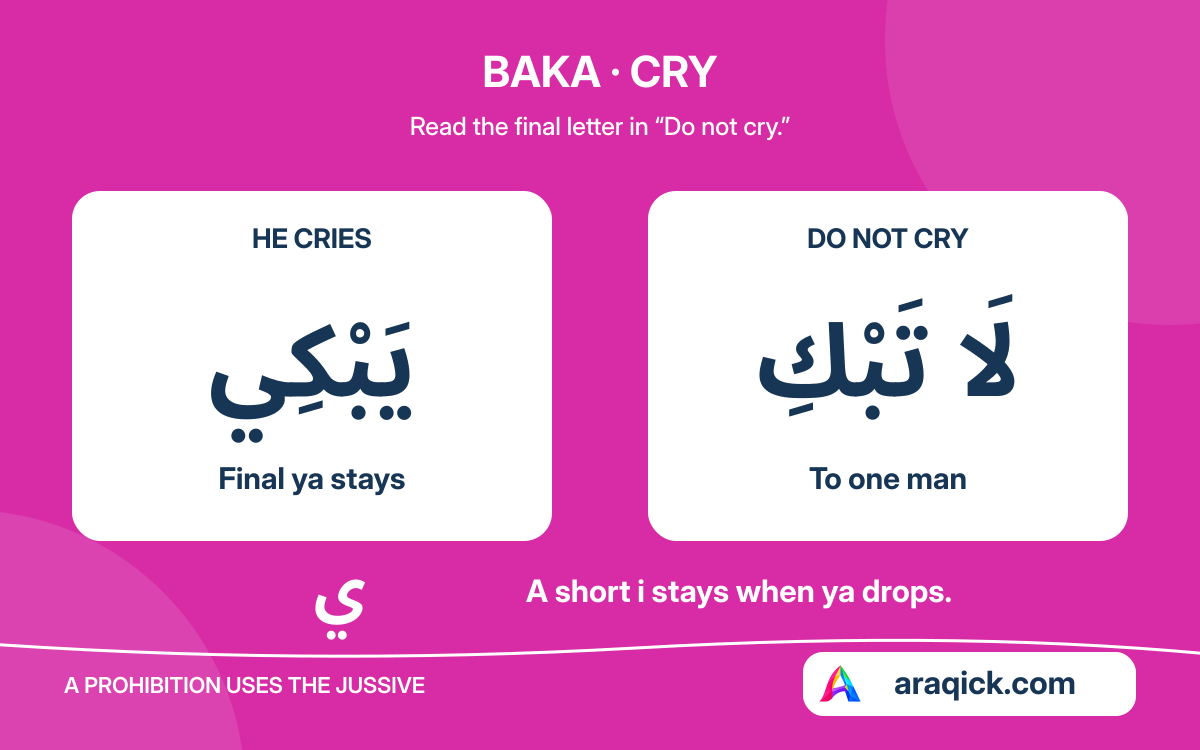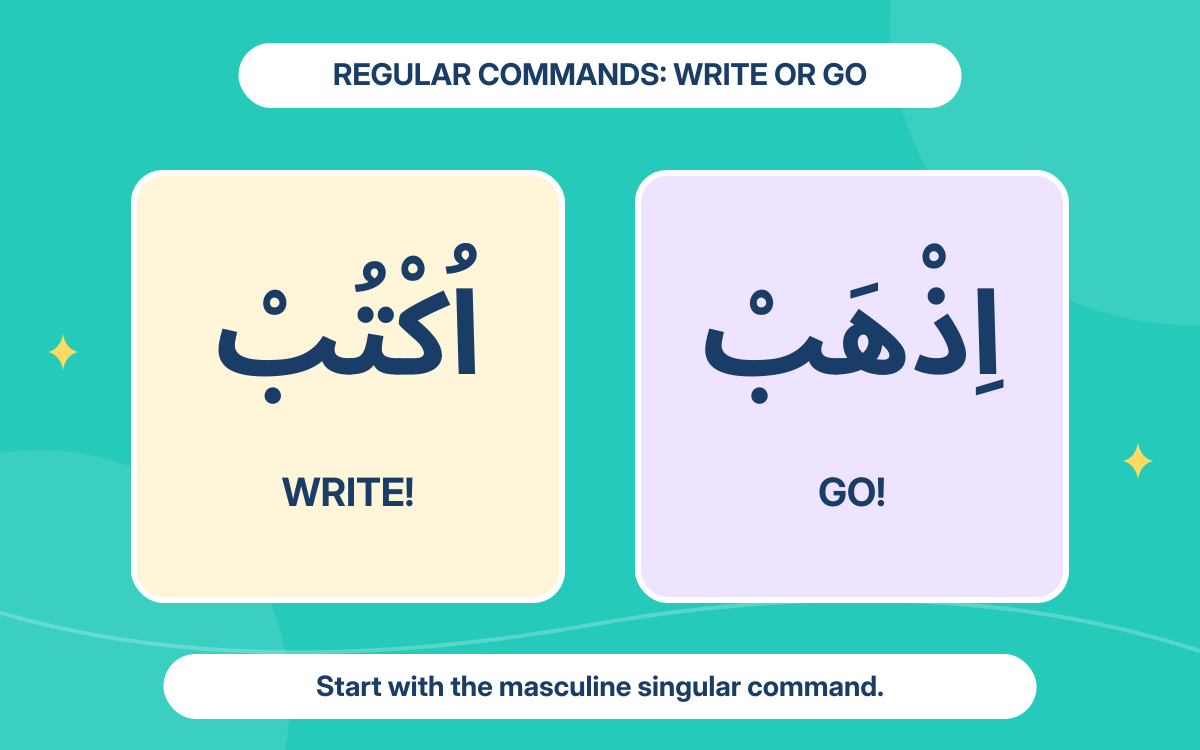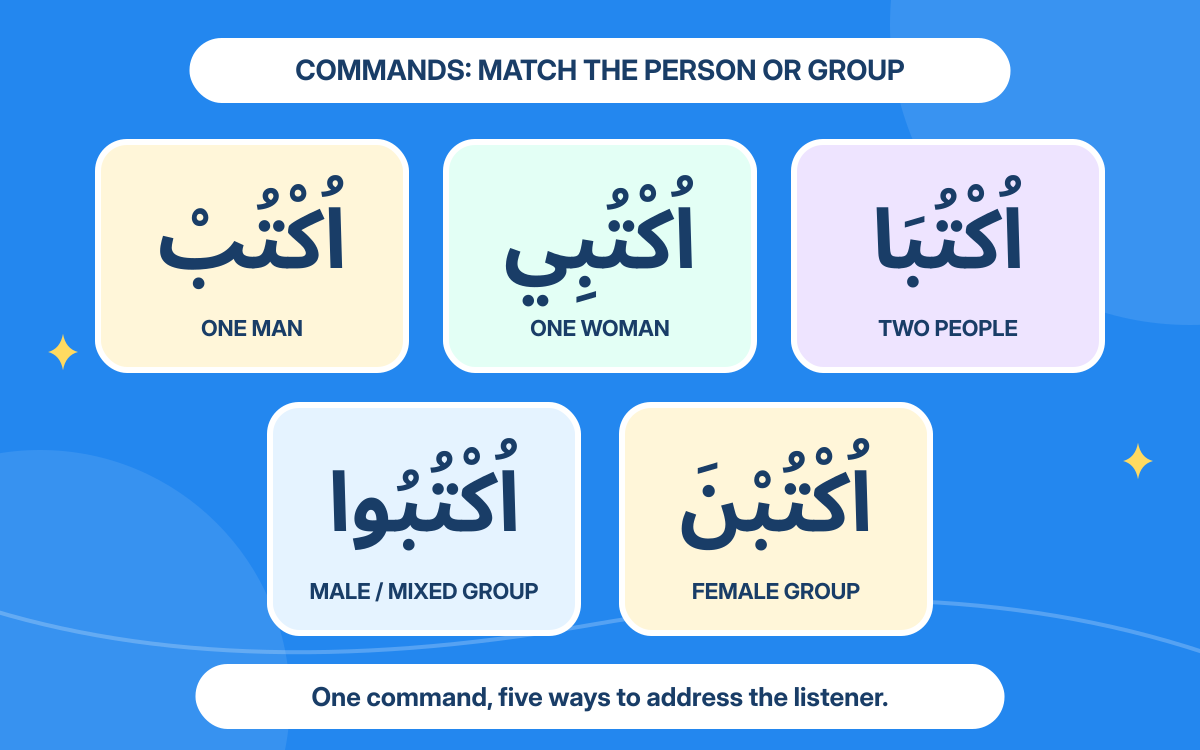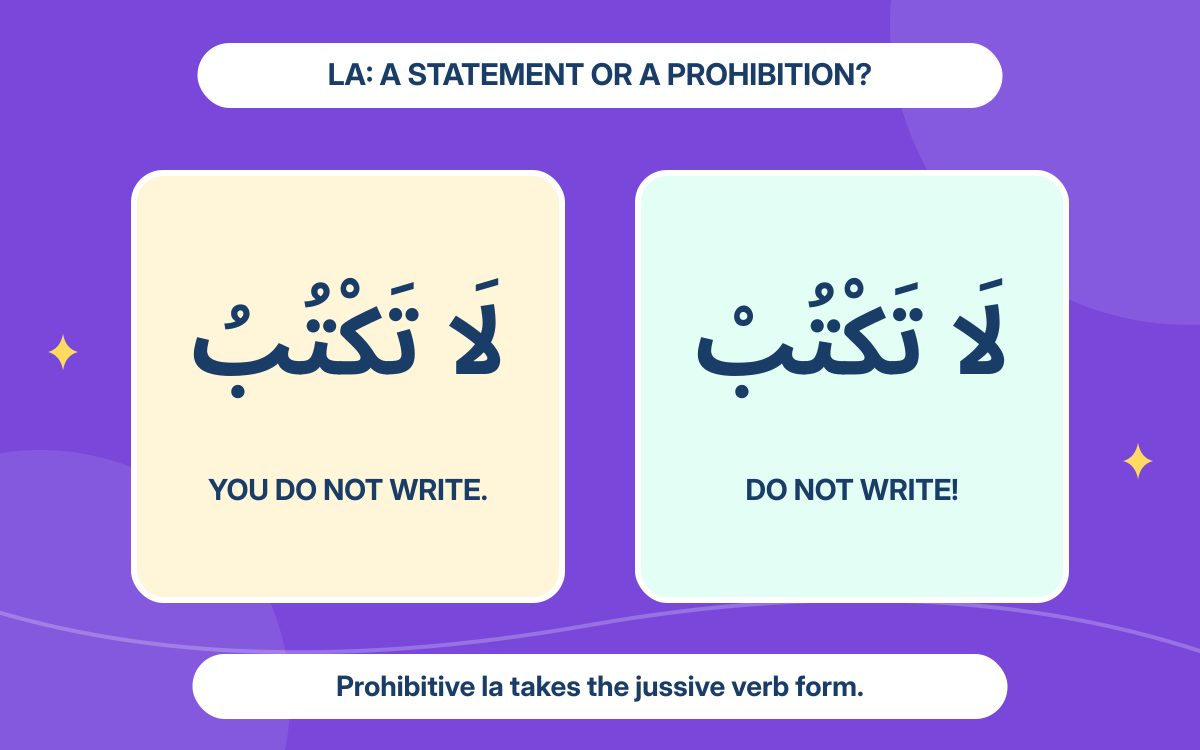
La can state that someone does not act, or tell a listener not to act. In these formal sound-verb examples, the ending helps distinguish the statement from the prohibition. Keep the present prefix when saying do not.
01Distinguish do not from does not
Addressing one male, لَا تَكْتُبُ states you do not write. Prohibitive la, la al nahiya, puts the present verb in the jussive mood: the final u becomes sukun in this sound singular verb.
لَا تَكْتُبْ
la taktub
Do not write. — to one male
Keep the present prefix ta. A positive instruction is اُكْتُبْ; its prohibition is la taktub, not la uktub.
02Address one woman
The present statement uses تَكْتُبِينَ. For a prohibition, remove its indicative nun and keep the feminine singular ya. The present prefix ta stays.
لَا تَكْتُبِي
la taktubi
Do not write. — to one female
The long i identifies one female listener. This form is jussive by deletion of nun, not by adding sukun after the ya.
03Address two people
For two listeners, change تَكْتُبَانِ to taktuba after prohibitive la. Remove the indicative nun and keep the dual alif. The same form addresses two males, two females or a mixed pair.
لَا تَكْتُبَا
la taktuba
Do not write. — to two people
The dual ending a identifies exactly two listeners. It is not the feminine plural form.
04Address a male or mixed group
For three or more male listeners or a mixed group, change تَكْتُبُونَ to taktubu after prohibitive la. The indicative nun disappears; the plural waw remains.
لَا تَكْتُبُوا
la taktubu
Do not write. — to a male or mixed group
The written alif after the plural waw is silent. The prohibition keeps ta and the plural long u.
05Keep the female group’s subject nun
For three or more women, retain the nun in taktubna. It is nun al niswa, the attached subject pronoun. The b already has sukun; the nun has fathah.
لَا تَكْتُبْنَ رِسَالَةً
la taktubna risalatan
Do not write a letter. — to a female group
This present verb is mabni on sukun, in the jussive position after prohibitive la. Its subject nun stays; it is not the removable mood nun of the five verbs.
What to remember
- Prohibitive la gives an instruction not to act and governs a jussive present verb.
- Keep the present prefix; remove the indicative nun in the feminine singular, dual and masculine plural forms.
- Retain the feminine plural subject nun in la taktubna.
Your reference shelf
Open a guide whenever you need it.
Compare prohibitions for all listenersKeep the present prefix and the correct subject ending
| Listeners | Prohibition | Reading |
|---|---|---|
| One male | لَا تَكْتُبْ | la taktub |
| Two males or a mixed pair | لَا تَكْتُبَا | la taktuba |
| Male or mixed group | لَا تَكْتُبُوا | la taktubu |
| One female | لَا تَكْتُبِي | la taktubi |
| Two females | لَا تَكْتُبَا | la taktuba |
| Female group | لَا تَكْتُبْنَ | la taktubna |
The singular sound verb marks the jussive with sukun. The feminine singular, dual and masculine plural forms mark it by deleting indicative nun. A present verb attached to feminine plural nun is mabni on sukun and occupies the jussive position here.
All examples in this guide directly address listeners. Ordinary negative la in a present statement does not itself cause the jussive. Weak-final and other exceptional verbs can have different jussive signs, so do not add sukun mechanically to every verb.
Sources & further learning
References for the language explanations and learning guidance.