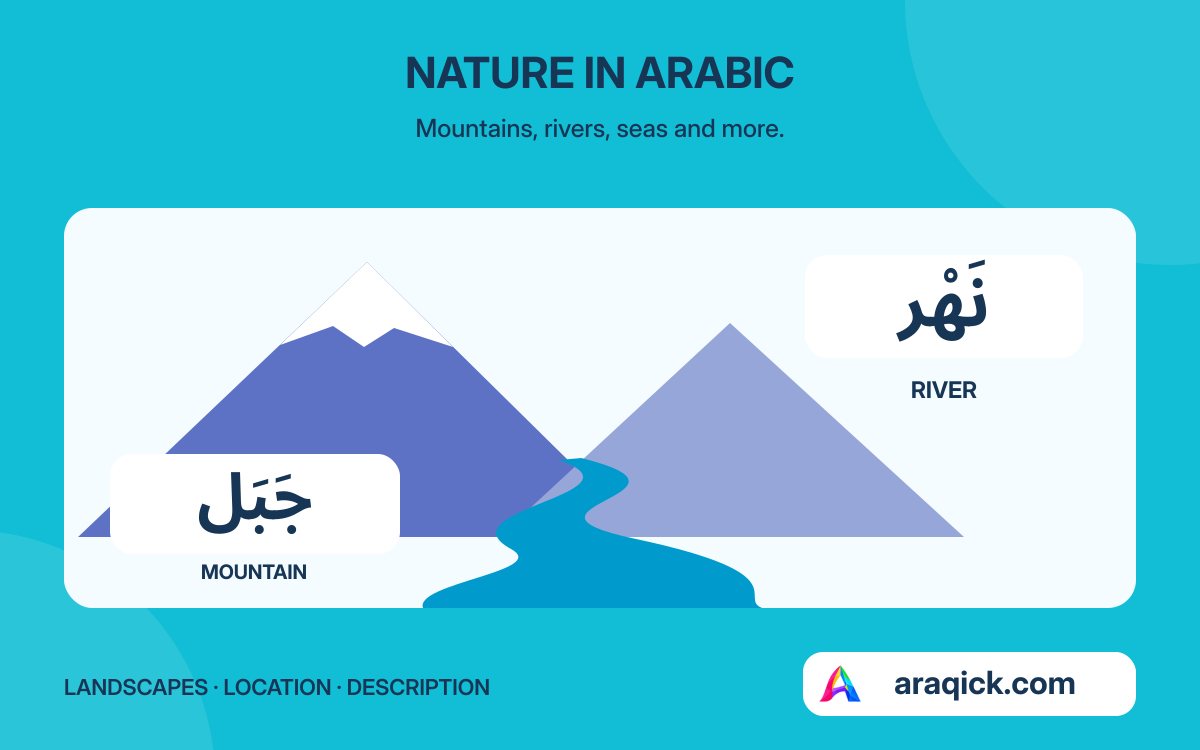
Arabic landscape words include جَبَل (jabal, mountain), نَهْر (nahr, river), بَحْر (bahr, sea), غَابَة (ghaba, forest), and صَحْرَاء (sahra, desert). Combine these names with a location or adjective to describe a place. The reference shelf adds lakes, islands, valleys, and other natural features.
01Start with land and water
jabal
A raised landform.
nahr
A flowing watercourse.
bahr
A large body of salt water.
Learn nahr and bahr as a contrast: they share their final letters but begin differently. Start from the meaning you want rather than choosing the word that looks most familiar.
02Say where the feature is
Modern Standard Arabic
النَّهْرُ بَيْنَ الْجَبَلَيْنِ
annahru bayna aljabalayn
The river is between the two mountains.
Bayna means between. Aljabalayn refers to two mountains in this phrase. The location explains how the features relate to one another. For simpler place expressions, review Arabic prepositions.
03Describe a lake or a forest
buhayra saghira
A feminine noun and adjective.
ghaba kabira
Another feminine description.
The feminine endings match the nouns. Compare جَبَل كَبِير (jabal kabir), “a large mountain,” with the masculine adjective. The vocabulary and the grammar work together in a description.
04Distinguish sea, ocean and lake
Bahr is sea; muhit is ocean; buhayra is lake. These are vocabulary distinctions, not promises about the exact boundaries or names used on every map. Learn the label needed for your message.
Modern Standard Arabic
الْبُحَيْرَةُ قَرِيبَةٌ مِنَ الْغَابَةِ
albuhayratu qaribatun mina alghaba
The lake is near the forest.
Qariba min introduces a relationship between two places.
05Notice the spelling of valley
wadin
A valley; the displayed indefinite form.
alwadi
The valley.
This noun has a special final weak-letter pattern. The ya is visible with al, while the displayed indefinite nominative or genitive form drops it and takes tanwin. Do not assume that every difference is a typing error. Learn both written forms.
06Use one common plural
Modern Standard Arabic
الْجِبَالُ بَعِيدَةٌ
aljibalu baida
The mountains are far away.
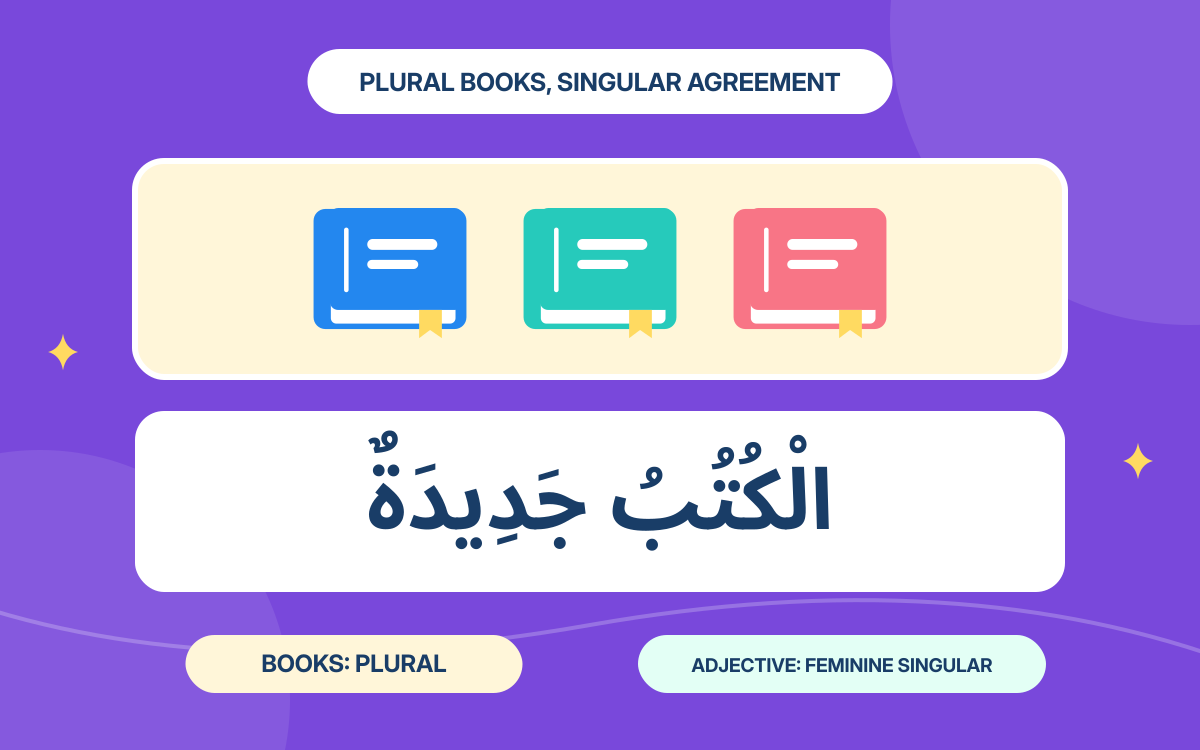
Jibal is the plural of jabal. The feminine singular adjective baida describes this nonhuman plural in ordinary MSA. The same agreement idea appears with rivers and other natural features; see nonhuman plural agreement.
07Build a two-detail description
Name a feature, add its location, and then add one clear description. A mountain can be far away; a lake can be small. Avoid adding a weather claim unless that is what you observed.
Modern Standard Arabic
الشَّاطِئُ هَادِئٌ الْيَوْمَ
ashshatiu hadi alyawm
The beach is quiet today.
Alyawm means today and makes this a time-specific observation. City destinations belong in places in the city; seasonal vocabulary belongs in seasons.
What to remember
- Nahr is river; bahr is sea; muhit is ocean; buhayra is lake.
- Match adjectives to their nouns and use ordinary nonhuman plural agreement.
- Wadin and alwadi show two written forms of valley.
Your reference shelf
Open a guide whenever you need it.
15 landscape wordsLandforms, water bodies and natural places.
| English | Arabic | Reading |
|---|---|---|
| Mountain | جَبَل | jabal |
| Hill | تَلّ | tall |
| Valley | وَادٍ | wadin |
| River | نَهْر | nahr |
| Sea | بَحْر | bahr |
| Ocean | مُحِيط | muhit |
| Lake | بُحَيْرَة | buhayra |
| Island | جَزِيرَة | jazira |
| Beach / shore | شَاطِئ | shati |
| Forest | غَابَة | ghaba |
| Desert | صَحْرَاء | sahra |
| Waterfall | شَلَّال | shallal |
| Cave | كَهْف | kahf |
| Plain | سَهْل | sahl |
| Oasis | وَاحَة | waha |
The displayed form وَادٍ is wadin in a full connected reading. The definite form الْوَادِي is alwadi; pausing and grammatical context affect the ending.
Sources & further learning
References for the language explanations and learning guidance.