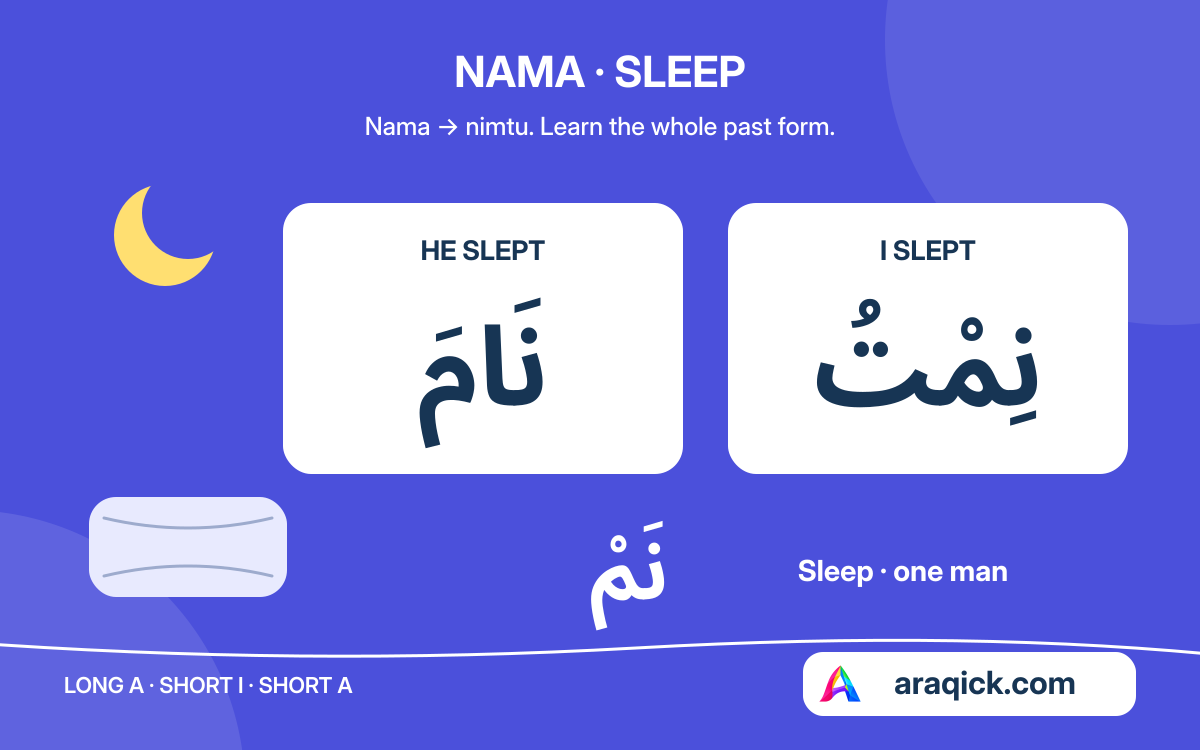
The Arabic verb for sleep changes from nama in the past he form to nimtu for I slept and yanamu for he sleeps. Its root is ن و م, making it a hollow verb. The useful lesson is to learn where the long middle a stays and where the stem becomes short.
01Start with sleep as an action
نَامَ مُبَكِّرًا
nama mubakkiran
He slept early.
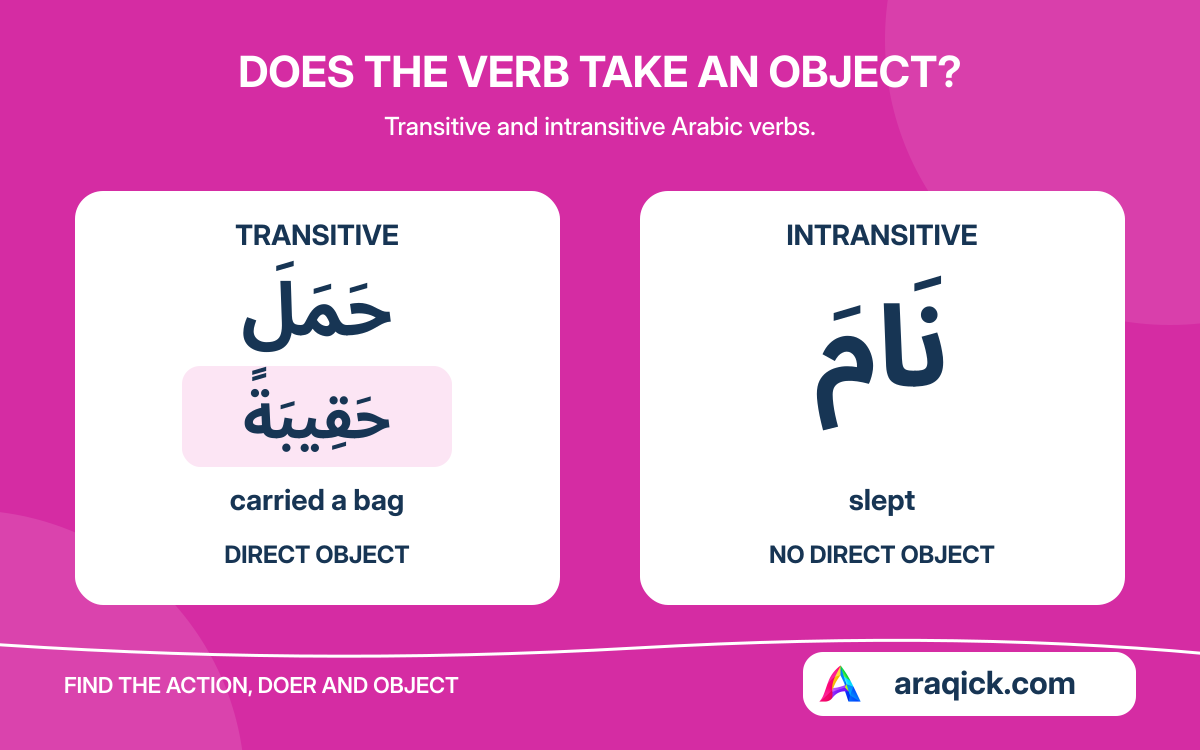
Nama is a verb: it reports the action of sleeping. Mubakkiran adds early. There is no direct object in this ordinary use; early describes when the sleeping happened.
The related noun النَّوْمُ means sleep. A dictionary may list the noun and the verb together, but they do different jobs in a sentence.
02Use nimtu for I slept
نِمْتُ مُبَكِّرًا — نِمْنَا هُنَا
nimtu mubakkiran — nimna huna
I slept early — We slept here
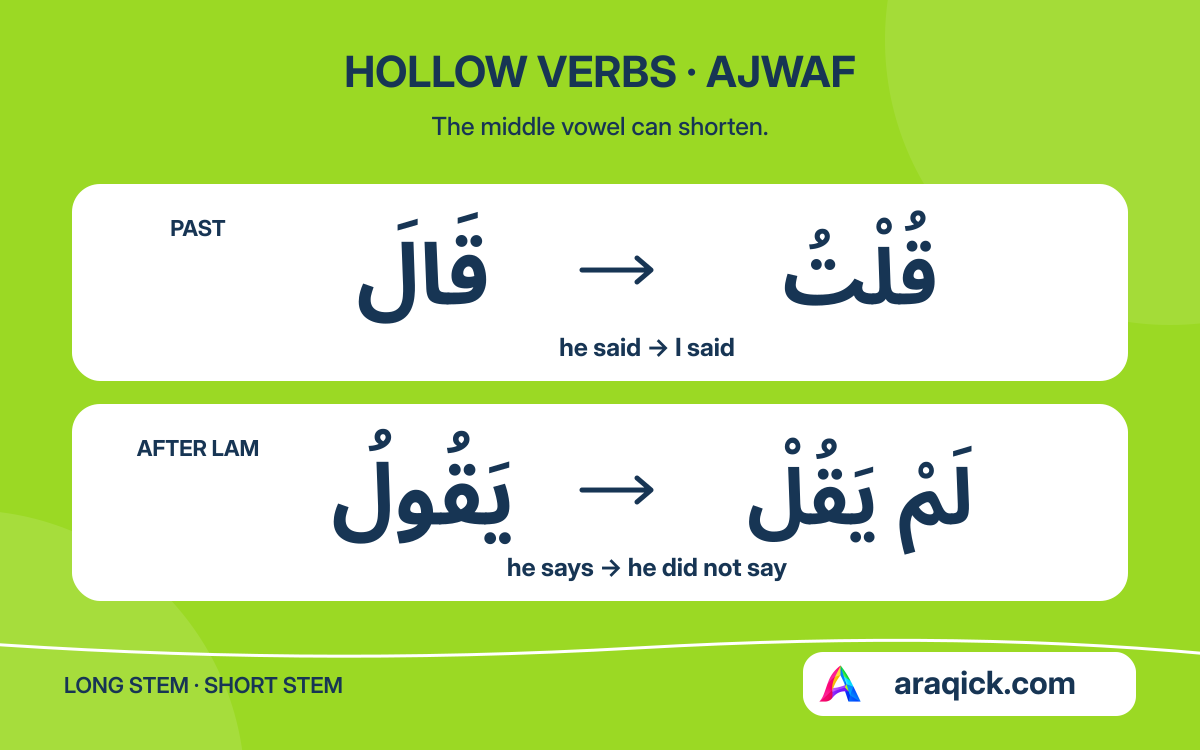
The long middle a of nama becomes short i before these past subject endings. Tu identifies I; na identifies we. This short vowel must be learned with the verb, rather than guessed from its root waw.
The forms نَامَتْ (she slept) and نَامُوا (they slept, male or mixed group) keep long a. Read the ending before choosing a stem.
03Keep long a in the ordinary singular present
أَنَامُ هُنَا — نَنَامُ مُبَكِّرًا
anamu huna — nanamu mubakkiran
I sleep here — We sleep early
The present uses long a in these forms. Anamu identifies I, yanamu identifies he, and nanamu identifies we. Unlike the past nimtu, there is no tu subject ending.
A female group uses يَنَمْنَ for they sleep. The short a before that subject nun is different from the short i in past nimtu. Tense and person both matter.
04Compare three useful negatives
لَمْ أَنَمْ — لَنْ أَنَامَ
lam anam — lan anama
I did not sleep — I will not sleep
The singular jussive after lam shortens the middle a. The subjunctive after lan keeps long a and changes the final m vowel to fathah.
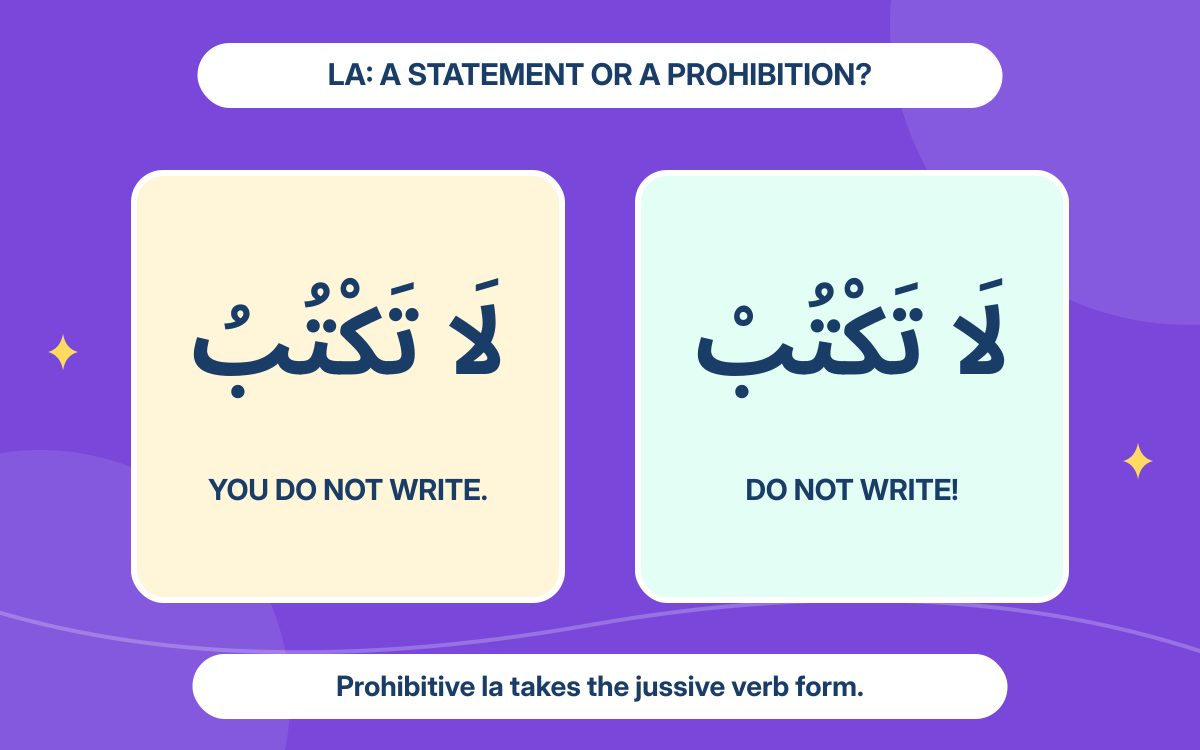
لَا تَنَمْ هُنَا
la tanam huna
Do not sleep here. — to one man
Prohibitive la also takes a jussive form. It requests that the listener avoid sleeping here; it is different from merely reporting a sleeping habit.
05Learn nam as a complete command
نَمْ جَيِّدًا
nam jayyidan
Sleep well. — to one man
Nam has a short a and needs no initial helping alif. For one woman use نَامِي (nami); for a male or mixed group use نَامُوا (namu). The female-group command is نَمْنَ.
Namu can also be the past they form. Context decides whether نَامُوا reports they slept or tells a group to sleep. Compare hollow verbs and do not commands. Plain readings simplify Arabic sounds and vowel length; the written alif makes the long stem visible.
What to remember
- Learn nama, nimtu, yanamu and nam as related complete forms.
- Past nimtu uses short i; singular jussive anam uses short a.
- Namu can be a past group form or a group command, depending on context.
Your reference shelf
Open a guide whenever you need it.
Sleep: past and present formsPast and ordinary indicative present; use the lesson for other moods
| Person | Past | Present |
|---|---|---|
| He | نَامَ | يَنَامُ |
| They: two men | نَامَا | يَنَامَانِ |
| They: male or mixed group | نَامُوا | يَنَامُونَ |
| She | نَامَتْ | تَنَامُ |
| They: two women | نَامَتَا | تَنَامَانِ |
| They: female group | نِمْنَ | يَنَمْنَ |
| You: one man | نِمْتَ | تَنَامُ |
| You: two people | نِمْتُمَا | تَنَامَانِ |
| You: male or mixed group | نِمْتُمْ | تَنَامُونَ |
| You: one woman | نِمْتِ | تَنَامِينَ |
| You: female group | نِمْتُنَّ | تَنَمْنَ |
| I | نِمْتُ | أَنَامُ |
| We | نِمْنَا | نَنَامُ |
The dual you form serves two listeners of either gender. Shared spellings depend on context. The present column is indicative; do not use it unchanged after every mood particle.
Commands by listenerCompare the whole form, including the weak letter or doubled consonant
| Listener | Command |
|---|---|
| One man | نَمْ |
| One woman | نَامِي |
| Two people | نَامَا |
| Male or mixed group | نَامُوا |
| Female group | نَمْنَ |
The female-group command namna has short a. Compare past nimna for they, a female group, which has short i. The vowelled Arabic distinguishes نَمْنَ from نِمْنَ.
Sources & further learning
References for the language explanations and learning guidance.