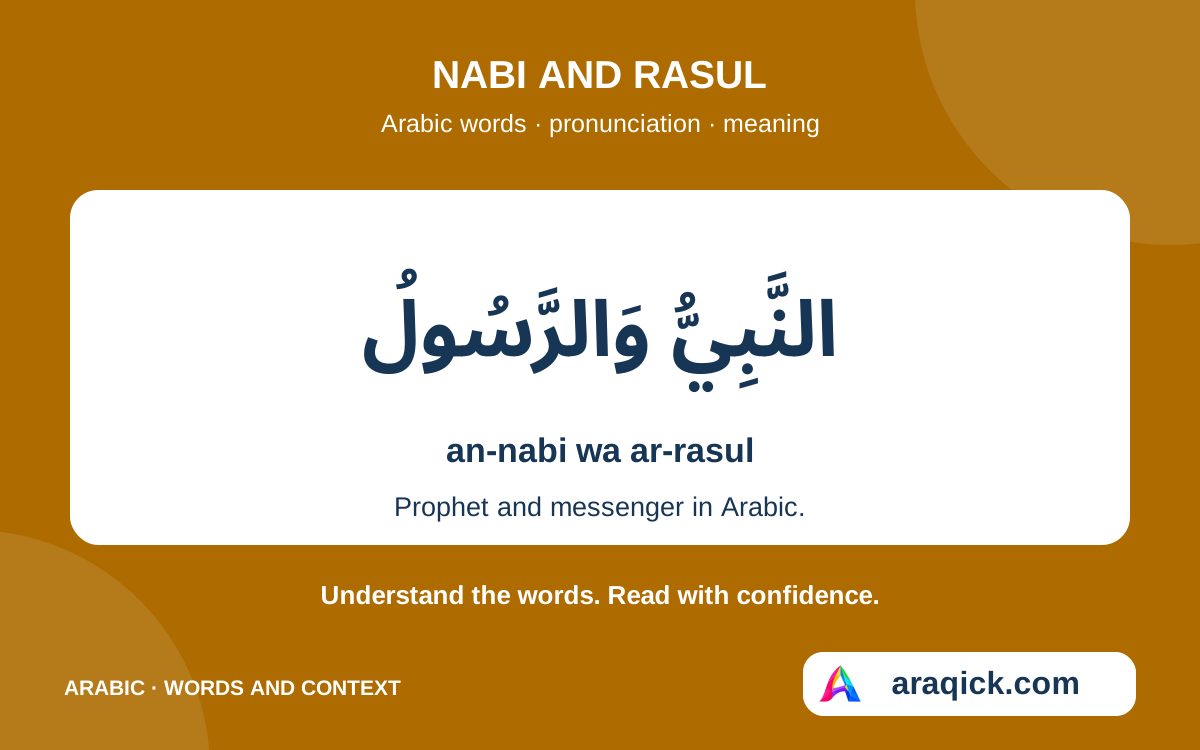
Nabi, نَبِيٌّ, means prophet; rasul, رَسُولٌ, means messenger. In Islamic contexts both can describe people chosen by God, and one person can be described with both terms. Rasul also has the wider language meaning of an envoy or messenger, so the surrounding passage matters.
01Nabi is the Arabic noun for prophet
نَبِيٌّ is commonly written nabi in English. A closer paused reading is nabiyy, with a doubled final y. The definite form النَّبِيُّ is read annabiyy at a pause because the article’s l assimilates to n. The spelling preserves the article even when its l is not separately pronounced.
In Islamic texts the word identifies a prophet, rather than anyone who offers advice or predicts an event. Learn the Arabic noun alongside the familiar English translation. Its religious use is more specific than a casual English phrase such as “a prophet of success” in an advertisement.
02Rasul centres on being a messenger
رَسُولٌ is read rasuul at a pause, with a long uu. It names a messenger or envoy. In a religious setting it can refer to a messenger of God. The related verb أَرْسَلَ, arsala, means he sent, while رِسَالَةٌ, risaalah at a pause, means a message or letter.
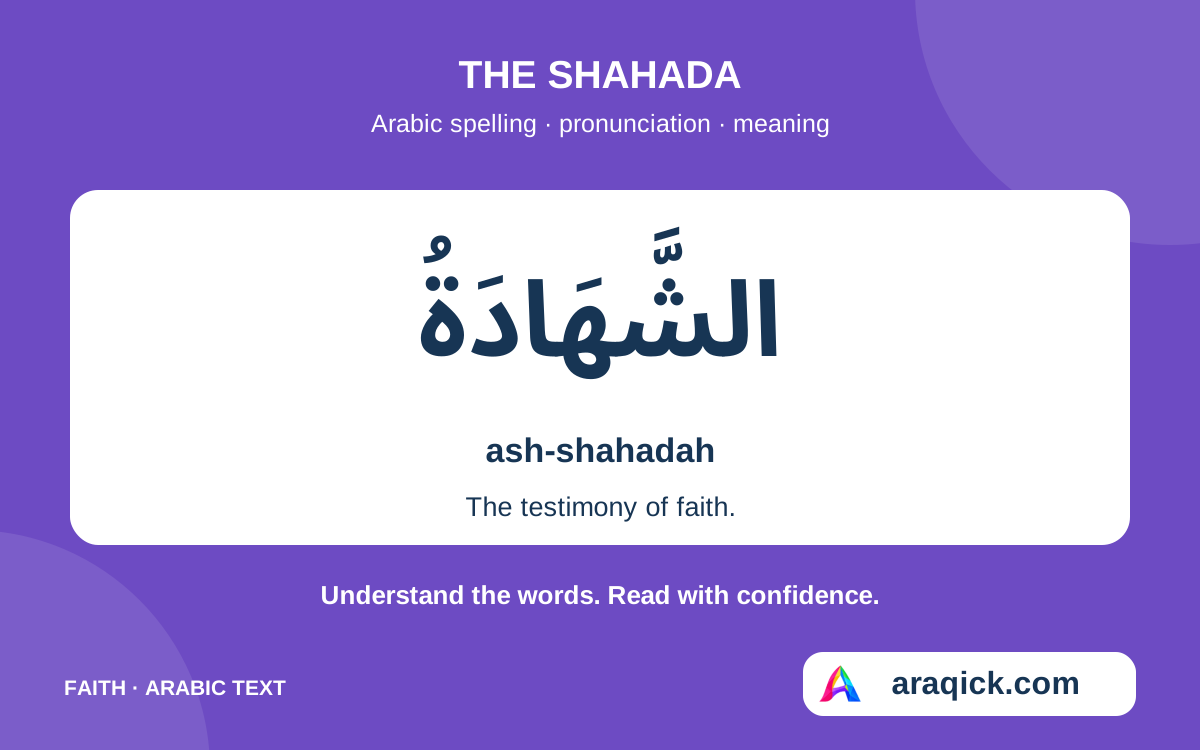
The familiar phrase رَسُولُ اللَّهِ is rasuulullaah when paused on the final word: Messenger of God. The internal u of rasuulu connects the two nouns. Our Shahada guide explores this expression in its testimony context.
03A rasul need not be a prophet in every sentence
Quran 12:50 uses the definite noun for the king’s messenger who comes to Joseph. That figure is carrying a royal message in the narrative; the word there does not mean a divinely appointed prophet. The sender, task and surrounding story establish which use is intended.
This example prevents a common reading error: importing the most familiar religious meaning into every occurrence of a word. Arabic can use one noun in ordinary and specialised settings. Before translating rasul, ask who sent the person and what message is being delivered. A title cannot be interpreted in isolation from its sentence.
04One person can be described as both
Quran 19:51 describes Moses using both رَسُولًا and نَبِيًّا. The forms end in an because of their grammatical position in that sentence. They are the same nouns as the standalone learning forms rasuulun and nabiyyun; the ending does not create a different office or a new word.
This pairing shows that the two terms are not mutually exclusive labels. It also explains why an English account may describe the same person as a prophet in one line and a messenger in another. The words contribute different descriptions without forcing two different people into the passage.
05Technical explanations need their scholarly context
Islamic scholars discuss how the religious categories relate, and their precise definitions are not worded identically. Egypt’s Dar al-Ifta, for example, explains a messenger through a message entrusted for delivery and allows a prophet to endorse an earlier or contemporary message. That is a scholarly explanation, beyond a bare dictionary gloss.
Avoid turning a short vocabulary chart into the unsupported rule that every messenger must bring a new book. Quran 22:52 mentions both messenger and prophet with the language of being sent. Read a technical distinction with its source and explanation, while keeping the basic translations prophet and messenger clear.
06Learn anbiya and rusul as distinct plurals
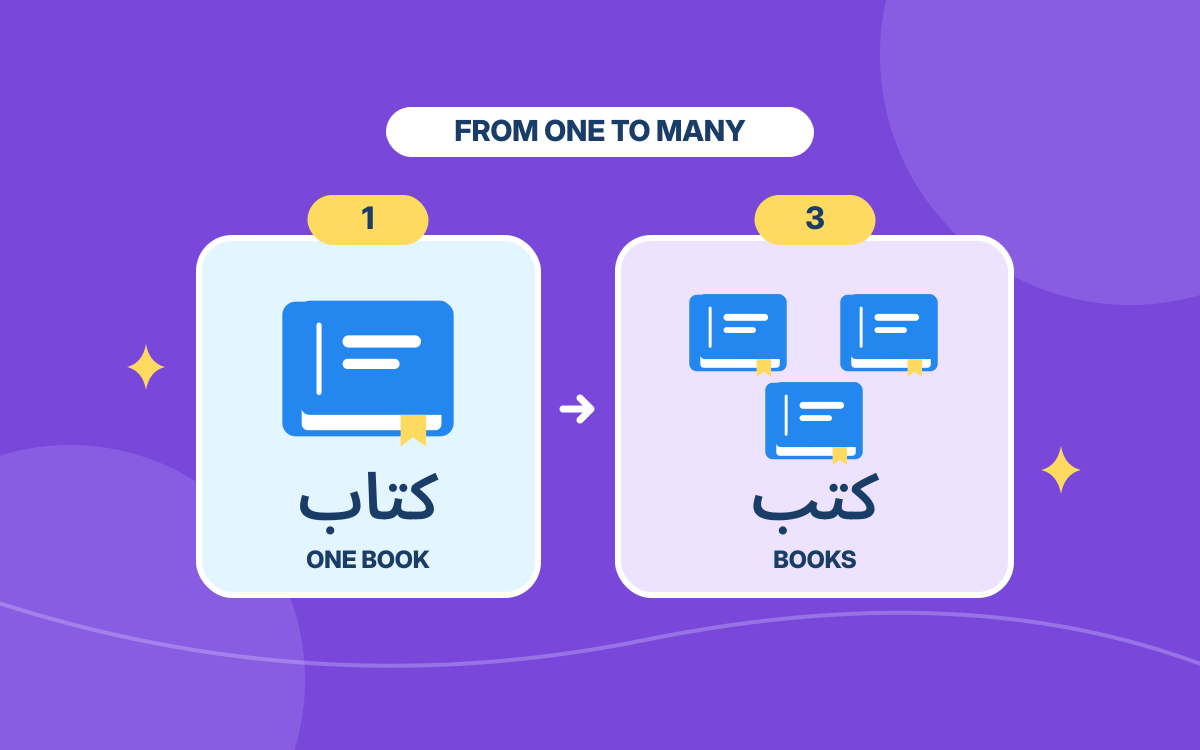
The plural أَنْبِيَاءُ is anbiyaa' at a pause, and رُسُلٌ is rusul. Both are broken plurals: their internal shapes change instead of simply adding an English-style s. The related noun نُبُوَّةٌ, nubuwwah, means prophethood. Keep it separate from the word for an individual prophet.
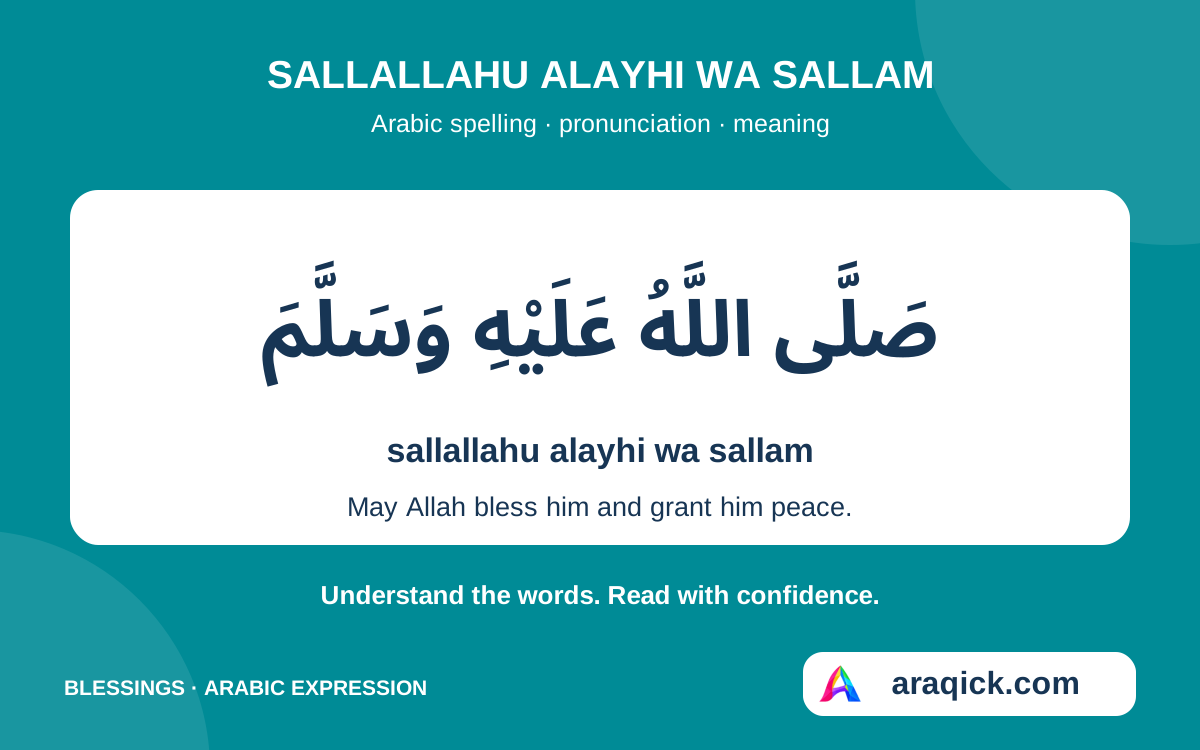
Practise matching singular and plural before reading a longer passage. Our Arabic plurals guide explains the pattern changes, while Sallallahu alayhi wa sallam explains a familiar blessing you may see after the Prophet Muhammad’s name.
What to remember
- Nabi means prophet; rasul means messenger and can also describe an ordinary envoy.
- Quran 19:51 applies both descriptions to Moses.
- Anbiyaa' and rusul are the respective plurals; detailed technical distinctions need context.
Your reference shelf
Open a guide whenever you need it.
Singulars, plurals and related nounsNouns use pause readings; the verb retains its dictionary-form ending. A sentence may add or change grammatical endings.
| Arabic learning form | Plain-letter reading | Meaning |
|---|---|---|
| نَبِيٌّ | nabiyy | Prophet; commonly written nabi |
| النَّبِيُّ | annabiyy | The prophet |
| أَنْبِيَاءُ | anbiyaa' | Prophets |
| نُبُوَّةٌ | nubuwwah | Prophethood |
| رَسُولٌ | rasuul | Messenger; envoy |
| رُسُلٌ | rusul | Messengers |
| رِسَالَةٌ | risaalah | Message; letter |
| أَرْسَلَ | arsala | He sent; a dictionary-form verb |
Compare three source contextsThese references illustrate ordinary usage, overlapping descriptions and scholarly explanation.
| Source | Use | Reading lesson |
|---|---|---|
| Quran 12:50 | The king’s messenger comes to Joseph | Rasul can name an ordinary envoy |
| Quran 19:51 | Moses receives both descriptions | Prophet and messenger are not mutually exclusive |
| Quran 22:52 | Both terms occur with the language of sending | A simplistic “one is never sent” gloss needs care |
| Egypt’s Dar al-Ifta, answer 8022 | Explains the religious distinction through message and mission | Read the detailed explanation with its source |
Sources & further learning
References for the language explanations and learning guidance.