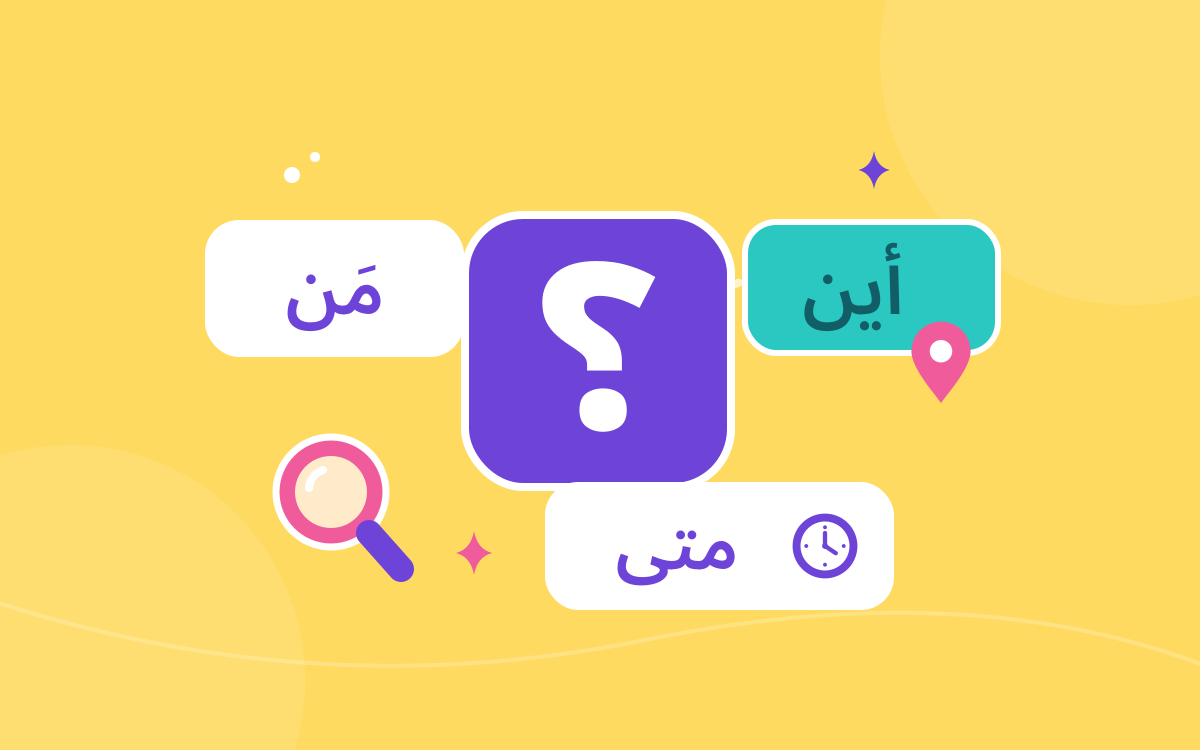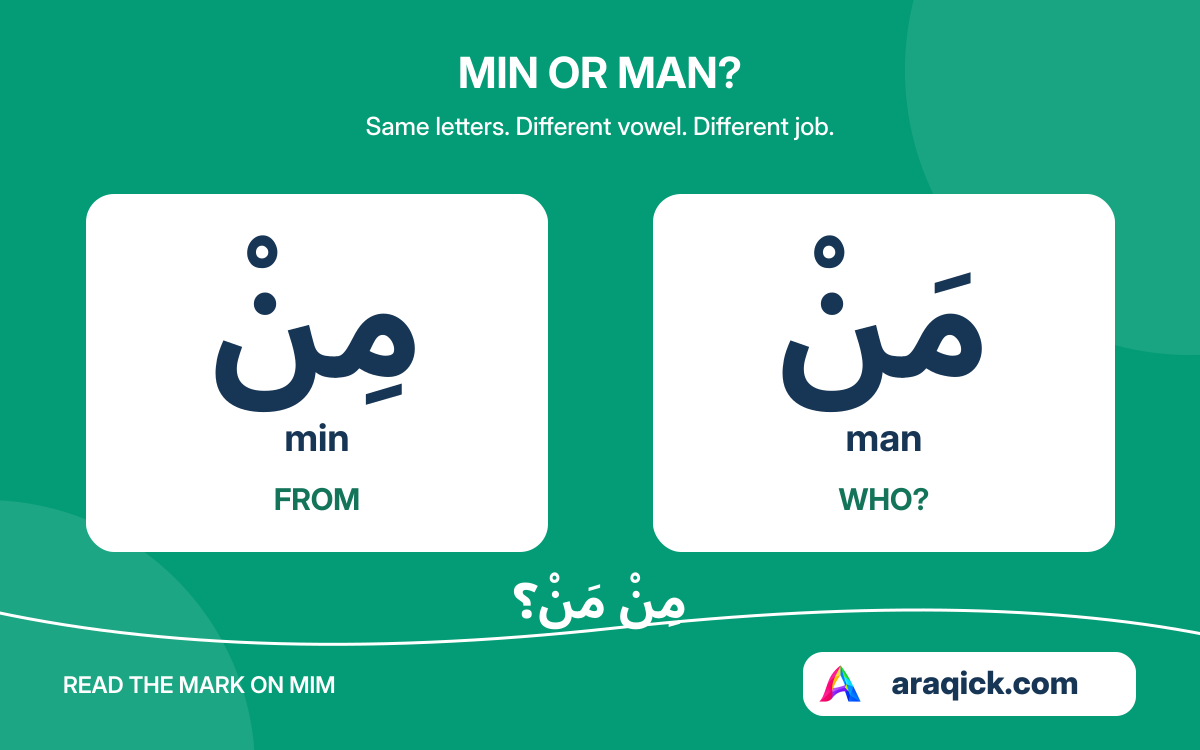
Min, مِنْ, means “from” in the examples here. Man, مَنْ, means “who” in questions. They share the letters م ن, but the vowel on mim changes. Without vowel marks, context helps you recognise which word the sentence needs.
01One mark changes the word
مِنْ — مَنْ
min — man
From — who
Min has kasrah below mim: short i. Man has fathah above mim: short a. Nun carries sukun in both isolated forms. Read the vowel before deciding the meaning.
These words do different jobs. Min introduces a relationship such as a starting place. Man can ask about a person. They are not two pronunciations of the same word.
02Ask about a person with man
مَنْ هَذَا؟
man hadha
Who is this?
هَذَا سَعِيدٌ
hadha saidun
This is Said.
The question asks for someone’s identity. A name can answer it. For a female person, you can ask مَنْ هَذِهِ؟ (man hadhihi, who is this?).
Man stays the same in these two questions; the pointing word changes. Do not replace it with min merely because the person or pointing word changes gender.
03Introduce a starting place with min
أَنَا مِنْ بَلَدٍ بَعِيدٍ
ana min baladin baidin
I am from a distant country.
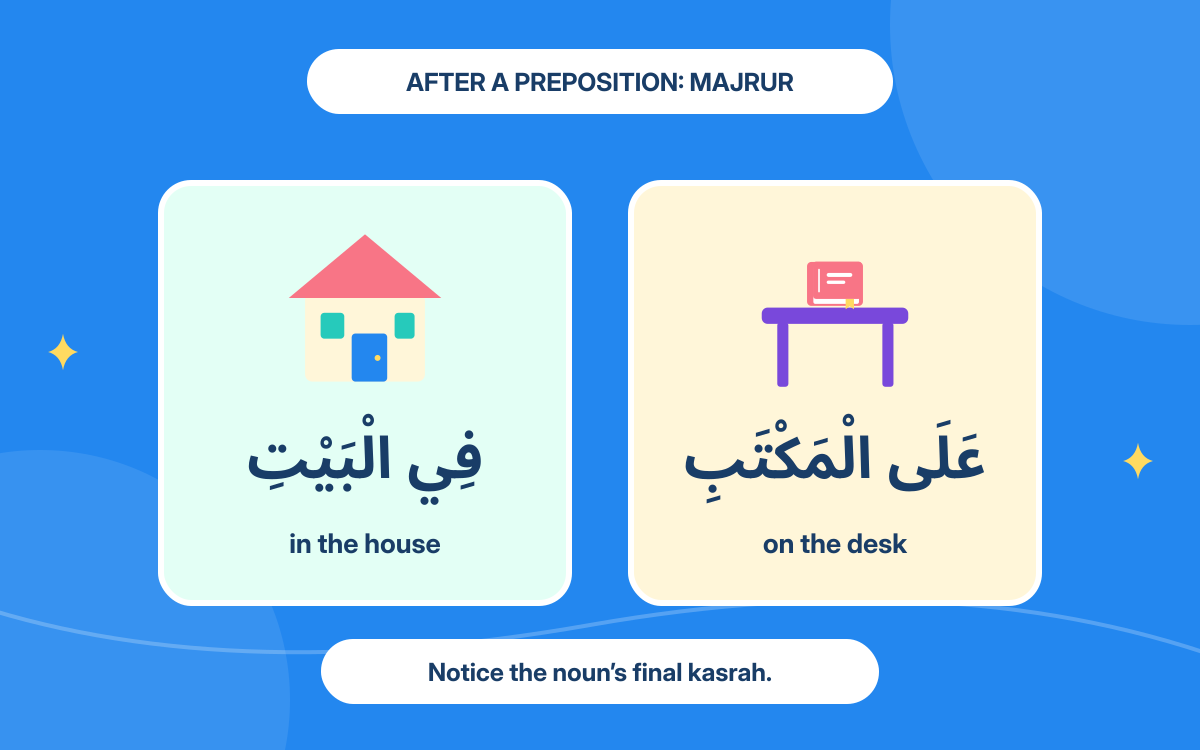
Min introduces where the speaker comes from. Baladin is genitive after the preposition; baidin, distant, matches it. The final in endings belong to those nouns and do not change min into man.
Learn min with a short phrase: مِنْ بَيْتٍ (min baytin, from a house). A preposition normally needs the rest of its phrase to complete the intended relationship.
04Put both words in one question
مِنْ مَنْ هَذَا الْخِطَابُ؟
min man hadha alkhitabu
Who is this letter from?
هَذَا الْخِطَابُ مِنْ أُخْتِي
hadha alkhitabu min ukhti
This letter is from my sister.
The first word means from; the second asks who. English naturally puts from at the end, but Arabic can place min before man.
The separate spelling makes the two roles visible for practice. You may also meet the contracted spelling مِمَّنْ for min plus man.
05Read unmarked text through context
In ordinary text, both may appear as من. Ask what information the sentence needs. من هذا؟ asks who this is. أنا من بلد بعيد gives someone’s origin.
Read the whole phrase before supplying the vowel. Memorising only the unmarked shape cannot distinguish the two.
This lesson uses the common “from” meaning and interrogative “who.” Min has other uses, and man can introduce other structures. Build confidence with these patterns, then use the question-word guide to extend them.
What to remember
- Min has short i; man has short a.
- Use min for from and man for who in these beginner patterns.
- Unmarked من needs context to determine the reading.
Your reference shelf
Open a guide whenever you need it.
Two spellings, two jobsKeep the questions and answers together
| Arabic | Meaning | Job |
|---|---|---|
| مَنْ هَذَا؟ | Who is this? | Ask for identity |
| مِنْ بَيْتٍ | From a house | Introduce a starting point |
| مِنْ مَنْ؟ | From whom? | Combine the two roles |
| مِمَّنْ؟ | From whom? | Contracted form |
Sources & further learning
References for the language explanations and learning guidance.