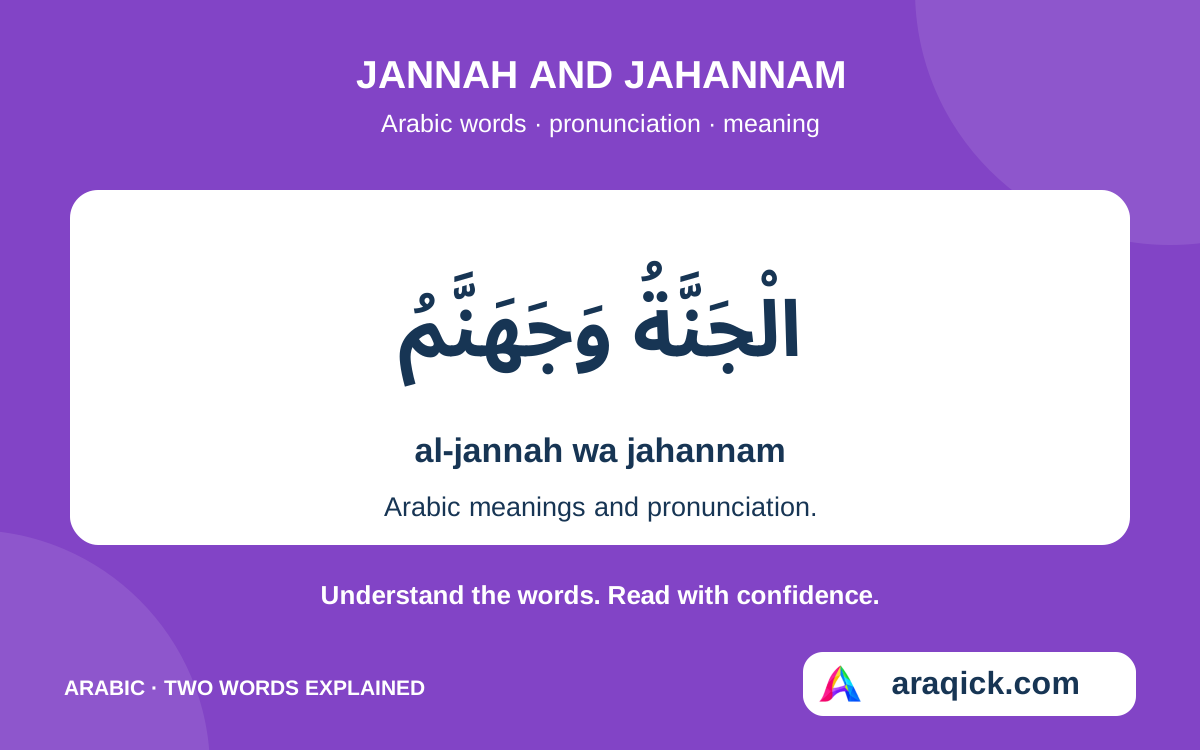
Jannah, جَنَّةٌ, means a garden and, in Islamic afterlife contexts, Paradise. Jahannam, جَهَنَّمُ, is a name for Hell. These are distinct words, rather than opposite forms of one root. Their spellings, doubled consonants and surrounding sentences help you recognise the intended meaning.
01Jannah can mean an ordinary garden
The basic noun جَنَّةٌ can refer to a garden, especially one with trees and vegetation. Quran 18:32 describes two gardens belonging to a man in a story about wealth. The dual form there refers to earthly property. Translating every occurrence as Paradise would change the story.
Notice the clues: vines, palms, crops and ownership point to an ordinary garden. A dictionary gives possible meanings; the sentence selects the useful one. This habit matters when reading familiar religious vocabulary in a different setting, including descriptions of land or stories about daily life.
02Jannah also names Paradise
In Islamic discussions of the afterlife, الْجَنَّةُ, aljannah, means Paradise. Quran 4:57 describes gardens as a lasting reward, using the plural جَنَّاتٍ. The surrounding description makes the afterlife meaning clear. Singular and plural references can therefore both belong to this subject.
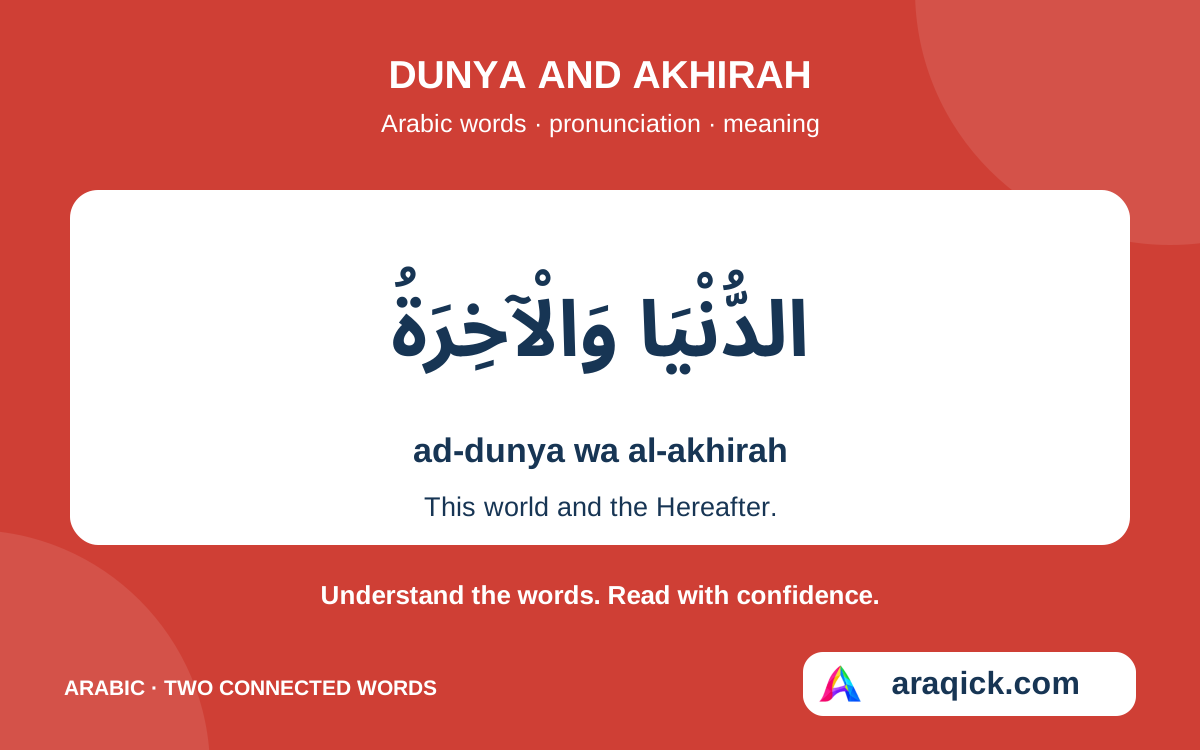
The English spelling Jannah often signals this religious meaning, but Arabic has no capital letters to distinguish it from a garden. Context does that work. Our Dunya and Akhirah guide explains the broader vocabulary for this life and the Hereafter.
03Jahannam is a name for Hell
جَهَنَّمُ is used as a name for Hell. It is not the Arabic word for any fire, nor a grammatical negative of jannah. Quran 98:6 contains نَارِ جَهَنَّمَ, naari jahannam at a pause, meaning the fire of Hell in that verse.
Keep the translation separate from an origin story. Recognising what a proper name refers to does not establish an Arabic root for it. Learn Jahannam as an attested name with its own spelling; adding an imagined connection to the letters of jannah would make the vocabulary harder to understand.
04Hold the doubled n in both words
Read جَنَّةٌ as jannah when pausing: jan-nah, with a held n and short vowels. The shaddah over n marks the doubling. Read جَهَنَّمُ as jahannam at a pause: ja-han-nam. Its final consonant is m, whereas jannah ends with a light h when paused.
Neither word contains a written long vowel. Stretching the first a is therefore a poor substitute for holding the n. The h in Jahannam is the ordinary Arabic haa, and the j is pronounced as in English “jam” in the common formal reading used here.
05Jannat and nar have different jobs
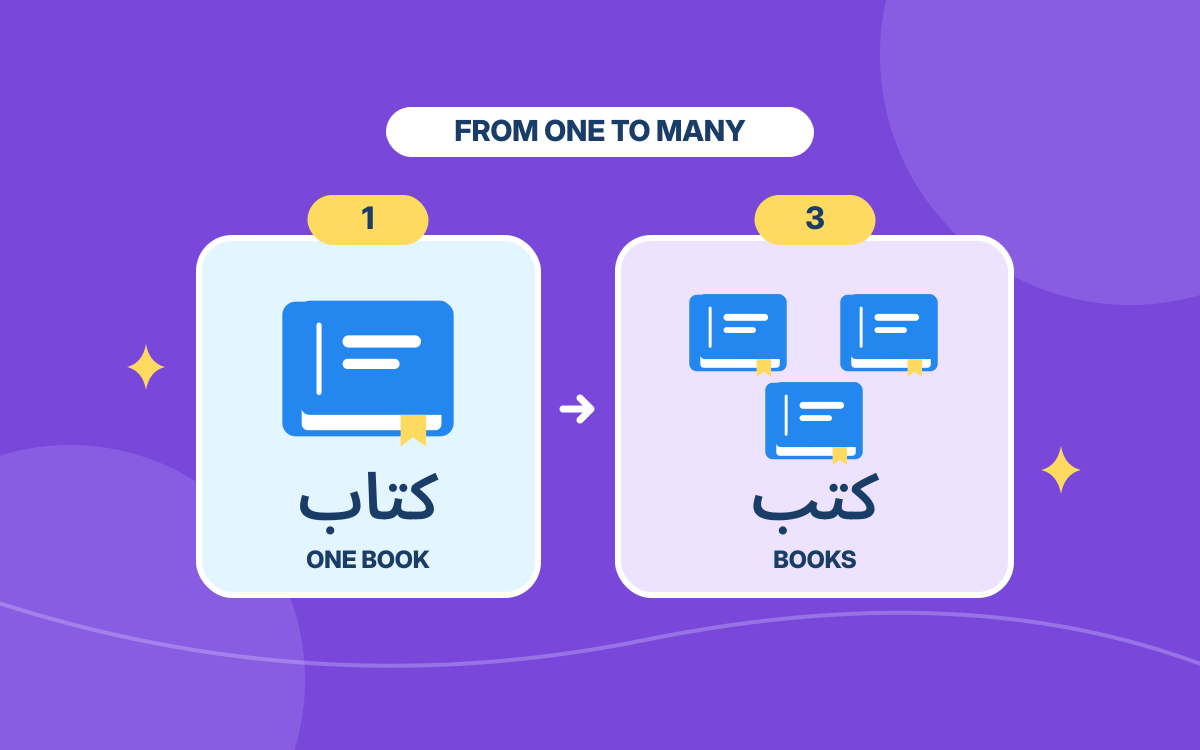
The root letters of jannah are j-n-n. This family includes meanings connected with covering or concealment, but a root is a learning connection rather than a complete translation. جَنَّاتٌ, jannaat at a pause, is a plural with a long aa. Its meaning can be gardens or, contextually, gardens of Paradise.
نَارٌ, naar, means fire; النَّارُ, annaar, can refer to the Fire in an afterlife passage. Here the article’s l assimilates to n. In aljannah the l remains audible. See Arabic plurals for more on changing noun forms.
06Use the sentence to choose the translation
When you meet one of these words, first identify the spelling, then check whether the passage describes earthly surroundings or the Hereafter. After that, inspect number and endings. A plural ending does not remove the need for context, and a familiar English spelling does not settle the meaning of an Arabic sentence.
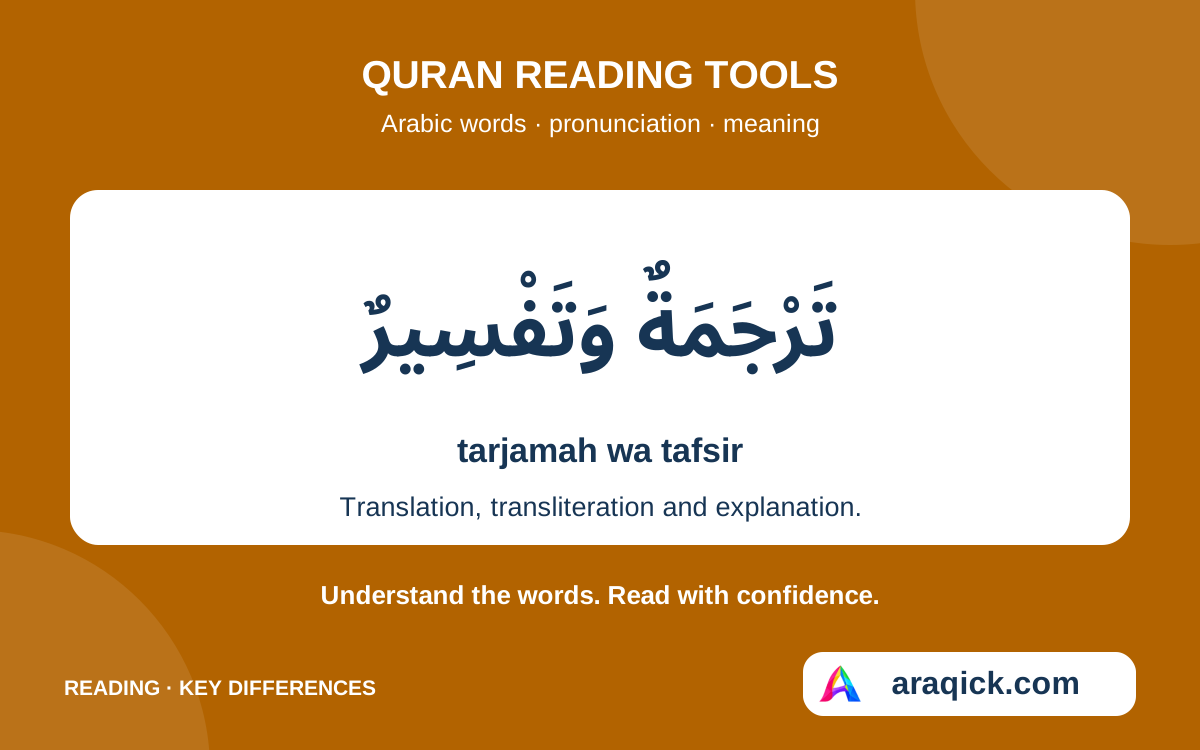
The tables use standalone learning forms unless a verse form is labelled. Endings can change in connected speech while the underlying word stays recognisable. For reading a meaning alongside an Arabic text, our translation, transliteration and tafsir comparison explains what each kind of support provides.
What to remember
- Jannah can mean a garden or Paradise, depending on the passage.
- Jahannam names Hell; naar is the general Arabic word for fire.
- Both jannah and Jahannam have a doubled n, without a long first vowel.
Your reference shelf
Open a guide whenever you need it.
Core spellings and paused readingsCompare the singular, plural and definite forms. These are learning forms, not a continuous quotation.
| Arabic | Paused reading | Meaning or use |
|---|---|---|
| جَنَّةٌ | jannah | A garden; Paradise in an afterlife context |
| الْجَنَّةُ | aljannah | The garden; Paradise in context |
| جَنَّاتٌ | jannaat | Gardens |
| جَهَنَّمُ | jahannam | Jahannam; Hell |
| نَارٌ | naar | Fire |
| النَّارُ | annaar | The fire; the Fire in context |
Context clues in three Quranic passagesA short guide to locating the relevant usage, with verse forms distinguished from standalone nouns.
| Passage | Arabic form in the passage | What the context establishes |
|---|---|---|
| 18:32 | جَنَّتَيْنِ | Two earthly gardens, described with vines and palms |
| 4:57 | جَنَّاتٍ | Gardens as lasting afterlife reward |
| 98:6 | نَارِ جَهَنَّمَ | The fire of Hell; a phrase with connected grammatical endings |
Sources & further learning
References for the language explanations and learning guidance.