Inkasara reports that something broke without naming a person who broke it. Building on the Form VII overview, this guide changes the affected thing: one key, a mirror, two keys or several branches. You will also distinguish a completed break, a present tendency and a negative report.
01Separate a completed break from a tendency
اِنْكَسَرَ الْمِفْتَاحُ
inkasara almiftahu
The key broke.
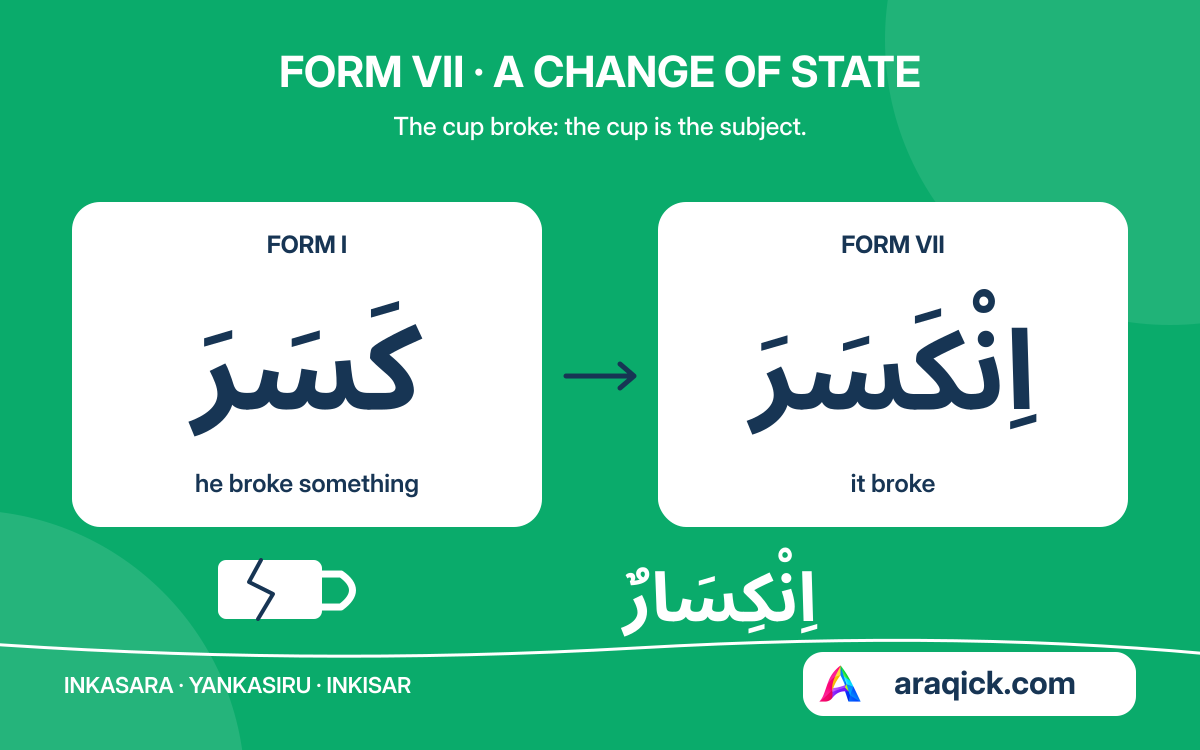
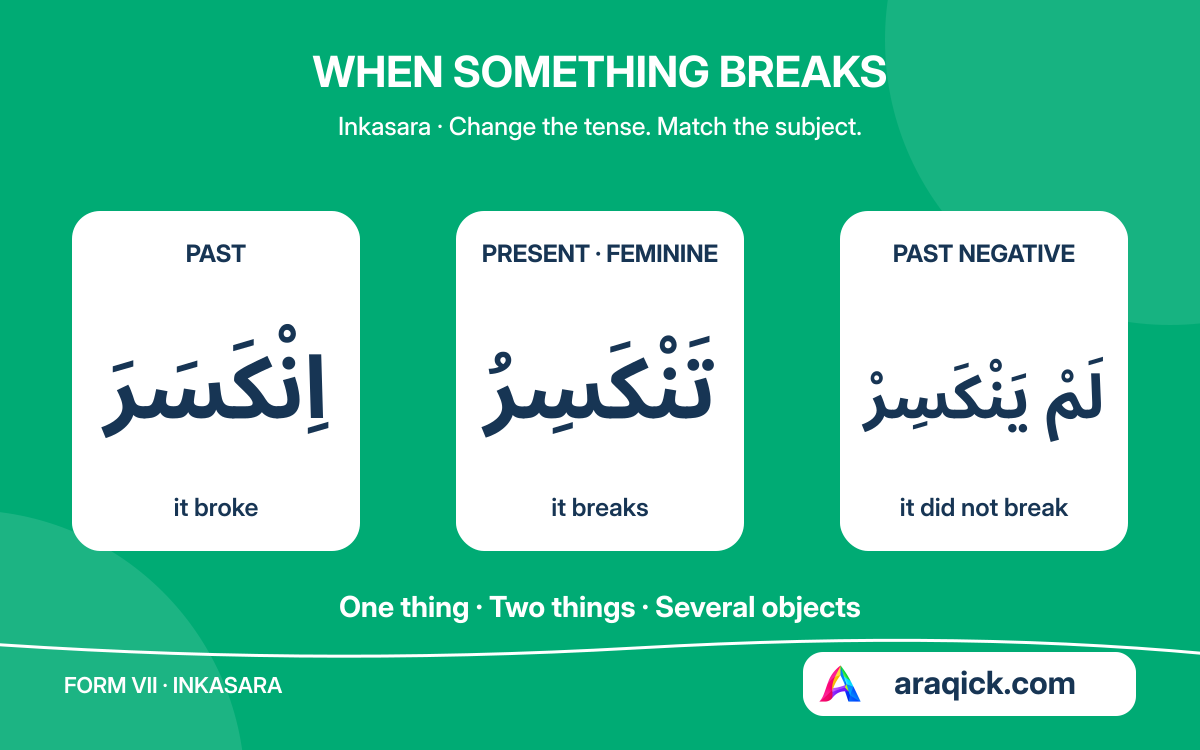
Inkasara is past. The root is ك س ر, and the key is its nominative subject. The ordinary present is يَنْكَسِرُ, with kasrah on sin.
For a general tendency, هَذَا النَّوْعُ يَنْكَسِرُ بِسُهُولَةٍ means this type breaks easily. Context can give a present-form verb a current or habitual reading. The Form VII introduction explains how this intransitive verb differs from kasara, break something.
02Match a feminine noun
اِنْكَسَرَتْ مِرْآةٌ صَغِيرَةٌ
inkasarat miratun saghiratun
A small mirror broke.
Mirah, mirror, is grammatically feminine. The past verb therefore becomes inkasarat. The adjective saghiratun describes the mirror and matches its feminine, indefinite, nominative form.
The corresponding present begins with ta: تَنْكَسِرُ. This prefix can also mean you to one man; the named mirror settles the subject here. Do not confuse grammatical feminine agreement with a reference to a female person.
03Notice where the dual subject stands
الْمِفْتَاحَانِ اِنْكَسَرَا
almiftahani inkasara
The two keys broke.
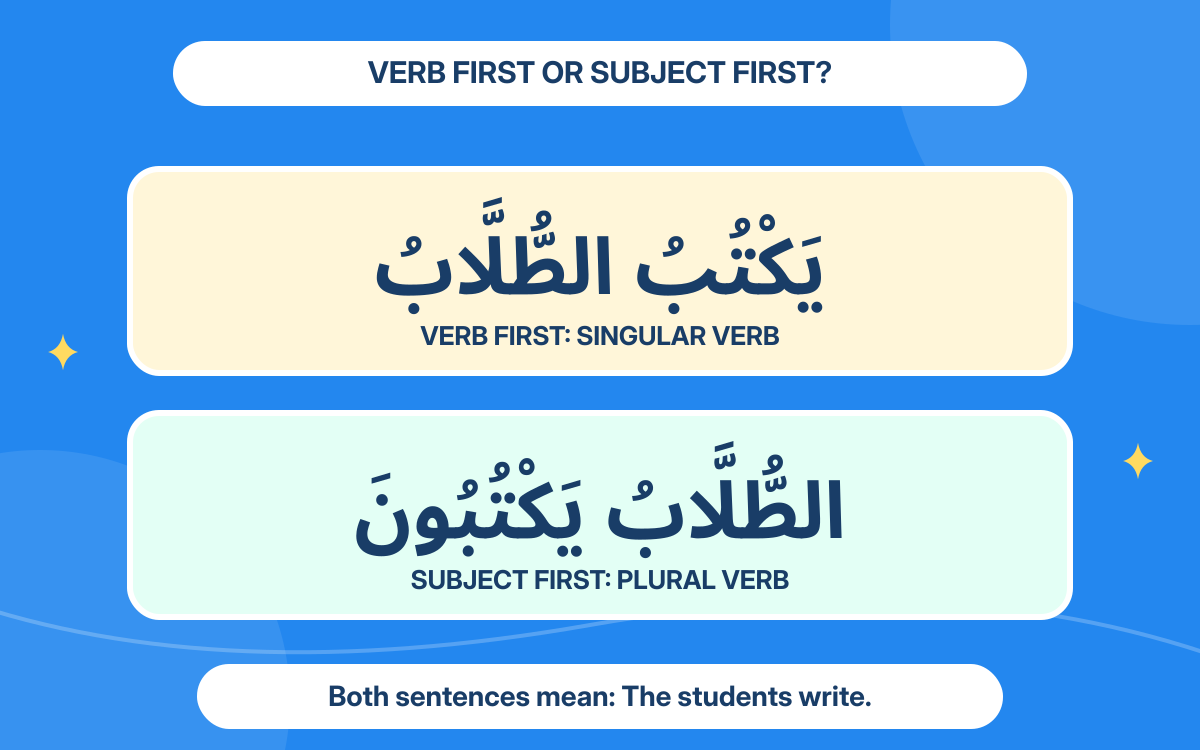
When the two keys come first, the following verb has dual agreement. Inkasara ends with the written dual alif, اِنْكَسَرَا, rather than the singular past ending اِنْكَسَرَ.
In the usual verb-first construction, use اِنْكَسَرَ الْمِفْتَاحَانِ. The initial verb is singular and the following noun supplies the dual number. Compare verb-first agreement. Plain reading aids simplify long vowels, so the two spellings in the chart are especially useful.
04Use feminine singular for an ordinary nonhuman plural
الْأَغْصَانُ اِنْكَسَرَتْ
alaghsanu inkasarat
The branches broke.
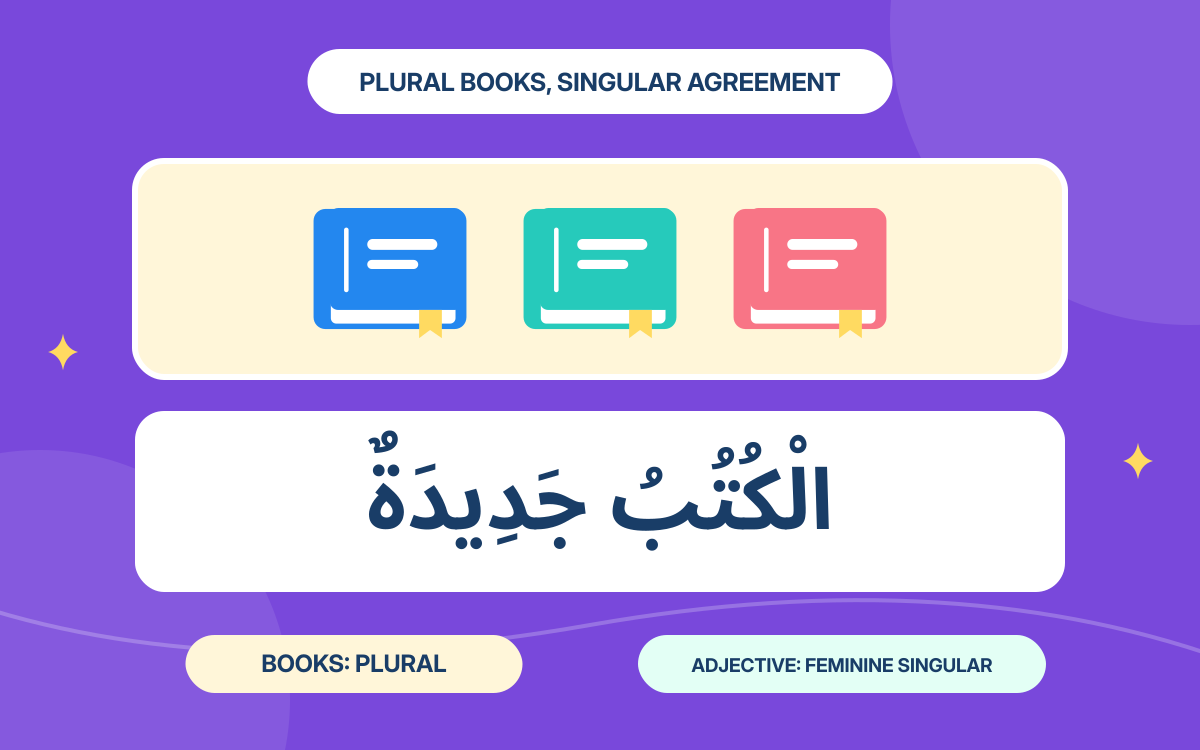
Aghsan means branches. In this ordinary nonhuman-plural sentence, the following verb takes feminine singular agreement. Several objects do not automatically call for the masculine human-plural ending u.
The present counterpart is الْأَغْصَانُ تَنْكَسِرُ. Keep this apart from the dual rule: a dual noun before the verb takes dual agreement. Review nonhuman plural agreement for noun and adjective examples too.
05Negate the event or describe the result
لَمْ يَنْكَسِرْ هَذَا الْمِفْتَاحُ
lam yankasir hadha almiftahu
This key did not break.
Lam takes the jussive yankasir with final sukun. Lan instead gives لَنْ يَنْكَسِرَ, it will not break, with final fathah. The internal kasrah on sin remains in both.
To name the condition, هَذَا الْمِفْتَاحُ مُنْكَسِرٌ means this key is broken. Munkasir is the active participle of inkasara, despite the natural English translation broken. The masdar اِنْكِسَارٌ names breakage. A state description does not itself tell you when the break happened.
What to remember
- Inkasara is past; yankasiru is the ordinary present.
- Feminine, dual and nonhuman-plural subjects require different agreement choices.
- Lam negates the event; munkasir describes the resulting condition.
Your reference shelf
Open a guide whenever you need it.
Agreement with things that breakCompare gender, number and word order
| Subject and position | Past sentence | What to notice |
|---|---|---|
| One masculine noun after verb | اِنْكَسَرَ الْمِفْتَاحُ | Masculine singular verb |
| One feminine noun after verb | اِنْكَسَرَتْ مِرْآةٌ | Feminine singular verb |
| Dual noun before verb | الْمِفْتَاحَانِ اِنْكَسَرَا | Dual ending on the following verb |
| Dual noun after verb | اِنْكَسَرَ الْمِفْتَاحَانِ | Singular initial verb |
| Nonhuman plural before verb | الْأَغْصَانُ اِنْكَسَرَتْ | Feminine singular agreement |
Event, negative and resulting stateThese forms answer different questions
| Arabic | Meaning | Function |
|---|---|---|
| اِنْكَسَرَ | It broke | Past event |
| يَنْكَسِرُ | It breaks | Present / habitual |
| تَنْكَسِرُ | It breaks — feminine | Feminine singular present |
| لَمْ يَنْكَسِرْ | It did not break | Past negative with jussive |
| لَنْ يَنْكَسِرَ | It will not break | Future negative with subjunctive |
| مُنْكَسِرٌ | Broken | Active participle of inkasara |
| اِنْكِسَارٌ | Breakage | Action noun |
Sources & further learning
References for the language explanations and learning guidance.