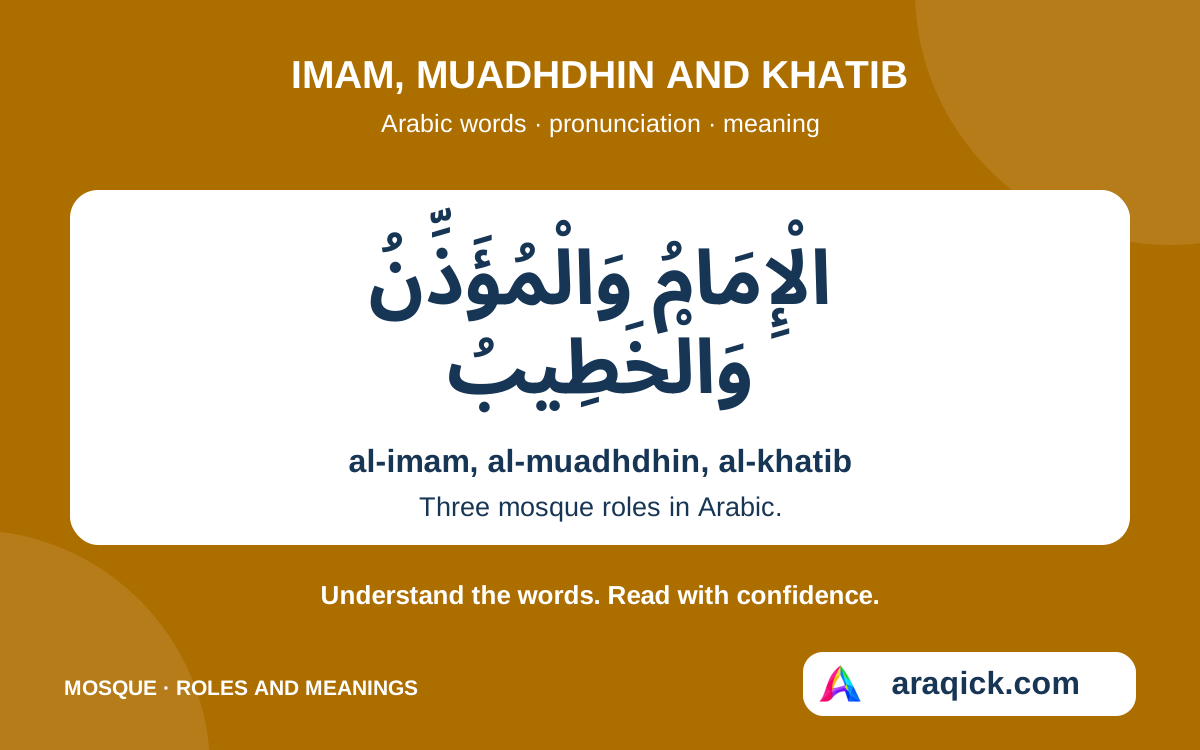
An imam, إِمَامٌ, leads the congregational prayer in a mosque context. A muadhdhin, مُؤَذِّنٌ, gives the call to prayer. A khatib, خَطِيبٌ, delivers a sermon or public address. These words identify different functions, and one person can perform more than one. They do not automatically describe three levels of seniority.
01Imam means a leader in context
In a prayer description, إِمَامٌ refers to the person leading the congregation. Sahih al-Bukhari 689 uses imam in that setting. In wider Arabic and Islamic writing, the word can have a broader leadership or exemplary sense. Quran 2:124 uses it in the account of Ibrahim, not as a modern mosque staffing label.
Read what the imam is doing and whom the word describes. A name followed by Imam in a book title may signal a respected scholarly designation; a mosque announcement may identify the prayer leader. Context supplies the intended function instead of one English job title explaining every occurrence.
02Muadhdhin is the person giving the adhan
A muadhdhin is associated with أَذَانٌ, adhaan, the call to prayer. The person and the call are different nouns. Sahih Muslim 380a names Bilal and Ibn Umm Maktum as two muadhdhins, illustrating the role term with identifiable people.
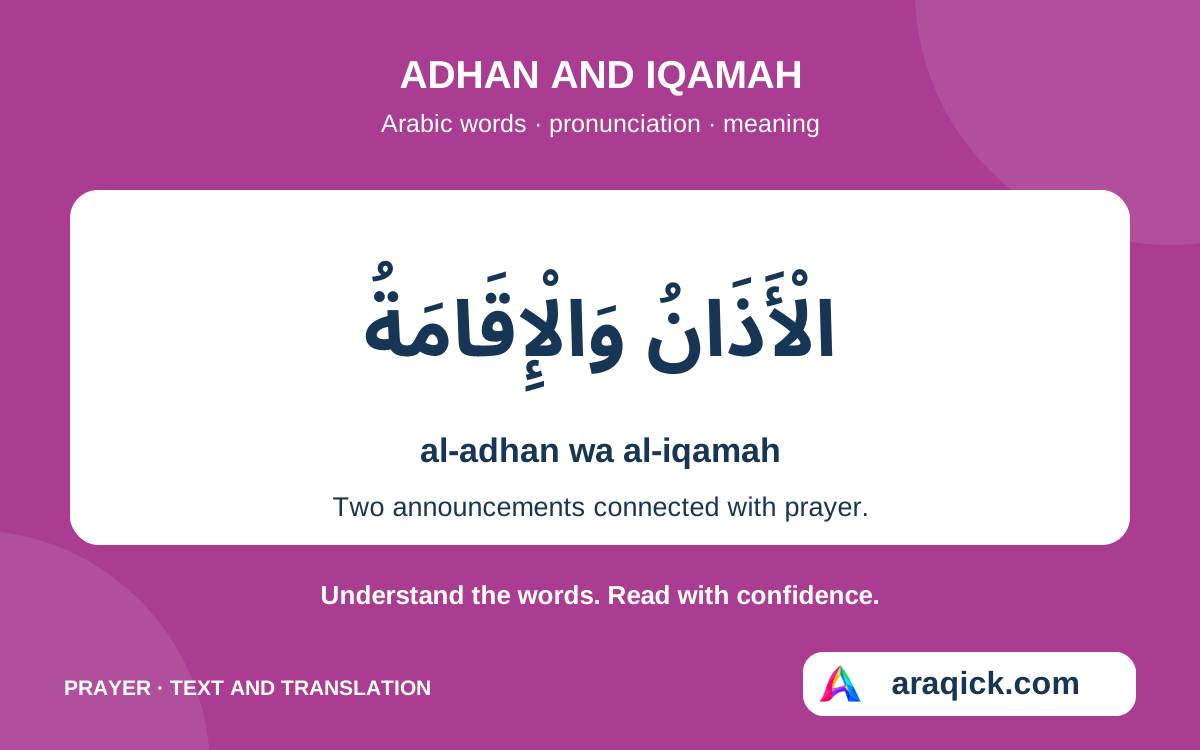
The spelling مُؤَذِّنٌ includes a hamza, a brief glottal stop after the first short u. Its doubled dh represents a voiced th-like sound held longer, not an ordinary z. Muezzin is a familiar English spelling of the same role. The full call is covered in adhan and iqamah in Arabic.
03Khatib names the sermon speaker
A khatib, خَطِيبٌ, delivers a khutbah, خُطْبَةٌ. In mosque vocabulary, that is the sermon speaker. The Cairo Arabic Academy dictionary also gives public-speaking senses beyond a mosque, so the word is not limited to one weekly event in every Arabic sentence.
Pronounce the opening kh as a friction sound toward the back of the mouth; do not replace it with an ordinary k. The vowel before b is long ii: khatiib. Khutbah, by comparison, starts with short u. Learn the speaker and the spoken address as a pair while keeping their spellings distinct.
04Roles can overlap without becoming synonyms
A mosque’s prayer leader may also deliver the Friday sermon. Sahih al-Bukhari 934 refers to the imam delivering the khutbah, so identifying the same person as imam and khatib is not a contradiction. The word chosen highlights the activity being discussed.
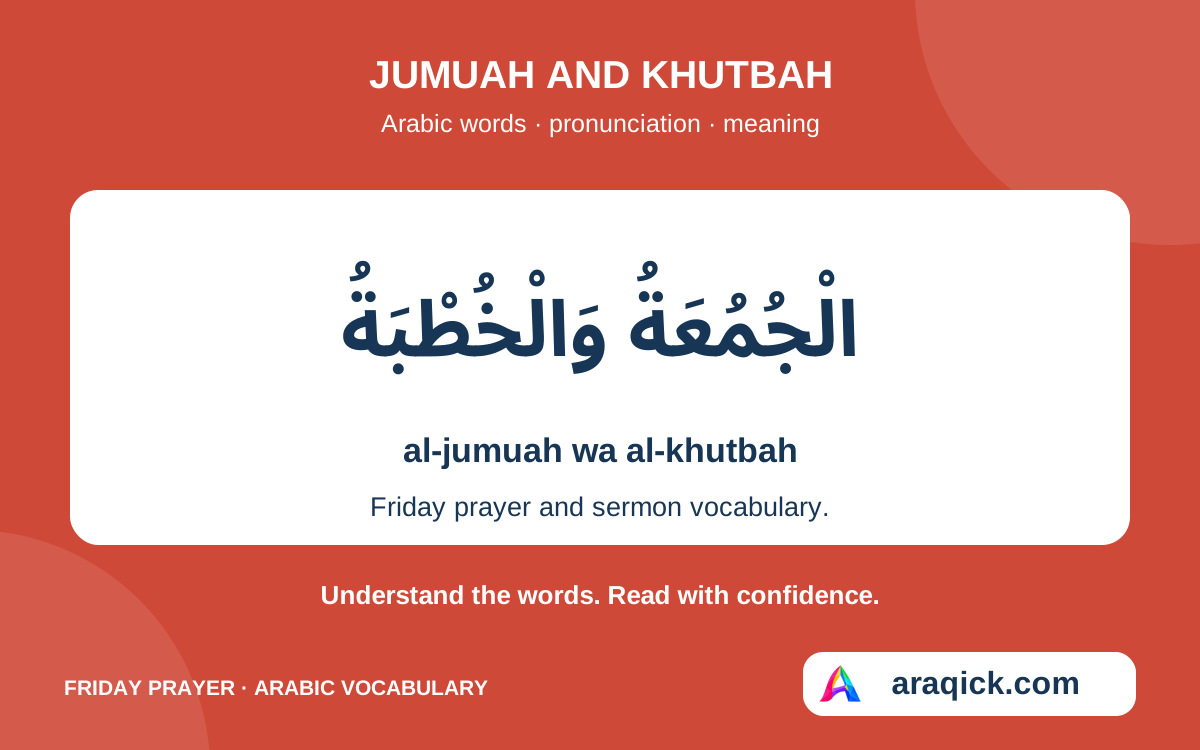
That overlap does not make imam and khatib identical words, and muadhdhin still names the calling role. These three nouns alone do not establish a person’s contract, qualifications or a universal rank. When translating a notice, preserve the task it actually names. Our Jumuah and khutbah guide explains the Friday vocabulary around the speaker.
05Recognise the useful plural forms
The plural أَئِمَّةٌ, aimmah, belongs with imam. It changes the internal pattern and contains a hamza between a and i. The plural خُطَبَاءُ, khutabaa', belongs with khatib and ends with a hamza after long aa. These spellings matter when reading vowelled Arabic.
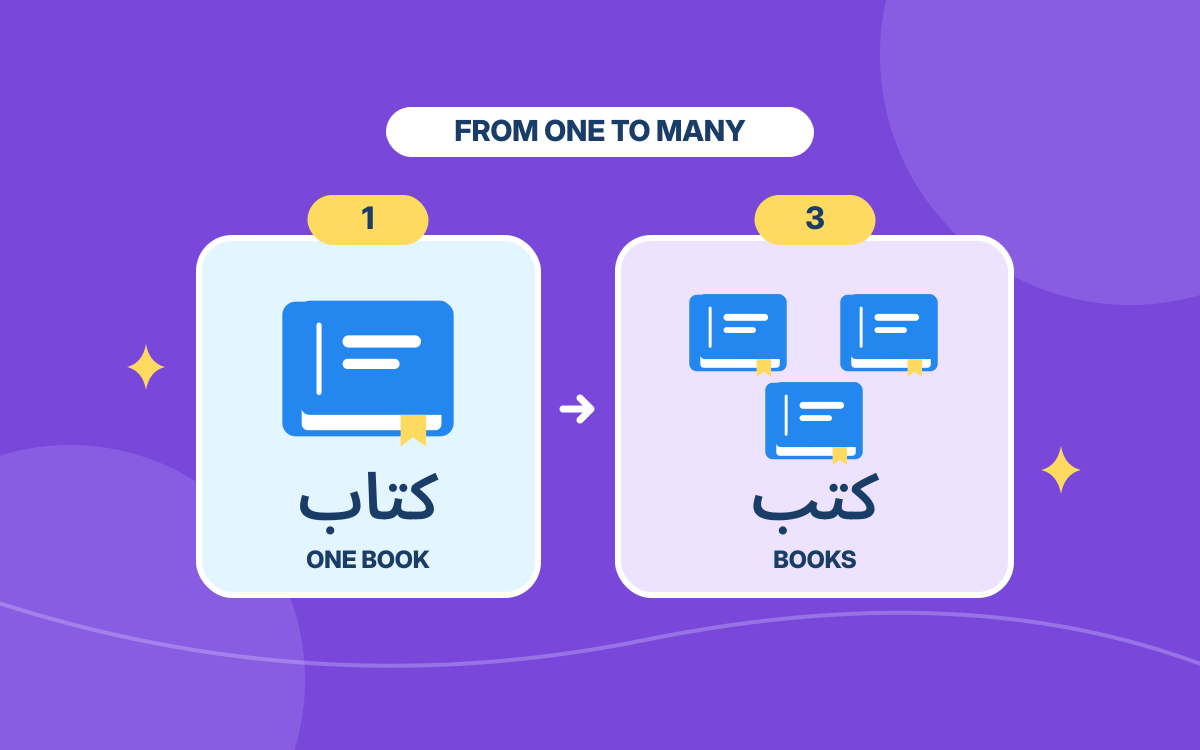
For muadhdhin, a common nominative plural is مُؤَذِّنُونَ, muadhdhinuuna in connected formal reading, or muadhdhinuun at a pause. Its ending changes in other grammatical positions. Rather than treating every plural as an English-style suffix, use our Arabic plurals guide to compare the patterns.
06Ask who is doing the action
For a simple newly written example, الْخَطِيبُ عَلَى الْمِنْبَرِ means “The khatib is on the pulpit.” The person word is khatib; the object word is minbar. Likewise, an announcement naming a muadhdhin identifies a caller, rather than the adhan itself.
When you meet an unfamiliar sentence, ask three questions: does it name a person, an action or a place? Which activity is described? Could the same person have another role elsewhere? These checks make vocabulary more useful than memorising English equivalents alone. Review the three roles together, then practise recognising each in a different short sentence.
What to remember
- Imam leads prayer, muadhdhin gives the adhan, and khatib delivers a sermon in mosque contexts.
- The same person may perform more than one role; the words retain their separate meanings.
- Context and grammatical form matter when reading imam, aimmah and the other related terms.
Your reference shelf
Open a guide whenever you need it.
Three roles and their related wordsThese pause readings omit final grammatical vowels; doubled vowel letters show length.
| Arabic | Pause reading | Function or related term |
|---|---|---|
| إِمَامٌ | imaam | Prayer leader in this context |
| مُؤَذِّنٌ | muadhdhin | Person giving the call to prayer |
| خَطِيبٌ | khatiib | Sermon speaker |
| أَذَانٌ | adhaan | The call to prayer |
| خُطْبَةٌ | khutbah | The sermon or address |
| مِنْبَرٌ | minbar | The pulpit; an object, not a person |
Plural recognition chartThe table gives standalone nominative forms; a sentence can require different endings.
| Singular | Plural | Reading note |
|---|---|---|
| إِمَامٌ | أَئِمَّةٌ | imaam → aimmah; internal hamza and doubled m |
| مُؤَذِّنٌ | مُؤَذِّنُونَ | muadhdhin → muadhdhinuuna; pause muadhdhinuun |
| خَطِيبٌ | خُطَبَاءُ | khatiib → khutabaa'; plural retains final hamza |
Sources & further learning
References for the language explanations and learning guidance.
- Sahih al-Bukhari 689: imam as the prayer leader
- Quran 2:124: imam in a broader leadership context
- Quran 21:73: the plural aimmah
- Sahih Muslim 380a: Bilal and Ibn Umm Maktum as muadhdhins
- Cairo Arabic Academy: khatib, khutbah and related forms
- Sahih al-Bukhari 934: the imam delivering the khutbah
- Cairo Arabic Academy: imam and its plural under root amm