Ahtaju ila means “I need” before a noun in the pattern we will practise. Add water, a pen, a ticket or help to make a useful request. Learn the whole phrase, then change the essential you need. These examples use Modern Standard Arabic.
01Start with a glass of water
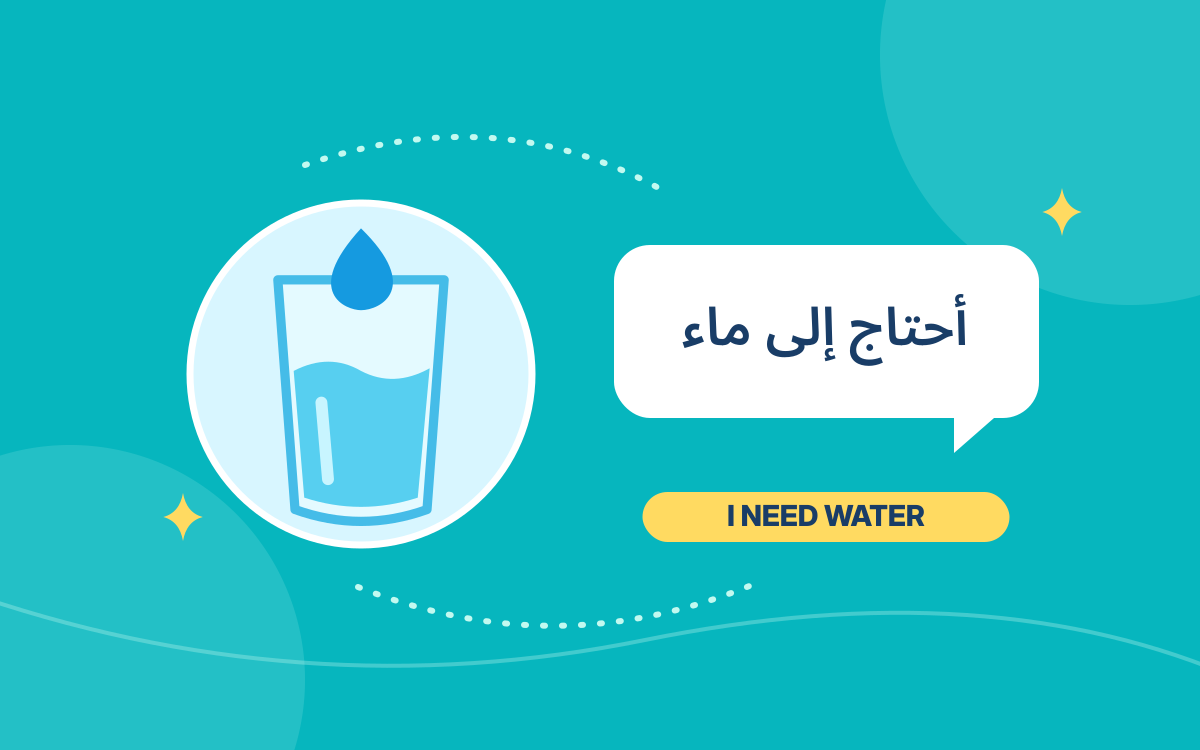
أَحْتَاجُ إِلَى مَاءٍ
ahtaju ila ma
I need water.
Ahtaju already identifies the speaker as I. Keep ila after it in this noun pattern; do not leave that small word out. The final word, ma, tells the listener what you need.
02Change only the essential
ahtaju ila qalam
I need a pen.
ahtaju ila tadhkira
I need a ticket.
At a counter, choose tadhkira for a ticket. When filling in a form, choose qalam for a pen. The opening ahtaju ila stays the same.
Arabic does not need a separate word for the English a in these examples. Focus on selecting the right noun rather than adding an extra word before it.
03Ask for help with a task
أَحْتَاجُ إِلَى مُسَاعَدَةٍ
ahtaju ila musaada
I need help.
Musaada means help or assistance. Use this sentence when you need someone to explain a form or show you how a machine works. It opens the conversation without naming the whole problem yet.
Notice that help is another noun in the same slot. You have changed what you need, not the structure of the request. Say the complete phrase before trying to explain more.
04Add a polite ending
أَحْتَاجُ إِلَى قَلَمٍ، مِنْ فَضْلِكَ
ahtaju ila qalam min fadlika
I need a pen, please. — to one man
When speaking to one woman, use مِنْ فَضْلِكِ min fadliki for please. The request itself stays the same; the final vowel in the polite phrase matches the person you address.
Ahtaju expresses a need. The please ending makes the wording more courteous. Practise with a familiar object so you can concentrate on the ending instead of searching for vocabulary.
05Say when you do not need it
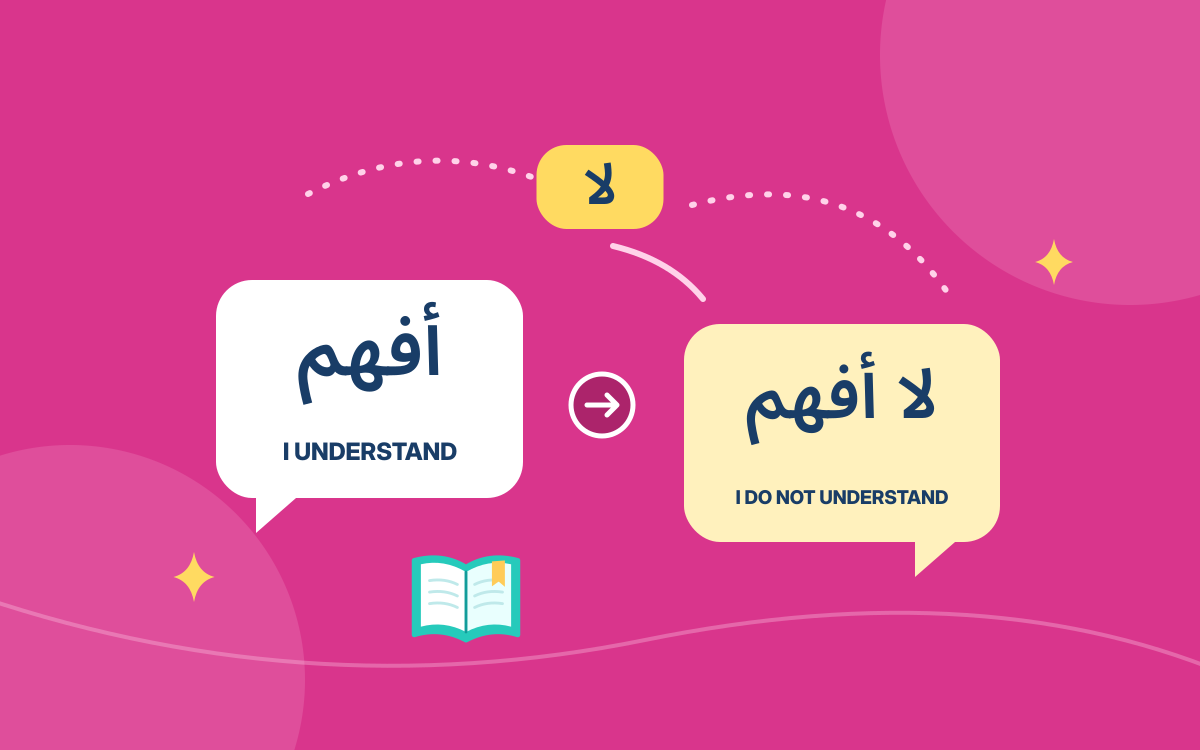
لَا أَحْتَاجُ إِلَى قَلَمٍ
la ahtaju ila qalam
I do not need a pen.
Already holding a pen? Put la before ahtaju. Keep ila and the noun after the verb. This says you do not need a pen; it does not say you do not own one.
Use the same contrast for water: ahtaju ila ma expresses a need; la ahtaju ila ma denies that need. Choose the meaning first, then build the sentence.
The plain reading aids omit some grammatical endings. The Arabic keeps the noun ending used after ila visible for reference.
What to remember
- Use ahtaju ila before the noun naming what you need.
- Add min fadlika to one man or min fadliki to one woman for please.
- Put la before ahtaju to say you do not need something.
Your reference shelf
Open a guide whenever you need it.
Four essentials to keep handyOpen the complete request list and a short grammar note
On small screens, scroll the table sideways to see every column.
| Essential | Arabic | Plain reading aid |
|---|---|---|
| Water | أَحْتَاجُ إِلَى مَاءٍ | ahtaju ila ma |
| A pen | أَحْتَاجُ إِلَى قَلَمٍ | ahtaju ila qalam |
| A ticket | أَحْتَاجُ إِلَى تَذْكِرَةٍ | ahtaju ila tadhkira |
| Help | أَحْتَاجُ إِلَى مُسَاعَدَةٍ | ahtaju ila musaada |
Ila is a preposition. The indefinite singular nouns shown here take a genitive ending after it, written with kasratan. The simplified reading aids pause on the final noun and omit that ending. They also simplify sounds, so use them beside the Arabic rather than as an exact pronunciation guide.
The pattern here takes a noun. Sentences meaning “I need to do something” use a different construction and are outside this short lesson.
Sources & further learning
References for the language explanations and learning guidance.