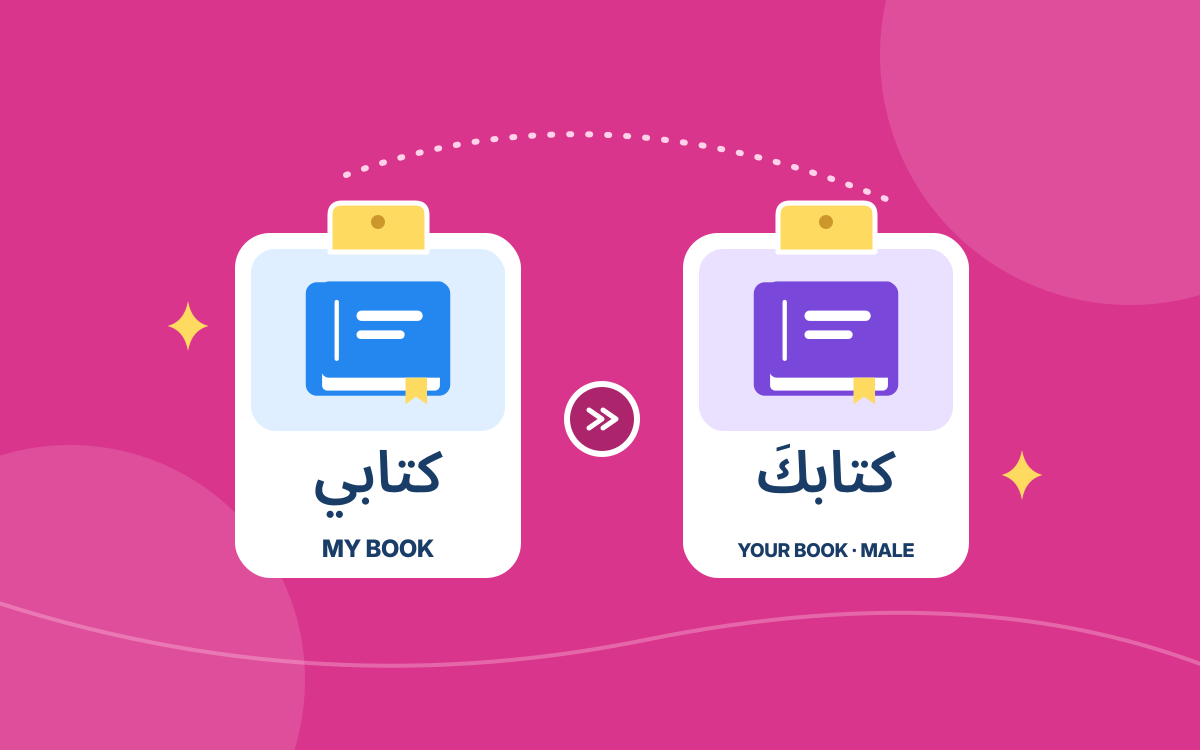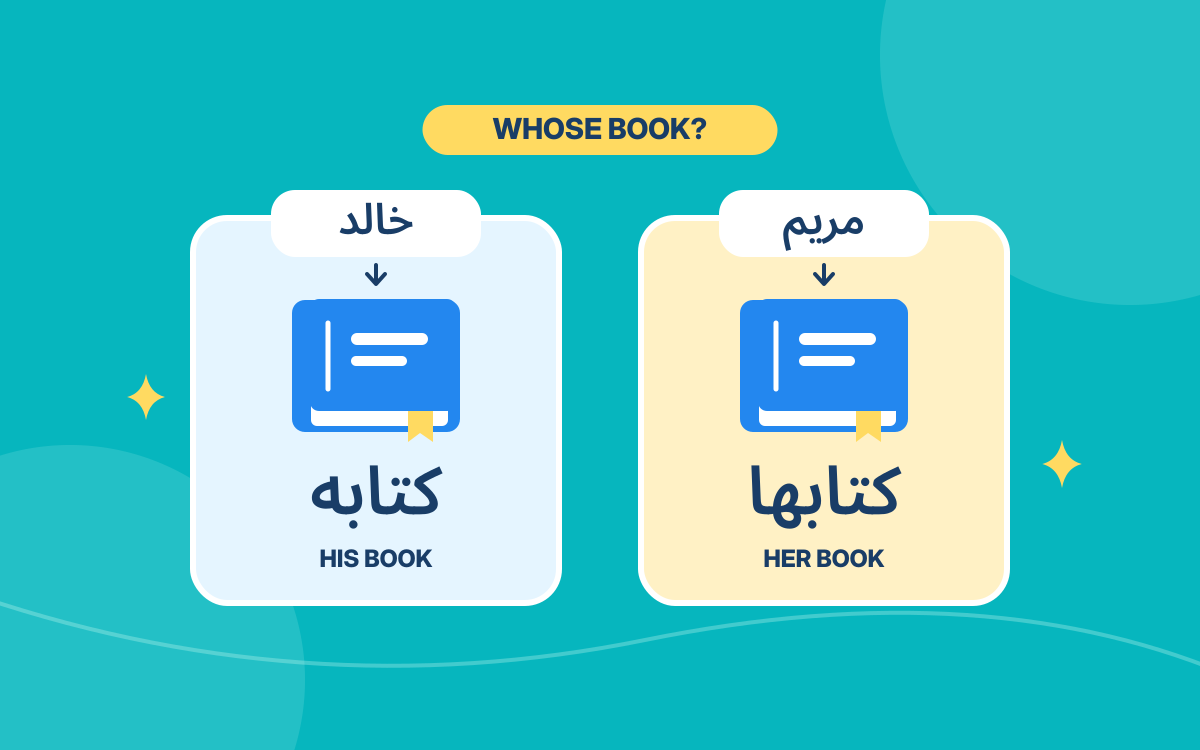
Kitabuhu means his book; kitabuha means her book in the “This is…” examples here. Arabic attaches these ownership endings directly to the noun. Choose his or her according to the owner, not the object. Practise with two named owners and the same everyday things.
01Keep the object, change the owner
kitabuhu
His book
kitabuha
Her book
Both objects are books. Only the owner changes. In these forms, هُ hu means his, while هَا ha means her. The ending stays attached as part of one written word.
02Say the whole sentence
هَذَا كِتَابُهُ
hadha kitabuhu
This is his book.
هَذَا كِتَابُهَا
hadha kitabuha
This is her book.
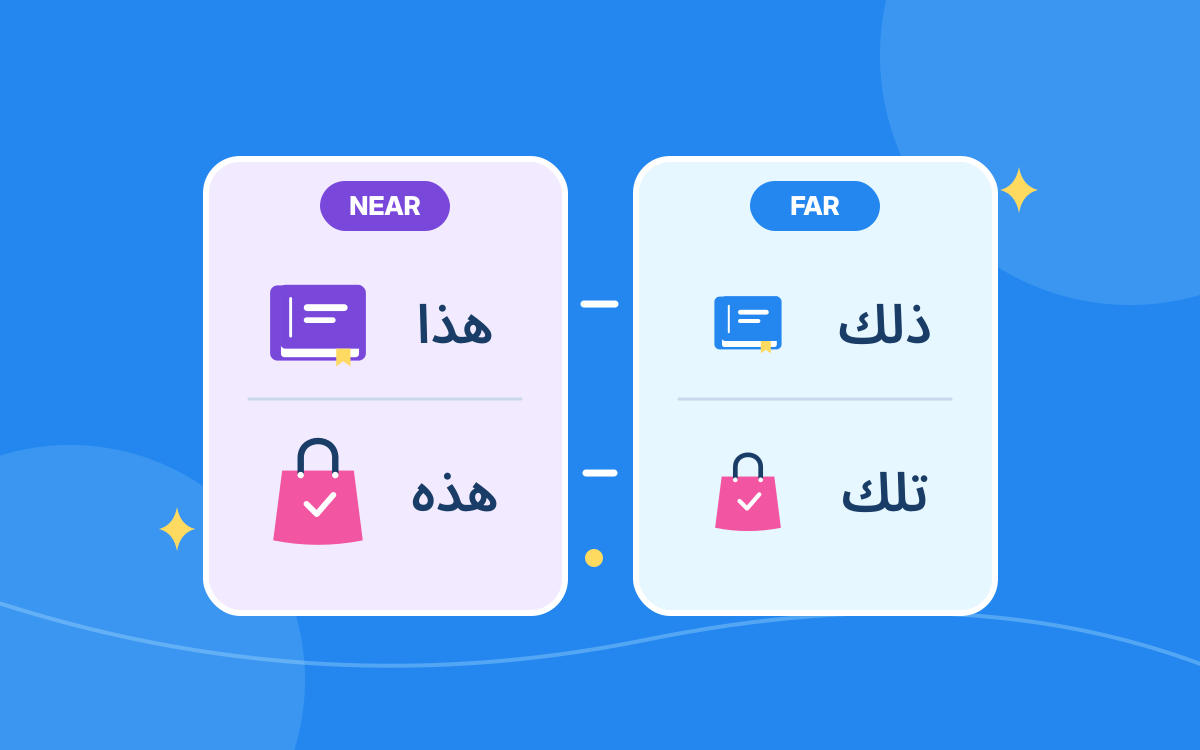
Use hadha because kitab is a masculine noun. That first word stays the same for Khalid’s book and Maryam’s book. The ending on kitab identifies the owner.
You are speaking about the owner here. His and her differ from your, which addresses the owner directly. Imagine telling a friend which book belongs to Khalid or Maryam, rather than talking to the owner about “your book.”
03Use the same endings with a pen
qalamuhu
His pen
qalamuha
Her pen
Qalam is pen. The two endings work in the same way: qalamuhu belongs to him, and qalamuha belongs to her. A pen is also grammatically masculine, so use hadha in the full sentence.
هَذَا قَلَمُهَا
hadha qalamuha
This is her pen.
Cover the owner labels on the book cards and recall their endings. Then apply those same endings to the pen.
04Notice the bag’s spelling
Bag is حَقِيبَة haqiba. Before an ownership ending, its final ة changes to ت.
haqibatuhu
His bag
haqibatuha
Her bag
هَذِهِ حَقِيبَتُهُ
hadhihi haqibatuhu
This is his bag.
Hadhihi matches the feminine noun bag. Hu still points to a male owner. These are two separate choices: the object controls this; the owner controls his or her. A bag belonging to Khalid still uses hadhihi.
05Keep the ending attached
هَذِهِ حَقِيبَتُهَا
hadhihi haqibatuha
This is her bag.
Possessive endings already identify the noun, so do not add ال to kitabuha. Write the noun and ending together: one word for her book, one word for his bag.
The displayed u vowels fit our Modern Standard Arabic “This is…” sentences. Other grammatical positions can change them; for example, his can appear as hi after an i sound. Start by learning these complete sentences. The optional reference keeps all six ownership forms together, with the spelling change visible.
What to remember
- Choose his or her according to the owner, not the object’s gender.
- Use hadha for book or pen and hadhihi for bag in these sentences.
- Keep each possessive suffix attached; ة changes to ت before it.
Your reference shelf
Open a guide whenever you need it.
Book, pen and bag: his or herOpen six forms that fit the sentence patterns above
On small screens, scroll the table sideways to see every column.
| Object | His | Her |
|---|---|---|
| Book | كِتَابُهُ kitabuhu | كِتَابُهَا kitabuha |
| Pen | قَلَمُهُ qalamuhu | قَلَمُهَا qalamuha |
| Bag | حَقِيبَتُهُ haqibatuhu | حَقِيبَتُهَا haqibatuha |
These are nominative noun forms used in the examples above. The noun’s case vowel can change in another sentence. For comparison, فِي كِتَابِهِ fi kitabihi means in his book; فِي كِتَابِهَا fi kitabiha means in her book. The owner has not changed.
Plain reading aids use letters and spaces without pronunciation symbols. They support recognition alongside the Arabic; they do not represent every sound precisely.
Sources & further learning
References for the language explanations and learning guidance.