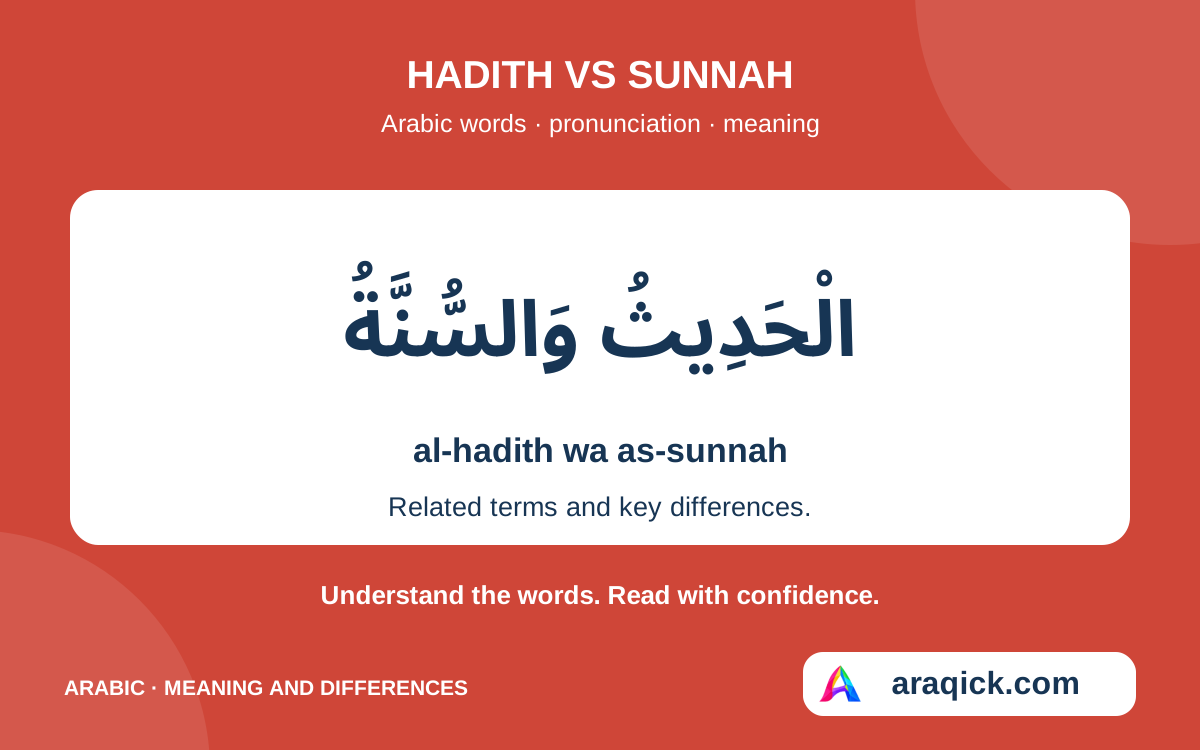
Hadith, حَدِيثٌ, can mean speech or a report; in Islamic study it commonly names a narrated report about the Prophet Muhammad. Sunnah, سُنَّةٌ, means a way or practice and often refers to his example and guidance. The terms overlap, but they emphasise different aspects of the material.
01Hadith has ordinary and specialised meanings
حَدِيثٌ can mean speech, conversation or a report. Its setting determines the translation. Quran 39:23 uses the word while describing the revealed Book; there it is not naming an entry in a later hadith collection. Recognising the word does not remove the need to read what it refers to.
In Islamic study, a hadith commonly means a transmitted report about the Prophet Muhammad, including his words, actions, approvals or descriptions. This is broader than a short quotation. A report may preserve what a witness observed as well as something the Prophet said aloud.
02Sunnah means a way or practice
The noun سُنَّةٌ names a way, established practice or pattern. In a prophetic context, Sunnah often refers to the Prophet’s example and guidance. Sahih Muslim 1401 uses the word in a discussion of his way of living, including worship and ordinary life. The reference is broader than a single movement.
The Quran also uses sunnah outside this specific meaning. Quran 33:62 speaks of God’s way concerning earlier people. Do not replace that meaning with “the Prophet’s actions” simply because the same noun is familiar from Islamic lessons. The phrase and subject identify the intended sense.
03A report can convey an example
A useful starting distinction is report and example: hadith draws attention to something narrated, while Sunnah often draws attention to the prophetic guidance conveyed. The same material can therefore be discussed using either word, depending on the writer’s purpose. They are not two sealed containers with no shared content.
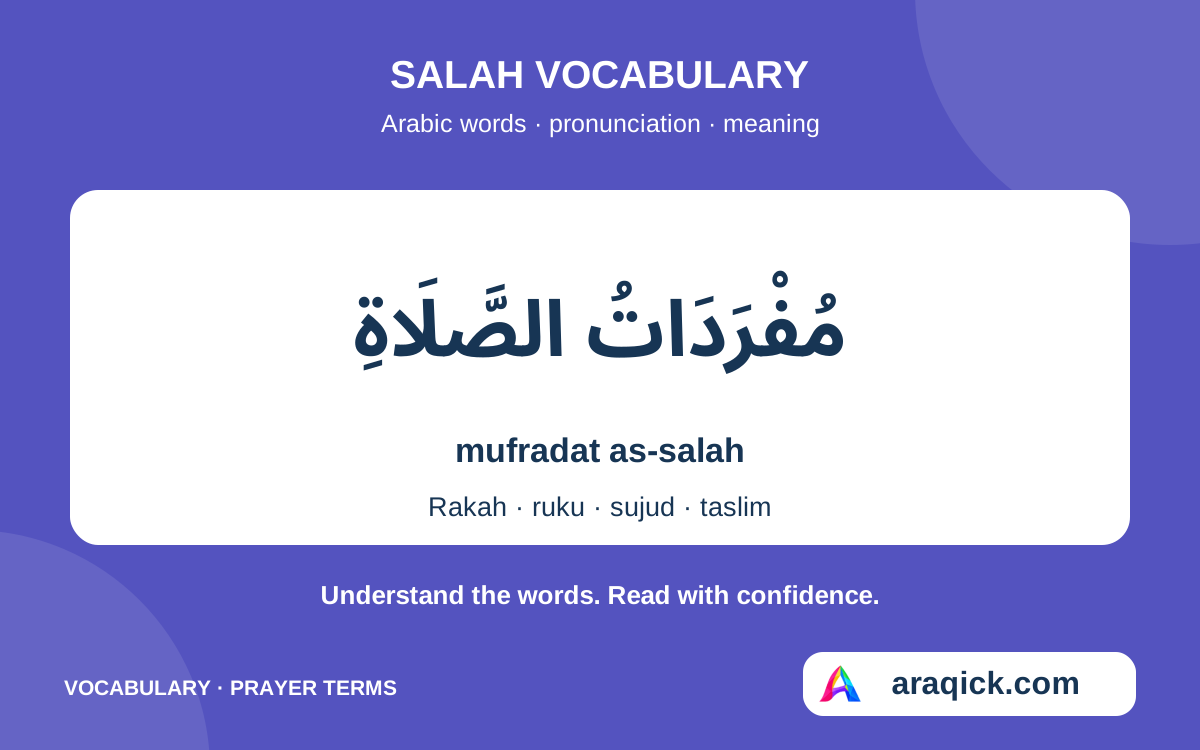
Sahih al-Bukhari 631, for example, narrates teaching connected with how the Prophet prayed. It is a hadith that helps communicate prophetic practice. Our salah vocabulary guide explains the Arabic nouns used when reading about prayer postures and spoken actions.
04Reports include speech, action and approval
A saying report records spoken teaching: Sahih al-Bukhari 1, on intentions, is a familiar example. Other reports describe events and actions. Reports of approval can describe something done with the Prophet’s knowledge and acceptance. Such material shows why “hadith means sayings only” is an incomplete definition.
Sahih al-Bukhari 5537 narrates Khalid eating a dish while the Prophet observed, after a spoken clarification about it. This combines speech and an observed response in one report. Likewise, Sunnah should not be reduced to actions alone: verbal teaching can form part of prophetic guidance.
05Isnad and matn describe parts of a report
إِسْنَادٌ, isnaad at a pause, means a chain of transmission in hadith study. مَتْنٌ, matn, names the report’s main text or content. A collection may present narrators before the account itself, so recognising these two labels helps you follow its structure.
Calling an item a hadith identifies it as a report; the word alone does not establish its authenticity. Source identification and scholarly assessment are separate questions. When noting a reference, preserve the collection and report number instead of treating an unattributed sentence or a social image as a complete citation.
06Pronounce the vowels and distinguish similar spellings
Read hadith as hadiith: its ii is long, its first consonant is the deeper Arabic haa, and its final th resembles the sound in English “thin.” Read sunnah with a short u and a held n. The shaddah marks that doubled consonant, not a long vowel.
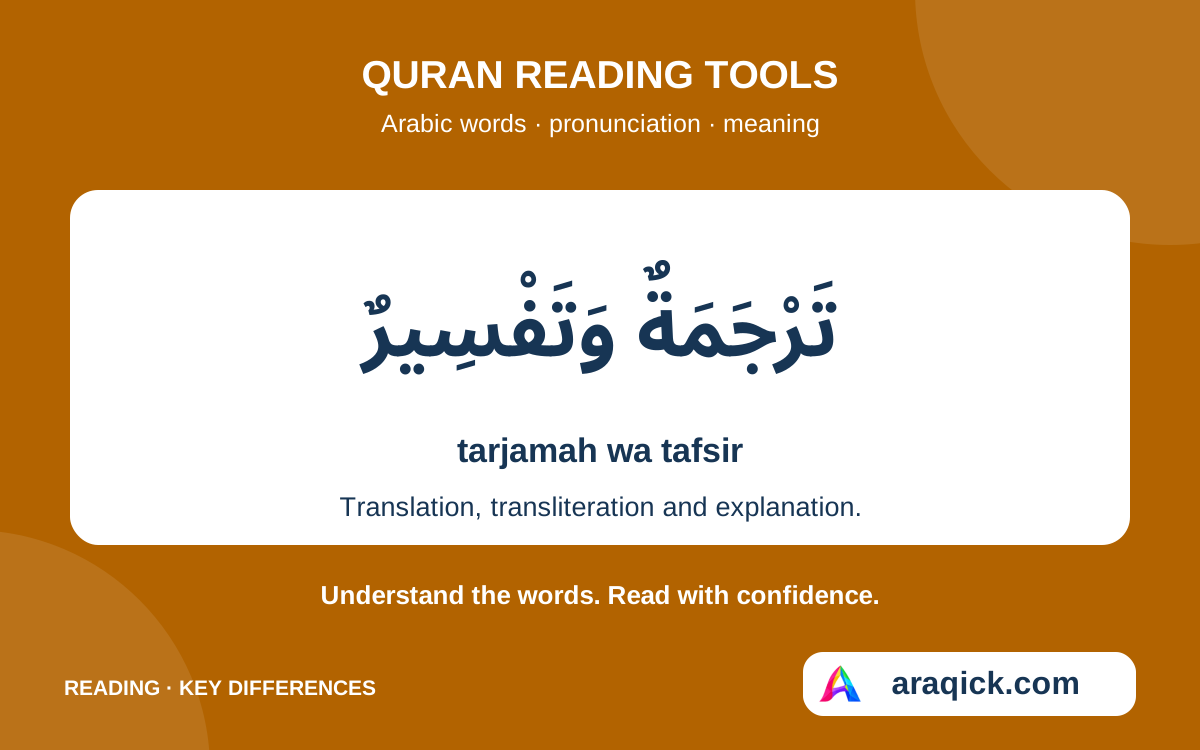
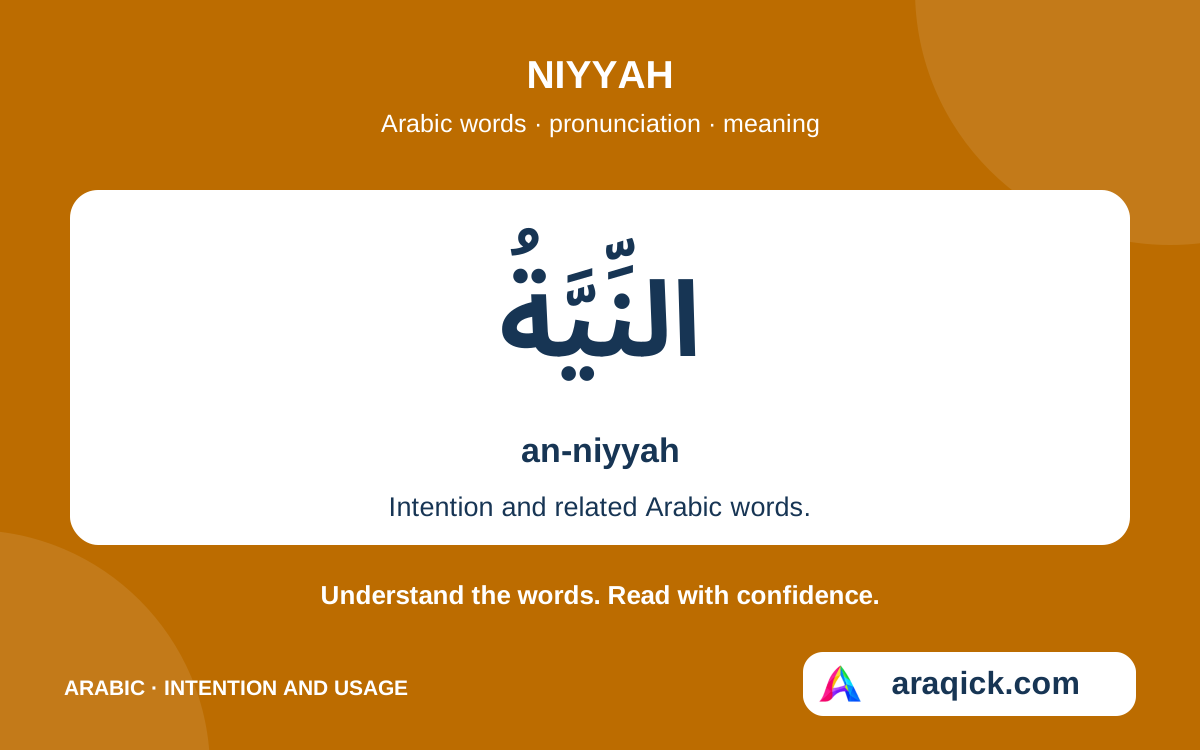
The plurals are أَحَادِيثُ, ahaadiith, and سُنَنٌ, sunan. Without vowel marks, sunnah can resemble سَنَةٌ, sanah, meaning year; the vocalisation separates them. For another comparison between language tools, read translation, transliteration and tafsir. The niyyah guide explores the intentions vocabulary mentioned above.
What to remember
- Hadith commonly names a transmitted report; it can include more than spoken sayings.
- Sunnah often names prophetic example and guidance, with wider meanings in other contexts.
- Isnad is the transmission chain, matn is the text, and a report’s label alone does not prove authenticity.
Your reference shelf
Open a guide whenever you need it.
Core terms and pronunciationPaused noun readings appear here; connected endings may differ in sentences.
| Arabic | Paused reading | Meaning in this guide |
|---|---|---|
| حَدِيثٌ | hadiith | Speech; a report; a narrated hadith in the specialised context |
| أَحَادِيثُ | ahaadiith | Hadith reports; plural |
| سُنَّةٌ | sunnah | Way or practice; prophetic example in context |
| سُنَنٌ | sunan | Ways or practices; plural |
| إِسْنَادٌ | isnaad | Chain of transmission |
| مَتْنٌ | matn | Main text of a report |
| سَنَةٌ | sanah | Year; different vocalisation from sunnah |
What the source examples illustrateThese brief descriptions identify the language point rather than reproducing full reports.
| Source | Example | Language point |
|---|---|---|
| Quran 39:23 | Hadith in a description of the revealed Book | The wider noun is not always the technical collection label |
| Quran 33:62 | Sunnah in a phrase about God’s way | The surrounding phrase selects the sense |
| Sahih Muslim 1401 | The Prophet’s way of living | Sunnah can refer to a broad example |
| Sahih al-Bukhari 1 | Teaching about intentions | A report of spoken teaching |
| Sahih al-Bukhari 631 | Teaching linked to observed prayer | A narrated report can convey practice |
| Sahih al-Bukhari 5537 | A clarification and an observed response at a meal | One report can combine several kinds of information |
Sources & further learning
References for the language explanations and learning guidance.
- Quran 39:23: hadith as a description of the revealed Book
- Quran 33:62: sunnah as God’s way
- Sahih Muslim 1401: Sunnah in a discussion of the Prophet’s way
- Sahih al-Bukhari 1: a transmitted saying about intentions
- Sahih al-Bukhari 631: teaching connected with observed prayer
- Sahih al-Bukhari 5537: speech and an observed response in one report