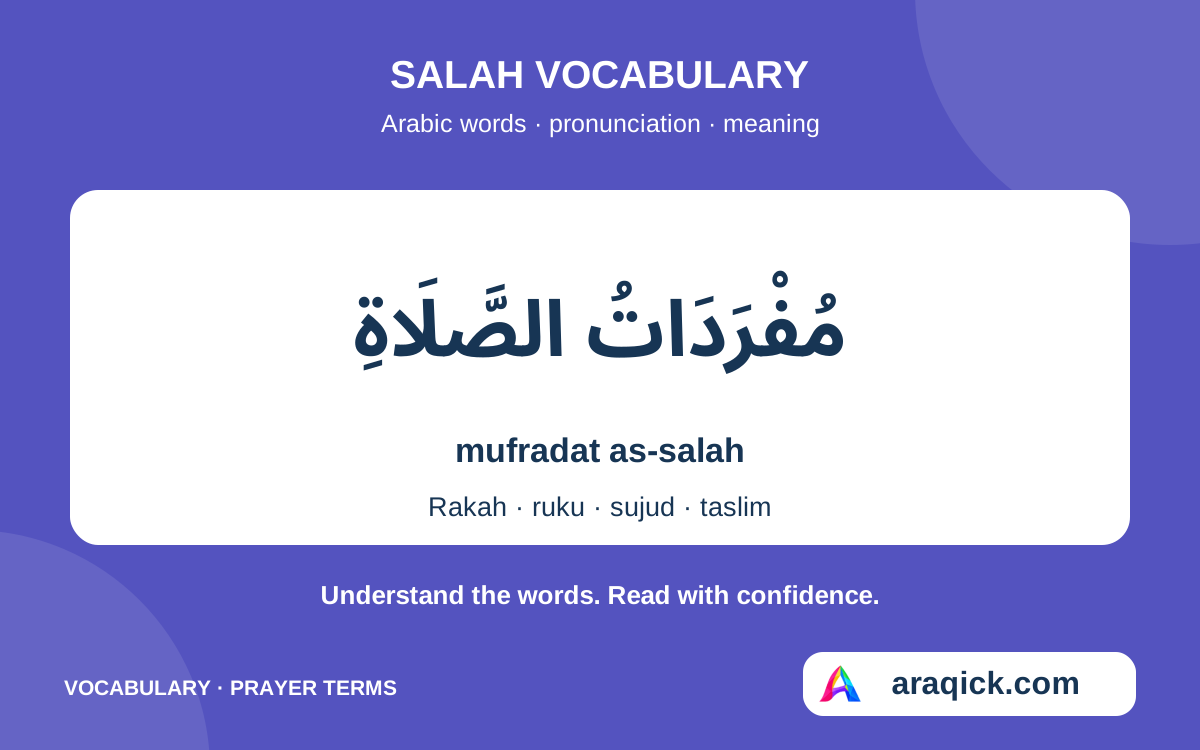
A rakah, رَكْعَةٌ, is a unit of salah. Ruku, رُكُوعٌ, means bowing; sujud, سُجُودٌ, means prostration; taslim, تَسْلِيمٌ, names the concluding greeting in prayer. These words describe different things: a unit, movements and a spoken action. Learning that distinction makes prayer vocabulary easier to understand.
01Rakah names a unit, not one movement
A rakah is a structured unit within salah, rather than another word for a bow or a prostration. Its name is related to the root used for bowing, but the technical prayer term refers to the unit as a whole. Related words need not have identical meanings.
The plural is رَكَعَاتٌ, rakaat; the two-unit form is رَكْعَتَانِ, rakatani when used as a standalone nominative form. In ordinary English writing you may see rakah, rakah with an apostrophe, or rakat. The Arabic spelling makes the singular and plural distinction clearer than those varying roman spellings.
02Ruku means bowing
رُكُوعٌ names the act or posture of bowing. It is not the word for an entire unit. The related verb رَكَعَ, rakaa, means “he bowed”; رَاكِعٌ, raki, means “bowing” or “a person who bows,” depending on the sentence.
Quran 2:43 contains related forms from this root, including an instruction to bow and a reference to those who bow. This word family shows how a root links actions and descriptions. Our Arabic roots guide explains why the pattern, as well as the root, matters.
03Sujud and sajdah are closely related
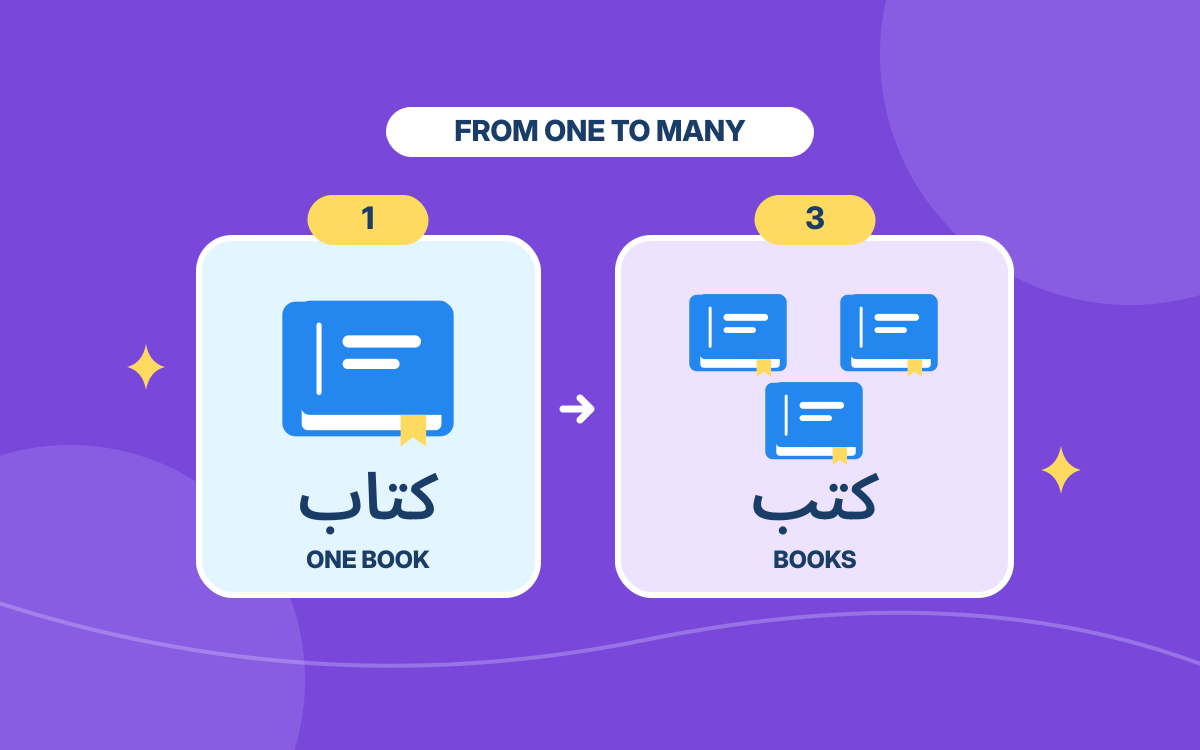
سُجُودٌ, sujud, names prostration as an action. سَجْدَةٌ, sajdah, can name a single prostration; its plural is سَجَدَاتٌ, sajadat. A sajdah and a rakah are therefore different counting units. The first counts a prostration, while the second counts a complete unit of prayer.
The related verb سَجَدَ, sajada, means “he prostrated.” Masjid, مَسْجِدٌ, names a place of prostration and is the Arabic word for mosque. Shared root letters connect this family without making the building, the action and a single occurrence interchangeable.
04Qiyam, itidal and julus describe posture
قِيَامٌ, qiyam, means standing. اِعْتِدَالٌ, itidal, conveys becoming straight or upright; in prayer vocabulary it commonly refers to the upright position after rising from bowing. جُلُوسٌ, julus, means sitting. These are posture words, while rakah describes a larger unit containing several actions.
Sahih al-Bukhari 793 distinguishes bowing, standing upright, prostrating and sitting in its description of prayer. Read the terms as vocabulary for recognising those positions. This article is a language reference; details of how a person performs prayer belong with their practical instruction and teacher.
05Takbir, qiraah, tashahhud and taslim name actions
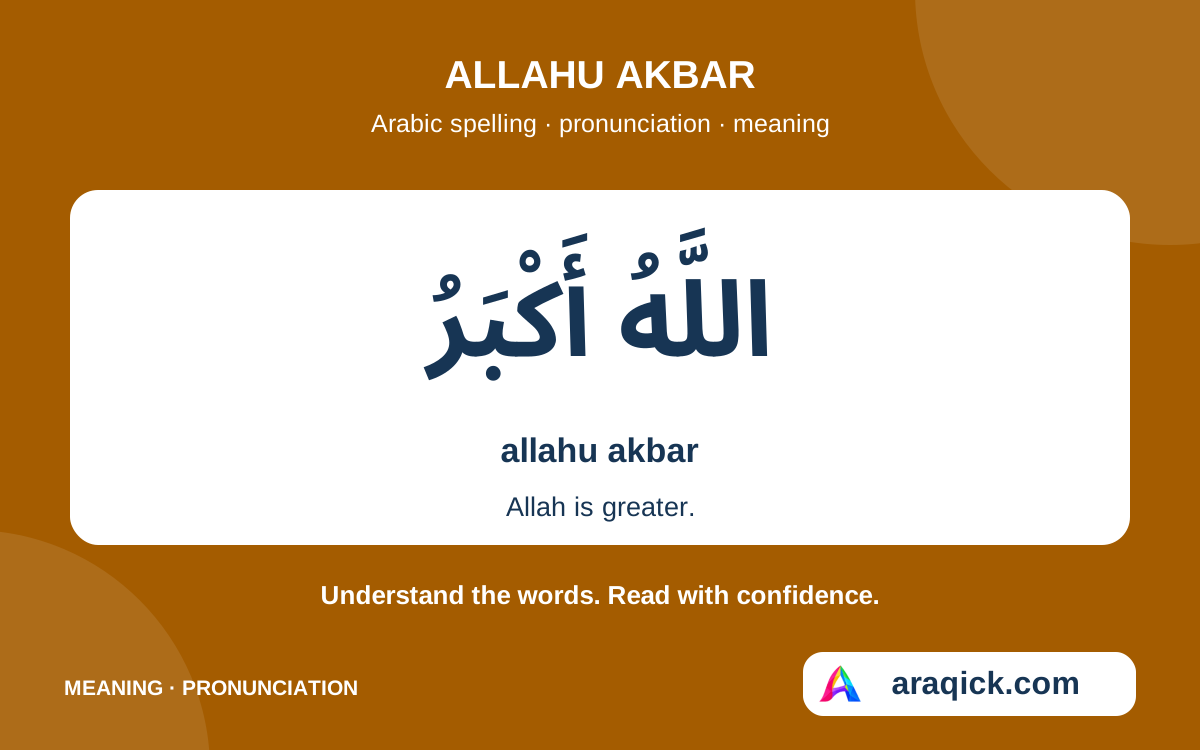
تَكْبِيرٌ, takbir, names declaring God’s greatness; the familiar expression is Allahu akbar. قِرَاءَةٌ, qiraah, means reading or recitation. تَشَهُّدٌ, tashahhud, names the testimony recited in the seated part of prayer. تَسْلِيمٌ, taslim, names the concluding greeting in this context.
These nouns identify actions or recitations, rather than four more body postures. Learning each term’s function helps when following a lesson that mentions “the takbir” or “the taslim.” For the opening expression’s meaning, see Allahu akbar in Arabic. Individual recitations have their own wording and context.
06Read the Arabic endings and the surrounding words
The tables show fully vowelled standalone forms. A final un or an ending may change within a sentence and is often dropped at a pause. Ruku and sujud contain long uu vowels; rakah has a short first vowel. Plain-letter transliteration cannot fully represent ayn, the Arabic throat consonant in several terms.
Practise by sorting words into “unit,” “posture” and “spoken action,” then checking the meaning. Keep sajdah separate from sujud and rakah separate from ruku. For the number forms used when counting units, visit our Arabic plurals guide. Start with meaning before trying to memorise every grammatical ending.
What to remember
- Rakah counts a prayer unit; ruku names bowing and sujud names prostration.
- Sajdah can name one prostration, and sajadat is its plural.
- Posture terms and recitation terms describe different parts of the vocabulary.
Your reference shelf
Open a guide whenever you need it.
Units and postures at a glanceRead the Arabic form, then identify whether it describes a whole unit, an action or a position.
| Arabic | Plain-letter reading | Meaning |
|---|---|---|
| رَكْعَةٌ | rakah | A unit of salah |
| رَكَعَاتٌ | rakaat | Prayer units; plural of rakah |
| رُكُوعٌ | ruku | Bowing |
| سُجُودٌ | sujud | Prostration |
| سَجْدَةٌ | sajdah | A single prostration |
| سَجَدَاتٌ | sajadat | Prostrations; plural of sajdah |
| قِيَامٌ | qiyam | Standing |
| اِعْتِدَالٌ | itidal | Uprightness; standing upright after bowing in this context |
| جُلُوسٌ | julus | Sitting |
Spoken actions and useful related wordsThese terms name a declaration, recitation, greeting or a related form; they are not additional body postures.
| Arabic | Plain-letter reading | Meaning |
|---|---|---|
| تَكْبِيرٌ | takbir | Declaring God’s greatness |
| قِرَاءَةٌ | qiraah | Reading; recitation |
| تَشَهُّدٌ | tashahhud | The seated testimony in prayer |
| تَسْلِيمٌ | taslim | The concluding greeting in prayer |
| رَكَعَ | rakaa | He bowed |
| سَجَدَ | sajada | He prostrated |
| مَسْجِدٌ | masjid | Mosque; place of prostration |
Sources & further learning
References for the language explanations and learning guidance.