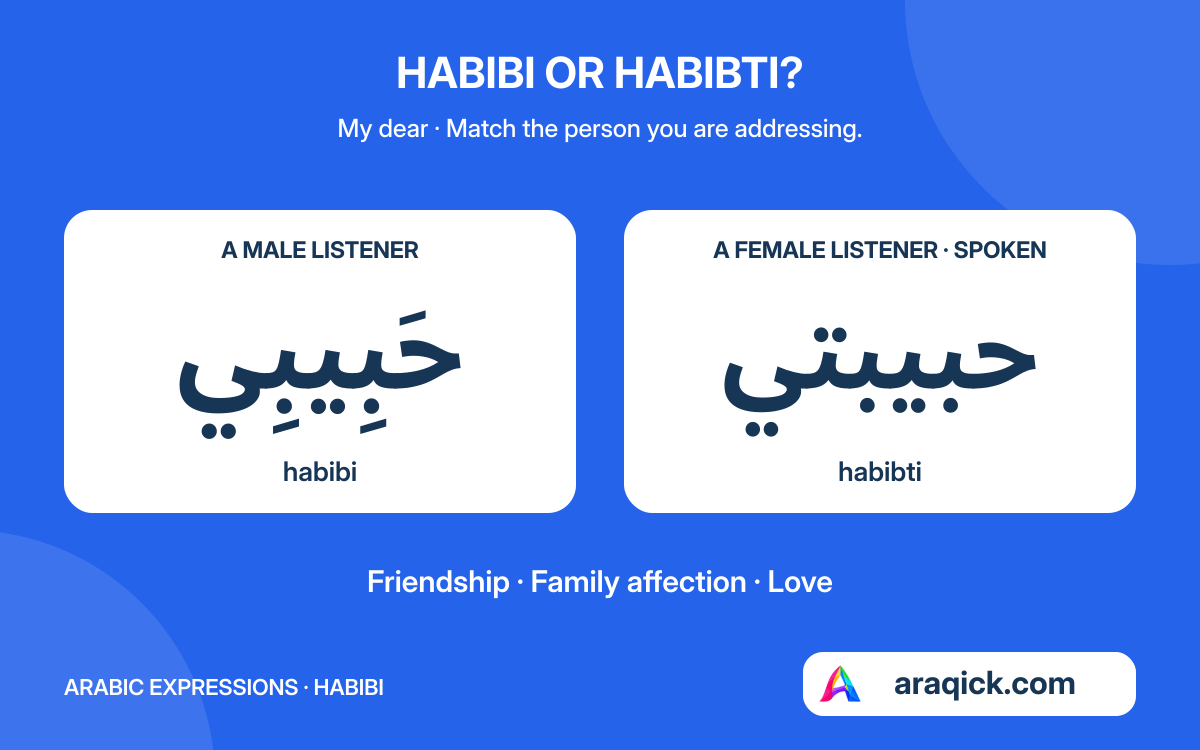
Habibi means “my dear” or “my beloved.” حَبِيبِي usually addresses a man or boy; حبيبتي, commonly pronounced habibti in speech, addresses a woman or girl. The expression can convey friendship, family affection, or romantic love. The relationship and tone tell you which meaning fits.
01What does habibi mean?
Think of a warm way to address someone, rather than a complete sentence meaning “I love you.” The noun حَبِيب means a beloved person; the ending ي adds “my.” Together they form one word.
حَبِيبِي
habibi
My dear; my beloved.
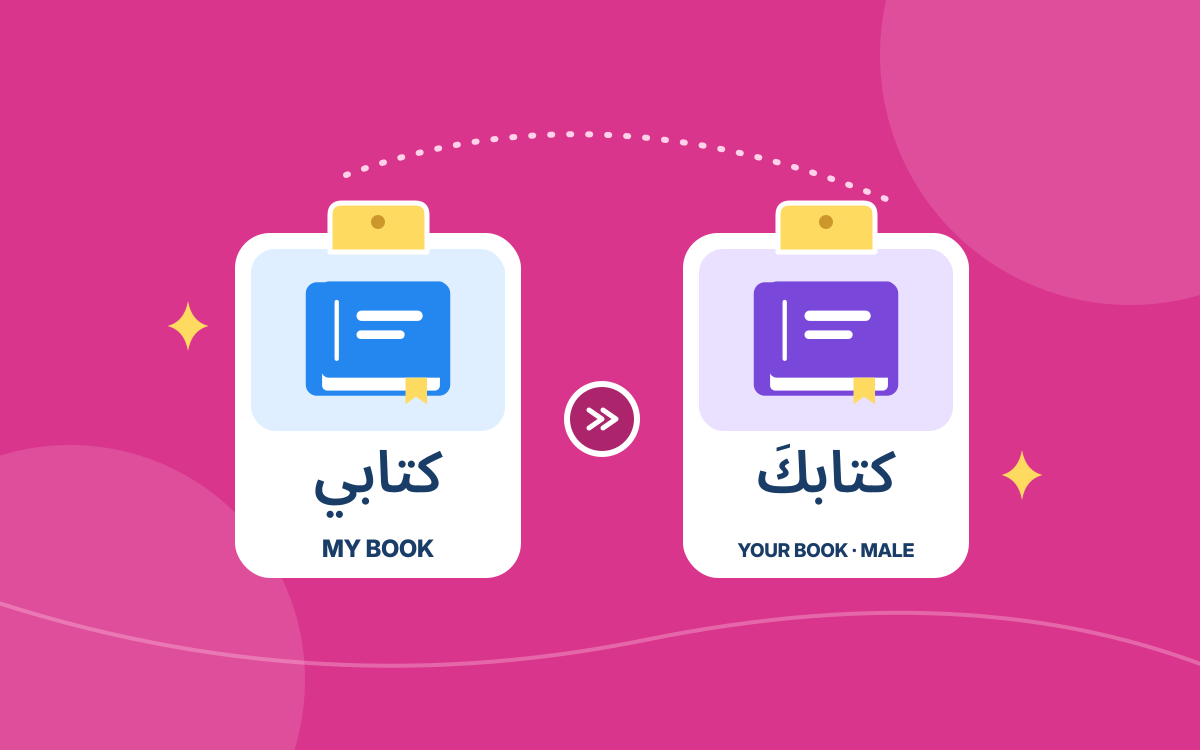
That ending works for any speaker. Compare it with the same ownership idea in my and your in Arabic.
02Habibi or habibti?
habibi
My dear.
habibti
My dear.
Choose according to the person you are addressing. A woman speaking affectionately to her brother can say habibi; a man addressing his daughter can say habibti. These are useful beginner forms, although actual family habits and dialect usage vary.
03Why do I also see habibati?
Careful Standard Arabic · feminine
حَبِيبَتِي
habibati
My beloved; my dear.
The careful Standard Arabic form has an a before t. Many spoken varieties shorten it to habibti. Both are written حبيبتي without vowel marks. The final ة of حَبِيبَة becomes ت before “my.” The spelling and the spoken reading are separate things to notice.
04What does ya habibi mean?
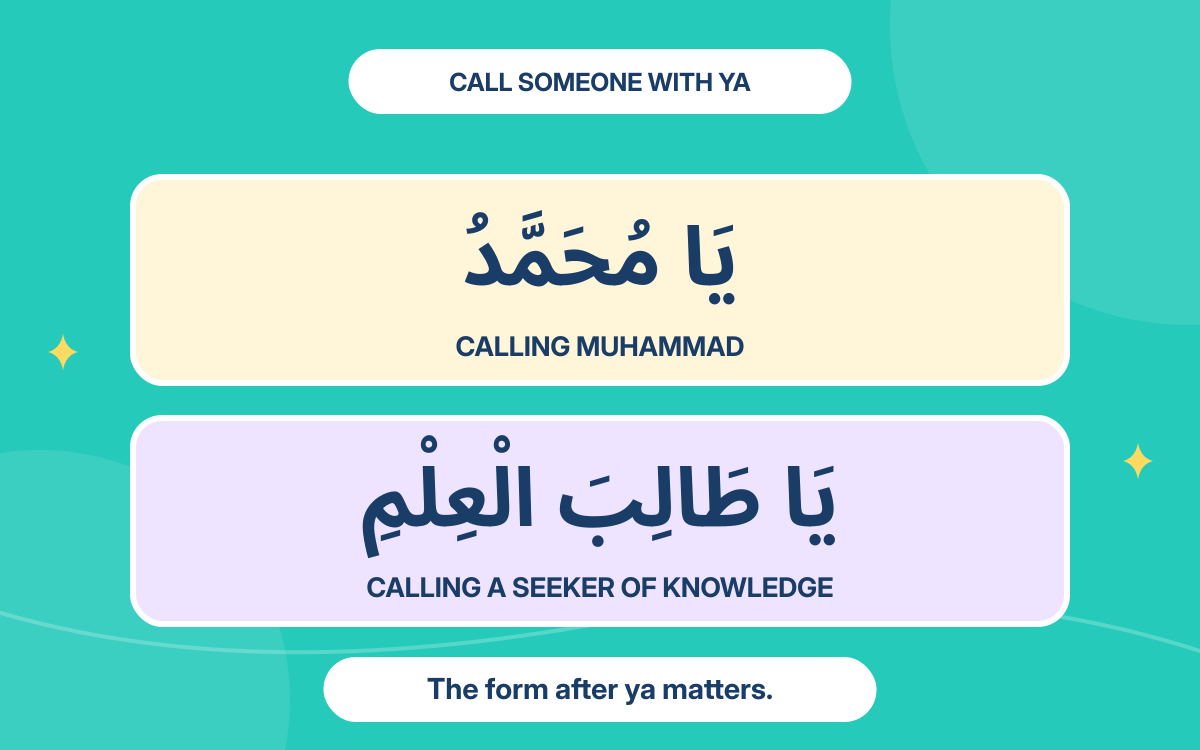
The small word يَا introduces direct address. It is often left untranslated in natural English. It does not add “my”; habibi already contains that meaning.
شُكْرًا يَا حَبِيبِي
shukran ya habibi
Thank you, my dear.
Read calling someone with ya for more examples. Say the whole expression gently; a written phrase cannot show the speaker’s tone.
05Does it always mean romance?
No. Imagine two different moments: a parent welcomes a child, and close friends thank each other for a favour. Habibi can fit both without a romantic meaning. In a work email to someone you barely know, a name and a neutral greeting are usually a clearer starting point.
Notice how people address one another in that particular relationship. Familiarity in one conversation does not automatically make the same wording suitable everywhere.
06How can I reply?
There is no fixed reply required by habibi alone. Respond to the surrounding message. If someone thanks you warmly, you can acknowledge the thanks; if someone greets you, return the greeting. You do not have to repeat a term of endearment.
مَرْحَبًا يَا حَبِيبِي
marhaban ya habibi
Hello, my dear.
A simple مَرْحَبًا (marhaban, hello) can answer this greeting.
07Separate a dear person from a declaration
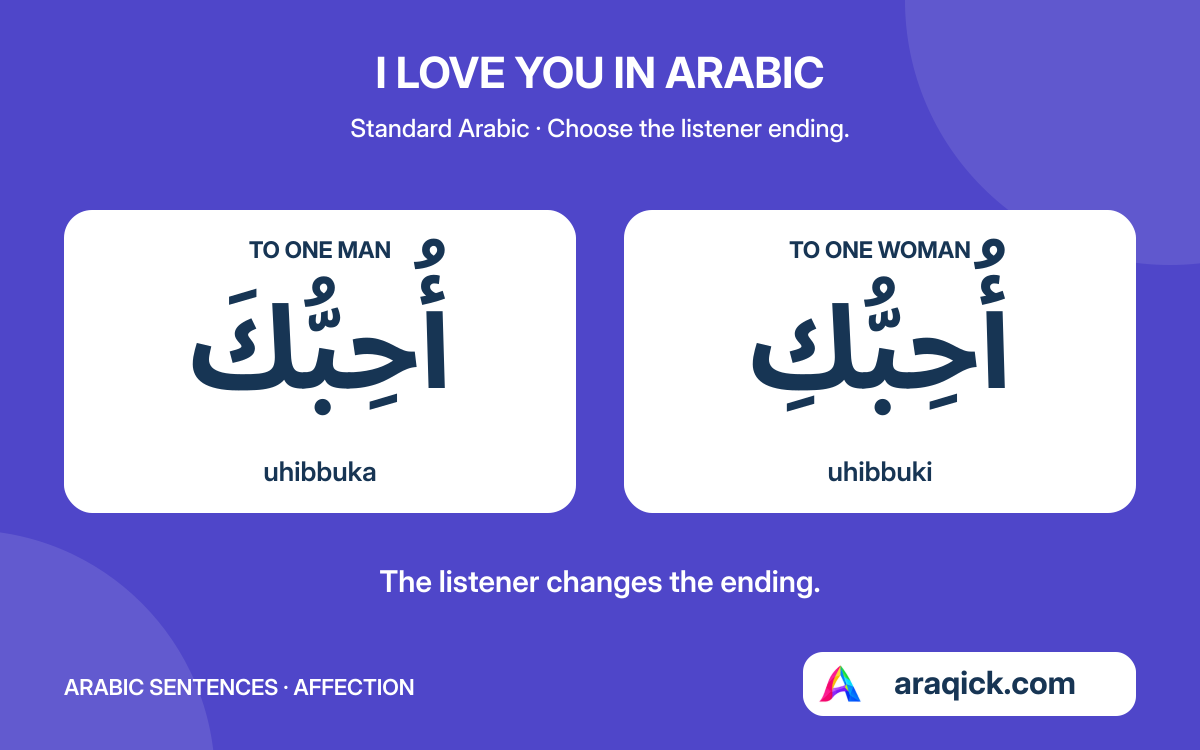
Habibi names or addresses a dear person. أُحِبُّكَ (uhibbuka) is a sentence: “I love you,” addressed to a man. Learn the complete forms in I love you in Arabic.
Try this small practice: choose a listener, choose the appropriate affectionate form, and add a greeting or thanks. Then explain why the relationship makes that wording comfortable. Plain reading aids are approximate; use the Arabic letters as your spelling reference.
What to remember
- Habibi usually addresses a male listener; spoken habibti addresses a female listener.
- Careful Standard Arabic has habibati; unvowelled spelling remains حبيبتي.
- Ya introduces direct address. Context distinguishes friendship, family affection and romance.
Your reference shelf
Open a guide whenever you need it.
Affectionate forms at a glanceCompare the listener, written form and reading.
| Expression | Reading | Use |
|---|---|---|
| حَبِيبِي | habibi | My dear; addressing a man or boy |
| حبيبتي | habibti | Common spoken feminine form |
| حَبِيبَتِي | habibati | Careful Standard Arabic feminine form |
| يَا حَبِيبِي | ya habibi | Direct affectionate address |
| أُحِبُّكَ | uhibbuka | I love you; to one man |
The gender labels describe the regular forms in this lesson, not every affectionate usage in every community.
Sources & further learning
References for the language explanations and learning guidance.