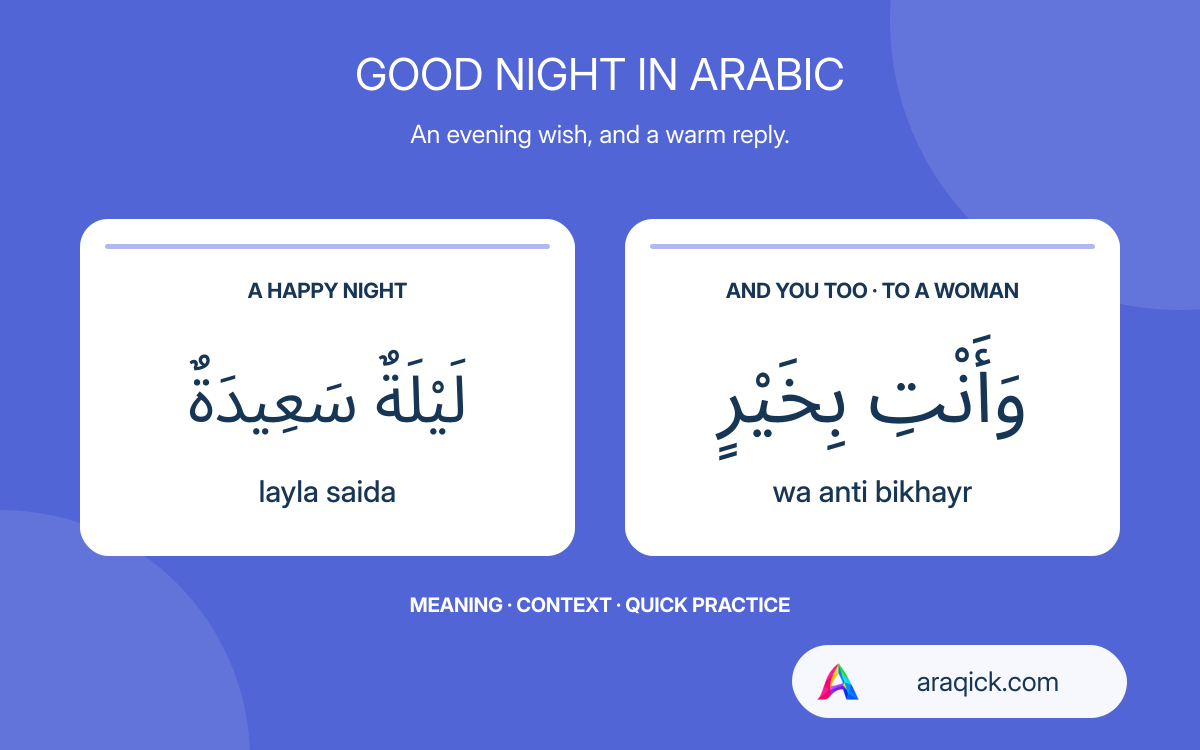
A common Arabic good-night wish is تُصْبِحُ عَلَى خَيْرٍ (tusbihu ala khayr in connected standard reading), addressed to a man. Spoken readings include tisbah ala kheir. It wishes someone well into the morning. لَيْلَةٌ سَعِيدَةٌ (layla saida) means “a happy night.” Use a bedtime or parting wish when ending the evening, and choose the listener form where needed.
01Understand the good-night wish
MSA · addressing one man
تُصْبِحُ عَلَى خَيْرٍ
tusbihu ala khayr
Good night.
The expression looks towards the coming morning: roughly, may you wake or enter the morning in well-being. Its conversational meaning is good night, rather than a prediction that someone will wake at a particular time.
Learning the whole wish is more useful than translating each word independently.
02Change the form for the listener
For one woman, standard Arabic uses تُصْبِحِينَ عَلَى خَيْرٍ (tusbihina ala khayr). For a male or mixed group, use تُصْبِحُونَ عَلَى خَيْرٍ (tusbihuna ala khayr). The person giving the wish can be a man or woman.
These longer standard forms differ from the shorter conversational spellings you may see in messages. Treat each as a pattern belonging to its variety, not as interchangeable endings.
03Recognise the spoken forms
Common Egyptian reading · addressing one woman
تصبحي على خير
tisbahi ala kheir
Good night.
Egyptian speech commonly uses tisbah to a man, tisbahi to a woman and tisbahu to a group. Lebanese examples include tusbah, tusbahe and tusbaho; local vowels vary.
The Arabic letter ح is distinct from English h, and خ from k. A reading aid is approximate: listen to a speaker of the variety you are learning.
04Reply with a good wish
MSA · replying to one woman
وَأَنْتِ بِخَيْرٍ
wa anti bikhayr
And may you be well too.
To one man, use وَأَنْتَ بِخَيْرٍ (wa anta bikhayr). Spoken replies include winta bikhair or winti bikhair. Another familiar response is وإنت من أهله (winta min ahlo in Lebanese speech), referring to the people of goodness.
The reply addresses the person who spoke first, so check the listener again.
05Use layla saida
Modern Standard Arabic
لَيْلَةٌ سَعِيدَةٌ
layla saida
Have a happy night; good night.
This is another useful standard night wish. Layla is a feminine noun, so saida agrees with night, not with the person hearing it. You do not change it to a masculine adjective when speaking to a man.
In a message, it can close an evening exchange. More intimate wording should suit the relationship rather than being added automatically.
06Distinguish good evening from good night
مَسَاءُ الْخَيْرِ (masaa alkhayr) greets someone in the evening. A good-night wish usually closes the interaction or comes before sleep. The time on the clock alone does not decide which expression you need.
When joining an evening call, greet the other person. When ending it because you are going to bed, wish them good night. For broader arrival and farewell phrases, see Arabic greetings.
07Practise an evening exchange
Imagine a brother and sister ending a late call. Each chooses the form for the other person, then replies with a matching good wish. Repeat the exchange with two friends or a group.
Keep standard sentences together on one attempt and practise a labelled spoken version on another. Our varieties guide explains why the forms differ; pronoun practice helps you track who is speaking to whom.
What to remember
- Use a night wish before sleep or when closing an evening exchange.
- Change tusbihu for the listener; saida in layla saida describes the night.
- Recognise standard and spoken forms as related but distinct patterns.
Your reference shelf
Open a guide whenever you need it.
Standard good-night wishesStandard readings keep connected verb endings; final noun endings may drop at a pause.
| Arabic | Reading aid | Listener / meaning |
|---|---|---|
| تُصْبِحُ عَلَى خَيْرٍ | tusbihu ala khayr | To one man |
| تُصْبِحِينَ عَلَى خَيْرٍ | tusbihina ala khayr | To one woman |
| تُصْبِحُونَ عَلَى خَيْرٍ | tusbihuna ala khayr | To a male or mixed group |
| وَأَنْتَ بِخَيْرٍ | wa anta bikhayr | Reply to one man |
| وَأَنْتِ بِخَيْرٍ | wa anti bikhayr | Reply to one woman |
| لَيْلَةٌ سَعِيدَةٌ | layla saida | A happy night; no listener-gender change |
Recognise common spoken readingsSpellings and vowels vary locally; these are labelled examples rather than a universal dialect.
| Arabic spelling | Example reading | Variety / listener |
|---|---|---|
| تصبح على خير | tisbah ala kheir | Egyptian; one man |
| تصبحي على خير | tisbahi ala kheir | Egyptian; one woman |
| تصبحوا على خير | tisbahu ala kheir | Egyptian; group |
| وإنت بخير | winta bkhair / winte bkhair | Lebanese; reply to man / woman |
| وإنت من أهله | winta min ahlo / winte min ahlo | Lebanese; alternate reply to man / woman |
Sources & further learning
References for the language explanations and learning guidance.