Practise Arabic conversation by learning both sides of a short exchange: ask, answer, confirm one detail, and close. The five dialogues below cover a meeting, borrowing a pen, visiting a neighbour, making a plan, and checking a room. They use Modern Standard Arabic (MSA); everyday local conversation may use a dialect.
01Dialogue 1: arrange a meeting
MSA · agreeing on time and place
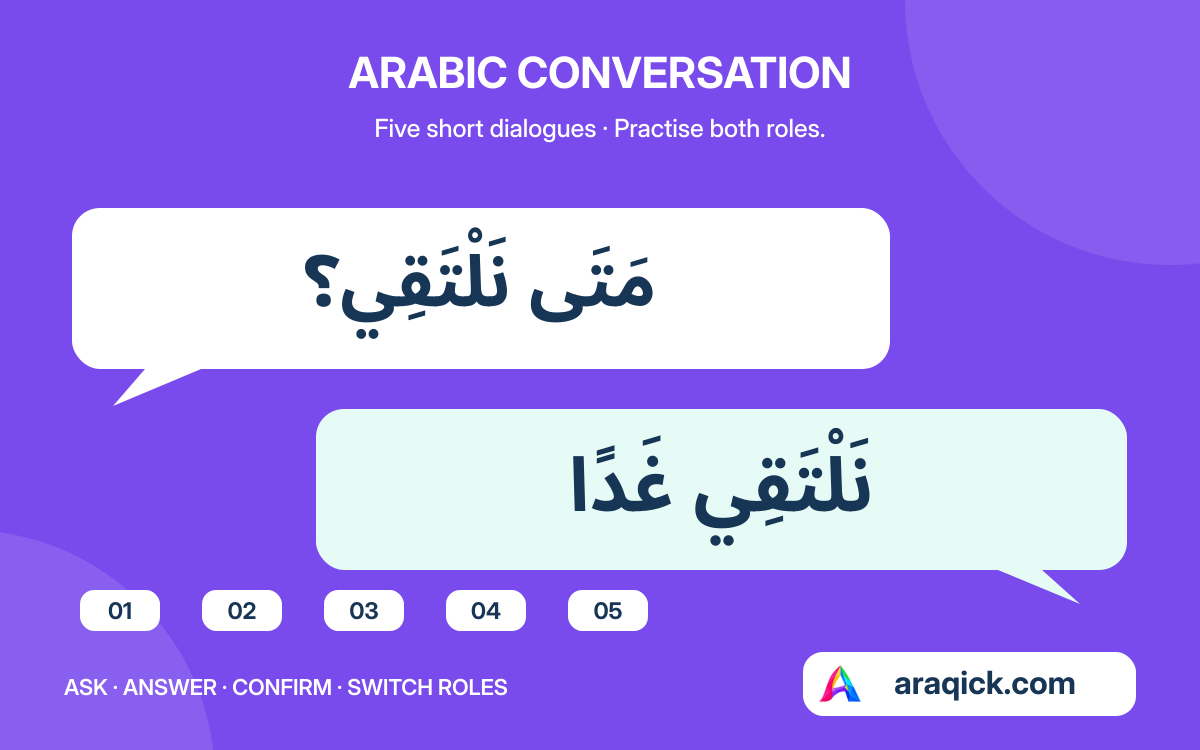
A مَتَى نَلْتَقِي؟
mata naltaqi
When shall we meet?
B نَلْتَقِي غَدًا فِي الرَّابِعَةِ
naltaqi ghadan fi arrabia
We will meet tomorrow at four.
A أَمَامَ الْمَكْتَبَةِ؟
amama almaktaba
In front of the library?
B نَعَمْ، أَمَامَ الْمَكْتَبَةِ
naam amama almaktaba
Yes, in front of the library.
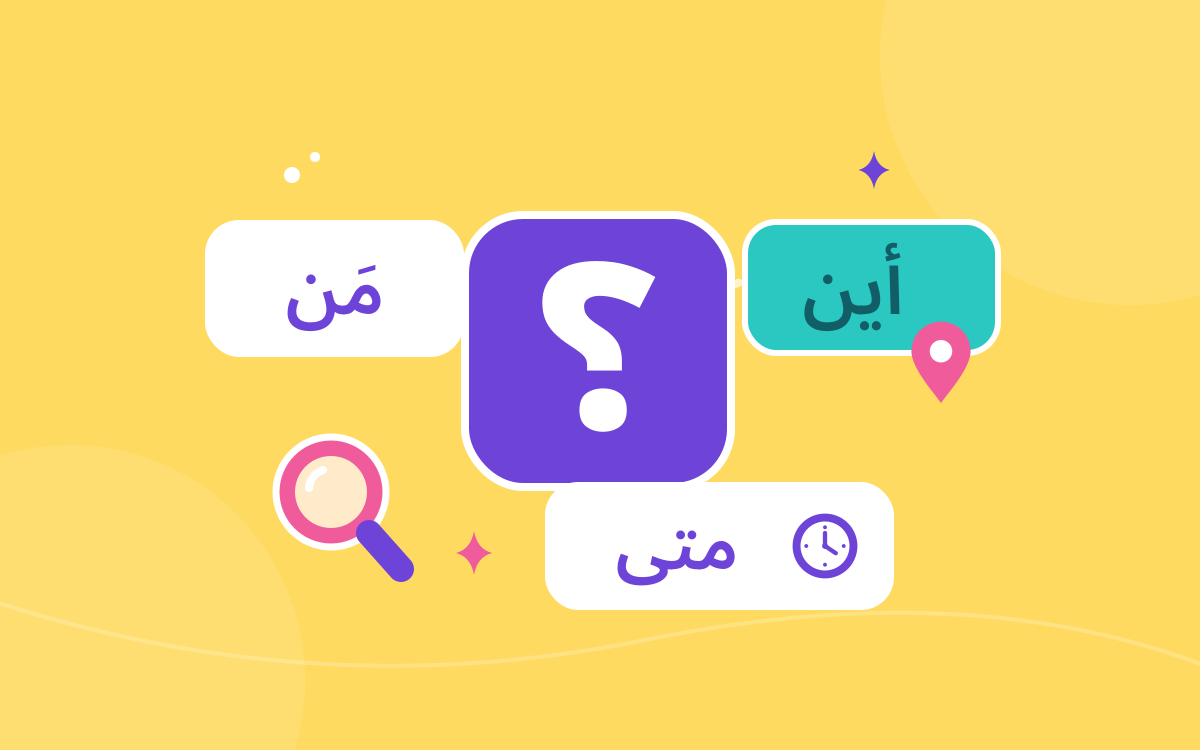
The first question asks when. The follow-up checks where. Do not mistake the location for the time. Add morning or afternoon when the context does not make it clear.
02Dialogue 2: borrow an item
MSA · a request to a male classmate
A هَلْ يُمْكِنُنِي أَنْ أَسْتَعِيرَ هَذَا الْقَلَمَ؟
hal yumkinuni an astaira hadha alqalam
May I borrow this pen?
B نَعَمْ، تَفَضَّلْ
naam tafaddal
Yes, here you go.
A شُكْرًا. سَأُعِيدُهُ بَعْدَ الدَّرْسِ
shukran. sauiduhu bada addars
Thank you. I will return it after the lesson.
The final turn states when the pen will be returned. Tafaddali is the offering form addressed to a woman.
03Dialogue 3: visit a neighbour
MSA · two women at the door
Visitor أَهْلًا يَا سَلْمَى. هَلِ الْوَقْتُ مُنَاسِبٌ؟
ahlan ya Salma. hali alwaqtu munasib
Hello, Salma. Is this a suitable time?
Host نَعَمْ، تَفَضَّلِي
naam tafaddali
Yes, please come in.
Visitor شُكْرًا. أَحْضَرْتُ لَكِ هَذَا الْكِتَابَ
shukran. ahdartu laki hadha alkitab
Thank you. I brought you this book.
The visitor checks whether the time is convenient. Laki addresses Salma; laka would address a man.
04Dialogue 4: suggest a plan
MSA · deciding on an exhibition visit
A هَلْ نَزُورُ الْمَعْرِضَ يَوْمَ السَّبْتِ؟
hal nazuru almaarida yawma assabt
Shall we visit the exhibition on Saturday?
B فِكْرَةٌ جَيِّدَةٌ. فِي الصَّبَاحِ؟
fikratun jayyida. fi assabah
Good idea. In the morning?
A نَعَمْ، فِي الْعَاشِرَةِ
naam fi alashira
Yes, at ten.
A proposal invites agreement or another suggestion. The second speaker accepts the idea and asks for a more precise time.
05Dialogue 5: correct a detail
MSA · checking a room number
A هَلِ الدَّرْسُ فِي الْغُرْفَةِ الثَّالِثَةِ؟
hali addarsu fi alghurfati aththalitha
Is the lesson in the third room?
B لَا، فِي الْغُرْفَةِ الْخَامِسَةِ
la fi alghurfati alkhamisa
No, in the fifth room.
A الْغُرْفَةُ الْخَامِسَةُ، شُكْرًا
alghurfatu alkhamisa shukran
The fifth room, thank you.
Repeating the corrected detail makes the outcome clear. The short connecting i in hali joins hal to the following definite word in these examples.
06What if I miss a question?
MSA · addressing a man
هَلْ يُمْكِنُكَ أَنْ تُعِيدَ السُّؤَالَ؟
hal yumkinuka an tuida assual
Could you repeat the question?
To a woman: هَلْ يُمْكِنُكِ أَنْ تُعِيدِي السُّؤَالَ؟ (hal yumkinuki an tuidi assual). Asking for repetition keeps the conversation moving. Review question words to identify what information the other person wants.
07How do I turn the dialogues into practice?
Read both roles once. Cover one role and answer aloud. Then change one detail, such as the meeting place, and respond to that change. Finally switch roles. A correct response should fit the new detail, not just repeat a memorised line.
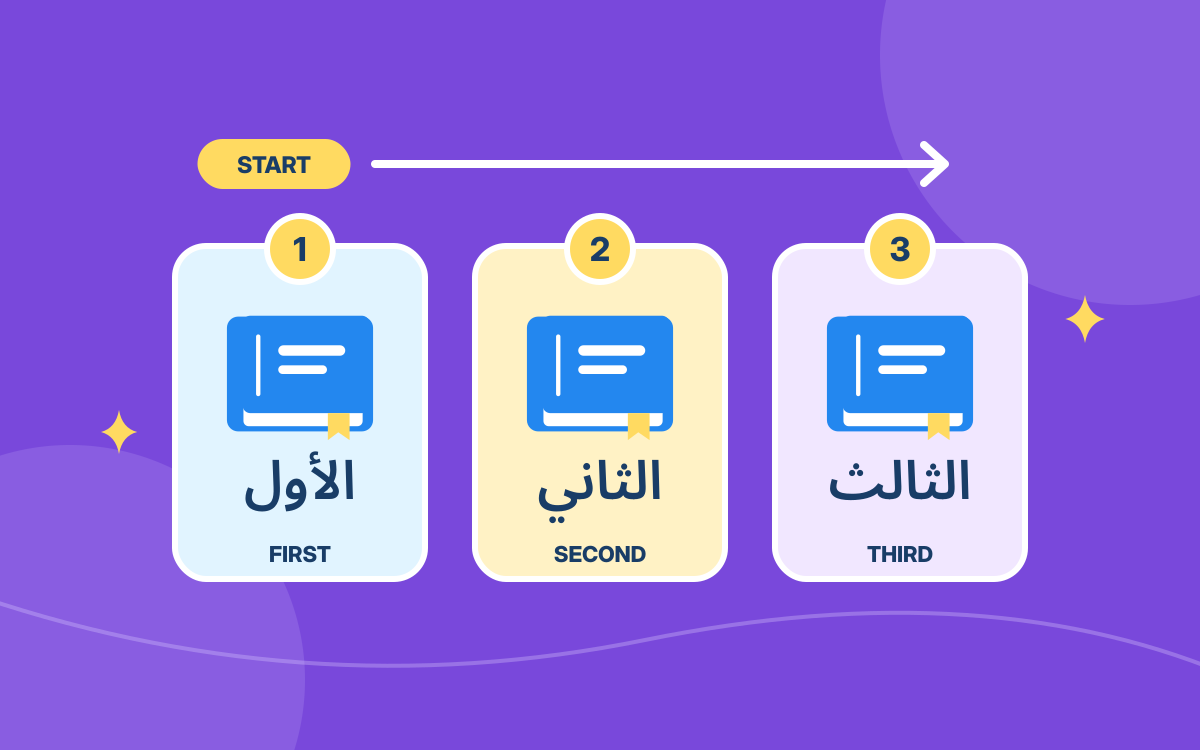
Use beginner sentences for sentence building and ordinal numbers for room labels. The reference shelf gives a small checklist for each role-play.
What to remember
- Listen for the information requested: time, place, permission, or a detail.
- Confirm corrections instead of repeating an earlier misunderstanding.
- Switch roles and change one detail to make each dialogue reusable.
Your reference shelf
Open a guide whenever you need it.
Five role-play goalsCheck that the exchange reaches its purpose.
| Dialogue | Information to settle | One change to practise |
|---|---|---|
| Meeting | Day, time, and place | Choose another familiar meeting place. |
| Borrowing | Item and return time | Borrow a book instead of a pen. |
| Neighbour visit | Whether the time is convenient | Change the item brought. |
| Making a plan | Activity, day, and time | Choose another day. |
| Confirming details | The corrected room | Use another ordinal number. |
Sources & further learning
References for the language explanations and learning guidance.