Two partners agree to stop publishing, but the same decision carries different wishes.
01Read the Arabic story
الشَّرَاكَةُ الَّتِي انْتَهَتْ بِاتِّفَاقٍ تَامٍّ
بَعْدَ أَرْبَعَةِ أَعْدَادٍ مِنْ مَجَلَّتِهِمَا الْقِصَصِيَّةِ الصَّغِيرَةِ، جَلَسَ نَادِرٌ وَهُدَى لِكِتَابَةِ إِعْلَانِ التَّوَقُّفِ. هُمَا كَتَبَا رِسَالَةً مُهَذَّبَةً تَشْكُرُ الْقُرَّاءَ وَتَقُولُ إِنَّ الشَّرَاكَةَ انْتَهَتْ «بِاتِّفَاقٍ تَامٍّ». كَانَتِ الْعِبَارَةُ صَحِيحَةً مِنْ جِهَةٍ: لَمْ يَعُدْ أَحَدُهُمَا يُطَالِبُ بِعَدَدٍ خَامِسٍ. أَمَّا الطَّرِيقُ إِلَى هَذَا السَّطْرِ فَلَمْ يَكُنْ وَاحِدًا لَدَيْهِمَا، وَلَمْ تَذْكُرْهُ الرِّسَالَةُ.
قَالَ نَادِرٌ فِي لِقَائِهِمَا الْأَوَّلِ حَوْلَ التَّوَقُّفِ إِنَّهُ يُرِيدُ وَقْتًا لِكِتَابِهِ. اِقْتَرَحَتْ هُدَى أَنْ تُصْدِرَ الْمَجَلَّةَ وَحْدَهَا، مَعَ مُشَارَكَةٍ قَلِيلَةٍ مِنْهُ. أَجَابَ أَنَّ اسْمَهُ عَلَى الْغِلَافِ سَيُبْقِيهِ مَسْؤُولًا عَنْ شَيْءٍ لَا يُتَابِعُهُ. وَحِينَ اقْتَرَحَتْ عَدَدًا كُلَّ شَهْرَيْنِ، أَجَابَ بِالْحُجَّةِ نَفْسِهَا. عِنْدَئِذٍ قَبِلَتِ التَّوَقُّفَ، وَبَدَآ تَوْزِيعَ النُّسَخِ الْبَاقِيَةِ.
حِينَ قَرَأَ صَدِيقٌ الْإِعْلَانَ، قَالَ لَهُدَى: «جَمِيلٌ أَنَّكُمَا أَرَدْتُمَا النِّهَايَةَ نَفْسَهَا». أَجَابَتْ: «لَيْسَ الْقَبُولُ رَغْبَةً. كُنْتُ أُفَضِّلُ الِاسْتِمْرَارَ، لَكِنَّنِي قَبِلْتُ الْخِيَارَ الْمُتَاحَ». وَفِي مَسَاءٍ آخَرَ، قَالَ نَادِرٌ لِلصَّدِيقِ نَفْسِهِ: «لَمْ أَكُنْ أُرِيدُ أَنْ يَبْقَى اسْمِي وَيَغِيبَ عَمَلِي». نَقَلَ الصَّدِيقُ الْجُمْلَتَيْنِ إِلَى دَفْتَرِهِ، دُونَ أَنْ يَجْعَلَ إِحْدَاهُمَا رَدًّا عَلَى الْأُخْرَى.
فِي لِقَائِهِمَا الْأَخِيرِ، اقْتَرَحَتْ هُدَى حَذْفَ كَلِمَةِ «تَامٍّ». سَأَلَ نَادِرٌ إِنْ كَانَتْ تَعْتَرِضُ عَلَى تَوْزِيعِ النُّسَخِ أَوْ حِفْظِ الْأَعْدَادِ. قَالَتْ إِنَّهَا تَعْتَرِضُ عَلَى السَّعَادَةِ الَّتِي قَرَأَهَا الصَّدِيقُ بَيْنَ الْكَلِمَاتِ. قَرَأَ نَادِرٌ الْإِعْلَانَ مِنْ جَدِيدٍ، ثُمَّ شَطَبَ الْكَلِمَةَ. بَقِيَ التَّوَقُّفُ مُعْلَنًا، وَبَقِيَتْ طَرِيقَةُ تَوْزِيعِ النُّسَخِ الَّتِي اخْتَارَاهَا مَعًا دُونَ تَغْيِيرٍ.
وَضَعَا النُّسَخَ فِي صُنْدُوقَيْنِ، ثُمَّ أَعَدَّا فِهْرِسًا مُشْتَرَكًا لِلْقِصَصِ، كَيْ يَسْتَطِيعَ الْقُرَّاءُ الْعُثُورَ عَلَيْهَا. عِنْدَ آخِرِ عُنْوَانٍ، تَذَكَّرَا اخْتِلَافَهُمَا الْقَدِيمَ حَوْلَ نِهَايَةِ قِصَّةٍ، فَضَحِكَا. لَمْ تَطْلُبْ هُدَى أَنْ تُضَافَ ضَحْكَتُهُمَا إِلَى الْإِعْلَانِ، وَلَمْ يَسْأَلْ نَادِرٌ إِنْ كَانَتْ تُغَيِّرُ جَوَابَهَا السَّابِقَ. أَغْلَقَا الصُّنْدُوقَيْنِ، وَتَرَكَا الْفِهْرِسَ عَلَى الطَّاوِلَةِ لِمُرَاجَعَةِ الْأَسْمَاءِ فِي الصَّبَاحِ.
Show English translationHide English translation
After four issues of their small story magazine, Nader and Huda sat down to write the closure announcement. They wrote a courteous letter thanking readers and saying that the partnership had ended “in complete agreement”. The phrase was true in one respect: neither was still asking for a fifth issue. But their paths to that line had not been the same, and the letter did not mention them.
At their first meeting about stopping, Nader said he wanted time for his book. Huda proposed publishing the magazine herself with a small contribution from him. He replied that having his name on the cover would keep him responsible for something he was not following. When she suggested an issue every two months, he gave the same argument. She then accepted stopping, and they began dividing the remaining copies.
When a friend read the announcement, he told Huda, “It is lovely that you both wanted the same ending.” She replied, “Acceptance is not desire. I would have preferred to continue, but I accepted the available option.” On another evening, Nader told the same friend, “I did not want my name to remain while my work was absent.” The friend copied both sentences into his notebook without making either a reply to the other.
At their final meeting, Huda suggested removing the word “complete”. Nader asked whether she objected to dividing the copies or preserving the issues. She said she objected to the happiness the friend had read between the words. Nader reread the announcement, then crossed out the word. The closure remained announced, and the way of dividing the copies that they had chosen together remained unchanged.
They put the copies into two boxes, then prepared a shared story index so that readers could find them. At the last title, they recalled their old disagreement over a story’s ending and laughed. Huda did not ask for their laughter to be added to the announcement, and Nader did not ask whether it changed her earlier answer. They closed the boxes and left the index on the table to check the names in the morning.
02Useful words from the story
| Arabic in the story | Meaning here |
|---|---|
| الشَّرَاكَةَ | the partnership |
| تَامٍّ | complete |
| الِاسْتِمْرَارَ | continuing |
| الْمُتَاحَ | available |
| إِحْدَاهُمَا | either one of them |
| حَذْفَ | removing |
| شَطَبَ | crossed out |
| صُنْدُوقَيْنِ | two boxes |
| فِهْرِسًا | an index |
| مُشْتَرَكًا | shared |
03Check your understanding
Choose one answer per question. Track voices, omissions and competing accounts. Choose the reading best supported by the Arabic text.
What to remember
- Accepting a practical outcome need not mean preferring that outcome.
- A shared memory can survive a partnership’s end without settling its interpretation.
Explore the Arabic in this story
Related grammar and vocabularyOpen Araqick guides connected to this story.
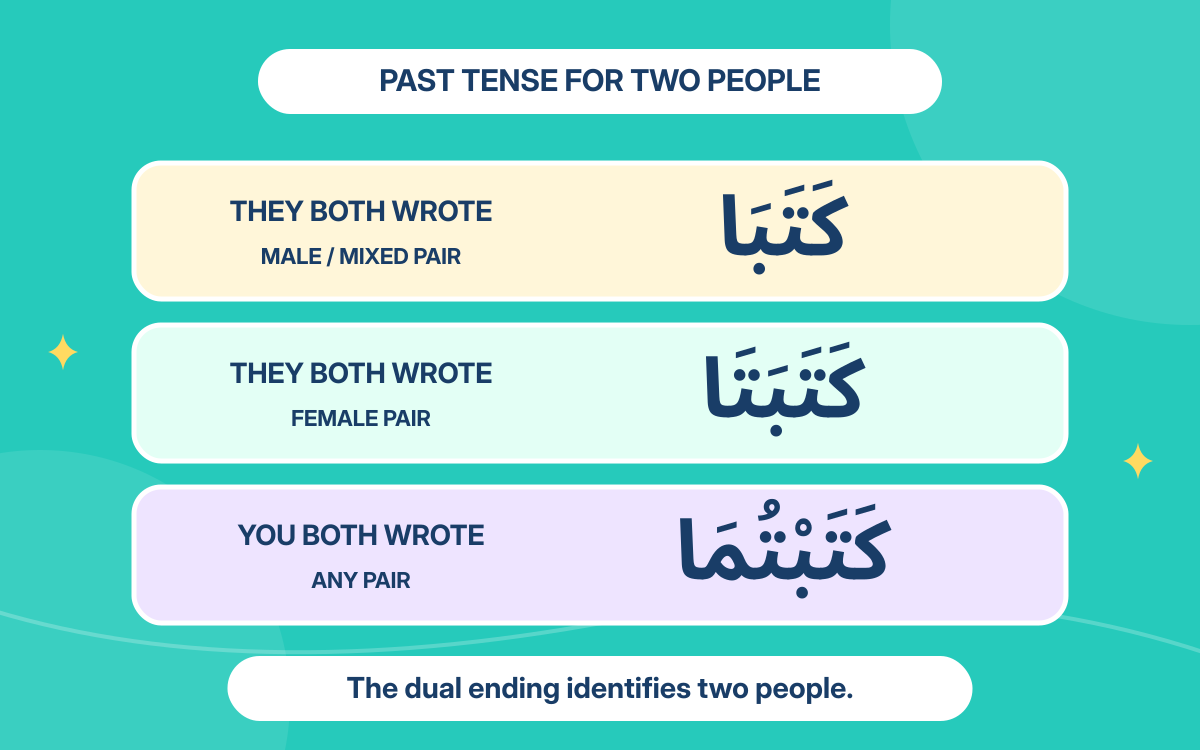
Past-Tense Arabic for Two People: They Both and You Both
هُمَا كَتَبَا رِسَالَةً
Compare the pronoun-first mixed-pair past form with the singular form.
Laysa in Arabic: Is Not and Is Not Here
لَيْسَ الْقَبُولُ رَغْبَةً
Track the nominative noun and accusative predicate in a denied description.