Mediator Manal helps exhibition partners Karim and Ruba write a report after an approval deadline was missed and a draft was printed. The fictional discussion preserves the timeline while separating accusations about character from acts, responsibility and unresolved interpretations.
01Read the Arabic conversation
إِعَادَةُ تَأْطِيرِ خِلَافٍ دُونَ تَغْيِيرِ الْوَقَائِعِ
مَنَالُ: لِنُثَبِّتْ وَقَائِعَ مَعْرِضِنَا الْمُتَخَيَّلِ أَوَّلًا. تَقُولُ يَا كَرِيمُ إِنَّ رُبَى تَصَرَّفَتْ بِتَهَوُّرٍ، وَتَقُولِينَ إِنَّهُ تَلَاعَبَ بِالْمَوْعِدِ. لِكُلِّ وَصْفٍ مَعْنًى أَوْسَعُ مِنَ الْفِعْلِ الَّذِي نَعْرِفُهُ.
كَرِيمٌ: أَرْسَلْتُ النُّسْخَةَ الرَّابِعَةَ يَوْمَ الِاثْنَيْنِ فِي الْعَاشِرَةِ صَبَاحًا، وَكَتَبْتُ عَلَيْهَا مُسَوَّدَةً لِلْمُرَاجَعَةِ. كَانَتْ فِيهَا بِطَاقَتَانِ تَقُولَانِ إِنَّ الْقِطَعَ هِبَةٌ، وَيَلْزَمُ تَصْحِيحُهُمَا إِلَى إِعَارَةٍ. طِبَاعَتُهَا لَا تَجْعَلُ نِسْبَتَهَا صَحِيحَةً.
رُبَى: وَأَنْتَ وَعَدْتَ بِالنُّسْخَةِ الْمُعْتَمَدَةِ عِنْدَ ظُهْرِ الثُّلَاثَاءِ؛ فَلَمْ تَصِلْ إِلَّا فِي الرَّابِعَةِ عَصْرًا. كَانَتِ الْمَطْبَعَةُ تَنْتَظِرُ، وَالِافْتِتَاحُ يَوْمَ الْخَمِيسِ. لَا يُمْكِنُكَ وَصْفُ تَصَرُّفِي وَكَأَنَّهُ حَدَثَ دُونَ ضَغْطٍ.
مَنَالُ: إِذَنْ الْمُسَوَّدَةُ وَصَلَتْ صَبَاحَ الِاثْنَيْنِ، وَالْمَوْعِدُ الْمُتَّفَقُ عَلَيْهِ لِلِاعْتِمَادِ ظُهْرُ الثُّلَاثَاءِ، وَالنُّسْخَةُ الْمُعْتَمَدَةُ وَصَلَتْ فِي الرَّابِعَةِ. هَذَا لَا يَتَغَيَّرُ بِتَغْيِيرِ لُغَةِ الْخِلَافِ. بَقِيَ مَوْعِدُ إِرْسَالِهَا لِلطِّبَاعَةِ، وَأَسَاسُهُ.
كَرِيمٌ: قَبْلَ الظُّهْرِ بِعِشْرِينَ دَقِيقَةً وَصَلَتْنِي رِسَالَتُهَا: هَلْ نَطْبَعُهَا؟ كُنْتُ أُرَاجِعُ سِجِلَّ الْإِعَارَةِ وَتَرَكْتُ هَاتِفِي فِي الْمَكْتَبِ. لَمْ أَرُدَّ، لَكِنَّ غِيَابَ جَوَابِي لَا يَعْنِي أَنَّ الْمُسَوَّدَةَ صَارَتْ مُعْتَمَدَةً.
رُبَى: أَعْطَيْتُ الْمَطْبَعَةَ الْإِذْنَ بَعْدَ الظُّهْرِ بِعِشْرِينَ دَقِيقَةً، وَانْتَهَتِ الطِّبَاعَةُ فِي الثَّانِيَةِ. لَمْ أَتَلَقَّ اعْتِمَادًا مَكْتُوبًا؛ اعْتَمَدْتُ عَلَى قَوْلِهِ إِنَّ النَّصَّ قَرِيبٌ مِنَ النِّهَايَةِ، وَعَلَى أَنَّ الْمَوْعِدَ مَرَّ دُونَ تَنْبِيهٍ.
مَنَالُ: سَأُسَجِّلُ التَّسَلْسُلَ. لَكِنْ يَا رُبَى، قَوْلُهُ إِنَّ النَّصَّ قَرِيبٌ مِنَ النِّهَايَةِ يَصِفُ دَرَجَةَ إِنْجَازِهِ، وَلَا يُحَدِّدُ إِذْنَ طِبَاعَتِهِ. وَالْمُسَوَّدَةُ تَحْمِلُ وَصْفًا مُخَالِفًا لِمَا افْتَرَضْتِهِ، حَتَّى إِذَا كَانَ افْتِرَاضُكِ مَفْهُومًا.
كَرِيمٌ: هَذَا مَا أَقْصِدُهُ بِالتَّهَوُّرِ؛ فَهِيَ حَوَّلَتْ تَقْدِيرًا إِلَى مَوَافَقَةٍ. لَا أَقُولُ إِنَّهَا أَرَادَتْ نَشْرَ خَطَأٍ، لَكِنَّنِي أَخْشَى أَنْ تُخَفِّفَ كَلِمَةُ افْتِرَاضٍ مِنْ وَزْنِ قَرَارٍ نَتَجَتْ عَنْهُ بِطَاقَتَانِ خَاطِئَتَانِ مِنْ أَرْبَعٍ وَعِشْرِينَ.
رُبَى: وَأَنَا أَخْشَى أَنْ يُصَوِّرَنِي التَّقْرِيرُ كَأَنَّنِي اخْتَرْتُ الْخَطَأَ مَعَ تَوَفُّرِ نَصٍّ صَحِيحٍ. لَمْ يَكُنْ عِنْدِي ذَلِكَ النَّصُّ، وَعَرَفْتَ الْمَوْعِدَ. يَصِفُ تَلَاعُبٌ عِنْدِي طَرِيقَةَ تَعَامُلِكَ مَعَ وَعْدٍ جَعَلْتَنِي أُرَتِّبُ الْعَمَلَ عَلَيْهِ.
مَنَالُ: لِنَقُلْ إِنَّ الْمُشْكِلَةَ وَقَعَتْ عِنْدَ تَسْلِيمِ النَّصِّ وَاعْتِمَادِهِ، لَا إِنَّ شَخْصًا مُتَهَوِّرٌ وَالْآخَرَ مُتَلَاعِبٌ. وَمَعَ ذَلِكَ، إِذَا كَتَبْنَا فَشَلَ التَّنْسِيقِ وَحْدَهُ، فَسَنُخْفِي مَنْ تَأَخَّرَ، وَمَنْ أَعْطَى إِذْنًا لَمْ يَكُنْ يَمْلِكُ مَصْدَرَهُ.
كَرِيمٌ: أَقْبَلُ هَذَا الْإِطَارَ إِذَا ذَكَرَ الْفِعْلَيْنِ. تَأَخَّرْتُ عَنِ الْمَوْعِدِ أَرْبَعَ سَاعَاتٍ، وَلَمْ أُرْسِلْ تَنْبِيهًا بِأَنَّ التَّصْحِيحَ لَمْ يَنْتَهِ. كُنْتُ أَعْلَمُ أَنَّ الْمَطْبَعَةَ تَنْتَظِرُ، وَلَمْ أَعْلَمْ كَيْفَ سَتُفَسِّرِينَ سُكُوتِي.
رُبَى: وَأَقْبَلُ ذِكْرَ أَنَّنِي أَرْسَلْتُهُ دُونَ اعْتِمَادٍ. لَكِنَّ الْمَوْعِدَ جُزْءٌ مِنْ تَوْزِيعِ الْمَهَامِّ. لَوْ وَصَلَ النَّصُّ عِنْدَ الظُّهْرِ، لَمَا احْتَجْتُ إِلَى أَنْ أُفَاضِلَ بَيْنَ التَّأْجِيلِ وَإِرْسَالِ نُسْخَةٍ غَيْرِ مُعْتَمَدَةٍ.
مَنَالُ: هَذَا شَرْطٌ يُفَسِّرُ تَكَوُّنَ الْمَأْزِقِ، وَلَا يُحَدِّدُ وَحْدَهُ مَا كَانَ يَجِبُ فِعْلُهُ فِيهِ. فَتَأَخُّرُ كَرِيمٍ تَرَكَكِ أَمَامَ خِيَارٍ صَعْبٍ، وَقَرَارُكِ حَوَّلَ نُسْخَةً مُؤَقَّتَةً إِلَى مَادَّةٍ مَطْبُوعَةٍ. لَا يَمْحُو أَحَدُ الْفِعْلَيْنِ الْآخَرَ.
كَرِيمٌ: إِذَنْ أَسْحَبُ وَصْفَهَا بِأَنَّهَا مُتَهَوِّرَةٌ، وَأُبْقِي اعْتِرَاضِي عَلَى هَذَا الْقَرَارِ. لَيْسَ هَذَا تَجْمِيلًا؛ فَأَنَا أَسْتَطِيعُ مُنَاقَشَةَ إِذْنٍ مُحَدَّدٍ، وَالْحُكْمُ عَلَى شَخْصِيَّتِهَا يَحْمِلُنِي عَلَى تَفْسِيرِ كُلِّ مَا فَعَلَتْهُ بِهِ.
رُبَى: وَأَسْحَبُ وَصْفَكَ بِالتَّلَاعُبِ؛ لِأَنَّنِي لَا أَعْرِفُ أَنَّكَ قَصَدْتَ تَرْكِي أَنْتَظِرُ. لَكِنَّنِي لَا أَسْحَبُ قَوْلِي إِنَّ تَأَخُّرَكَ عَطَّلَ جُزْءًا مِنْ عَمَلِي، وَإِنَّ سُؤَالِي لَمْ يَكُنْ طَلَبًا إِضَافِيًّا، بَلْ جُزْءًا مِنَ اتِّفَاقِنَا.
مَنَالُ: الرِّسَالَةُ مَحَلُّ خِلَافٍ: كَرِيمٌ يَقُولُ إِنَّهَا لَمْ تَذْكُرْ نَتِيجَةَ غِيَابِ الرَّدِّ، وَرُبَى تَقُولُ إِنَّ الْمَوْعِدَ الْمَعْرُوفَ يَكْفِي لِفَهْمِ الْعَجَلَةِ. سَنُسَجِّلُ الْقِرَاءَتَيْنِ؛ فَتَغْيِيرُ الْإِطَارِ لَا يُبْطِلُ إِحْدَاهُمَا.
كَرِيمٌ: لَوْ قَرَأْتُ أَنَّ الطِّبَاعَةَ سَتَبْدَأُ دُونَ رَدٍّ، لَرُبَّمَا أَوْقَفْتُ مُرَاجَعَتِي وَاتَّصَلْتُ. لَا أَسْتَطِيعُ إِثْبَاتَ ذَلِكَ، لَكِنَّ هَذَا يُبَيِّنُ لِمَاذَا أَرَى الرِّسَالَةَ نَاقِصَةً. وَلَا أَجْعَلُ نَقْصَهَا عُذْرًا لِوَعْدِي الَّذِي لَمْ أَفِ بِهِ.
رُبَى: حَسِبْتُ الْعَجَلَةَ وَاضِحَةً، وَأَرَى الْآنَ أَنَّنِي لَمْ أُصَرِّحْ بِمَا سَأَفْعَلُهُ. هَذَا لَا يُثْبِتُ أَنَّكَ كُنْتَ سَتَقْرَأُ رِسَالَةً أَوْضَحَ فِي وَقْتِهَا، لَكِنَّهُ يَمْنَعُنِي مِنْ وَصْفِ رِسَالَتِي بِأَنَّهَا تَضَمَّنَتْ تَحْذِيرًا صَرِيحًا.
مَنَالُ: إِذَنْ لَنُفَرِّقْ بَيْنَ مَا غَابَ عَنِ الرِّسَالَةِ وَمَا كَانَ سَيَحْدُثُ لَوْ وُجِدَ فِيهَا. الْأَوَّلُ يُفْحَصُ بِقِرَاءَتِهَا، وَالثَّانِي تَقْدِيرٌ لَمْ يَقَعْ. لَنْ أَضَعَ فِي التَّقْرِيرِ أَنَّ وَضْعَ جُمْلَةٍ وَاحِدَةٍ كَانَ سَيَمْنَعُ الْخَطَأَ حَتْمًا.
كَرِيمٌ: أَمَّا الْبِطَاقَتَانِ، فَسَأُسَلِّمُ نَصَّهُمَا الْمُصَحَّحَ مَسَاءً، وَسَأَرْبِطُهُ بِسِجِلِّ الْإِعَارَةِ. لَا أُرِيدُ أَنْ نُعِيدَ طِبَاعَةَ الْبِطَاقَاتِ كُلِّهَا لِنُظْهِرَ جِدِّيَّتَنَا؛ فَالْمُشْكِلَةُ فِي نِسْبَةِ قِطْعَتَيْنِ، لَا فِي النُّصُوصِ الْأُخْرَى.
رُبَى: وَسَأَطْلُبُ بِطَاقَتَيْنِ جَدِيدَتَيْنِ وَأَسْتَبْدِلُهُمَا قَبْلَ الْخَمِيسِ. لَكِنْ لَا تَكْتُبِي أَنَّنَا اتَّفَقْنَا عَلَى مَسْؤُولِيَّةٍ مُتَسَاوِيَةٍ عَنِ الْكُلْفَةِ. اتِّفَاقُنَا عَلَى التَّصْحِيحِ لَا يَحْسِمُ طَرِيقَةَ تَوْزِيعِهَا، وَلَا يُحَوِّلُ خِلَافَنَا إِلَى سُوءِ فَهْمٍ عَابِرٍ.
مَنَالُ: سَأَضَعُ إِجْرَاءَ التَّصْحِيحِ فِي فِقْرَةٍ، وَالْخِلَافَ عَلَى الْكُلْفَةِ فِي أُخْرَى. تَغْيِيرُ الْإِطَارِ يُتِيحُ وَصْفَ الْمَسْؤُولِيَّاتِ بِدِقَّةٍ، وَلَا يُوَزِّعُهَا بِالتَّسَاوِي تِلْقَائِيًّا؛ فَقَدْ يَكُونُ لِفِعْلَيْنِ مُخْتَلِفَيْنِ وَزْنَانِ مُخْتَلِفَانِ فِي النَّتِيجَةِ نَفْسِهَا.
كَرِيمٌ: لَا تَخْتَصِرِي الْوَقَائِعَ بِعِبَارَةِ تَأَخَّرَتِ الطِّبَاعَةُ؛ فَالطِّبَاعَةُ انْتَهَتْ قَبْلَ وُصُولِ النَّصِّ الْمُعْتَمَدِ. الَّذِي تَأَخَّرَ هُوَ تَسْلِيمِي، وَالَّذِي سَبَقَ الِاعْتِمَادَ هُوَ الْإِرْسَالُ إِلَى الْمَطْبَعَةِ. دِقَّةُ هَذَا الْفَرْقِ أَهَمُّ عِنْدِي مِنْ عِبَارَةٍ تُرْضِينَا.
رُبَى: وَلْيَظْهَرْ أَنَّنِي صَاحِبَةُ قَرَارِ الْإِرْسَالِ، لَا أَنَّ الْمُسَوَّدَةَ وَصَلَتْ إِلَى الْمَطْبَعَةِ مِنْ تِلْقَاءِ نَفْسِهَا. أَسْتَطِيعُ شَرْحَ ضَغْطِ الْوَقْتِ دُونَ أَنْ أَمْحُوَ فِعْلِي، كَمَا أَسْتَطِيعُ الِاعْتِرَافَ بِهِ دُونَ أَنْ أُقِرَّ بِسُوءِ نِيَّةٍ.
مَنَالُ: إِذَنْ سَيَبْدَأُ التَّقْرِيرُ بِالْمَوَاعِيدِ وَوَصْفِ النُّسَخِ، وَيَنْسِبُ الْفِعْلَيْنِ لِصَاحِبَيْهِمَا. سَيَذْكُرُ مَا اتَّفَقْتُمَا عَلَيْهِ وَمَا بَقِيَ مُخْتَلَفًا فِيهِ. لَنْ يَكُونَ الْهُدُوءُ فِي الْعِبَارَةِ دَلِيلًا عَلَى زَوَالِ الْمَسْؤُولِيَّةِ، وَلَا الْخِلَافُ دَلِيلًا عَلَى خُبْثِ أَحَدٍ.
كَرِيمٌ: سَأُوَقِّعُ التَّقْرِيرَ بِهَذِهِ الصِّيَاغَةِ، مَعَ تَحَفُّظِي عَلَى تَوْزِيعِ الْكُلْفَةِ. لَمْ تَجْعَلِي مَا حَدَثَ أَقَلَّ سُوءًا، وَلَكِنَّكِ جَعَلْتِ مَوْضُوعَ اعْتِرَاضِنَا أَضْيَقَ مِنْ شَخْصِيَّتَيْنِ كَامِلَتَيْنِ. سَأَعُودُ الْآنَ إِلَى الْبِطَاقَتَيْنِ؛ فَالتَّقْرِيرُ لَا يُصَحِّحُهُمَا بِنَفْسِهِ.
رُبَى: وَسَأُرْفِقُ رِسَالَتِي وَإِذْنَ الطِّبَاعَةِ بِالتَّقْرِيرِ، حَتَّى تَبْقَى الصِّيَاغَةُ قَابِلَةً لِلْفَحْصِ. لَا أُرِيدُ قِصَّةً جَدِيدَةً نَبْدُو فِيهَا بِلَا خَطَأٍ؛ أُرِيدُ وَصْفًا نَسْتَطِيعُ أَنْ نَعْمَلَ عَلَيْهِ، دُونَ إِنْكَارِ مَا فَعَلْنَاهُ.
Show English translationHide English translation
Manal — mediator: Let us first establish the facts of our fictional exhibition. Karim, you say Ruba acted recklessly, and you say he manipulated the deadline. Each description means more than the act we know about.
Karim — project partner responsible for exhibition text: I sent version four on Monday at ten in the morning and marked it “draft for review.” Two captions said the objects were gifts and must be corrected to loans. Printing that version does not make that description correct.
Ruba — project partner responsible for production: And you promised the approved version at noon on Tuesday; it did not arrive until four in the afternoon. The printer was waiting, and the opening is on Thursday. You cannot describe my action as though it happened without pressure.
Manal — mediator: So the draft arrived on Monday morning, the agreed approval deadline was Tuesday noon, and the approved version arrived at four. Changing the language of the dispute does not change that. The time and basis of sending it to print remain to be established.
Karim — project partner responsible for exhibition text: At eleven forty I received her message: “Shall we print it?” I was checking the loan register and had left my phone in the office. I did not reply, but my missing answer does not mean the draft became approved.
Ruba — project partner responsible for production: I gave the printer permission at twelve twenty, and printing finished at two. I received no written approval; I relied on his statement that the text was nearly finished, and on the deadline passing without a warning.
Manal — mediator: I will record the sequence. But Ruba, saying the text is nearly finished describes its degree of completion, not permission to print it. The draft carries a description contrary to what you assumed, even if your assumption is understandable.
Karim — project partner responsible for exhibition text: That is what I mean by recklessness: she turned an assessment into consent. I am not saying she wanted to publish an error, but I fear the word “assumption” will soften the weight of a decision that produced two incorrect captions out of twenty-four.
Ruba — project partner responsible for production: And I fear the report will depict me as choosing the error while a correct text was available. I did not have that text, and you knew the deadline. For me, “manipulation” describes how you treated a promise around which you made me organise the work.
Manal — mediator: Let us say the problem occurred in handing over and approving the text, rather than that one person is reckless and the other manipulative. Still, if we write only “coordination failure,” we will conceal who was late and who gave permission without having a source for it.
Karim — project partner responsible for exhibition text: I accept that framing if it mentions both acts. I missed the deadline by four hours and did not send a warning that the correction was unfinished. I knew the printer was waiting, and did not know how you would interpret my silence.
Ruba — project partner responsible for production: And I accept stating that I sent it without approval. But the deadline is part of the allocation of tasks. Had the text arrived at noon, I would not have needed to choose between postponement and sending an unapproved version.
Manal — mediator: That condition explains how the predicament arose; it does not by itself determine what should have been done within it. Karim’s delay left you facing a difficult choice, and your decision turned a provisional version into printed material. Neither act erases the other.
Karim — project partner responsible for exhibition text: Then I withdraw the description of her as reckless and retain my objection to this decision. This is not cosmetic: I can discuss a particular authorisation, while a judgment about her character pushes me to interpret everything she did through it.
Ruba — project partner responsible for production: And I withdraw calling you manipulative, because I do not know that you intended to leave me waiting. But I do not withdraw the statement that your delay disrupted part of my work, or that my question sought part of our agreement, not an additional request.
Manal — mediator: The message remains disputed: Karim says it did not state the consequence of no reply; Ruba says the known deadline was enough to convey urgency. We will record both readings; reframing does not invalidate either one.
Karim — project partner responsible for exhibition text: Had I read that printing would start without a reply, perhaps I would have interrupted my review and called. I cannot prove that, but it shows why I consider the message incomplete. I do not make its incompleteness an excuse for my unfulfilled promise.
Ruba — project partner responsible for production: I thought the urgency clear, and now see that I did not explicitly state what I would do. That does not prove you would have read a clearer message in time, but it prevents me from describing my message as containing an explicit warning.
Manal — mediator: Let us distinguish what the message lacked from what would have happened had it contained that information. The first can be checked by reading it; the second is an assessment of something that did not happen. I will not put in the report that adding one sentence would certainly have prevented the error.
Karim — project partner responsible for exhibition text: As for the two captions, I will deliver their corrected text this evening and link it to the loan register. I do not want to reprint all the captions to demonstrate seriousness: the problem concerns the description of two objects, not the other texts.
Ruba — project partner responsible for production: I will order two new cards and replace them before Thursday. But do not write that we agreed to equal responsibility for the cost. Our agreement to correct the captions does not settle how to divide it, or turn our dispute into a passing misunderstanding.
Manal — mediator: I will put the corrective action in one paragraph and the cost dispute in another. Reframing allows responsibilities to be described precisely; it does not automatically distribute them equally. Two different acts may have different weights in the same result.
Karim — project partner responsible for exhibition text: Do not reduce the facts to “printing was delayed”: printing finished before the approved text arrived. What was late was my delivery; what preceded approval was the sending to the printer. The accuracy of this distinction matters more to me than a phrase that pleases us.
Ruba — project partner responsible for production: Let it show that I made the decision to send it, rather than that the draft reached the printer by itself. I can explain the time pressure without erasing my action, just as I can acknowledge it without admitting bad intent.
Manal — mediator: Then the report will begin with the times and the status of the versions, and attribute the two acts to the people responsible. It will state what you agreed on and what remains disputed. Calm wording will not indicate that responsibility has disappeared, nor will disagreement establish anyone’s malice.
Karim — project partner responsible for exhibition text: I will sign the report with that wording while retaining my reservation about the cost allocation. You have not made what happened less bad, but you have made the subject of our objections narrower than two whole personalities. I will now return to the two captions; the report does not correct them by itself.
Ruba — project partner responsible for production: I will attach my message and print authorisation to the report so that its wording can be checked. I do not want a new story in which we appear faultless; I want a description we can work from without denying what we did.
02Useful words and expressions
| Arabic in the conversation | Meaning here |
|---|---|
| مُسَوَّدَةً لِلْمُرَاجَعَةِ | a draft for review |
| النُّسْخَةِ الْمُعْتَمَدَةِ | the approved version |
| وَأَسَاسُهُ | and its basis |
| دَرَجَةَ إِنْجَازِهِ | its degree of completion |
| فَشَلَ التَّنْسِيقِ | coordination failure |
| تَكَوُّنَ الْمَأْزِقِ | how the predicament arose |
| لَا يَمْحُو أَحَدُ الْفِعْلَيْنِ الْآخَرَ | neither act erases the other |
| سُوءِ فَهْمٍ عَابِرٍ | a passing misunderstanding |
| وَزْنَانِ مُخْتَلِفَانِ | two different weights |
| مِنْ تِلْقَاءِ نَفْسِهَا | by itself |
| زَوَالِ الْمَسْؤُولِيَّةِ | the disappearance of responsibility |
| قَابِلَةً لِلْفَحْصِ | capable of being checked |
03Check your understanding
Choose one answer for each question. Look back at the Arabic conversation for evidence. Open the English question support or a hint when you need help.
What to remember
- Preserve the timeline and the status of documents while replacing global character judgments with specified actions.
- Allow circumstances to explain a decision without turning them into automatic permission or erasing another person’s responsibility.
- Keep a practical correction distinct from agreement on cost, and test revised wording against the original evidence.
Explore the Arabic in this conversation
Related grammar and vocabularyOpen Araqick guides connected to this conversation.
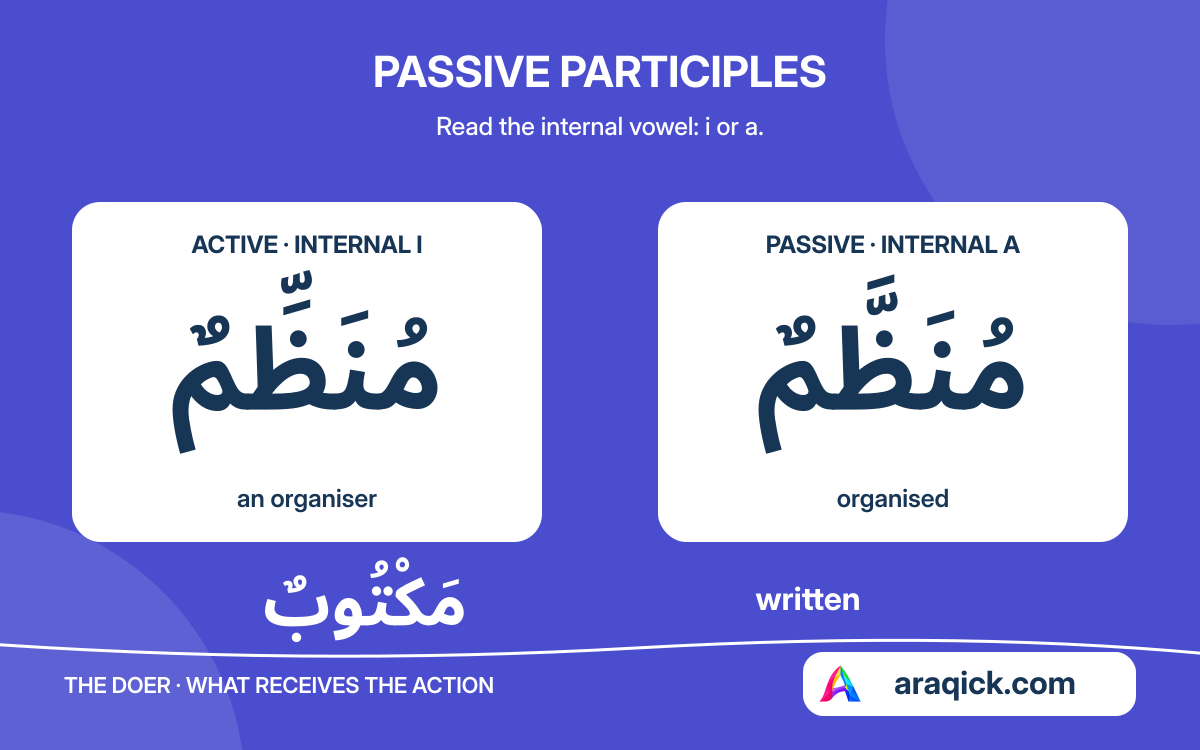
Arabic Passive Participles: Ism al-Maful Explained
النُّسْخَةِ الْمُعْتَمَدَةِ
Distinguish the approved version, using the feminine passive participle al-muʿtamada, from a version merely described as nearly finished.
Because in Arabic: Give a Reason with Lianna
لِأَنَّنِي لَا أَعْرِفُ أَنَّكَ قَصَدْتَ تَرْكِي أَنْتَظِرُ
Use lianna followed by an attached pronoun to explain a limited withdrawal of an accusation without withdrawing a factual objection.
Lakinna and Lakin in Arabic: Two Patterns for But
وَلَكِنَّكِ جَعَلْتِ مَوْضُوعَ اعْتِرَاضِنَا أَضْيَقَ مِنْ شَخْصِيَّتَيْنِ كَامِلَتَيْنِ
Use lakinna with an attached pronoun to contrast the report’s changed framing with unchanged evaluation of what happened.