Selection chair Sara, assessor Mahir and applicant representative Rima examine a fictional artisan-residency shortlist. A missing attachment creates a correctable procedural error, while unequal access to equipment raises a wider objection that the same remedy cannot settle.
01Read the Arabic conversation
تَعْرِيفُ الْإِنْصَافِ فِي عَمَلِيَّةِ الِاخْتِيَارِ
سَارَةُ: قَائِمَتُنَا الْقَصِيرَةُ تَضُمُّ سِتَّةَ مُرَشَّحِينَ لِثَلَاثَةِ مَقَاعِدَ فِي إِقَامَةٍ حِرَفِيَّةٍ تَخَيُّلِيَّةٍ. الْأَسْمَاءُ ثَابِتَةٌ، أَمَّا التَّرْتِيبُ النِّهَائِيُّ فَلَمْ نُعْلِنْهُ بَعْدُ. نَحْتَاجُ إِلَى فَحْصِ اعْتِرَاضٍ عَلَى طَرِيقَةِ تَقْيِيمِ عَيِّنَاتِ الْعَمَلِ.
مَاهِرٌ: نَشَرْنَا سُلَّمًا مِنْ عَشْرِ نِقَاطٍ: سِتٌّ لِدِقَّةِ التَّنْفِيذِ، وَأَرْبَعٌ لِتَفْسِيرِ الِاخْتِيَارَاتِ. طَبَّقْتُهُ عَلَى الْجَمِيعِ، وَلَمْ أُضِفْ بَنْدًا لِجَمَالِ الْعَرْضِ. هَذِهِ الدَّرَجَاتُ مُخْتَلَقَةٌ لِحَالَتِنَا، وَمَعْنَاهَا مَحْدُودٌ بِالْمُهِمَّةِ.
رِيمَا: لَا أَشُكُّ فِي صِدْقِكَ، لَكِنَّ ثَبَاتَ السُّلَّمِ لَا يُجِيبُ عَنْ كُلِّ اعْتِرَاضٍ. وَاحِدٌ اسْتَأْجَرَ أَدَوَاتٍ وَتَدَرَّبَ سِتَّ سَاعَاتٍ، وَآخَرُ عَمِلَ بِأَدَوَاتٍ يَدَوِيَّةٍ خِلَالَ سَاعَتَيْنِ. التَّمَاثُلُ فِي الْإِجْرَاءِ لَا يَمْحُو هَذَا الْفَرْقَ.
سَارَةُ: هَلْ تَقْتَرِحِينَ أَنْ نَمْنَحَ الْأَقَلَّ تَجْهِيزًا نُقْطَةً إِضَافِيَّةً؟ أَخْشَى أَنْ نُسَمِّيَ تَعْدِيلًا لَمْ يَعْرِفْهُ الْمُتَقَدِّمُونَ إِنْصَافًا، ثُمَّ نَطْلُبَ مِمَّنْ رَتَّبَ عَمَلَهُ وَفْقَ الْمَعَايِيرِ الْمَنْشُورَةِ أَنْ يَقْبَلَ مِعْيَارًا جَدِيدًا بِأَثَرٍ رَجْعِيٍّ.
مَاهِرٌ: وَهُنَاكَ صُعُوبَةٌ أُخْرَى: الْعَيِّنَةُ تُظْهِرُ دِقَّةً فِعْلِيَّةً، وَلَوْ سَاعَدَتْهَا الْأَدَوَاتُ. لَا أَسْتَطِيعُ أَنْ أَخْصِمَ مِنْهَا دَرَجَةً بِتَخْمِينِ مَا كَانَ سَيَصْنَعُهُ صَاحِبُهَا بِأَدَوَاتٍ أَبْسَطَ؛ هَذَا عَمَلٌ لَمْ نَرَهُ.
رِيمَا: لَمْ أَقْتَرِحْ نُقْطَةً تَعْوِيضِيَّةً. أُرِيدُ أَلَّا نَقْرَأَ الدَّرَجَةَ كَأَنَّهَا تَقِيسُ مَوْهِبَةً مُنْفَصِلَةً عَنْ ظُرُوفِهَا. وَاعْتِرَاضِي الْعَاجِلُ أَضْيَقُ: لَمْ تُحْتَسَبْ صَفْحَتَا التَّفْسِيرِ فِي مَلَفَّيْنِ، رَغْمَ إِرْسَالِهِمَا قَبْلَ انْتِهَاءِ الْمُهْلَةِ الْمُحَدَّدَةِ.
سَارَةُ: إِذَنْ عِنْدَنَا مَسْأَلَتَانِ لَا يَجُوزُ دَمْجُهُمَا. اِسْتِدْرَاكُ مَادَّةٍ مُقَدَّمَةٍ فِي وَقْتِهَا يُطَبِّقُ الْقَاعِدَةَ الْقَدِيمَةَ، أَمَّا مَنْحُ نِقَاطٍ عَلَى ضِيقِ الْوَقْتِ فَيُغَيِّرُهَا. مَا الَّذِي حَدَثَ لِلصَّفْحَتَيْنِ، وَهَلْ يَشْمَلُ الْخَلَلُ مَلَفَّاتٍ أُخْرَى أَيْضًا؟
مَاهِرٌ: وَصَلَتِ الصَّفْحَتَانِ كَمُرْفَقَيْنِ مُنْفَصِلَيْنِ، وَهَذَا مَسْمُوحٌ فِي تَعْلِيمَاتِنَا. قَرَأْتُ الْمَلَفَّيْنِ الرَّئِيسِيَّيْنِ وَأَغْفَلْتُ الْمُرْفَقَيْنِ؛ لِذَلِكَ نَقَصَتِ الْمَادَّةُ الَّتِي قَيَّمْتُهَا. الْخَطَأُ مِنِّي، وَأَحْتَاجُ إِلَى فَحْصِ الْمَلَفَّاتِ السِّتَّةِ قَبْلَ حَصْرِهِ فِيهِمَا.
رِيمَا: أُقَدِّرُ هَذَا الْإِقْرَارَ، لَكِنَّنِي لَا أَطْلُبُ أَنْ تَرْتَفِعَ الدَّرَجَتَانِ حَتْمًا. قَدْ يَكُونُ التَّفْسِيرُ ضَعِيفًا؛ الْمَطْلُوبُ أَنْ يَدْخُلَ فِي التَّقْيِيمِ. وَإِلَّا صَارَ تَسَاوِي الْمُعَامَلَةِ اسْمًا نُطْلِقُهُ عَلَى نَقْصٍ لَمْ نَرَهُ.
سَارَةُ: سَنُرَاجِعُ اكْتِمَالَ الْمَادَّةِ فِي كُلِّ مَلَفٍّ، ثُمَّ يَقْرَأُ مُقَيِّمٌ آخَرُ الْأَجْزَاءَ الَّتِي أُغْفِلَتْ وَفْقَ السُّلَّمِ نَفْسِهِ. لَنْ نَطْلُبَ عَيِّنَاتٍ جَدِيدَةً، وَلَنْ نَحْذِفَ دَرَجَاتِ التَّنْفِيذِ لِأَنَّ الْخَلَلَ يَتَعَلَّقُ بِقِرَاءَةِ التَّفْسِيرِ.
مَاهِرٌ: أَقْبَلُ أَنْ يَفْحَصَ غَيْرِي مَا أَغْفَلْتُهُ، مَعَ تَسْجِيلِ سَبَبِ كُلِّ تَعْدِيلٍ. لَكِنْ إِذَا لَمْ يُضِفِ التَّفْسِيرُ دَلِيلًا عَلَى اخْتِيَارٍ وَاعٍ، فَسَتَبْقَى دَرَجَتُهُ مُنْخَفِضَةً. قَبُولُ الْمَادَّةِ لَا يُسَاوِي قَبُولَ حُجَّتِهَا الْمُحْتَمَلَةِ.
رِيمَا: وَأَقْبَلُ هَذَا الْحَدَّ، لِأَنَّنِي أُمَثِّلُ حَقَّ الْمُتَقَدِّمِينَ فِي فَحْصِ مَا قَدَّمُوهُ، لَا حَقًّا فِي نَتِيجَةٍ مَضْمُونَةٍ. أَطْلُبُ فَقَطْ أَنْ يَظْهَرَ فِي الْإِشْعَارِ أَنَّ التَّصْحِيحَ يُمْكِنُ أَنْ يُغَيِّرَ التَّرْتِيبَ.
سَارَةُ: سَنُؤَجِّلُ إِعْلَانَ الْمَقَاعِدِ الثَّلَاثَةِ إِلَى مَا بَعْدَ هَذِهِ الْمُرَاجَعَةِ. لَنْ نُوَسِّعَ الْقَائِمَةَ الْقَصِيرَةَ الْآنَ؛ فَالِاعْتِرَاضُ الْمُثْبَتُ يَتَعَلَّقُ بِمَوَادِّ الْمَرْحَلَةِ الْأَخِيرَةِ، وَلَا يُثْبِتُ أَنَّ اخْتِيَارَ الْأَسْمَاءِ السِّتَّةِ كَانَ خَاطِئًا مِنْ أَصْلِهِ.
مَاهِرٌ: يَبْقَى اعْتِرَاضُ الْأَدَوَاتِ، وَلَا أُرِيدُ دَفْنَهُ. لَكِنَّنِي أَحْتَاجُ إِلَى عَيِّنَةٍ تُظْهِرُ قُدْرَةَ صَاحِبِهَا عَلَى التَّنْفِيذِ؛ الْإِقَامَةُ لَيْسَتْ بَدْءَ تَعَلُّمِ الْحِرْفَةِ. فَكَيْفَ نَجْعَلُ الظُّرُوفَ أَقْرَبَ دُونَ إِفْرَاغِ الْمُهِمَّةِ؟
رِيمَا: فِي الدَّوْرَةِ الْقَادِمَةِ يُمْكِنُ إِتَاحَةُ الْأَدَوَاتِ نَفْسِهَا وَمُدَّةِ عَمَلٍ مُتَسَاوِيَةٍ فِي الْوَرْشَةِ. لَا يَمْحُو ذَلِكَ سِنِينَ التَّدْرِيبِ الْمُخْتَلِفَةَ، لَكِنَّهُ يُزِيلُ فَرْقًا نَسْتَطِيعُ تَحْدِيدَهُ. الْعَجْزُ عَنْ تَصْحِيحِ كُلِّ شَيْءٍ لَا يُعْفِينَا مِنْ تَصْحِيحِ شَيْءٍ.
سَارَةُ: أُفَضِّلُ هَذَا الِاقْتِرَاحَ عَلَى تَعْوِيضٍ عَدَدِيٍّ لَا نَعْرِفُ وَزْنَهُ. وَمَعَ ذَلِكَ، نَحْتَاجُ إِلَى مَوَاعِيدَ مُتَعَدِّدَةٍ؛ فَقَدْ يَعْجِزُ مُتَقَدِّمٌ عَنِ الْحُضُورِ بِسَبَبِ عَمَلِهِ. تَوْحِيدُ الْمُدَّةِ لَا يَقْتَضِي تَوْحِيدَ الْمَوْعِدِ.
مَاهِرٌ: وَأَنَا أَتَحَفَّظُ عَلَى وَصْفِ ذَلِكَ بِأَنَّهُ يَجْعَلُ الِاخْتِيَارَ مُنْصِفًا تَمَامًا. سَيَجْعَلُ بَعْضَ الظُّرُوفِ أَقْرَبَ، وَهَذَا مَكْسَبٌ حَقِيقِيٌّ. لَكِنَّ دِقَّةَ التَّنْفِيذِ سَتَبْقَى دَلِيلًا عَلَى أَدَاءٍ مُشَاهَدٍ، لَا حُكْمًا عَلَى قِيمَةِ شَخْصٍ.
رِيمَا: هَذَا مَا أُرِيدُ أَنْ يَسْمَعَهُ مَنْ لَا يَحْصُلُ عَلَى مَقْعَدٍ. لَا أَطْلُبُ تَسَاوِي النَّتَائِجِ، بَلْ وَصْفًا لَا يُحَوِّلُ ضِيقَ الْمَقَاعِدِ إِلَى حُكْمٍ عَلَى مَوْهِبَتِهِ الْكُلِّيَّةِ. قَدْ يَكُونُ مُمْتَازًا فِي عَمَلٍ لَمْ تَطْلُبْهُ مُهِمَّتُنَا.
سَارَةُ: سَنَكْتُبُ أَنَّ التَّرْتِيبَ يَعْتَمِدُ عَلَى هَذِهِ الْعَيِّنَةِ وَتَفْسِيرِهَا ضِمْنَ مَقَاعِدَ مَحْدُودَةٍ. لَكِنَّنِي لَنْ أَعْتَذِرَ عَنْ اسْتِخْدَامِ دَلِيلٍ مُلَائِمٍ لِلْإِقَامَةِ؛ فَضِيقُ مَدَاهُ لَا يَجْعَلُهُ بِلَا قِيمَةٍ.
مَاهِرٌ: وَلَنْ أُعِيدَ وَصْفَ دَرَجَةِ التَّنْفِيذِ كَأَنَّهَا دَرَجَةٌ لِلِاجْتِهَادِ. قَدْ يُنْتِجُ الْجُهْدُ الْكَبِيرُ عَمَلًا أَقَلَّ دِقَّةً، وَقَدْ يُسَاعِدُ التَّدْرِيبُ الطَّوِيلُ عَلَى إِنْتَاجِهِ بِسُرْعَةٍ. السُّلَّمُ لَمْ يَطْلُبْ مِنِّي قِيَاسَ الْجُهْدِ فِي هَذِهِ الْمَرْحَلَةِ.
رِيمَا: هَذَا يُوَضِّحُ خِلَافَنَا أَكْثَرَ مِمَّا تَفْعَلُ كَلِمَةُ الْعَدَالَةِ وَحْدَهَا. أَنْتَ تُدَافِعُ عَنْ مُلَاءَمَةِ الْعَيِّنَةِ، وَأَنَا أَسْأَلُ عَمَّا أَتَاحَ إِنْتَاجَهَا. لَا يُبْطِلُ أَحَدُ السُّؤَالَيْنِ الْآخَرَ، لَكِنَّ تَصْحِيحَ الصَّفْحَتَيْنِ لَا يَحُلُّ السُّؤَالَ الثَّانِيَ.
سَارَةُ: لِذَلِكَ سَيَكُونُ إِشْعَارُنَا مُحَدَّدًا: تَصْحِيحُ قِرَاءَةِ الْمَوَادِّ الْمُقَدَّمَةِ فِي وَقْتِهَا، مَعَ بَقَاءِ الْمَعَايِيرِ الْمَنْشُورَةِ. وَسَنَذْكُرُ أَنَّ مُقْتَرَحَ الْأَدَوَاتِ وَالْمَوَاعِيدِ يَخُصُّ الدَّوْرَةَ الْقَادِمَةَ؛ فَهُوَ لَمْ يُنَفَّذْ بَعْدُ.
مَاهِرٌ: وَسَأُسَلِّمُ سِجِلَّ التَّقْيِيمِ لِلْمُرَاجَعَةِ، بِمَا فِيهِ الدَّرَجَاتُ الْأُولَى وَأَسْبَابُهَا. لَنْ أُدَافِعَ عَنِ التَّرْتِيبِ السَّابِقِ لِمُجَرَّدِ أَنَّنِي وَضَعْتُهُ؛ مَا يَجِبُ أَنْ يَبْقَى ثَابِتًا هُوَ الْمِعْيَارُ، لَا نَتِيجَةٌ خَرَجَتْ مِنْ قِرَاءَةٍ نَاقِصَةٍ.
رِيمَا: سَأُبَلِّغُ الْمُتَقَدِّمِينَ بِذَلِكَ، وَسَأُبْقِي اعْتِرَاضَ الظُّرُوفِ قَائِمًا. لَا أُرِيدُ أَنْ يَظْهَرَ قَبُولِي لِلتَّصْحِيحِ كَأَنَّهُ شَهَادَةٌ بِإِنْصَافِ الْعَمَلِيَّةِ كُلِّهَا. هُوَ قَبُولٌ لِعِلَاجٍ مُحَدَّدٍ، لَا تَنَازُلٌ عَنِ السُّؤَالِ الْأَوْسَعِ الَّذِي لَمْ يُحْسَمْ بَعْدُ.
سَارَةُ: سَنُثْبِتُ هَذَا التَّحَفُّظَ فِي الْمَحْضَرِ. الْقَرَارُ الْحَالِيُّ هُوَ تَأْجِيلُ التَّرْتِيبِ وَاسْتِكْمَالُ الْقِرَاءَةِ، لَا إِعَادَةُ الْمُسَابَقَةِ مِنْ جَدِيدٍ. وَيَنْبَغِي أَنْ يَعْرِفَ قَارِئُ الْمَحْضَرِ مَا صَحَّحْنَاهُ وَمَا بَقِيَ مَوْضِعَ خِلَافٍ.
مَاهِرٌ: إِذَنْ لَا تَكُونُ الْمُرَاجَعَةُ وَعْدًا بِتَبَدُّلِ الْفَائِزِينَ، بَلْ بِأَنْ يَسْتَنِدَ الْقَرَارُ إِلَى مَا وَصَلَ فِعْلًا. سَأَعُدُّ بَقَاءَ التَّرْتِيبِ مُمْكِنًا، وَتَغَيُّرَهُ مُمْكِنًا أَيْضًا؛ وَفِي الْحَالَتَيْنِ يَجِبُ أَنْ يُمْكِنَ تَتَبُّعُ السَّبَبِ فِي السِّجِلِّ.
رِيمَا: وَسَأُقَيِّمُ التَّصْحِيحَ عَلَى هَذَا الْأَسَاسِ، لَا عَلَى عَدَدِ مَنْ تَرْتَفِعُ دَرَجَاتُهُمْ. أَمَّا الْإِنْصَافُ الْأَوْسَعُ فَيَحْتَاجُ إِلَى تَصْمِيمٍ سَابِقٍ لِلْمُنَافَسَةِ؛ لَا يَكْفِي أَنْ نَكْتَشِفَ الْفُرُوقَ بَعْدَهَا، ثُمَّ نُخْفِيَهَا تَحْتَ نُقْطَةٍ تَعْوِيضِيَّةٍ.
Show English translationHide English translation
Sara — selection chair: Our shortlist contains six candidates for three places in a fictional artisan residency. The names are fixed, but we have not yet announced the final ranking. We need to examine an objection to the way the work samples were assessed.
Mahir — assessor: We published a ten-point rubric: six for precision of execution and four for explaining choices. I applied it to everyone and added no criterion for attractive presentation. These scores are invented for our case, and their meaning is limited to the task.
Rima — applicant representative: I do not doubt your sincerity, but a consistent rubric does not answer every objection. One person hired equipment and practised for six hours; another worked with hand tools over two hours. Identical procedure does not erase that difference.
Sara — selection chair: Are you proposing that we give the person with less equipment an extra point? I fear calling an adjustment unknown to applicants fairness, then asking someone who arranged their work around the published criteria to accept a new criterion retroactively.
Mahir — assessor: There is another difficulty: the sample shows actual precision, even if equipment helped it. I cannot deduct a point from it merely by guessing what its maker would have produced with simpler tools; that is work we have not seen.
Rima — applicant representative: I did not propose a compensatory point. I want us not to read the score as though it measured talent detached from its circumstances. My urgent objection is narrower: two explanation pages were not counted in two files, although both were sent before the set deadline.
Sara — selection chair: Then we have two matters that must not be merged. Recovering material submitted on time applies the old rule; awarding points for limited time changes it. What happened to the two pages, and does the error also affect other files?
Mahir — assessor: The two pages arrived as separate attachments, which our instructions permit. I read the main files and overlooked the attachments, so the material I assessed was incomplete. The error was mine, and I need to inspect all six files before limiting it to them.
Rima — applicant representative: I appreciate that acknowledgement, but I am not asking for the two scores necessarily to rise. The explanation may be weak; it must enter the assessment. Otherwise equal treatment becomes a name we give to an omission we failed to see.
Sara — selection chair: We will review the completeness of the material in every file, then another assessor will read the overlooked parts under the same rubric. We will request no new samples and will not remove the execution scores, because the error concerns reading the explanation.
Mahir — assessor: I accept someone else examining what I overlooked, with the reason for each adjustment recorded. But if the explanation adds no evidence of a considered choice, its score will remain low. Accepting the material is not the same as accepting its possible argument.
Rima — applicant representative: I accept that boundary, because I represent applicants’ right to examination of what they submitted, not a right to a guaranteed outcome. I ask only that the notice show the correction may change the ranking.
Sara — selection chair: We will postpone announcing the three places until after this review. We will not expand the shortlist now: the established objection concerns materials in the final stage and does not establish that the original choice of the six names was wrong.
Mahir — assessor: The equipment objection remains, and I do not want to bury it. But I need a sample showing its maker’s ability to execute: the residency is not the beginning of learning the craft. How do we make conditions more comparable without emptying the task of meaning?
Rima — applicant representative: Next round we can provide the same equipment and equal working time in the workshop. That does not erase different years of practice, but it removes a difference we can identify. Inability to correct everything does not excuse us from correcting something.
Sara — selection chair: I prefer that proposal to a numerical compensation whose weight we do not know. Even so, we need several appointment times: an applicant may be unable to attend because of work. Equalising the duration does not require equalising the appointment time.
Mahir — assessor: I reserve judgement on describing this as making selection completely fair. It will make some conditions more comparable, which is a real gain. But precision of execution will remain evidence of observed performance, not a judgement on a person’s worth.
Rima — applicant representative: That is what I want someone who receives no place to hear. I do not ask for equal outcomes, but for wording that does not turn limited places into a judgement on their overall talent. They may excel at work our task did not request.
Sara — selection chair: We will write that the ranking depends on this sample and its explanation within a limited number of places. But I will not apologise for using evidence relevant to the residency: its narrow scope does not make it worthless.
Mahir — assessor: I will not relabel the execution score as a score for effort. Great effort may produce less precise work, and long practice may help produce it quickly. The rubric did not ask me to measure effort at this stage.
Rima — applicant representative: That clarifies our disagreement more than the word fairness alone does. You defend the sample’s relevance, and I ask what made its production possible. Neither question cancels the other, but correcting the two pages does not resolve the second question.
Sara — selection chair: Our notice will therefore be specific: correcting the reading of material submitted on time while retaining the published criteria. We will state that the equipment and appointment proposal concerns the next round; it has not yet been implemented.
Mahir — assessor: I will hand over the assessment record for review, including the initial scores and their reasons. I will not defend the earlier ranking merely because I made it; what must remain fixed is the criterion, not a result produced by incomplete reading.
Rima — applicant representative: I will inform the applicants of that and keep the circumstances objection open. I do not want my acceptance of the correction to appear as certification that the whole process is fair. It is acceptance of a specific remedy, not surrender of the wider question that remains unresolved.
Sara — selection chair: We will record that reservation in the minutes. The present decision is to postpone the ranking and complete the reading, not restart the competition. Anyone reading the minutes should know what we corrected and what remains disputed.
Mahir — assessor: Then the review is not a promise to change the winners, but to base the decision on what actually arrived. I will regard the ranking remaining the same as possible, and its changing as possible too; in either case, the reason must be traceable in the record.
Rima — applicant representative: I will judge the correction on that basis, not on how many people’s scores rise. Wider fairness needs design before the competition; it is insufficient to discover differences afterwards and hide them under a compensatory point.
02Useful words and expressions
| Arabic in the conversation | Meaning here |
|---|---|
| قَائِمَتُنَا الْقَصِيرَةُ | our shortlist |
| لِدِقَّةِ التَّنْفِيذِ | for precision of execution |
| التَّمَاثُلُ فِي الْإِجْرَاءِ | identical procedure |
| بِأَثَرٍ رَجْعِيٍّ | retroactively |
| نُقْطَةً تَعْوِيضِيَّةً | a compensatory point |
| اِسْتِدْرَاكُ مَادَّةٍ | recovering omitted material |
| كَمُرْفَقَيْنِ مُنْفَصِلَيْنِ | as two separate attachments |
| اخْتِيَارٍ وَاعٍ | a considered choice |
| تَوْحِيدُ الْمُدَّةِ | equalising the duration |
| أَدَاءٍ مُشَاهَدٍ | observed performance |
| شَهَادَةٌ بِإِنْصَافِ الْعَمَلِيَّةِ | certification that the process is fair |
| تَتَبُّعُ السَّبَبِ | tracing the reason |
03Check your understanding
Choose one answer for each question. Look back at the Arabic conversation for evidence. Open the English question support or a hint when you need help.
What to remember
- Distinguish correcting omitted evidence from adding a new scoring criterion after submission.
- Recognise relevant demonstrated skill without treating one sample as a measure of total talent or worth.
- Track a qualified acceptance that endorses a specific remedy while retaining a wider fairness objection.
Explore the Arabic in this conversation
Related grammar and vocabularyOpen Araqick guides connected to this conversation.
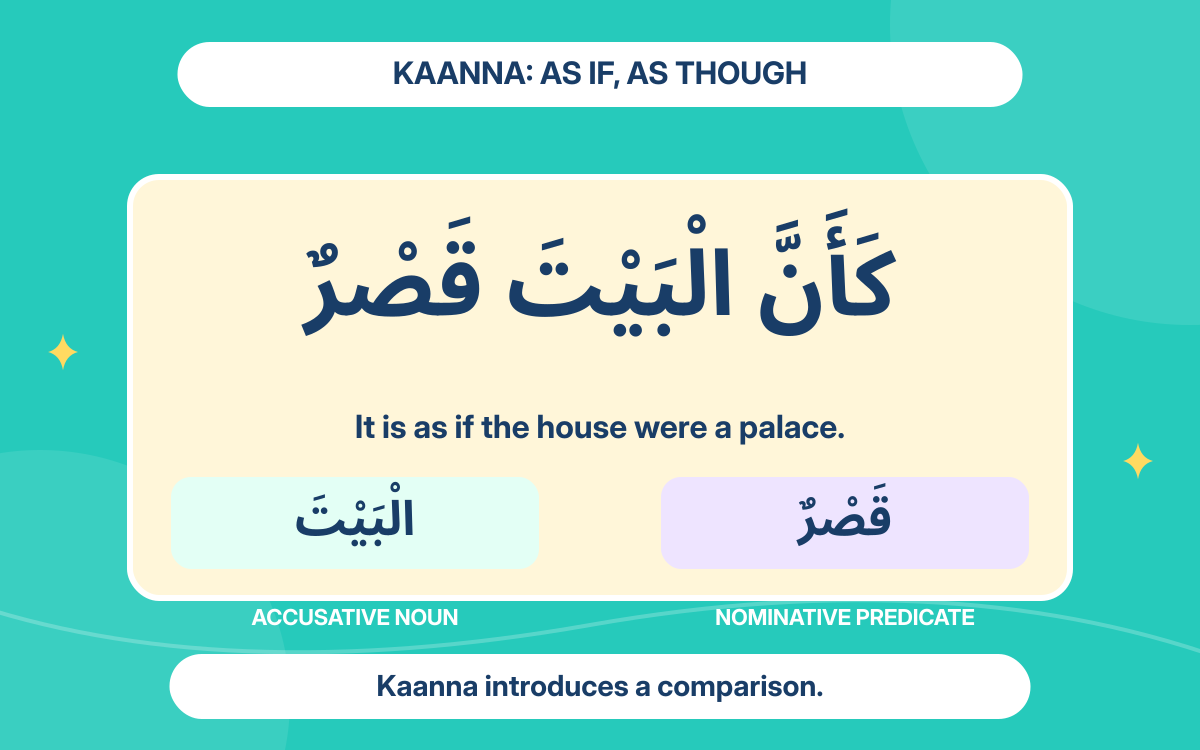
Kaanna in Arabic: As If and As Though
كَأَنَّهَا تَقِيسُ مَوْهِبَةً مُنْفَصِلَةً عَنْ ظُرُوفِهَا
Use kaanna to expose an over-broad interpretation of what the score measures.
Because in Arabic: Give a Reason with Lianna
لِأَنَّنِي أُمَثِّلُ حَقَّ الْمُتَقَدِّمِينَ فِي فَحْصِ مَا قَدَّمُوهُ
Use lianna to give the reason for a qualified acceptance of the review.
Lakinna and Lakin in Arabic: Two Patterns for But
لَكِنَّ دِقَّةَ التَّنْفِيذِ سَتَبْقَى دَلِيلًا عَلَى أَدَاءٍ مُشَاهَدٍ
Use governing lakinna to retain a limited evidential claim after conceding a broader concern.