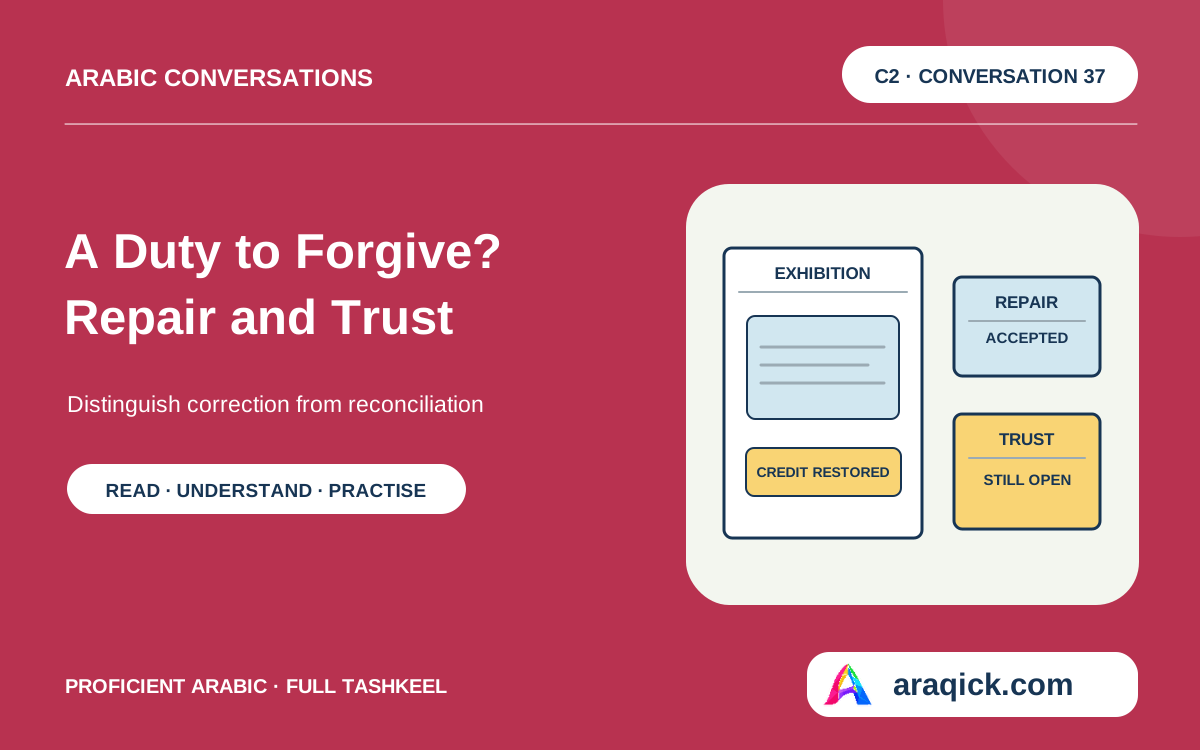
Ethicist Amin, mediator Hadi and community member Layla discuss a fictional exhibition dispute after her missing credit has been publicly corrected. Hadi wants a clear ending; Layla accepts the correction while questioning what anyone may infer about forgiveness, trust or future collaboration.
01Read the Arabic conversation
مُنَاقَشَةُ الْوَاجِبِ الْأَخْلَاقِيِّ لِلتَّسَامُحِ
هَادٍ: لِنُغْلِقْ اجْتِمَاعَنَا بِوُضُوحٍ. فِي مَعْرِضِنَا التَّخَيُّلِيِّ حُذِفَ اسْمُ لَيْلَى مِنْ بِطَاقَةِ الْعَمَلِ الْمُشْتَرَكِ، وَقَدْ أُعِيدَ الْيَوْمَ، وَنُشِرَ تَصْحِيحٌ عَلَى الصَّفْحَةِ نَفْسِهَا. هَلْ نَكْتُبُ أَنَّ التَّصْحِيحَ قُبِلَ وَأَنَّ الْمَسْأَلَةَ انْتَهَتْ؟
لَيْلَى: أَقْبَلُ التَّصْحِيحَ، وَقَدْ رَأَيْتُ الْبِطَاقَةَ وَالْمَنْشُورَ بِنَفْسِي. لَكِنَّ الْمَسْأَلَةَ أَوْسَعُ مِنْ سَطْرٍ أُصْلِحَ. إِذَا كَتَبْتَ أَنَّهَا انْتَهَتْ، فَقَدْ يُفْهَمُ أَنَّنِي سَامَحْتُ، أَوْ أَنَّنِي مُسْتَعِدَّةٌ لِلْعَمَلِ مَعَ الشَّخْصِ نَفْسِهِ مَرَّةً أُخْرَى.
أَمِينٌ: قَبْلَ أَنْ نَسْأَلَ عَنِ الْوَاجِبِ، نَحْتَاجُ إِلَى تَحْدِيدِ مَوْضُوعِهِ. هَلْ نَقْصِدُ بِالتَّسَامُحِ قَبُولَ تَصْحِيحِ النِّسْبَةِ، أَمِ التَّخَلِّيَ عَنِ الضَّغِينَةِ، أَمِ اسْتِعَادَةَ الثِّقَةِ؟ قَدْ يَحْدُثُ أَحَدُ هَذِهِ الْأُمُورِ دُونَ الْآخَرِ فِي هَذِهِ الْحَالَةِ.
هَادٍ: تَصَوَّرْتُ أَنَّ إِعْلَانَ التَّسَامُحِ سَيَمْنَعُ تَكْرَارَ الْخِلَافِ. لَا أَطْلُبُ عَقْدًا جَدِيدًا، لَكِنِّي أَخْشَى أَنْ يَبْقَى التَّصْحِيحُ بِلَا أَثَرٍ إِذَا ظَلَّ الْعَمَلُ السَّابِقُ يُذْكَرُ كَأَنَّهُ لَمْ يُصَحَّحْ.
لَيْلَى: أَنَا لَا أُنْكِرُ مَا تَغَيَّرَ، وَلَنْ أَقُولَ إِنَّ اسْمِي مَا زَالَ مَحْذُوفًا. هَذَا الْتِزَامٌ بِوَصْفِ الْوَاقِعِ، لَا إِقْرَارٌ بِأَنَّ شُعُورِي تَغَيَّرَ بِالسُّرْعَةِ نَفْسِهَا. أَتَحَفَّظُ عَلَى جَعْلِ أَثَرِ الْإِصْلَاحِ مَشْرُوطًا بِكَلِمَةٍ مِنِّي.
أَمِينٌ: أُوَافِقُ عَلَى أَنَّ الْإِصْلَاحَ لَا يَفْقِدُ قِيمَتَهُ بِغِيَابِ إِعْلَانِكِ. وَمَعَ ذَلِكَ، أَرَى أَنَّ لِلتَّخَلِّي عَنِ الضَّغِينَةِ قِيمَةً أَخْلَاقِيَّةً حِينَ لَا تَعُودُ تَحْمِي مَطْلَبًا عَادِلًا. سُؤَالِي هُوَ هَلْ تَصِيرُ هَذِهِ الْقِيمَةُ وَاجِبًا فِي وَقْتٍ مَا؟
هَادٍ: كَيْفَ نَعْرِفُ أَنَّ الضَّغِينَةَ لَمْ تَعُدْ تَحْمِي مَطْلَبًا؟ لَا أَسْتَطِيعُ أَنْ أُحَوِّلَ اجْتِمَاعًا لِتَصْحِيحِ نِسْبَةِ عَمَلٍ إِلَى مَحْكَمَةٍ لِلنَّوَايَا. وَلَيْسَ الشَّخْصُ الَّذِي حَذَفَ الِاسْمَ حَاضِرًا لِيُبَيِّنَ مَوْقِفَهُ.
لَيْلَى: وَلَا أُرِيدُ أَنْ نَخْتَرِعَ لَهُ نَدَمًا أَوْ خُبْثًا. أَعْرِفُ أَنَّ التَّصْحِيحَ نُشِرَ، وَلَا أَعْرِفُ مَا يَعْنِيهِ لَهُ دَاخِلِيًّا. وَأَنْتَ يَا أَمِينُ تَسْأَلُ عَمَّا يَجِبُ عَلَيَّ تَرْكُهُ قَبْلَ أَنْ نَتَّفِقَ عَلَى مَا أَحْتَفِظُ بِهِ.
أَمِينٌ: لَا أُسَمِّي كُلَّ تَذَكُّرٍ لِلْخَطَإِ ضَغِينَةً. يُمْكِنُ أَنْ تَرْفُضِي تَعَاوُنًا جَدِيدًا لِأَنَّكِ لَا تَثِقِينَ بِطَرِيقَةِ نِسْبَةِ الْعَمَلِ، دُونَ أَنْ تَتَمَنَّيْ لَهُ خَسَارَةً. أُرَاجِعُ اسْتِمْرَارَ ذَلِكَ التَّمَنِّي إِذَا وُجِدَ، لَا حَقَّكِ فِي التَّذَكُّرِ.
هَادٍ: قَدْ نَخْتَلِفُ عَلَى شُعُورٍ لَمْ تَصِفْهُ لَيْلَى. هِيَ قَالَتْ إِنَّهَا لَمْ تُعْلِنِ التَّسَامُحَ، وَلَمْ تَقُلْ إِنَّهَا تَتَمَنَّى لِأَحَدٍ خَسَارَةً. هَلْ كَانَ اقْتِرَاحِي يَفْتَرِضُ أَنَّ مَنْ لَا يُعْلِنُ الْعَفْوَ يَحْمِلُ هَذَا التَّمَنِّيَ؟
لَيْلَى: هَذَا مَا أَزْعَجَنِي. لَا أُرِيدُ أَنْ يَصِيرَ صَمْتِي جَوَابًا عَنْ سُؤَالٍ لَمْ أَخْتَرْهُ. أَنَا غَاضِبَةٌ مِنْ مَحْوِ مُسَاهَمَتِي، وَأَفْرَحُ بِعَوْدَةِ اسْمِي، وَلَا أَجِدُ بَيْنَ الْأَمْرَيْنِ تَنَاقُضًا يُلْزِمُنِي بِإِعْلَانٍ فَوْرِيٍّ.
أَمِينٌ: أَقْبَلُ هَذَا التَّصْحِيحَ لِسُؤَالِي. لَا يَثْبُتُ مِنْ صَمْتِكِ وُجُودُ تَمَنٍّ لِلضَّرَرِ. وَلَا يَزَالُ عِنْدِي خِلَافٌ نَظَرِيٌّ مَعَ الْقَوْلِ إِنَّ التَّسَامُحَ لَا يُمْكِنُ أَنْ يَكُونَ وَاجِبًا؛ لَكِنَّ حَالَتَكِ لَا تَمْنَحُنِي الْمُقَدِّمَاتِ لِإِصْدَارِ ذَلِكَ الْحُكْمِ عَلَيْكِ.
هَادٍ: سَأَحْذِفُ إِذَنْ كَلِمَةَ التَّسَامُحِ مِنْ صِيغَةِ الْإِغْلَاقِ. وَأَقْتَرِحُ أَنْ نَكْتُبَ أَنَّ التَّصْحِيحَ تَمَّ وَأَنَّ لَيْلَى قَبِلَتْهُ. هَلْ يَكْفِي هَذَا، أَمْ يَحْتَاجُ الْمَحْضَرُ إِلَى تَحْفُّظٍ صَرِيحٍ؟
لَيْلَى: يَحْتَاجُ إِلَى تَحْفُّظٍ، لِأَنَّ الْمُنَظِّمِينَ سَأَلُونِي عَنْ مَشْرُوعٍ جَدِيدٍ أَمْسِ. لَا أُرِيدُ أَنْ يَقْرَؤُوا قَبُولَ التَّصْحِيحِ كَأَنَّهُ مُوَافَقَةٌ عَلَى ذَلِكَ الْمَشْرُوعِ. لَمْ أُوَافِقْ عَلَيْهِ، وَسُؤَالُ التَّعَاوُنِ لَا يَحْسِمُهُ تَصْحِيحُ الْبِطَاقَةِ.
أَمِينٌ: وَاسْتِعَادَةُ الثِّقَةِ تَتَعَلَّقُ بِمَا تَتَوَقَّعِينَهُ مِنْ تَصَرُّفٍ قَادِمٍ، أَمَّا الْعَفْوُ فَقَدْ تَفْهَمِينَهُ بِوَصْفِهِ تَغَيُّرًا فِي مَوْقِفِكِ مِنَ الْخَطَإِ الْمَاضِي. حَتَّى لَوْ حَدَثَ الثَّانِي، لَا يَلْزَمُ مِنْهُ أَنْ يَكُونَ تَوَقُّعُكِ الْأَوَّلُ قَدْ تَغَيَّرَ.
هَادٍ: كُنْتُ أَسْتَخْدِمُ الْمُصَالَحَةَ وَالتَّسَامُحَ كَأَنَّهُمَا كَلِمَتَانِ لِشَيْءٍ وَاحِدٍ. فِي هَذَا الِاجْتِمَاعِ أَسْتَطِيعُ تَسْجِيلَ مَا قَبِلَتْهُ لَيْلَى، لَا إِعْلَانَ عَلَاقَةٍ مُتَجَدِّدَةٍ بَيْنَ شَخْصَيْنِ لَا يَحْضُرُ مِنْهُمَا إِلَّا وَاحِدٌ. هَذَا يَجْعَلُ الصِّيَاغَةَ أَضْيَقَ وَأَصْدَقَ.
لَيْلَى: وَأَنَا لَا أُعَرِّفُ التَّسَامُحَ بِمُجَرَّدِ تَرْكِ تَمَنِّي الْخَسَارَةِ. لَوْ فَعَلْتُ، لَكَانَ عَدَمُ وُجُودِ ذَلِكَ التَّمَنِّي شَهَادَةً بِعَفْوِي. أَرَاهُ مَوْقِفًا أَخْتَارُ أَنْ أُسَمِّيَهُ، وَلَا أُرِيدُ أَنْ يُسْتَخْرَجَ مِنْ عَدَمِ حُبِّي لِلِانْتِقَامِ.
أَمِينٌ: هُنَا خِلَافُنَا الْحَقِيقِيُّ: أَنْتِ تَجْعَلِينَ تَسْمِيَةَ الْمَوْقِفِ جُزْءًا مِنْهُ، وَأَنَا أَبْحَثُ عَنْ مَعْيَارٍ أَخْلَاقِيٍّ لِلْمَوْقِفِ نَفْسِهِ. إِمْكَانُ الْفَضِيلَةِ لَا يَجْعَلُهَا وَاجِبًا؛ لَكِنِّي لَا أَسْتَبْعِدُ الْوَاجِبَ فِي كُلِّ حَالَةٍ.
هَادٍ: إِذَنْ لَنْ أَكْتُبَ أَنَّنَا اتَّفَقْنَا عَلَى مَعْنَى التَّسَامُحِ أَوْ عَلَى وُجُوبِهِ. سَأَفْصِلُ بَيْنَ نَتِيجَةِ الِاجْتِمَاعِ وَالنِّقَاشِ الَّذِي لَمْ يُحْسَمْ. هَلْ يَبْقَى لِعِبَارَةِ إِغْلَاقِ الْمَلَفِّ مَعْنًى مُحَدَّدٌ يُمْكِنُنَا الِاتِّفَاقُ عَلَيْهِ؟
لَيْلَى: إِذَا كَانَ الْمَلَفُّ هُوَ طَلَبَ إِعَادَةِ اسْمِي وَنَشْرِ التَّصْحِيحِ، فَقَدْ أُنْجِزَ الْمَطْلُوبُ. أَمَّا إِذَا شَمِلَ مَوْقِفِي مِنَ الشَّخْصِ أَوْ قَرَارِي بِالتَّعَاوُنِ، فَلَا أَقْبَلُ إِغْلَاقَهُ بِالْمَعْنَى نَفْسِهِ. اِخْتِلَافُ حُدُودِ الْمَلَفِّ يَصْنَعُ خِلَافًا حَوْلَ إِغْلَاقِهِ.
أَمِينٌ: أُؤَيِّدُ هَذَا التَّحْدِيدَ، وَلَا أَعُدُّهُ تَهَرُّبًا مِنْ سُؤَالِي. الْوَاجِبُ الَّذِي أُنَاقِشُهُ لَيْسَ بَنْدًا فِي مَحْضَرِ تَصْحِيحِ الْبِطَاقَةِ. وَسَأُبْقِي اعْتِرَاضِي عَلَى رَفْضِهِ مُسْبَقًا فِي كُلِّ الظُّرُوفِ، دُونَ أَنْ أَنْسِبَ إِلَيْكِ مَا لَمْ تَقُولِيهِ.
هَادٍ: سَتَكُونُ الْعِبَارَةُ إِذَنْ أَنَّ طَلَبَ تَصْحِيحِ النِّسْبَةِ أُنْجِزَ وَقُبِلَ، وَأَنَّ ذَلِكَ لَا يَتَضَمَّنُ إِعْلَانَ تَسَامُحٍ أَوِ اتِّفَاقًا عَلَى تَعَاوُنٍ جَدِيدٍ. سَأُرْسِلُهَا لِلْمُنَظِّمِينَ بَعْدَ قِرَاءَةِ لَيْلَى.
لَيْلَى: أَقْبَلُ هَذِهِ الصِّيَاغَةَ لِلْمَحْضَرِ، وَلَا أُرِيدُ أَنْ تُضَافَ إِلَيْهَا وُعُودٌ عَنْ شُعُورِي فِي الْمُسْتَقْبَلِ. قَدْ يَتَغَيَّرُ مَوْقِفِي وَقَدْ لَا يَتَغَيَّرُ؛ لَا يَجْعَلُ أَحَدُ الِاحْتِمَالَيْنِ تَصْحِيحَ الْيَوْمِ وَهْمًا، وَلَا يَسْمَحُ بِتَسْمِيَتِهِ مُصَالَحَةً مِنْ جَانِبِي.
أَمِينٌ: خِلَافُنَا لَمْ يَكُنْ بَيْنَ قَبُولِ الْإِصْلَاحِ وَرَفْضِهِ. كَانَ حَوْلَ مَا يَتَرَتَّبُ عَلَيْهِ، وَحَوْلَ مَنْ يَمْلِكُ تَسْمِيَةَ الِاسْتِجَابَةِ. هَذَا خِلَافٌ يَسْتَحِقُّ أَنْ يَبْقَى ظَاهِرًا، لَا أَنْ تُخْفِيَهُ عِبَارَةُ إِغْلَاقٍ.
هَادٍ: طَلَبْتُ مِنْ كَلِمَةٍ وَاحِدَةٍ أَكْثَرَ مِمَّا اتَّفَقْنَا عَلَيْهِ. سَنُنْهِي الِاجْتِمَاعَ بِتَسْجِيلِ إِصْلَاحٍ مُحَدَّدٍ وَتَحَفُّظٍ مُحَدَّدٍ. الْوُضُوحُ هُنَا لَا يَعْنِي أَنْ تَتَشَابَهَ مَوَاقِفُنَا، بَلْ أَنْ يَعْرِفَ الْقَارِئُ مَا يُمْكِنُ نِسْبَتُهُ إِلَى كُلٍّ مِنَّا.
لَيْلَى: وَسَأَقْرَأُ الصِّيَاغَةَ عَلَى هَذَا الْأَسَاسِ. أُرِيدُ أَنْ يَظْهَرَ فِيهَا أَنَّ اسْمِي عَادَ وَأَنَّنِي أَقْبَلُ هَذَا الْإِنْجَازَ، دُونَ أَنْ يَتَحَوَّلَ قَبُولِي إِلَى كَلَامٍ يُقَالُ بِلِسَانِي عَنْ عَلَاقَةٍ لَمْ أُقَرِّرْ اسْتِئْنَافَهَا.
أَمِينٌ: وَأَنَا سَأَتْرُكُ سُؤَالَ الْوَاجِبِ مَفْتُوحًا فِي نِقَاشِنَا، لَا حُكْمًا مُعَلَّقًا عَلَى لَيْلَى. تَمَّ تَصْحِيحُ النِّسْبَةِ، وَسَيُصَاغُ الْمَحْضَرُ بِحُدُودِهِ، وَيَبْقَى الْخِلَافُ الْأَخْلَاقِيُّ قَائِمًا. لَا نَحْتَاجُ إِلَى دَمْجِ النَّتَائِجِ لِإِنْهَاءِ الْجَلْسَةِ.
Show English translationHide English translation
Hadi — mediator: Let us close our meeting clearly. In our fictional exhibition, Layla’s name was removed from the joint work’s card. It was restored today, and a correction was published on the same page. Shall we write that the correction was accepted and the matter is over?
Layla — community member: I accept the correction and have seen the card and the post myself. But the matter is wider than a repaired line. If you write that it is over, people may understand that I have forgiven, or that I am ready to work with the same person again.
Amin — ethicist: Before asking about a duty, we need to define its object. By forgiveness, do we mean accepting the correction of attribution, relinquishing resentment, or restoring trust? One of these things may happen without the other in this case.
Hadi — mediator: I imagined that announcing forgiveness would prevent the dispute recurring. I am not asking for a new agreement, but I fear the correction will have no effect if the earlier work keeps being mentioned as though it had not been corrected.
Layla — community member: I do not deny what has changed, and I will not say that my name is still missing. That is a commitment to describing reality, not an acknowledgement that my feeling changed at the same speed. I object to making the repair’s effect conditional on a word from me.
Amin — ethicist: I agree that the repair does not lose its value without your declaration. Even so, I see ethical value in relinquishing resentment when it no longer protects a fair demand. My question is whether that value becomes a duty at some point.
Hadi — mediator: How do we know resentment no longer protects a demand? I cannot turn a meeting to correct a work’s attribution into a court for intentions. The person who removed the name is not here to explain their position.
Layla — community member: Nor do I want us to invent remorse or malice for him. I know the correction was published; I do not know what it means to him inwardly. And you, Amin, ask what I ought to relinquish before we agree on what I am retaining.
Amin — ethicist: I do not call every recollection of the wrong resentment. You can refuse new collaboration because you do not trust the way work is credited, without wishing him a loss. I question the continuation of that wish if it exists, not your right to remember.
Hadi — mediator: We may be disagreeing about a feeling Layla has not described. She said she has not declared forgiveness; she did not say she wishes anyone a loss. Did my proposal assume that anyone who does not announce pardon carries that wish?
Layla — community member: That is what troubled me. I do not want my silence to become an answer to a question I did not choose. I am angry about my contribution being erased and glad my name is back. I see no contradiction between them requiring an immediate declaration.
Amin — ethicist: I accept that correction to my question. Your silence does not establish a wish for harm. I still have a theoretical disagreement with the claim that forgiveness can never be a duty, but your case does not give me the premises to issue that judgement about you.
Hadi — mediator: Then I will remove forgiveness from the closing formula. I propose writing that the correction was completed and Layla accepted it. Is that enough, or does the record need an explicit reservation?
Layla — community member: It needs a reservation, because the organisers asked me about a new project yesterday. I do not want them to read acceptance of the correction as though it were agreement to that project. I have not agreed to it, and correcting the card does not settle collaboration.
Amin — ethicist: Restoring trust concerns what you expect of future behaviour, whereas you may understand pardon as a change in your stance toward the past wrong. Even if the second happened, it would not follow that your first expectation had changed.
Hadi — mediator: I was using reconciliation and forgiveness as though they were two words for one thing. In this meeting I can record what Layla accepted, not announce a renewed relationship between two people when only one is present. That makes the wording narrower and more truthful.
Layla — community member: I do not define forgiveness merely as abandoning a wish for loss. If I did, the absence of that wish would certify my pardon. I see it as a stance I choose to name, and I do not want it extracted from my lack of desire for revenge.
Amin — ethicist: Here is our real disagreement: you make naming the stance part of it, while I seek an ethical criterion for the stance itself. The possibility of a virtue does not make it a duty, but I do not rule duty out in every case.
Hadi — mediator: Then I will not write that we agreed on the meaning of forgiveness or its being obligatory. I will separate the meeting’s result from the unresolved discussion. Does closing the file retain a specific meaning we can agree on?
Layla — community member: If the file is the request to restore my name and publish the correction, what was requested has been completed. If it includes my stance toward the person or my decision about collaboration, I do not accept closing it in the same sense. Different boundaries of the file create disagreement about closing it.
Amin — ethicist: I support that definition and do not consider it evasion of my question. The duty I am discussing is not an item in the card-correction record. I will retain my objection to ruling it out beforehand in every circumstance, without attributing to you what you have not said.
Hadi — mediator: The wording will therefore say that the attribution-correction request was completed and accepted, and that this contains neither a declaration of forgiveness nor an agreement to new collaboration. I will send it to the organisers after Layla reads it.
Layla — community member: I accept that wording for the record and do not want promises about my future feelings added to it. My stance may change or may not; neither possibility makes today’s correction an illusion or permits it to be named reconciliation on my part.
Amin — ethicist: Our disagreement was not between accepting and rejecting repair. It concerned what follows from it and who can name the response. That disagreement deserves to remain visible rather than be hidden by a closing formula.
Hadi — mediator: I asked one word for more than we had agreed. We will end the meeting by recording a specific repair and a specific reservation. Clarity here does not mean that our stances become alike, but that the reader knows what can be attributed to each of us.
Layla — community member: I will read the wording on that basis. I want it to show that my name is back and I accept that achievement, without my acceptance becoming words spoken on my behalf about a relationship I have not decided to resume.
Amin — ethicist: I will leave the duty question open in our discussion, not as a suspended judgement over Layla. Attribution has been corrected, the minutes will be framed within their limits, and the ethical disagreement remains. We need not merge the results to end the session.
02Useful words and expressions
| Arabic in the conversation | Meaning here |
|---|---|
| تَصْحِيحِ النِّسْبَةِ | correcting attribution |
| التَّخَلِّيَ عَنِ الضَّغِينَةِ | relinquishing resentment |
| وَاسْتِعَادَةُ الثِّقَةِ | and restoring trust |
| مَحْكَمَةٍ لِلنَّوَايَا | a court for intentions |
| وَلَا أُرِيدُ أَنْ نَخْتَرِعَ لَهُ نَدَمًا أَوْ خُبْثًا | and I do not want us to invent remorse or malice for him |
| الْمُقَدِّمَاتِ | the premises |
| تَحْفُّظٍ صَرِيحٍ | an explicit reservation |
| كَلِمَتَانِ لِشَيْءٍ وَاحِدٍ | two words for one thing |
| تَهَرُّبًا مِنْ سُؤَالِي | evasion of my question |
| تَسْمِيَةَ الِاسْتِجَابَةِ | naming the response |
| بِلِسَانِي | on my behalf; literally, with my tongue |
| حُكْمًا مُعَلَّقًا | a suspended judgement |
03Check your understanding
Choose one answer for each question. Look back at the Arabic conversation for evidence. Open the English question support or a hint when you need help.
What to remember
- Distinguish accepting a completed correction from forgiving, trusting again or agreeing to reconciliation.
- Recognise an unproved presupposition when silence is treated as evidence of an inner attitude.
- Track an ethical disagreement that remains open without turning the meeting record into a judgement about one person.
Explore the Arabic in this conversation
Related grammar and vocabularyOpen Araqick guides connected to this conversation.
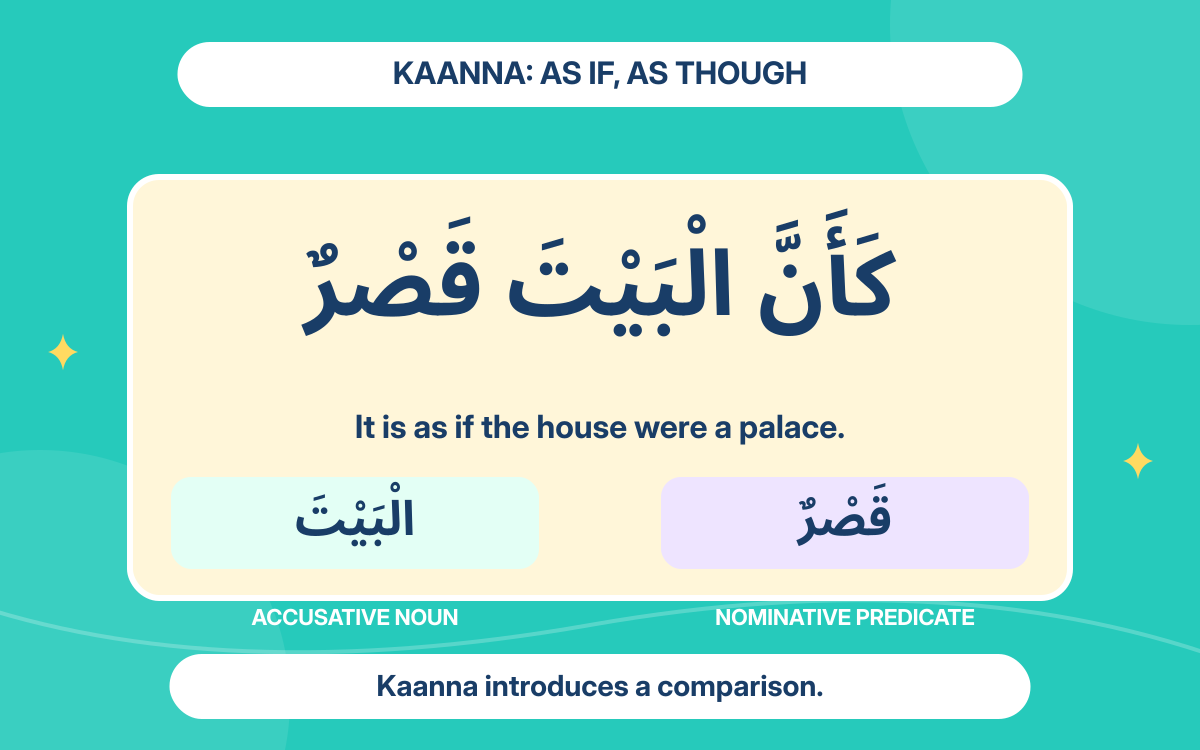
Kaanna in Arabic: As If and As Though
كَأَنَّهُ مُوَافَقَةٌ عَلَى ذَلِكَ الْمَشْرُوعِ
Use kaanna to identify a mistaken equivalence between accepting a correction and approving new collaboration.
Because in Arabic: Give a Reason with Lianna
لِأَنَّكِ لَا تَثِقِينَ بِطَرِيقَةِ نِسْبَةِ الْعَمَلِ
Use lianna with an attached listener pronoun to give a reason for withholding trust without attributing a wish for harm.
Lakinna and Lakin in Arabic: Two Patterns for But
لَكِنَّ حَالَتَكِ لَا تَمْنَحُنِي الْمُقَدِّمَاتِ لِإِصْدَارِ ذَلِكَ الْحُكْمِ عَلَيْكِ
Use governing lakinna to preserve Amin’s theoretical question while limiting what this case establishes.