Training manager Rania, department head Fadi and employee representative Samar negotiate technical training, handover skills and fair access for two shifts.
01Read the Arabic conversation
التَّفَاوُضُ عَلَى أَوْلَوِيَّاتِ تَدْرِيبِ الْمُوَظَّفِينَ
رَانِيَا: أَمَامَنَا مِيزَانِيَّةٌ تَكْفِي لِبَرْنَامَجَيْنِ تَدْرِيبِيَّيْنِ هَذَا الْفَصْلَ، وَالْمُقْتَرَحَاتُ أَكْثَرُ مِنْ ذَلِكَ. أُرِيدُ أَنْ نَتَّفِقَ عَلَى مِعْيَارٍ لِلْأَوْلَوِيَّةِ قَبْلَ أَنْ نُفَاضِلَ بَيْنَ الْعَنَاوِينِ.
فَادِي: أَقْتَرِحُ الْبَدْءَ بِأَدَاةِ إِعْدَادِ التَّقَارِيرِ الْجَدِيدَةِ؛ فَفَرِيقِي يُعِيدُ تَصْحِيحَ الْبَيَانَاتِ كُلَّ أُسْبُوعٍ. تَحْسِينُ هَذِهِ الْمَهَارَةِ سَيُخَفِّفُ ضَغْطًا نَعْرِفُ مَصْدَرَهُ، بَدَلًا مِنْ تَدْرِيبٍ عَامٍّ.
سَمَرُ: أَفْهَمُ الْحَاجَةَ، لَكِنَّ الزُّمَلَاءَ فِي الْوَرْدِيَةِ الْمَسَائِيَّةِ يَشْكُونَ مِنْ نَقْصِ الْمَعْلُومَاتِ عِنْدَ تَسَلُّمِ الْعَمَلِ. قَدْ نُسَرِّعُ إِعْدَادَ التَّقْرِيرِ وَنُبْقِي سَبَبَ الْخَطَإِ كَمَا هُوَ.
رَانِيَا: هَذَا سَبَبُ اقْتِرَاحِي تَدْرِيبًا عَلَى التَّوَاصُلِ بَيْنَ الْوَرْدِيَّاتِ. مَعَ ذَلِكَ لَا أُرِيدُ أَنْ نَنْسُبَ كُلَّ مُشْكِلَةٍ إِلَى التَّوَاصُلِ قَبْلَ فَحْصِ عَيِّنَةٍ مِنَ الْأَخْطَاءِ الْفِعْلِيَّةِ.
فَادِي: لَدَيَّ عَشَرَةُ تَقَارِيرَ أُعِيدَتْ لِلتَّصْحِيحِ. بَعْضُهَا يَحْوِي حُقُولًا فَارِغَةً، وَبَعْضُهَا يَسْتَخْدِمُ صِيغًا خَاطِئَةً. أُقِرُّ بِأَنَّ تَدْرِيبًا وَاحِدًا قَدْ لَا يُعَالِجُ النَّوْعَيْنِ بِالْكَفَاءَةِ نَفْسِهَا.
سَمَرُ: وَأَقْتَرِحُ حَذْفَ الْأَسْمَاءِ قَبْلَ عَرْضِهَا. إِذَا شَعَرَ الْمُوَظَّفُونَ أَنَّنَا نَبْحَثُ عَنْ مُخْطِئٍ، فَقَدْ يُخْفُونَ مَا يَحْتَاجُونَ إِلَى تَعَلُّمِهِ بَدَلًا مِنْ مُنَاقَشَتِهِ بِصَرَاحَةٍ.
رَانِيَا: مُوَافِقَةٌ. سَنَسْتَخْدِمُ الْعَيِّنَةَ لِتَشْخِيصِ الْحَاجَةِ، لَا لِتَرْتِيبِ الْمُوَظَّفِينَ. ثُمَّ نُقَارِنُ بَيْنَ تَكْرَارِ الْخَطَإِ وَأَثَرِهِ، لِأَنَّ الْخَطَأَ النَّادِرَ قَدْ يَكُونُ أَشَدَّ تَأْثِيرًا مِنْ خَطَإٍ مُتَكَرِّرٍ.
فَادِي: لَدَيَّ تَحَفُّظٌ عَمَلِيٌّ: هَلْ سَنُخْرِجُ الْفَرِيقَ كُلَّهُ مِنَ الْعَمَلِ فِي الْوَقْتِ نَفْسِهِ؟ أَيُّ خُطَّةٍ لَا تُرَاعِي اسْتِمْرَارَ الْخِدْمَةِ سَتَخْلُقُ ضَغْطًا جَدِيدًا بَدَلًا مِنْ تَخْفِيفِهِ.
سَمَرُ: وَلَدَيَّ تَحَفُّظٌ مُقَابِلٌ: إِذَا حَضَرَ الزُّمَلَاءُ بَعْدَ انْتِهَاءِ الْوَرْدِيَةِ، فَسَيَتَحَمَّلُونَ التَّكْلِفَةَ مِنْ وَقْتِ رَاحَتِهِمْ. تَسْمِيَةُ الْحُضُورِ اخْتِيَارِيًّا لَا تَجْعَلُ هَذَا التَّفَاوُتَ يَخْتَفِي.
رَانِيَا: نُقَسِّمُ الْمُشَارِكِينَ إِلَى مَجْمُوعَاتٍ صَغِيرَةٍ، وَنُخَصِّصُ لَهُمْ وَقْتًا مَحْمِيًّا ضِمْنَ سَاعَاتِ الْعَمَلِ. أَمَّا الْوَرْدِيَةُ الْمَسَائِيَّةُ فَلَهَا جَلْسَةٌ مُمَاثِلَةٌ، وَلَيْسَتْ مُجَرَّدَ تَسْجِيلٍ لِجَلْسَةِ الصَّبَاحِ.
فَادِي: أَسْتَطِيعُ تَنْظِيمَ التَّغْطِيَةِ إِذَا عَرَفْتُ الْجَدْوَلَ مُبَكِّرًا. لَكِنْ لَا يَكْفِي أَنْ يَحْضُرَ الزَّمِيلُ الْجَلْسَةَ؛ نَحْتَاجُ إِلَى فُرْصَةٍ لِتَطْبِيقِ الْمَهَارَةِ بَعْدَهَا فِي عَمَلٍ حَقِيقِيٍّ.
سَمَرُ: وَيَجِبُ أَلَّا تَعْنِيَ التَّغْطِيَةُ أَنَّ الْمُوَظَّفَ نَفْسَهُ يَتَحَمَّلُ عَمَلَ الْآخَرِينَ كُلَّ مَرَّةٍ. نُرِيدُ تَوْزِيعَ الْفُرَصِ وَالْأَعْبَاءِ مَعًا، لَا مُجَرَّدَ تَوْزِيعِ مَقَاعِدِ التَّدْرِيبِ بِالتَّسَاوِي.
رَانِيَا: لَعَلَّ الْبَدْءَ بِمَجْمُوعَةٍ تَجْرِيبِيَّةٍ يُسَاعِدُنَا عَلَى اخْتِبَارِ الْجَدْوَلِ وَالْمُحْتَوَى مَعًا. نَخْتَارُ أَفْرَادًا مِنْ وَرْدِيَّاتٍ مُخْتَلِفَةٍ، وَبِمُسْتَوَيَاتٍ مُتَفَاوِتَةٍ مِنَ الْخِبْرَةِ، لَا الْأَكْثَرَ حَمَاسًا فَقَطْ.
فَادِي: أُوَافِقُ عَلَى التَّجْرِبَةِ، بِشَرْطِ أَلَّا تَتَأَخَّرَ مُعَالَجَةُ الْأَخْطَاءِ الْعَاجِلَةِ. يُمْكِنُ إِعْدَادُ دَلِيلٍ قَصِيرٍ لِلصِّيَغِ الشَّائِعَةِ، يَسْتَخْدِمُهُ الْجَمِيعُ حَتَّى تَبْدَأَ الْجَلَسَاتُ الْمُنَظَّمَةُ فِي الْأُسْبُوعِ الْقَادِمِ.
سَمَرُ: ذَلِكَ مُفِيدٌ، إِذَا كَانَ الدَّلِيلُ وَاضِحًا لِمَنْ لَمْ يَسْتَخْدِمِ الْأَدَاةَ مِنْ قَبْلُ. سَأَطْلُبُ مِنْ زَمِيلَيْنِ جَدِيدَيْنِ تَجْرِبَتَهُ وَتَسْجِيلَ الْمَوَاضِعِ الَّتِي تَحْتَاجُ إِلَى شَرْحٍ.
رَانِيَا: إِذَنْ نَبْدَأُ بِوَحْدَةٍ تَقْنِيَّةٍ قَصِيرَةٍ، تَلِيهَا وَرْشَةٌ لِتَسَلُّمِ الْمَهَامِّ وَتَسْلِيمِهَا. سَيَعْمَلُ الْمُشَارِكُونَ عَلَى الْحَالَةِ نَفْسِهَا، لِيَرَوْا كَيْفَ يَرْتَبِطُ اسْتِخْدَامُ الْأَدَاةِ بِاكْتِمَالِ الْمَعْلُومَاتِ.
فَادِي: هَذَا أَقْرَبُ إِلَى احْتِيَاجِنَا مِنْ بَرْنَامَجَيْنِ مُنْفَصِلَيْنِ تَمَامًا. وَأَقْتَرِحُ أَنْ يَتَوَلَّى كُلُّ مُشَارِكٍ إِعْدَادَ تَقْرِيرٍ تَجْرِيبِيٍّ، ثُمَّ يُسَلِّمَهُ إِلَى زَمِيلٍ مِنَ الْوَرْدِيَةِ الْأُخْرَى.
سَمَرُ: أُؤَيِّدُ التَّمْرِينَ، لَكِنَّ الْهَدَفَ لَيْسَ كَشْفَ أَضْعَفِ مُشَارِكٍ. نُرِيدُ أَنْ نَعْرِفَ أَيَّ مَعْلُومَاتٍ تَضِيعُ فِي الِانْتِقَالِ، وَأَيَّ خُطْوَاتٍ تَحْتَاجُ إِلَى تَعْدِيلٍ فِي النَّمُوذَجِ نَفْسِهِ.
رَانِيَا: سَنُوَضِّحُ ذَلِكَ فِي بِدَايَةِ الْوَرْشَةِ. وَسَنَجْمَعُ الْمُلَاحَظَاتِ عَنِ الْخُطُوَاتِ وَالنَّتَائِجِ، لَا عَنْ شَخْصِيَّاتِ الزُّمَلَاءِ؛ فَالْمُشْكِلَةُ قَدْ تَكُونُ فِي تَصْمِيمِ الْعَمَلِ لَا فِي الْمَهَارَةِ.
فَادِي: كَيْفَ سَنَحْكُمُ عَلَى النَّجَاحِ؟ عَدَدُ الشَّهَادَاتِ الْمَمْنُوحَةِ لَنْ يُخْبِرَنِي إِنْ كَانَ الْفَرِيقُ أَصْبَحَ أَقْدَرَ عَلَى إِنْجَازِ التَّقَارِيرِ دُونَ الْحَاجَةِ إِلَى تَصْحِيحِهَا مَرَّةً أُخْرَى.
سَمَرُ: وَلَا يَكْفِي قِيَاسُ السُّرْعَةِ وَحْدَهَا. قَدْ يَنْتَهِي الْمُوَظَّفُ مُبَكِّرًا لِأَنَّهُ تَرَكَ حُقُولًا فَارِغَةً، ثُمَّ يَقْضِي زَمِيلُهُ وَقْتًا أَطْوَلَ فِي الْبَحْثِ عَنِ الْمَعْلُومَاتِ النَّاقِصَةِ.
رَانِيَا: نُقَارِنُ الْأَخْطَاءَ وَالْوَقْتَ الْكُلِّيَّ لِلْمَهَمَّةِ قَبْلَ التَّجْرِبَةِ وَبَعْدَهَا، وَنَطْلُبُ مُلَاحَظَاتِ الْوَرْدِيَّتَيْنِ. وَإِنْ زَادَ حَجْمُ الْعَمَلِ، فَسَنَذْكُرُ ذَلِكَ عِنْدَ تَفْسِيرِ النَّتَائِجِ بَعْدَ ثَلَاثَةِ أَسَابِيعَ.
فَادِي: وَمَاذَا عَنِ الْمُوَظَّفِينَ الَّذِينَ يُتْقِنُونَ الْأَدَاةَ أَصْلًا؟ أَخْشَى أَنْ يَشْعُرُوا أَنَّنَا نُكَرِّرُ مَا يَعْرِفُونَهُ، بَيْنَمَا يَنْتَظِرُونَ تَدْرِيبًا أَكْثَرَ تَقَدُّمًا يُنَاسِبُ الْمَهَامَّ الْمُسْنَدَةَ إِلَيْهِمْ.
سَمَرُ: يُمْكِنُهُمْ تَجَاوُزُ الشَّرْحِ التِّقْنِيِّ الْأَسَاسِيِّ بَعْدَ تَمْرِينٍ قَصِيرٍ، مَعَ الْمُشَارَكَةِ فِي وَرْشَةِ التَّسْلِيمِ. لَا يَنْبَغِي أَنْ يُعْفِيَهُمُ التَّمَكُّنُ مِنَ الْأَدَاةِ مِنْ مُرَاجَعَةِ طَرِيقَةِ التَّعَاوُنِ.
رَانِيَا: وَسَنُدْرِجُ طَلَبَ التَّدْرِيبِ الْمُتَقَدِّمِ فِي الْمُرَاجَعَةِ الْقَادِمَةِ، دُونَ وَعْدٍ بِتَمْوِيلِهِ الْآنَ. أُفَضِّلُ أَنْ نَشْرَحَ سَبَبَ التَّأْجِيلِ بِوُضُوحٍ عَلَى أَنْ نُوحِيَ بِمُوَافَقَةٍ لَمْ تَحْدُثْ.
فَادِي: إِذَنْ أَتَوَلَّى الْجَدْوَلَ وَالتَّغْطِيَةَ بِالتَّنْسِيقِ مَعَ سَمَرَ، وَأُقَدِّمُ الْعَيِّنَةَ بَعْدَ حَذْفِ الْأَسْمَاءِ. لَمْ أَحْصُلْ عَلَى بَرْنَامَجٍ تِقْنِيٍّ خَالِصٍ، لَكِنَّ الْخُطَّةَ تُعَالِجُ مَصْدَرَيْنِ لِلْمُشْكِلَةِ.
سَمَرُ: وَسَأَتَأَكَّدُ مِنْ إِتَاحَةِ الْجَلَسَاتِ لِلْوَرْدِيَّتَيْنِ وَعَدَالَةِ تَوْزِيعِ الْأَعْبَاءِ. نَقْبَلُ التَّجْرِبَةَ عَلَى أَنْ تُرَاجَعَ نَتَائِجُهَا، لَا عَلَى أَنَّ مُجَرَّدَ الْحُضُورِ يَعْنِي أَنَّ الْحَاجَةَ قَدْ لُبِّيَتْ.
Show English translationHide English translation
Rania · Training manager: We have a budget for two training programmes this term and more proposals than that. I want us to agree on a priority criterion before choosing between course titles.
Fadi · Department head: I suggest starting with the new reporting tool: my team corrects data again every week. Improving this skill would relieve a pressure with an identifiable source, rather than offering general training.
Samar · Employee representative: I understand the need, but evening-shift colleagues report missing information at handover. We may speed up report preparation while leaving the cause of the error unchanged.
Rania · Training manager: That is why I proposed training on communication between shifts. Still, I do not want to attribute every problem to communication before examining a sample of actual errors.
Fadi · Department head: I have ten reports returned for correction. Some contain empty fields and others incorrect formulas. I accept that one training course may not address both types equally well.
Samar · Employee representative: I suggest removing names before showing them. If employees feel we are looking for someone to blame, they may hide what they need to learn instead of discussing it openly.
Rania · Training manager: Agreed. We will use the sample to diagnose needs, not rank employees. Then we will compare error frequency and impact, because a rare error may have greater consequences than a frequent one.
Fadi · Department head: I have a practical reservation: will the whole team leave work at once? Any plan that ignores service continuity will create new pressure instead of reducing it.
Samar · Employee representative: My corresponding reservation is that attendance after a shift would cost colleagues their rest time. Calling attendance optional does not make that inequality disappear.
Rania · Training manager: We will split participants into small groups and give them protected time during working hours. The evening shift will have an equivalent session, not merely a recording of the morning session.
Fadi · Department head: I can arrange cover if I know the schedule early. But attending is not enough; colleagues need a chance to apply the skill afterward in real work.
Samar · Employee representative: Cover must not mean the same employee absorbs everyone else's work each time. We want opportunities and burdens distributed together, not just an equal allocation of training seats.
Rania · Training manager: Perhaps starting with a pilot group will help us test both schedule and content. We will choose people from different shifts with varied experience, not just the most enthusiastic volunteers.
Fadi · Department head: I agree to the pilot, provided urgent errors are addressed promptly. We could prepare a brief guide to common formulas for everyone to use until organised sessions begin next week.
Samar · Employee representative: That is useful if the guide is clear to someone who has never used the tool. I will ask two new colleagues to try it and record places needing explanation.
Rania · Training manager: Then we begin with a short technical module, followed by a handover workshop. Participants will use the same case to see how using the tool relates to having complete information.
Fadi · Department head: That is closer to our needs than two entirely separate programmes. I suggest each participant prepare a practice report and then hand it to a colleague from the other shift.
Samar · Employee representative: I support the exercise, but the goal is not to identify the weakest participant. We want to learn which information is lost in handover and which steps in the template itself need changing.
Rania · Training manager: We will explain that at the workshop's start. We will collect observations on steps and results, not colleagues' personalities: the problem may lie in work design rather than skill.
Fadi · Department head: How will we judge success? The number of certificates issued will not tell me whether the team is better able to produce reports without another round of corrections.
Samar · Employee representative: Speed alone is not enough. An employee may finish early by leaving fields empty, while a colleague then spends longer searching for the missing information.
Rania · Training manager: We will compare errors and total task time before and after the trial, and seek feedback from both shifts. If workload increases, we will note that when interpreting results after three weeks.
Fadi · Department head: What about employees who already know the tool? I worry they will feel we are repeating familiar material while they wait for more advanced training suited to their responsibilities.
Samar · Employee representative: They could skip the basic technical explanation after a short exercise while still attending the handover workshop. Mastering the tool should not exempt them from reviewing how they collaborate.
Rania · Training manager: We will include the request for advanced training in the next review without promising funding now. I prefer explaining the postponement clearly to implying approval that has not been given.
Fadi · Department head: Then I will handle scheduling and cover in coordination with Samar and provide the anonymised sample. I did not get a purely technical programme, but the plan addresses two sources of the problem.
Samar · Employee representative: I will check that both shifts can attend and burdens are shared fairly. We accept the trial subject to reviewing its results, not on the assumption that attendance itself means the need has been met.
02Useful words and expressions
| Arabic in the conversation | Meaning here |
|---|---|
| مِعْيَارٍ لِلْأَوْلَوِيَّةِ | a criterion for priority |
| نَقْصِ الْمَعْلُومَاتِ | missing information |
| لِتَشْخِيصِ الْحَاجَةِ | to diagnose the need |
| تَكْرَارِ الْخَطَإِ وَأَثَرِهِ | the frequency and impact of the error |
| اسْتِمْرَارَ الْخِدْمَةِ | service continuity |
| وَقْتًا مَحْمِيًّا | protected time |
| تَوْزِيعَ الْفُرَصِ وَالْأَعْبَاءِ | the distribution of opportunities and burdens |
| مَجْمُوعَةٍ تَجْرِيبِيَّةٍ | a pilot group |
| تَسَلُّمِ الْمَهَامِّ وَتَسْلِيمِهَا | receiving and handing over tasks |
| تَصْمِيمِ الْعَمَلِ | work design |
| الْوَقْتَ الْكُلِّيَّ لِلْمَهَمَّةِ | the total time for the task |
| دُونَ وَعْدٍ بِتَمْوِيلِهِ | without promising to fund it |
03Check your understanding
Choose one answer for each question. Look back at the Arabic conversation for evidence. Open the English question support or a hint when you need help.
What to remember
- Evaluate training priorities through actual errors, their impact and fair access.
- Define success through transferable learning and the whole task, rather than attendance or certificates.
Explore the Arabic in this conversation
Related grammar and vocabularyOpen Araqick guides connected to this conversation.
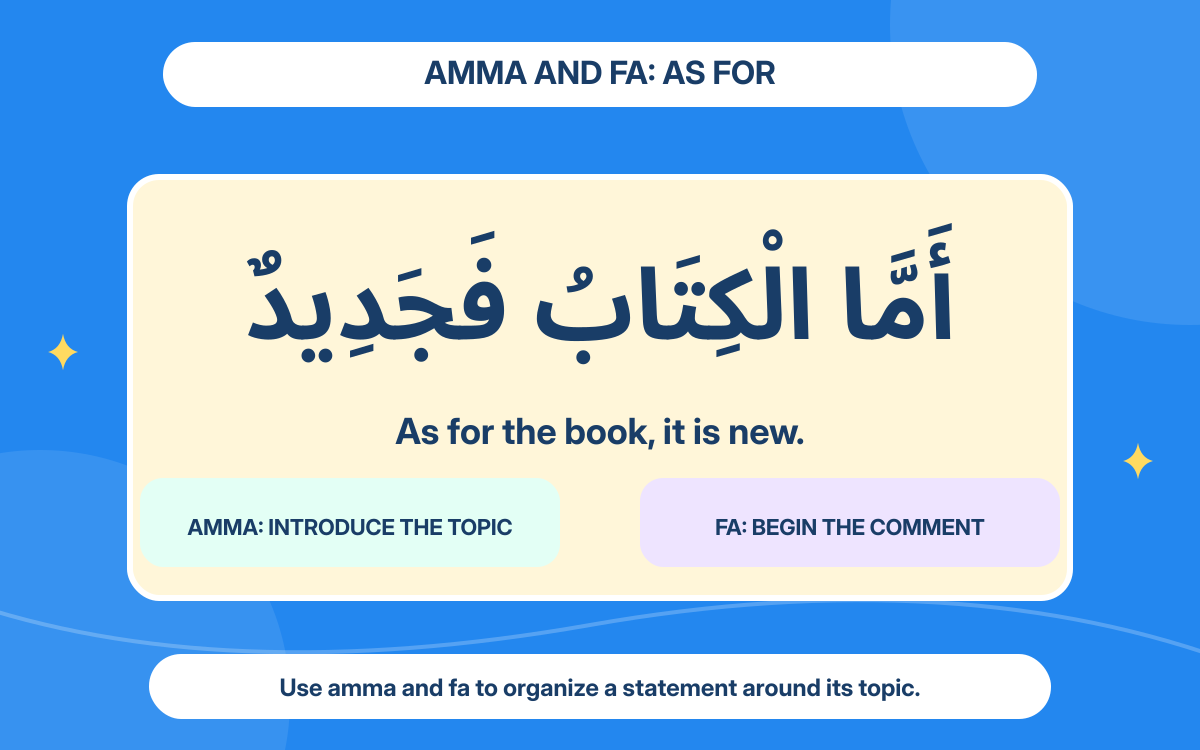
Amma and Fa in Arabic: As For This Topic
أَمَّا الْوَرْدِيَةُ الْمَسَائِيَّةُ فَلَهَا جَلْسَةٌ مُمَاثِلَةٌ
Introduce a contrasting topic with amma and connect its comment with fa.
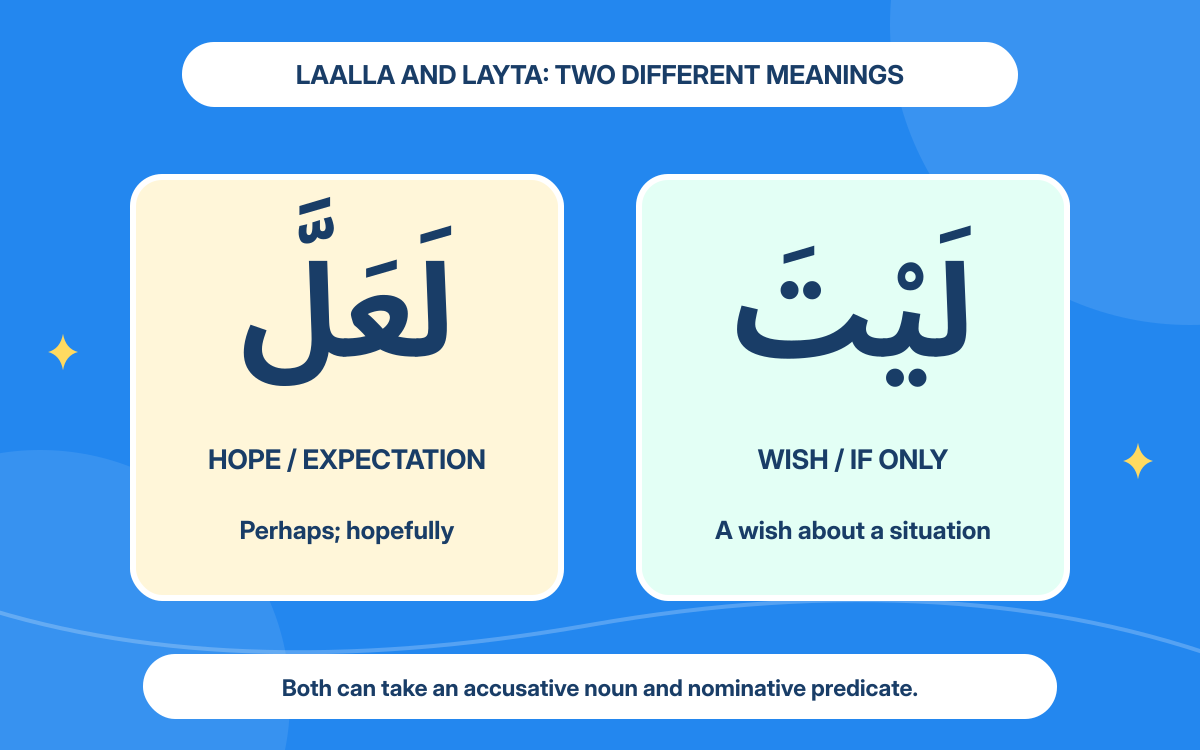
Laalla and Layta in Arabic: Hope and If Only
لَعَلَّ الْبَدْءَ بِمَجْمُوعَةٍ تَجْرِيبِيَّةٍ يُسَاعِدُنَا عَلَى اخْتِبَارِ الْجَدْوَلِ وَالْمُحْتَوَى مَعًا
Use laalla to present a hopeful, tentative proposal rather than a guaranteed result.
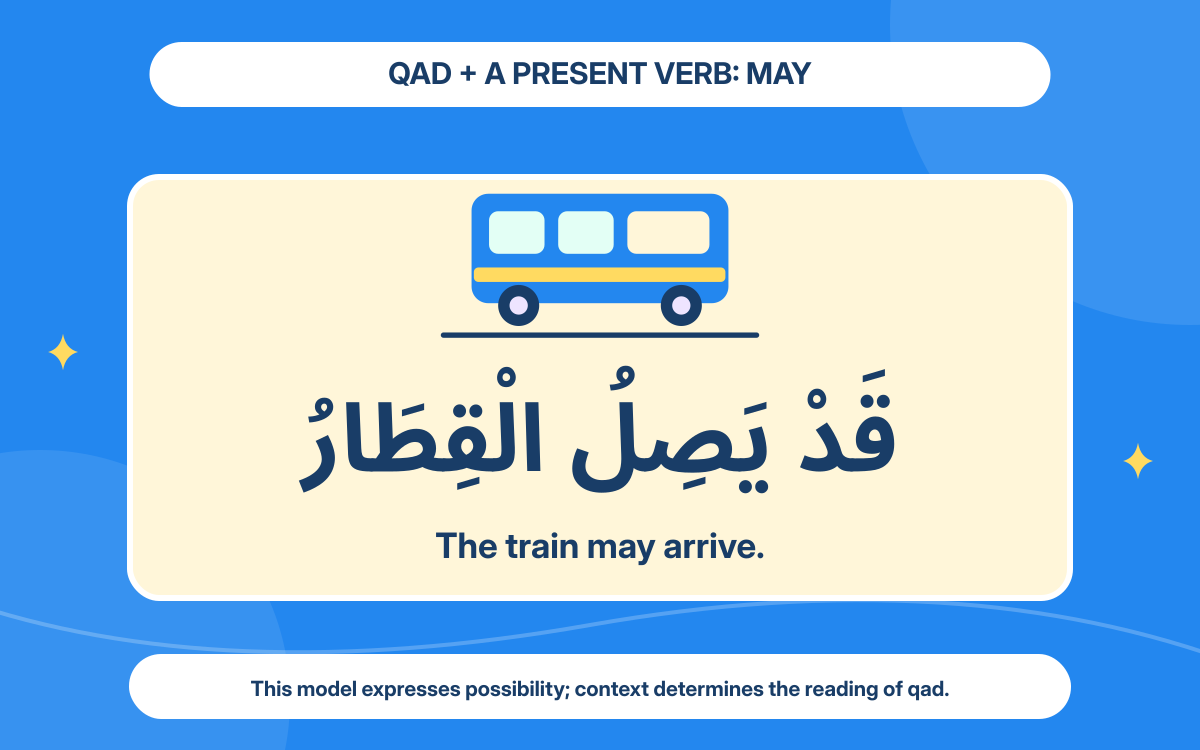
Qad with an Arabic Imperfect Verb: Reading May in Context
قَدْ نُسَرِّعُ إِعْدَادَ التَّقْرِيرِ وَنُبْقِي سَبَبَ الْخَطَإِ كَمَا هُوَ
Use qad with an imperfect verb to present a possible outcome.