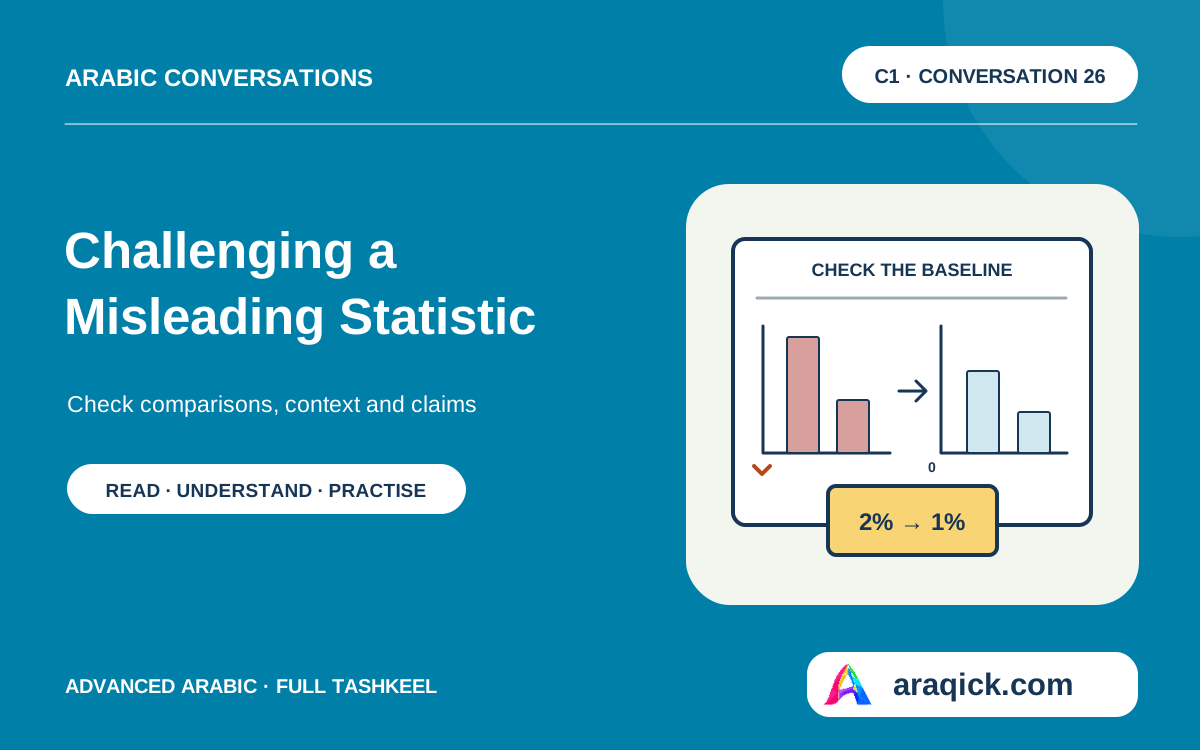
Journalist Salim, analyst Reem, and editor Nadir examine a fictional transport service’s complaint figures and decide what their headline can fairly claim.
01Read the Arabic conversation
مُنَاقَشَةُ إِحْصَائِيَّةٍ مُضَلِّلَةٍ وَتَوْضِيحُ سِيَاقِهَا
سَلِيمٌ: أَعْدَدْتُ تَقْرِيرًا عَنْ خِدْمَةِ النَّقْلِ التَّجْرِيبِيَّةِ، وَعُنْوَانُهُ الْمُقْتَرَحُ: تَضَاعَفَتِ الشَّكَاوَى. ارْتَفَعَ الْعَدَدُ مِنْ عِشْرِينَ إِلَى أَرْبَعِينَ، وَأَرَى أَنَّ عَلَيْنَا إِبْرَازَ هَذِهِ الزِّيَادَةِ لِلْقُرَّاءِ.
نَادِرٌ: الْعُنْوَانُ وَاضِحٌ، لَكِنَّهُ قَدْ يُوحِي بِأَنَّ فُرْصَةَ مُوَاجَهَةِ مُشْكِلَةٍ تَضَاعَفَتْ لِلرَّاكِبِ. قَبْلَ اعْتِمَادِهِ، أُرِيدُ مَعْرِفَةَ حَجْمِ النَّشَاطِ الَّذِي نَقَارِنُ الشَّكَاوَى بِهِ فِي كُلِّ فَتْرَةٍ.
رِيمٌ: لَدَيْنَا فَتْرَتَانِ مُتَتَالِيَتَانِ، مُدَّةُ كُلٍّ مِنْهُمَا أَرْبَعَةُ أَسَابِيعَ. فِي الْأُولَى نُفِّذَتْ أَلْفُ رِحْلَةٍ وَسُجِّلَتْ عِشْرُونَ شَكْوَى، وَفِي الثَّانِيَةِ نُفِّذَتْ أَرْبَعَةُ آلَافِ رِحْلَةٍ وَسُجِّلَتْ أَرْبَعُونَ شَكْوَى.
سَلِيمٌ: إِذَنْ الزِّيَادَةُ فِي الْعَدَدِ صَحِيحَةٌ، وَلَمْ أَخْتَلِقْ رَقْمًا. وَالْأَرْبَعُونَ شَكْوَى تَعْنِي أَرْبَعِينَ حَالَةً تَحْتَاجُ إِلَى مُتَابَعَةٍ؛ فَلَا أُرِيدُ أَنْ يُخْفِيَ الْحِسَابُ الْجَدِيدُ هَذَا الْعِبْءَ الْفِعْلِيَّ.
رِيمٌ: أَتَّفِقُ مَعَكَ فِي أَهَمِّيَّةِ الْعَدَدِ. لَكِنَّ عَدَدَ الرِّحْلَاتِ صَارَ أَرْبَعَةَ أَضْعَافِ مَا كَانَ عَلَيْهِ، بَيْنَمَا صَارَ عَدَدُ الشَّكَاوَى ضِعْفَهُ. لِذَلِكَ لَا يَصِفُ الْعَدَدُ وَالْمُعَدَّلُ التَّغَيُّرَ نَفْسَهُ.
نَادِرٌ: قَبْلَ حِسَابِ الْمُعَدَّلِ، هَلْ نَعُدُّ الرَّسَائِلَ أَمِ الشَّكَاوَى الْمُسْتَقِلَّةَ؟ قَدْ يُرْسِلُ شَخْصٌ ثَلَاثَ رَسَائِلَ عَنِ الرِّحْلَةِ نَفْسِهَا، فَنَظُنُّ أَنَّ لَدَيْنَا ثَلَاثَ حَالَاتٍ إِذَا لَمْ نَفْهَمْ تَعْرِيفَ الْجَدْوَلِ.
رِيمٌ: الْجَدْوَلُ يَجْمَعُ الرَّسَائِلَ الْمُتَعَلِّقَةَ بِالرِّحْلَةِ نَفْسِهَا فِي سِجِلٍّ وَاحِدٍ لِلشَّكْوَى. وَلِذَلِكَ يُمَثِّلُ كُلُّ سِجِلٍّ رِحْلَةً مُخْتَلِفَةً، وَقَدِ اسْتُخْدِمَ التَّعْرِيفُ نَفْسُهُ فِي الْفَتْرَتَيْنِ دُونَ تَغْيِيرٍ.
سَلِيمٌ: حَسَنًا، عِشْرُونَ مِنْ أَلْفٍ تُسَاوِي اثْنَيْنِ فِي الْمِئَةِ، وَأَرْبَعُونَ مِنْ أَرْبَعَةِ آلَافٍ تُسَاوِي وَاحِدًا فِي الْمِئَةِ. الْعَدَدُ ارْتَفَعَ، بَيْنَمَا انْخَفَضَ مُعَدَّلُ الشَّكَاوَى بِالنِّسْبَةِ إِلَى الرِّحْلَاتِ.
نَادِرٌ: هَذَا هُوَ السِّيَاقُ الَّذِي كَانَ يَنْقُصُ الْعُنْوَانَ. يَهُمُّ قَارِئًا عَدَدُ الْحَالَاتِ الَّتِي تَحْتَاجُ إِلَى حَلٍّ، وَيَهُمُّ آخَرَ مُعَدَّلُهَا بَيْنَ الرِّحْلَاتِ؛ وَالْعَرْضُ الْجَيِّدُ يَسْمَحُ بِفَهْمِ الْأَمْرَيْنِ.
رِيمٌ: وَإِذَا أَرَدْنَا وَصْفَ مِقْدَارِ الِانْخِفَاضِ، فَالْفَرْقُ بَيْنَ اثْنَيْنِ وَوَاحِدٍ فِي الْمِئَةِ نُقْطَةٌ مِئَوِيَّةٌ وَاحِدَةٌ. أَمَّا الِانْخِفَاضُ النِّسْبِيُّ فَهُوَ خَمْسُونَ فِي الْمِئَةِ مِنَ الْمُعَدَّلِ الْأَوَّلِ.
سَلِيمٌ: أَفْهَمُ الْفَرْقَ، وَلَكِنَّ قَوْلَنَا إِنَّ الْمُعَدَّلَ انْخَفَضَ خَمْسِينَ فِي الْمِئَةِ قَدْ يَبْدُو أَكْبَرَ مِمَّا يَتَصَوَّرُهُ الْقَارِئُ. هَلْ نَكْتُبُ الْمُعَدَّلَيْنِ نَفْسَيْهِمَا لِيَرَى نُقْطَةَ الْبِدَايَةِ وَالنِّهَايَةِ؟
نَادِرٌ: نَعَمْ، نَكْتُبُ أَنَّهُ انْخَفَضَ مِنَ اثْنَيْنِ إِلَى وَاحِدٍ فِي الْمِئَةِ، ثُمَّ نَشْرَحُ الْفَرْقَ فِي النَّصِّ. لَا نَحْتَاجُ إِلَى حَشْدِ كُلِّ الْأَرْقَامِ فِي الْعُنْوَانِ لِإِثْبَاتِ الدِّقَّةِ.
سَلِيمٌ: هَلْ يَسْمَحُ لَنَا هَذَا بِالْقَوْلِ إِنَّ الْخِدْمَةَ تَحَسَّنَتْ؟ سَيَطْلُبُ الْقَارِئُ خُلَاصَةً، وَأَخْشَى أَنْ يَنْتَهِيَ إِلَى أَرْقَامٍ صَحِيحَةٍ مِنْ دُونِ فِكْرَةٍ عَمَّا تَعْنِيهِ لِتَجْرِبَةِ الرُّكَّابِ.
رِيمٌ: نَسْتَطِيعُ الْقَوْلَ إِنَّ مُعَدَّلَ الشَّكَاوَى الْمُسَجَّلَةِ انْخَفَضَ، لَا إِنَّ الرِّضَا تَحَسَّنَ بِالْمِقْدَارِ نَفْسِهِ. فَالْجَدْوَلُ لَا يَقِيسُ تَجَارِبَ مَنْ لَمْ يَتَقَدَّمُوا بِشَكْوَى، وَلَا شِدَّةَ كُلِّ مُشْكِلَةٍ.
نَادِرٌ: وَيَنْبَغِي أَنْ نُفَرِّقَ بَيْنَ الرِّحْلَاتِ وَالْأَشْخَاصِ أَيْضًا. فَالرَّاكِبُ الْوَاحِدُ قَدْ يَسْتَخْدِمُ الْخِدْمَةَ مَرَّاتٍ عِدَّةً؛ لِذَلِكَ لَا نَكْتُبُ أَنَّ وَاحِدًا فِي الْمِئَةِ مِنَ الرُّكَّابِ اشْتَكَى فِي الْفَتْرَةِ الثَّانِيَةِ.
سَلِيمٌ: سَأُبْقِي وَحْدَةَ الْقِيَاسِ ظَاهِرَةً. وَلَكِنْ هَلْ يُمْكِنُ أَنْ يَكُونَ الْمُعَدَّلُ الْأَقَلُّ نَاتِجًا عَنْ تَأَخُّرِ تَسْجِيلِ الشَّكَاوَى الْحَدِيثَةِ؟ إِذَا كَانَتِ الْفَتْرَةُ الثَّانِيَةُ أَحْدَثَ، فَقَدْ لَا تَكُونُ الْمُقَارَنَةُ مُنْصِفَةً.
نَادِرٌ: هَذَا سُؤَالٌ يَسْتَحِقُّ الْفَحْصَ قَبْلَ النَّشْرِ. نَحْتَاجُ إِلَى مَعْرِفَةِ مَوْعِدِ إِغْلَاقِ بَيَانَاتِ كُلِّ فَتْرَةٍ، وَمَا إِذَا كَانَ الْجَدْوَلُ يَنْسِبُ الشَّكْوَى إِلَى تَارِيخِ الرِّحْلَةِ أَمْ تَارِيخِ وُصُولِهَا.
رِيمٌ: رَاجَعْتُ تَعْرِيفَ الْبَيَانَاتِ: تُنْسَبُ الشَّكْوَى إِلَى تَارِيخِ الرِّحْلَةِ، وَيَشْمَلُ كُلُّ جَدْوَلٍ مَا وَرَدَ خِلَالَ سَبْعَةِ أَيَّامٍ بَعْدَهَا. الْمُهْلَةُ مُتَسَاوِيَةٌ، وَالشَّكَاوَى الْمُتَأَخِّرَةُ عَنْهَا خَارِجُ هَذِهِ الْمُقَارَنَةِ.
سَلِيمٌ: إِذَنْ نَذْكُرُ هَذَا الْحَدَّ بِوُضُوحٍ. وَأَرَى أَنْ نَطْلُبَ تَفْصِيلًا لِأَنْوَاعِ الْمُشْكِلَاتِ لَاحِقًا؛ فَانْخِفَاضُ الْمُعَدَّلِ الْعَامِّ لَا يُجِيبُ عَمَّا إِذَا كَانَتْ شَكَاوَى التَّأْخِيرِ مَثَلًا قَدْ زَادَتْ أَوْ نَقَصَتْ.
رِيمٌ: صَحِيحٌ، وَيَجِبُ أَلَّا نَمْلَأَ هَذِهِ الْفَجْوَةَ بِافْتِرَاضٍ. لَيْسَ لَدَيْنَا فِي الْجَدْوَلِ الْحَالِيِّ تَصْنِيفٌ لِلْأَسْبَابِ، وَلَا تَقْيِيمٌ لِشِدَّتِهَا، وَيُمْكِنُ أَنْ نُوَضِّحَ هَذَا فِي خَاتِمَةِ التَّقْرِيرِ.
نَادِرٌ: أَقْتَرِحُ عُنْوَانًا يَجْمَعُ الْحَقِيقَتَيْنِ: ارْتَفَعَ عَدَدُ الشَّكَاوَى وَانْخَفَضَ مُعَدَّلُهَا بِالنِّسْبَةِ إِلَى الرِّحْلَاتِ. وَفِي الْفِقْرَةِ الْأُولَى نَعْرِضُ الْأَعْدَادَ وَالْمُدَّةَ، كَيْ يَفْهَمَ الْقَارِئُ سَبَبَ هَذَا الِاخْتِلَافِ.
سَلِيمٌ: الْعُنْوَانُ أَقَلُّ إِثَارَةً مِنَ الْأَوَّلِ، لَكِنَّهُ يَطْرَحُ سُؤَالًا أَفْضَلَ. سَأُضِيفُ جَدْوَلًا صَغِيرًا بِعَمُودٍ لِكُلِّ فَتْرَةٍ، وَصُفُوفٍ لِعَدَدِ الرِّحْلَاتِ وَعَدَدِ الشَّكَاوَى وَالْمُعَدَّلِ لِتَسْهُلَ مُرَاجَعَةُ الْحِسَابِ.
نَادِرٌ: وَأُرِيدُ أَنْ يَبْقَى عَدَدُ الشَّكَاوَى ظَاهِرًا فِي النُّسْخَةِ الْمُخْتَصَرَةِ أَيْضًا. إِذَا اكْتَفَيْنَا بِالْمُعَدَّلِ الْمُنْخَفِضِ، فَقَدْ نُوحِي بِأَنَّ عِبْءَ مُعَالَجَةِ الشَّكَاوَى قَدْ تَرَاجَعَ، وَهَذَا لَا تَدْعَمُهُ الْأَعْدَادُ.
رِيمٌ: سَأُرَاجِعُ الْجَدْوَلَ وَالْعِبَارَاتِ الْمُصَاحِبَةَ لَهُ. وَسَأَتَأَكَّدُ مِنْ أَنَّ تَعْبِيرَ نُقْطَةٍ مِئَوِيَّةٍ لَا يُسْتَبْدَلُ بِعِبَارَةِ وَاحِدٍ فِي الْمِئَةِ، لِأَنَّ الْعِبَارَتَيْنِ تَصِفَانِ طَرِيقَتَيْنِ مُخْتَلِفَتَيْنِ لِقِيَاسِ التَّغَيُّرِ.
نَادِرٌ: وَلَا نَصِفُ الْعُنْوَانَ الْأَوَّلَ بِالْكَذِبِ الْمُتَعَمَّدِ؛ فَلَيْسَ لَدَيْنَا دَلِيلٌ عَلَى نِيَّةٍ كَهَذِهِ. مُشْكِلَتُهُ أَنَّهُ يَعْرِضُ رَقْمًا صَحِيحًا بِصُورَةٍ قَدْ تَدْفَعُ إِلَى اسْتِنْتَاجٍ لَا يَدْعَمُهُ السِّيَاقُ.
سَلِيمٌ: سَأُعَدِّلُ الْعُنْوَانَ وَالنَّصَّ الْمُخْتَصَرَ قَبْلَ النَّشْرِ. وَسَأَسْأَلُ إِدَارَةَ الْخِدْمَةِ عَنْ خُطَّةِ مُتَابَعَةِ الْأَرْبَعِينَ شَكْوَى؛ فَتَصْحِيحُ الْمُقَارَنَةِ لَا يُلْغِي الْحَاجَةَ إِلَى مُسَاءَلَةٍ عَنِ الْحَالَاتِ الْقَائِمَةِ.
رِيمٌ: وَبِهَذَا نَفْصِلُ بَيْنَ ثَلَاثَةِ أُمُورٍ: عَدَدِ الشَّكَاوَى، وَمُعَدَّلِهَا، وَالْحُكْمِ عَلَى جَوْدَةِ الْخِدْمَةِ. الْأَوَّلَانِ وَاضِحَانِ فِي الْبَيَانَاتِ، أَمَّا الثَّالِثُ فَيَحْتَاجُ إِلَى أَدِلَّةٍ أَوْسَعَ مِمَّا نَمْلِكُهُ الْآنَ.
Show English translationHide English translation
Salim — journalist: I have prepared a report on the trial transport service. The proposed headline is “Complaints doubled”. The count rose from 20 to 40, and I think we should highlight that increase for readers.
Nadir — editor: The headline is clear, but it may suggest that a passenger’s chance of encountering a problem doubled. Before approving it, I want to know the volume of activity against which we compare complaints in each period.
Reem — analyst: We have two consecutive periods, each lasting four weeks. In the first, 1,000 trips were completed and 20 complaints recorded; in the second, 4,000 trips were completed and 40 complaints recorded.
Salim — journalist: So the increase in the count is correct; I have not invented a number. And 40 complaints mean 40 cases requiring follow-up. I do not want the new calculation to conceal that actual workload.
Reem — analyst: I agree that the count matters. But the number of trips became four times what it had been, while the number of complaints doubled. The count and the rate therefore do not describe the same change.
Nadir — editor: Before calculating the rate, are we counting messages or separate complaints? Someone could send three messages about the same trip, and we might think we had three cases if we misunderstood the table’s definition.
Reem — analyst: The table combines messages relating to the same trip into a single complaint record. Each record therefore represents a different trip, and the same definition was used in both periods without change.
Salim — journalist: All right: 20 out of 1,000 equals 2%, and 40 out of 4,000 equals 1%. The count rose, while the complaint rate relative to trips fell.
Nadir — editor: That is the context the headline lacked. One reader cares about the number of cases requiring resolution; another cares about their rate among trips. A good presentation allows both to be understood.
Reem — analyst: If we want to describe the size of the decrease, the difference between 2% and 1% is one percentage point. The relative decrease is 50% of the initial rate.
Salim — journalist: I understand the difference, but saying the rate fell by 50% may sound larger than the reader expects. Should we write out both rates so the reader sees the starting and ending values?
Nadir — editor: Yes: we will say it fell from 2% to 1%, then explain the difference in the text. We do not need to cram every number into the headline to demonstrate accuracy.
Salim — journalist: Does this allow us to say the service improved? The reader will want a conclusion, and I worry they will end up with accurate numbers but no idea what those numbers mean for passengers’ experience.
Reem — analyst: We can say that the recorded complaint rate fell, not that satisfaction improved by the same amount. The table measures neither the experiences of people who did not complain nor the severity of each problem.
Nadir — editor: We should also distinguish trips from people. One passenger may use the service several times, so we should not write that 1% of passengers complained in the second period.
Salim — journalist: I will keep the unit of measurement visible. But could the lower rate result from delays in recording recent complaints? If the second period is more recent, the comparison may not be fair.
Nadir — editor: That question deserves checking before publication. We need to know when the data for each period closed and whether the table assigns a complaint to the trip date or its arrival date.
Reem — analyst: I checked the data definition: each complaint is assigned to the trip date, and each table includes those received within seven days after that trip. The allowance is the same; complaints received later fall outside this comparison.
Salim — journalist: Then we should state that limit clearly. I also think we should request a breakdown by problem type later: a lower overall rate does not tell us whether complaints about delays, for example, increased or decreased.
Reem — analyst: Correct, and we should not fill that gap with an assumption. The current table contains neither a classification of causes nor an assessment of their severity. We can explain that at the end of the report.
Nadir — editor: I suggest a headline that combines both facts: “Complaint count rose while the rate relative to trips fell”. In the opening paragraph we will show the counts and the period length so readers understand why they differ.
Salim — journalist: The headline is less dramatic than the first, but it raises a better question. I will add a small table with a column for each period and rows for trips, complaints, and the rate, making the calculation easy to check.
Nadir — editor: I want the complaint count to remain visible in the short version too. If we give only the lower rate, we may suggest that the workload of handling complaints fell, which the counts do not support.
Reem — analyst: I will review the table and its accompanying wording. I will make sure “one percentage point” is not replaced with “one percent”, because the two expressions describe different ways of measuring change.
Nadir — editor: We should not describe the first headline as a deliberate lie; we have no evidence of such an intention. Its problem is that it presents a correct number in a way that may lead to a conclusion unsupported by the context.
Salim — journalist: I will revise the headline and short version before publication. I will ask the service management about its plan to follow up the 40 complaints: correcting the comparison does not remove the need for accountability over existing cases.
Reem — analyst: This separates three things: complaint count, complaint rate, and a judgment about service quality. The first two are clear in the data; the third requires broader evidence than we currently have.
02Useful words and expressions
| Arabic in the conversation | Meaning here |
|---|---|
| حَجْمِ النَّشَاطِ | the volume of activity |
| فَتْرَتَانِ مُتَتَالِيَتَانِ | two consecutive periods |
| الْعِبْءَ الْفِعْلِيَّ | the actual workload |
| أَرْبَعَةَ أَضْعَافِ | four times |
| الشَّكَاوَى الْمُسْتَقِلَّةَ | separate complaints |
| سِجِلٍّ وَاحِدٍ لِلشَّكْوَى | a single complaint record |
| نُقْطَةٌ مِئَوِيَّةٌ وَاحِدَةٌ | one percentage point |
| الِانْخِفَاضُ النِّسْبِيُّ | the relative decrease |
| وَحْدَةَ الْقِيَاسِ | the unit of measurement |
| بِافْتِرَاضٍ | with an assumption |
| الْكَذِبِ الْمُتَعَمَّدِ | a deliberate lie |
| أَدِلَّةٍ أَوْسَعَ | broader evidence |
03Check your understanding
Choose one answer for each question. Look back at the Arabic conversation for evidence. Open the English question support or a hint when you need help.
What to remember
- A rising complaint count and a falling rate can both be correct when the number of trips grows faster than complaints.
- A fall from 2% to 1% is one percentage point, or a 50% reduction relative to the original rate.
- Keep units, reporting windows, and limits visible; recorded complaints alone do not measure satisfaction or establish deliberate deception.
Explore the Arabic in this conversation
Related grammar and vocabularyOpen Araqick guides connected to this conversation.
Lakinna and Lakin in Arabic: Two Patterns for But
لَكِنَّهُ قَدْ يُوحِي بِأَنَّ فُرْصَةَ مُوَاجَهَةِ مُشْكِلَةٍ تَضَاعَفَتْ لِلرَّاكِبِ
Use lakinna with an attached pronoun to qualify a headline’s apparent clarity.
Because in Arabic: Give a Reason with Lianna
لِأَنَّ الْعِبَارَتَيْنِ تَصِفَانِ طَرِيقَتَيْنِ مُخْتَلِفَتَيْنِ لِقِيَاسِ التَّغَيُّرِ
Explain why two descriptions must remain distinct using lianna.
Arabic Comparatives: Bigger Than and Better Than
الْعُنْوَانُ أَقَلُّ إِثَارَةً مِنَ الْأَوَّلِ
Compare two headlines with aqallu ... min.