Samir and Nabil balance messages and regular meetings.
01Read the Arabic conversation
الْمُوَازَنَةُ بَيْنَ التَّوَاصُلِ الرَّقْمِيِّ وَاللِّقَاءِ الْمُبَاشِرِ
سَمِيرٌ: نَتَبَادَلُ الرَّسَائِلَ كُلَّ يَوْمٍ تَقْرِيبًا، لَكِنَّنَا لَمْ نَلْتَقِ مُنْذُ ثَلَاثَةِ أَسَابِيعَ. أَفْتَقِدُ حَدِيثَنَا وَجْهًا لِوَجْهٍ.
نَبِيلٌ: وَأَنَا أَيْضًا، لَكِنَّ مَوَاعِيدَ عَمَلِي تَتَغَيَّرُ. تُسَاعِدُنِي الرَّسَائِلُ عَلَى الْبَقَاءِ قَرِيبًا مِنْكَ حَتَّى حِينَ يَصْعُبُ اللِّقَاءُ.
سَمِيرٌ: أُقَدِّرُ ذَلِكَ، غَيْرَ أَنَّ تَبَادُلَ الصُّوَرِ السَّرِيعَ لَا يُتِيحُ لِي دَائِمًا مَعْرِفَةَ مَا يَشْغَلُكَ فِعْلًا.
نَبِيلٌ: أَفْهَمُ قَصْدَكَ، وَأَتَمَنَّى أَلَّا نَقِيسَ الْقُرْبَ بِسُرْعَةِ الرَّدِّ. قَدْ أَقْرَأُ الرِّسَالَةَ وَأُؤَجِّلُ الْجَوَابَ حَتَّى أَتَفَرَّغَ.
سَمِيرٌ: لَسْتُ أُعَاتِبُكَ عَلَى التَّأَخُّرِ. أَطْلُبُ وَقْتًا نَتَحَدَّثُ فِيهِ بِهُدُوءٍ، دُونَ أَنْ نَكْتَفِيَ بِأَخْبَارٍ سَرِيعَةٍ.
نَبِيلٌ: بَعْضُ الْمَوْضُوعَاتِ أُفَضِّلُ كِتَابَتَهَا؛ فَالْكِتَابَةُ تَمْنَحُنِي وَقْتًا لِتَرْتِيبِ أَفْكَارِي. لَيْسَ هَذَا تَجَنُّبًا لِحَدِيثِنَا الْمُبَاشِرِ.
سَمِيرٌ: هَذَا مَفْهُومٌ. أَمَّا اللِّقَاءُ فَيُسَاعِدُنِي عَلَى سَمَاعِ نَبْرَةِ صَوْتِكَ وَطَرْحِ سُؤَالٍ فَوْرًا عِنْدَ عَدَمِ الْفَهْمِ.
نَبِيلٌ: صَحِيحٌ، لَكِنَّ الْجُلُوسَ مَعًا لَا يَضْمَنُ الْإِصْغَاءَ إِذَا ظَلَلْنَا نَنْظُرُ إِلَى الْهَوَاتِفِ طَوَالَ الْوَقْتِ.
سَمِيرٌ: لِنُبْعِدِ الْهَوَاتِفَ عِشْرِينَ دَقِيقَةً أَثْنَاءَ الْقَهْوَةِ، إِلَّا إِذَا كَانَ أَحَدُنَا يَنْتَظِرُ اتِّصَالًا عَائِلِيًّا عَاجِلًا.
نَبِيلٌ: أُحِبُّ الْفِكْرَةَ، لَكِنْ لَا أَسْتَطِيعُ الْوَعْدَ بِمَسَاءٍ ثَابِتٍ كُلَّ أُسْبُوعٍ بِسَبَبِ تَغَيُّرِ مُنَاوَبَاتِي.
سَمِيرٌ: نَسْتَهْدِفُ لِقَاءً كُلَّ أُسْبُوعَيْنِ، وَنُحَدِّدُ الْيَوْمَ بَعْدَ ظُهُورِ جَدْوَلِكَ. لِقَاءٌ وَاقِعِيٌّ أَفْضَلُ مِنْ وَعْدٍ يَصْعُبُ تَنْفِيذُهُ.
نَبِيلٌ: وَإِذَا أُلْغِيَ اللِّقَاءُ نَقْتَرِحُ بَدِيلًا، بَدَلًا مِنْ تَرْكِ الْمَوْعِدِ الْجَدِيدِ غَامِضًا أَوْ افْتِرَاضِ أَنَّ الْآخَرَ لَا يَهْتَمُّ.
سَمِيرٌ: يُمْكِنُ أَيْضًا أَنْ نَتَّصِلَ بِالْفِيدْيُو عِنْدَ تَعَذُّرِ اللِّقَاءِ، لَكِنْ هَلْ يَكُونُ ذَلِكَ مُرِيحًا لَكَ فِي الْبَيْتِ؟
نَبِيلٌ: لَيْسَ دَائِمًا؛ أَشْتَرِكُ فِي الْغُرْفَةِ مَعَ أَخِي. مِنَ الْأَفْضَلِ أَنْ نَسْأَلَ بِرِسَالَةٍ قَصِيرَةٍ قَبْلَ الِاتِّصَالِ.
سَمِيرٌ: مُتَّفِقُونَ. وَلِمَوْضُوعٍ شَخْصِيٍّ نَسْتَخْدِمُ مُحَادَثَتَنَا الْخَاصَّةَ، لَا مَجْمُوعَةَ الْأَصْدِقَاءِ الَّتِي تَتَدَاخَلُ فِيهَا الرَّسَائِلُ.
نَبِيلٌ: أَمَّا الْمَجْمُوعَةُ فَتَبْقَى مُنَاسِبَةً لِلْخُطَطِ الْمُشْتَرَكَةِ وَالْأَخْبَارِ الْخَفِيفَةِ. لَا نَحْتَاجُ إِلَى تَرْكِهَا لِنَتَحَدَّثَ بِعُمْقٍ.
سَمِيرٌ: إِذَا تَأَخَّرَ رَدِّي فَلَا تَفْهَمْ ذَلِكَ عَلَى أَنَّهُ تَجَاهُلٌ. سَأُوَضِّحُ حِينَ أَحْتَاجُ إِلَى وَقْتٍ أَطْوَلَ.
نَبِيلٌ: وَسَأَتَجَنَّبُ إِرْسَالَ تَسْجِيلَاتٍ طَوِيلَةٍ دُونَ سُؤَالِكَ. فَاخْتِيَارُ وَسِيلَةٍ تُنَاسِبُنِي لَا يَعْنِي أَنَّهَا تُنَاسِبُكَ دَائِمًا.
سَمِيرٌ: أُفَضِّلُ هَذَا التَّفَاهُمَ عَلَى عَدِّ الرَّسَائِلِ أَوْ مُقَارَنَةِ مَنْ يَبْدَأُ الْحَدِيثَ أَكْثَرَ. الْمُهِمُّ أَنْ نَشْعُرَ بِالِاهْتِمَامِ.
نَبِيلٌ: لِنُجَرِّبْ ذَلِكَ شَهْرًا، ثُمَّ نَتَحَدَّثُ عَمَّا نَاسَبَنَا وَمَا يَحْتَاجُ إِلَى تَعْدِيلٍ، دُونَ تَحْوِيلِ الصَّدَاقَةِ إِلَى وَاجِبٍ.
سَمِيرٌ: أَسْتَطِيعُ اللِّقَاءَ السَّبْتَ فِي الْخَامِسَةِ مَسَاءً لِقَهْوَةٍ قَصِيرَةٍ. هَلْ نَبْدَأُ بِذَلِكَ وَنَتْرُكُ الْمَوْعِدَ التَّالِيَ لِجَدْوَلِكَ؟
نَبِيلٌ: نَعَمْ، هَذَا يُنَاسِبُنِي. تَبْقَى الرَّسَائِلُ جِسْرًا بَيْنَ اللِّقَاءَاتِ، وَيَمْنَحُنَا الْحَدِيثُ الْمُبَاشِرُ مَسَاحَةً لِمَا يَصْعُبُ اخْتِصَارُهُ.
Show English translationHide English translation
Samir: We exchange messages almost daily, but have not met for three weeks. I miss talking face to face.
Nabil: Me too, but my shifts change. Messages keep us close when meeting is difficult.
Samir: I appreciate that, though quick photo exchanges do not always reveal what really concerns you.
Nabil: I understand. I hope we do not measure closeness by reply speed. I may read a message and reply when free.
Samir: I am not blaming you for delays. I want time to talk calmly, beyond quick updates.
Nabil: I prefer writing about some topics: writing gives me time to organise my thoughts. That is not avoiding direct conversation.
Samir: That makes sense. As for meeting, it lets me hear your tone and immediately ask when I do not understand.
Nabil: True, but sitting together does not guarantee listening if we keep looking at our phones.
Samir: Let us put our phones away for twenty minutes over coffee, unless one of us expects an urgent family call.
Nabil: I like the idea, but cannot promise a fixed evening every week because my shifts change.
Samir: We aim for fortnightly meetings, choosing dates after your schedule arrives. A realistic meeting is better than a difficult promise.
Nabil: If a meeting is cancelled, we suggest another time, rather than leave it vague or assume the other person does not care.
Samir: Video calls could help when meeting is impossible. Would that be comfortable at home?
Nabil: Not always: I share a room with my brother. It is better to ask by a short message before calling.
Samir: Agreed. For personal topics, we use private chat rather than the friends’ group with its overlapping messages.
Nabil: The group remains useful for shared plans and light updates. We need not leave it to have deeper conversations.
Samir: If my reply is delayed, do not take it as ignoring you. I will explain when I need more time.
Nabil: I will avoid sending long recordings without asking. A method that suits me does not always suit you.
Samir: I prefer this understanding to counting messages or who starts more conversations. What matters is feeling cared for.
Nabil: Let us try it for a month, then discuss what worked and what needs adjusting, without making friendship a duty.
Samir: I can meet Saturday at five for a quick coffee. Shall we start there and fit the next meeting around your schedule?
Nabil: Yes, that suits me. Messages bridge the meetings, while direct conversation makes room for what is difficult to summarise.
02Useful words and expressions
| Arabic in the conversation | Meaning here |
|---|---|
| وَجْهًا لِوَجْهٍ | face to face |
| بِسُرْعَةِ الرَّدِّ | by reply speed |
| حَتَّى أَتَفَرَّغَ | until I am free |
| لِتَرْتِيبِ أَفْكَارِي | to organise my thoughts |
| نَبْرَةِ صَوْتِكَ | your tone of voice |
| الْإِصْغَاءَ | listening attentively |
| مُنَاوَبَاتِي | my work shifts |
| مُحَادَثَتَنَا الْخَاصَّةَ | our private chat |
| تَجَاهُلٌ | ignoring someone |
| مَسَاحَةً | room; space |
03Check your understanding
Choose one answer for each question. Look back at the Arabic conversation for evidence. Open the English question support or a hint when you need help.
What to remember
- Match communication methods to both friends’ needs.
- Agree on realistic meetings and review the arrangement together.
Explore the Arabic in this conversation
Related grammar and vocabularyOpen Araqick guides connected to this conversation.
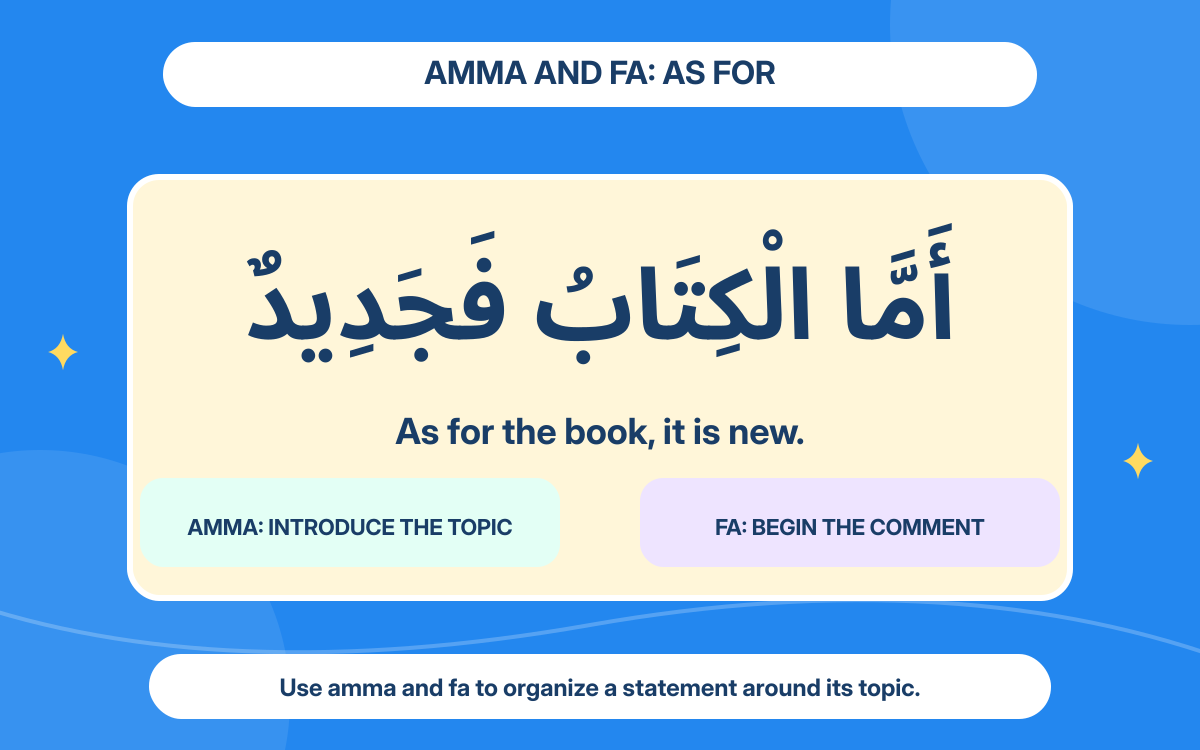
Amma and Fa in Arabic: As For This Topic
أَمَّا اللِّقَاءُ فَيُسَاعِدُنِي عَلَى سَمَاعِ نَبْرَةِ صَوْتِكَ
Use amma and its linking fa to introduce the distinct value of meeting in person.
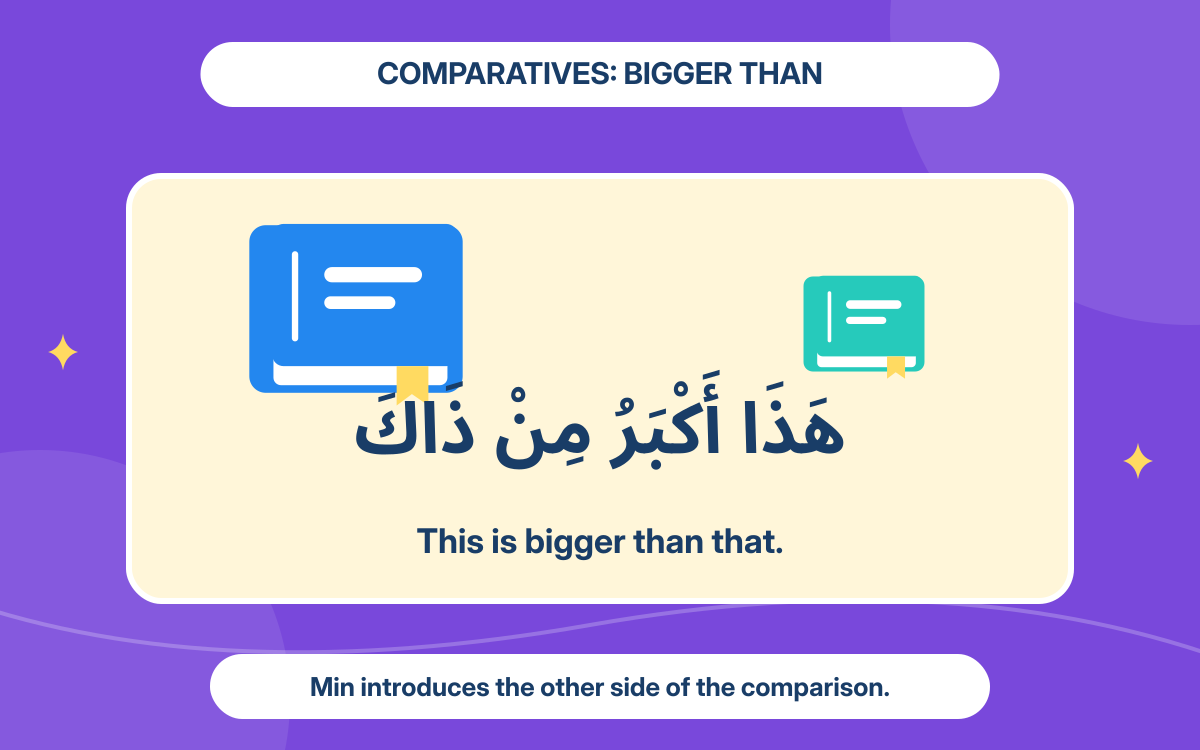
Arabic Comparatives: Bigger Than and Better Than
لِقَاءٌ وَاقِعِيٌّ أَفْضَلُ مِنْ وَعْدٍ يَصْعُبُ تَنْفِيذُهُ
Use afdal with min to compare a realistic meeting with a difficult promise.
Idha in Arabic: How to Say When and If
إِذَا تَأَخَّرَ رَدِّي فَلَا تَفْهَمْ ذَلِكَ عَلَى أَنَّهُ تَجَاهُلٌ
Link a negative instruction to an idha condition with fa; the prohibitive la governs the verb.