A good test result makes a learner confident about helping his friend. One unexpected question shows him what he still needs to understand.
01Read the Arabic story
مَا تَعَلَّمْتُهُ مِنْ تَعْلِيمِ شَخْصٍ آخَرَ
كُنْتُ أَدْرُسُ اللُّغَةَ الْعَرَبِيَّةَ مُنْذُ عَامٍ، وَحَصَلْتُ عَلَى دَرَجَةٍ جَيِّدَةٍ فِي آخِرِ اخْتِبَارٍ. عِنْدَمَا غَابَ صَدِيقِي يَاسِرٌ عَنْ دَرْسٍ، عَرَضْتُ أَنْ أُسَاعِدَهُ فِي الْمُرَاجَعَةِ. قُلْتُ لَهُ بِثِقَةٍ إِنَّ الْمَوْضُوعَ سَهْلٌ. جَلَسْنَا فِي الْمَكْتَبَةِ، وَفَتَحْتُ دَفْتَرِي عَلَى صَفْحَةٍ مُرَتَّبَةٍ. كَانَتْ فِيهَا أَمْثِلَةٌ حَفِظْتُهَا قَبْلَ الِاخْتِبَارِ.
قَرَأَ يَاسِرٌ الْمِثَالَ الْأَوَّلَ، ثُمَّ سَأَلَ: «لِمَاذَا تَغَيَّرَتِ الْحَرَكَةُ فِي آخِرِ هَذِهِ الْكَلِمَةِ؟» كَرَّرْتُ الْمِثَالَ بِصَوْتٍ أَبْطَأَ، لَكِنَّهُ قَالَ إِنَّهُ يَفْهَمُ الْمَعْنَى وَيُرِيدُ مَعْرِفَةَ السَّبَبِ. نَظَرْتُ إِلَى الصَّفْحَةِ، فَلَمْ أَجِدْ شَرْحًا. شَعَرْتُ بِالْحَرَجِ، وَكَدْتُ أَقُولُ لَهُ أَنْ يَحْفَظَ الْجُمْلَةَ فَقَطْ، ثُمَّ تَوَقَّفْتُ قَبْلَ أَنْ أُجِيبَ.
قُلْتُ: «لَا أَعْرِفُ السَّبَبَ بِدِقَّةٍ، فَلْنَكْتُبِ السُّؤَالَ». فِي الْيَوْمِ التَّالِي، ذَهَبْنَا إِلَى مُعَلِّمِنَا لِنَسْأَلَهُ. كَتَبَ جُمْلَتَيْنِ قَصِيرَتَيْنِ، وَطَلَبَ مِنَّا أَنْ نُحَدِّدَ مَنْ قَامَ بِالْفِعْلِ فِي كُلٍّ مِنْهُمَا. بَعْدَ ذَلِكَ، شَرَحَ دَوْرَ الْكَلِمَةِ فِي الْجُمْلَةِ وَعَلَاقَتَهُ بِالْحَرَكَةِ. كَتَبْتُ الشَّرْحَ بِكَلِمَاتِي، وَأَضَفْتُ مِثَالًا مِنْ عِنْدِي.
عُدْنَا إِلَى الْمَكْتَبَةِ، لَكِنَّنِي أَغْلَقْتُ الدَّفْتَرَ هَذِهِ الْمَرَّةَ. بَدَلًا مِنْ قِرَاءَةِ الْأَمْثِلَةِ الْمَحْفُوظَةِ، كَتَبْنَا جُمَلًا جَدِيدَةً عَنْ يَوْمِنَا. شَرَحَ كُلٌّ مِنَّا جُمْلَةً لِلْآخَرِ. عِنْدَمَا اخْتَلَفْنَا، رَجَعْنَا إِلَى الشَّرْحِ وَرَاجَعْنَا اخْتِيَارَنَا. لَمْ نُكْمِلْ جَمِيعَ التَّمَارِينِ، لَكِنَّ يَاسِرًا اسْتَطَاعَ أَنْ يَشْرَحَ مِثَالًا لَمْ يَرَهُ مِنْ قَبْلُ.
فِي الْأُسْبُوعِ التَّالِي، طَلَبَ مِنِّي يَاسِرٌ مُرَاجَعَةَ دَرْسٍ آخَرَ مَعَهُ. أَحْضَرْتُ قَلَمَيْنِ وَبِطَاقَاتٍ فَارِغَةً لِأَسْئِلَتِنَا. لَمْ أَقُلْ إِنَّ الدَّرْسَ سَهْلٌ، بَلْ سَأَلْتُهُ عَمَّا يُرِيدُ أَنْ يَفْهَمَهُ. صَارَ فِي دَفْتَرِي مَكَانٌ لِلْأَسْئِلَةِ أَيْضًا. كُنْتُ قَدْ وَعَدْتُهُ بِالْمُسَاعَدَةِ، لَكِنَّ سُؤَالَهُ سَاعَدَنِي أَنَا أَيْضًا عَلَى أَنْ أَتَعَلَّمَ بِطَرِيقَةٍ أَفْضَلَ.
Show English translationHide English translation
I had been studying Arabic for a year and had received a good mark in my latest test. When my friend Yasir missed a lesson, I offered to help him revise. I confidently told him that the topic was easy. We sat in the library, and I opened my notebook at a neatly organised page. It contained examples I had memorised before the test.
Yasir read the first example, then asked, “Why did the vowel mark at the end of this word change?” I repeated the example more slowly, but he said that he understood the meaning and wanted to know the reason. I looked at the page and found no explanation. I felt embarrassed and nearly told him just to memorise the sentence, then stopped before answering.
I said, “I do not know the precise reason, so let us write down the question.” The next day, we went to our teacher to ask him. He wrote two short sentences and asked us to identify who performed the action in each one. He then explained the word’s role in the sentence and its connection to the vowel mark. I wrote the explanation in my own words and added an example of my own.
We returned to the library, but this time I closed the notebook. Instead of reading the memorised examples, we wrote new sentences about our day. Each of us explained a sentence to the other. When we disagreed, we went back to the explanation and reviewed our choice. We did not finish all the exercises, but Yasir could explain an example he had never seen before.
The following week, Yasir asked me to revise another lesson with him. I brought two pencils and blank cards for our questions. I did not say that the lesson was easy; instead, I asked him what he wanted to understand. My notebook now had space for questions too. I had promised to help him, but his question also helped me learn in a better way.
02Useful words from the story
| Arabic in the story | Meaning here |
|---|---|
| دَرَجَةٍ جَيِّدَةٍ | a good mark |
| بِثِقَةٍ | confidently |
| أَمْثِلَةٌ | examples |
| الْحَرَكَةُ | the vowel mark |
| شَعَرْتُ بِالْحَرَجِ | I felt embarrassed |
| بِدِقَّةٍ | precisely |
| بِكَلِمَاتِي | in my own words |
| الْمَحْفُوظَةِ | memorised |
| اخْتِيَارَنَا | our choice |
| وَبِطَاقَاتٍ فَارِغَةً | and blank cards |
03Check your understanding
Choose one answer for each question. Look back at the Arabic story when you need a clue. Open the English support if you need help understanding a question.
What to remember
- Notice how a question reveals the difference between remembering an example and explaining it.
- Fresh sentences and space for questions show how the narrator changes his approach to learning.
Explore the Arabic in this story
Related grammar and vocabularyOpen Araqick guides connected to this story.
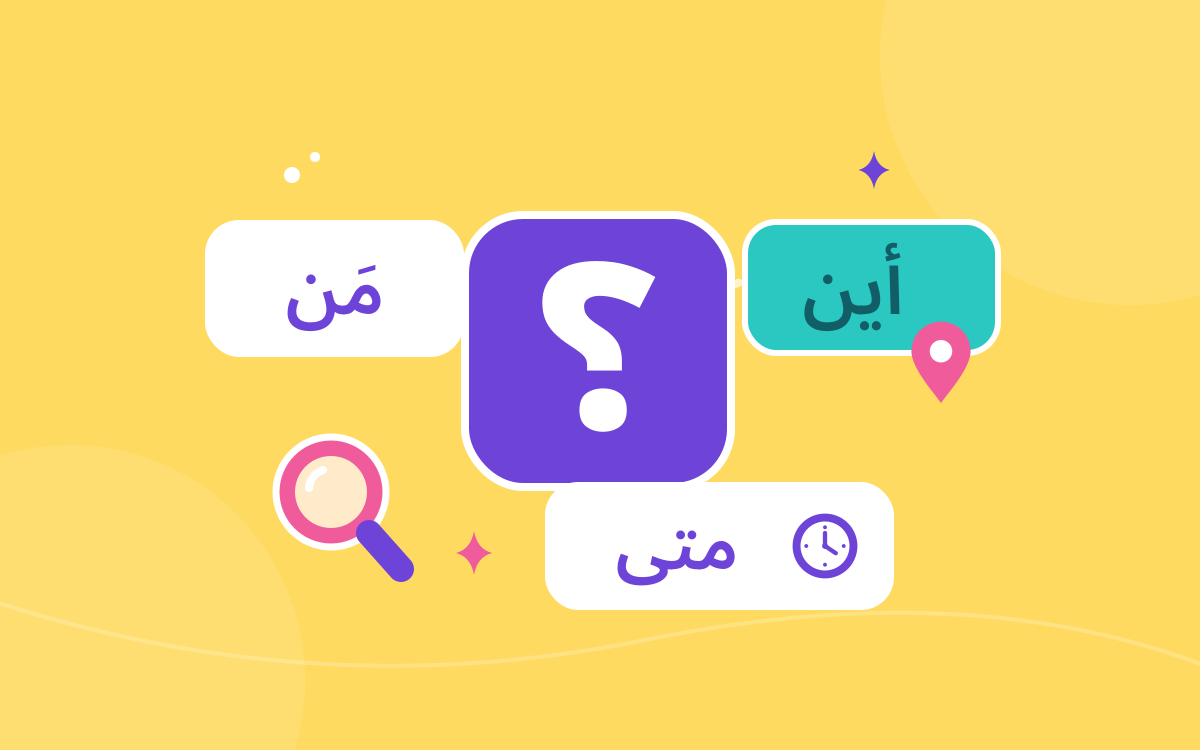
Arabic Question Words: Who, What, Where, When, and Why
لِمَاذَا تَغَيَّرَتِ الْحَرَكَةُ
Use limadha to follow Yasir’s request for a reason, rather than a repetition of the example.
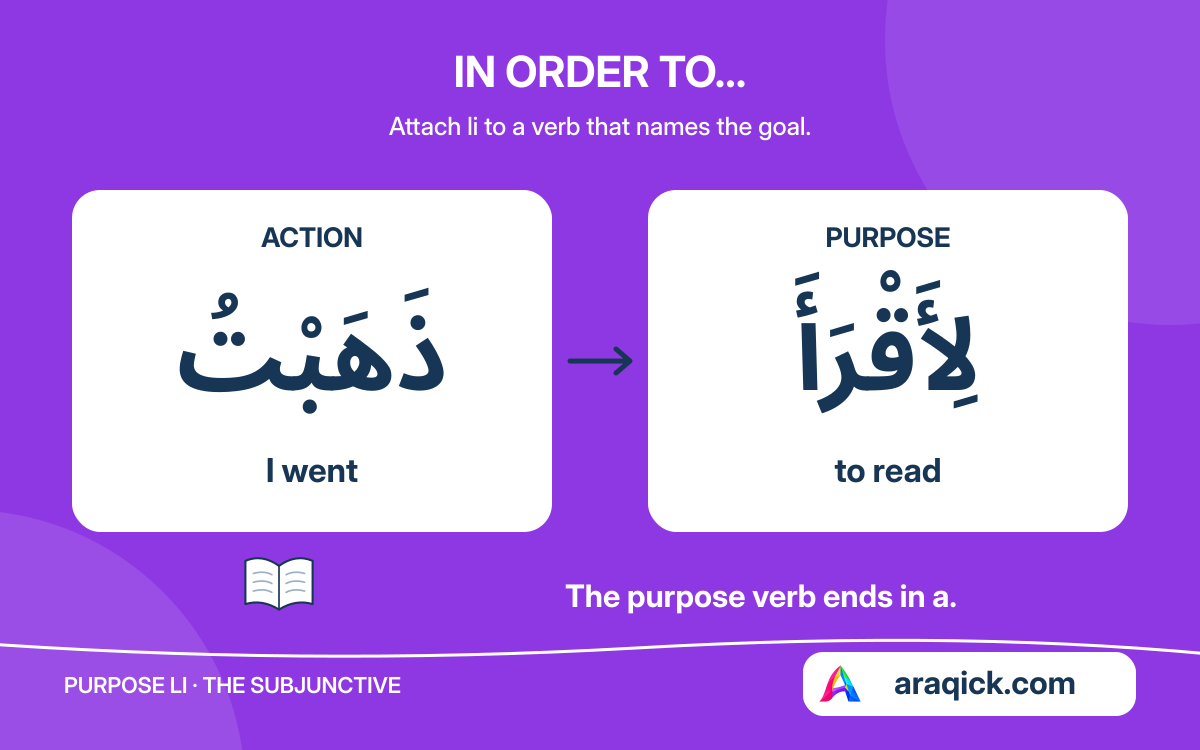
Purpose Li in Arabic: How to Say “In Order To”
لِنَسْأَلَهُ
Read li with the following verb to understand the purpose of visiting the teacher.