An unclaimed suitcase reaches the station’s lost-property office. A faded label and a message from an earlier shift give one worker a way to trace its owner.
01Read the Arabic story
الْحَقِيبَةُ الَّتِي لَمْ يَسْتَلِمْهَا أَحَدٌ
فِي نِهَايَةِ يَوْمِ الْعَمَلِ، أَحْضَرَ زَمِيلِي حَقِيبَةَ سَفَرٍ زَرْقَاءَ إِلَى مَكْتَبِ الْمَفْقُودَاتِ فِي الْمَحَطَّةِ. وَجَدَهَا فَرِيقُ التَّنْظِيفِ بَعْدَ نُزُولِ جَمِيعِ الرُّكَّابِ مِنَ الْقِطَارِ. سَجَّلْتُ وَقْتَ الْعُثُورِ عَلَيْهَا وَوَصْفَهَا، ثُمَّ وَضَعْتُهَا فِي الْمَكَانِ الْمُخَصَّصِ. اِنْتَظَرْنَا أَنْ يَأْتِيَ صَاحِبُهَا، لَكِنْ لَمْ يَأْتِ أَحَدٌ لِاسْتِلَامِهَا تِلْكَ اللَّيْلَةَ.
فِي الصَّبَاحِ، فَحَصْتُ الْبِطَاقَةَ الْمُعَلَّقَةَ بِمِقْبَضِهَا مِنْ دُونِ فَتْحِ الْحَقِيبَةِ. كَانَ رَقْمُ الْهَاتِفِ غَيْرَ وَاضِحٍ، وَلَكِنَّ اسْمَ فُنْدُقِ النُّورِ ظَلَّ مَقْرُوءًا. وَكَانَ شَرِيطٌ أَحْمَرُ مَرْبُوطًا بِالْمِقْبَضِ. تَذَكَّرْتُ أَنَّ زَمِيلَتِي تَرَكَتْ رِسَالَةً عَنْ اِتِّصَالٍ هَاتِفِيٍّ. بَحَثْتُ عَنْهَا بَيْنَ أَوْرَاقِ الْمَكْتَبِ، فَوَجَدْتُ وَصْفَ حَقِيبَةٍ زَرْقَاءَ لَهَا شَرِيطٌ أَحْمَرُ.
كَانَتِ الْمُتَّصِلَةُ قَدْ أَعْطَتْ رَقْمَ هَاتِفِهَا، فَاتَّصَلْتُ بِهَا. قَبْلَ أَنْ أَذْكُرَ اسْمَ الْفُنْدُقِ، سَأَلْتُهَا: «مَاذَا كُتِبَ عَلَى الْبِطَاقَةِ؟» قَالَتْ إِنَّهَا أَقَامَتْ فِي فُنْدُقِ النُّورِ، وَوَصَفَتْ خَدْشًا صَغِيرًا قُرْبَ إِحْدَى الْعَجَلَاتِ. وَجَدْتُ الْخَدْشَ فِي الْمَكَانِ الَّذِي ذَكَرَتْهُ. قُلْتُ إِنَّ الْحَقِيبَةَ تَبْدُو مُطَابِقَةً لِوَصْفِهَا، وَشَرَحْتُ لَهَا إِجْرَاءَاتِ اسْتِلَامِهَا.
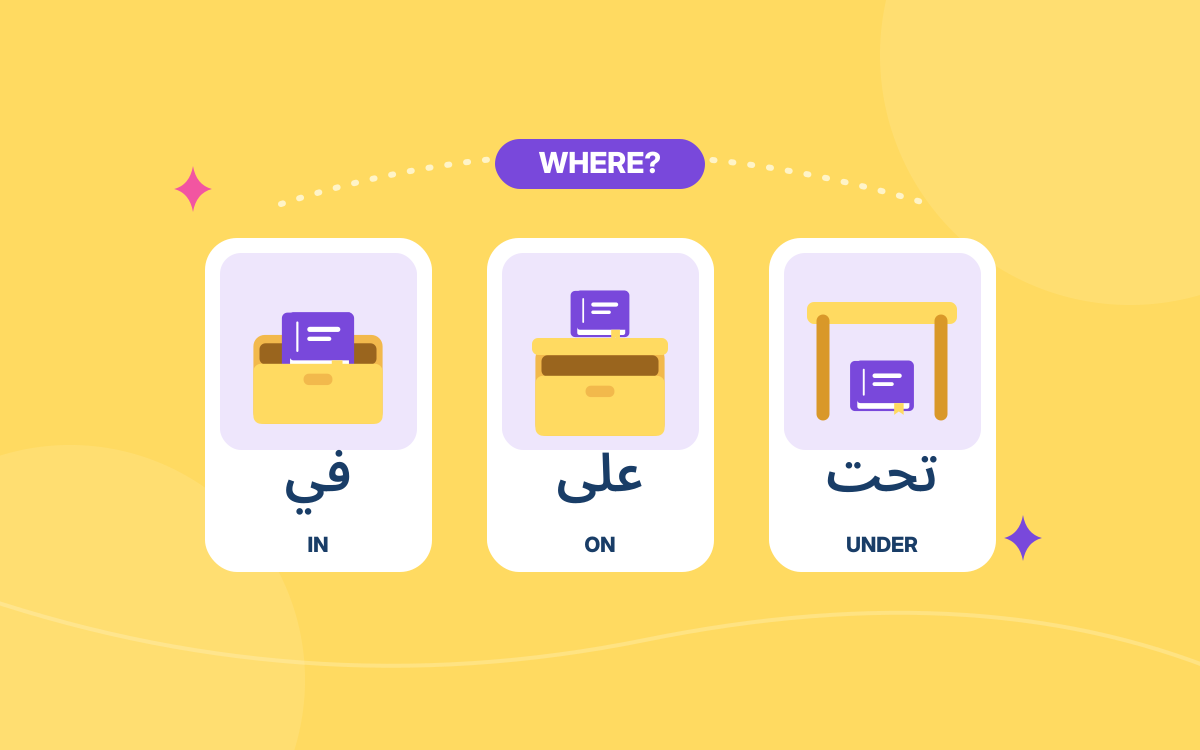
وَصَلَتِ السَّيِّدَةُ بَعْدَ الظُّهْرِ وَمَعَهَا تَذْكِرَتُهَا وَمِفْتَاحُ الْقُفْلِ. بَعْدَ التَّحَقُّقِ مِنَ الْمَعْلُومَاتِ، فَتَحَتِ الْقُفْلَ أَمَامَنَا وَوَقَّعَتْ وَرَقَةَ الِاسْتِلَامِ. أَخْبَرَتْنِي أَنَّهَا كَانَتْ تُسَاعِدُ اِبْنَتَهَا الصَّغِيرَةَ عِنْدَ النُّزُولِ، فَنَسِيَتِ الْحَقِيبَةَ تَحْتَ الْمَقْعَدِ. لَمْ تَكْتَشِفْ غِيَابَهَا إِلَّا بَعْدَ أَنْ وَصَلَتْ إِلَى بَيْتِ أُخْتِهَا فِي بَلْدَةٍ قَرِيبَةٍ.
شَكَرَتْنَا وَرَبَطَتْ بِطَاقَةً جَدِيدَةً بِالْمِقْبَضِ قَبْلَ أَنْ تُغَادِرَ. أَضَفْتُ إِلَى السِّجِلِّ أَنَّ الْحَقِيبَةَ عَادَتْ إِلَى صَاحِبَتِهَا، ثُمَّ شَكَرْتُ زَمِيلَتِي عَلَى تَدْوِينِ الرِّسَالَةِ. لَوْ نَظَرْتُ إِلَى الْبِطَاقَةِ وَحْدَهَا، لَمَا وَجَدْتُ رَقْمًا أَتَّصِلُ بِهِ. وَلَوْ أَهْمَلْتُ التَّفَاصِيلَ الصَّغِيرَةَ، لَبَقِيَتِ الرِّسَالَةُ مُجَرَّدَ وَرَقَةٍ بَيْنَ أَوْرَاقٍ كَثِيرَةٍ.
Show English translationHide English translation
At the end of the working day, my colleague brought a blue suitcase to the station’s lost-property office. The cleaning team had found it after all the passengers had left the train. I recorded when it was found and its description, then put it in the designated place. We waited for its owner to come, but nobody came to collect it that night.
In the morning, I examined the label hanging from its handle without opening the suitcase. The telephone number was unclear, but the name Al Noor Hotel remained readable. A red ribbon was tied to the handle. I remembered that my colleague had left a message about a telephone call. I searched for it among the office papers and found a description of a blue suitcase with a red ribbon.
The caller had given her telephone number, so I called her. Before mentioning the hotel’s name, I asked her, “What was written on the label?” She said she had stayed at Al Noor Hotel and described a small scratch near one of the wheels. I found the scratch where she had said it was. I said the suitcase appeared to match her description and explained the collection procedure.
The woman arrived in the afternoon with her ticket and the key to the lock. After the information was checked, she opened the lock in front of us and signed the collection form. She told me that she had been helping her young daughter get off and had forgotten the suitcase under the seat. She had only discovered it was missing after reaching her sister’s home in a nearby town.
She thanked us and tied a new label to the handle before leaving. I added to the register that the suitcase had been returned to its owner, then thanked my colleague for writing down the message. If I had looked only at the label, I would not have found a number to call. If I had ignored the small details, the message would have remained just one sheet among many papers.
02Useful words from the story
| Arabic in the story | Meaning here |
|---|---|
| مَكْتَبِ الْمَفْقُودَاتِ | the lost-property office |
| الْعُثُورِ عَلَيْهَا | finding it |
| الْمُخَصَّصِ | designated |
| بِمِقْبَضِهَا | from its handle |
| مَقْرُوءًا | readable |
| شَرِيطٌ أَحْمَرُ | a red ribbon |
| خَدْشًا صَغِيرًا | a small scratch |
| مُطَابِقَةً لِوَصْفِهَا | matching her description |
| وَرَقَةَ الِاسْتِلَامِ | the collection form |
| تَدْوِينِ الرِّسَالَةِ | writing down the message |
03Check your understanding
Choose one answer for each question. Look back at the Arabic story when you need a clue. Open the English support if you need help understanding a question.
What to remember
- The ribbon links the suitcase to a recorded call; the label and scratch help verify the caller’s description.
- Recording small details makes it possible to connect information from different shifts.
Explore the Arabic in this story
Related grammar and vocabularyOpen Araqick guides connected to this story.
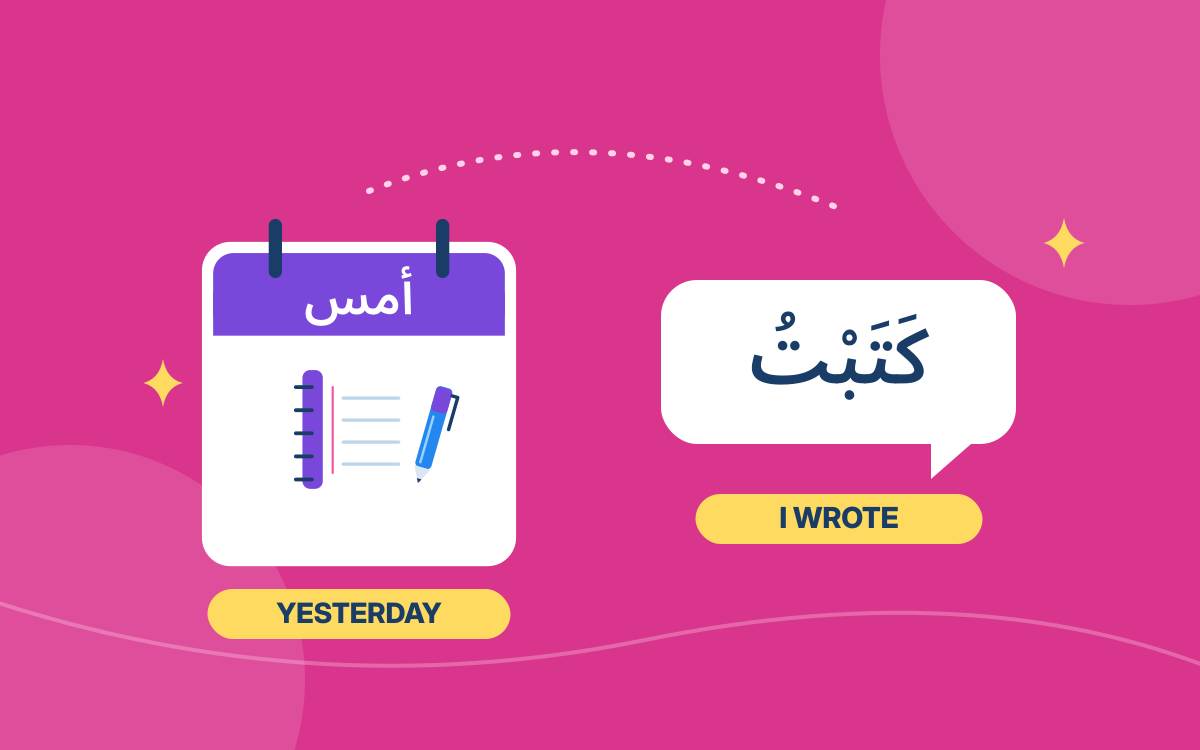
What I Did Yesterday in Arabic: 6 Simple Past-Tense Sentences
سَجَّلْتُ وَقْتَ الْعُثُورِ عَلَيْهَا
Follow the worker’s completed actions while recording and returning the suitcase.
Arabic Question Words: Who, What, Where, When, and Why
مَاذَا كُتِبَ عَلَى الْبِطَاقَةِ
Notice how a question asks the caller to supply a detail herself.