A retired shopkeeper asks a former customer for computer lessons. Their first meeting shows that a clear explanation is only part of learning a new skill.
01Read the Arabic story
صَاحِبُ الدُّكَّانِ الَّذِي أَصْبَحَ تِلْمِيذِي
كُنْتُ أَشْتَرِي الْخُبْزَ وَالْحَلِيبَ مِنْ دُكَّانِ الْعَمِّ يُوسُفَ مُنْذُ صِغَرِي. كَانَ يَحْسُبُ الْأَسْعَارَ بِسُرْعَةٍ، وَيُعَلِّمُنِي كَيْفَ أَتَأَكَّدُ مِنَ الْبَاقِي. بَعْدَ تَقَاعُدِهِ، زُرْتُهُ مَعَ أُمِّي، فَرَأَيْتُ حَاسُوبًا جَدِيدًا عَلَى مَكْتَبِهِ. أَخْبَرَنِي أَنَّ ابْنَهُ أَهْدَاهُ إِيَّاهُ، لَكِنَّهُ لَمْ يُشَغِّلْهُ وَحْدَهُ بَعْدُ.
كَانَ يُرِيدُ أَنْ يُرْسِلَ صُوَرَ حَدِيقَتِهِ إِلَى حَفِيدَتِهِ الَّتِي تَسْكُنُ فِي مَدِينَةٍ بَعِيدَةٍ. وَقَالَ إِنَّهُ يُفَضِّلُ أَنْ يَفْعَلَ ذَلِكَ بِنَفْسِهِ بَدَلًا مِنِ انْتِظَارِ زِيَارَةِ ابْنِهِ. سَأَلَنِي إِنْ كُنْتُ أَسْتَطِيعُ أَنْ أُعَلِّمَهُ، فَوَافَقْتُ بِسُرُورٍ. جَلَسْنَا أَمَامَ الشَّاشَةِ، وَبَدَأْتُ أَشْرَحُ أَشْيَاءَ كَثِيرَةً مَرَّةً وَاحِدَةً. كُنْتُ أَنْقُلُ السَّهْمَ بِسُرْعَةٍ، وَهُوَ يُحَاوِلُ مُتَابَعَتِي دُونَ أَنْ يُقَاطِعَنِي.
عِنْدَمَا طَلَبْتُ مِنْهُ أَنْ يُعِيدَ الْخُطُوَاتِ، لَمْ يَعْرِفْ مِنْ أَيْنَ يَبْدَأُ. قَالَ بِهُدُوءٍ: «كُنْتُ أَفْهَمُ كَلَامَكَ، لَكِنَّ الشَّاشَةَ كَانَتْ تَتَغَيَّرُ قَبْلَ أَنْ أُجَرِّبَ». تَوَقَّفْتُ وَدَفَعْتُ الْحَاسُوبَ نَحْوَهُ. أَحْضَرَ دَفْتَرًا صَغِيرًا، وَاتَّفَقْنَا عَلَى تَعَلُّمِ مُهِمَّةٍ وَاحِدَةٍ فِي كُلِّ لِقَاءٍ بَدَلًا مِنْ شَرْحِ كُلِّ شَيْءٍ.
فِي اللِّقَاءِ التَّالِي، اخْتَارَ صُورَةً لِشَجَرَةِ اللَّيْمُونِ، وَكَتَبَ رِسَالَةً قَصِيرَةً لِحَفِيدَتِهِ. تَرَكْتُهُ يَضْغَطُ الْأَزْرَارَ بِنَفْسِهِ، وَانْتَظَرْتُ حَتَّى يَنْتَهِيَ مِنْ كِتَابَةِ كُلِّ خُطْوَةٍ. أَخْطَأَ فِي حَرْفٍ، ثُمَّ صَحَّحَهُ دُونَ مُسَاعَدَتِي. وَعِنْدَمَا وَصَلَ رَدُّ حَفِيدَتِهِ، قَرَأَهُ مَرَّتَيْنِ وَابْتَسَمَ، ثُمَّ كَتَبَ لَهَا عَنْ أَوَّلِ ثَمَرَةٍ ظَهَرَتْ عَلَى الشَّجَرَةِ.
قَبْلَ اللِّقَاءِ الثَّالِثِ، وَصَلَتْنِي رِسَالَةٌ مِنْهُ يَسْأَلُ فِيهَا عَنْ مَوْعِدِنَا. لَمْ يَتَّصِلْ لِيَسْأَلَ عَنِ الطَّرِيقَةِ هَذِهِ الْمَرَّةَ. وَعِنْدَمَا زُرْتُهُ، كَانَ دَفْتَرُهُ مَفْتُوحًا عَلَى صَفْحَةٍ جَدِيدَةٍ، وَقَدْ كَتَبَ فِي أَعْلَاهَا: «سُؤَالِي الْقَادِمُ». جَلَسْتُ إِلَى جَانِبِهِ لِأَسْمَعَ سُؤَالَهُ، وَتَذَكَّرْتُ كَمْ كَانَ يَصْبِرُ عَلَيَّ عِنْدَ حِسَابِ النُّقُودِ.
Show English translationHide English translation
I had bought bread and milk from Uncle Yusuf’s shop since I was little. He used to add up the prices quickly and teach me how to check my change. After he retired, I visited him with my mother and saw a new computer on his desk. He told me that his son had given it to him, but he had not yet turned it on by himself.
He wanted to send pictures of his garden to his granddaughter, who lived in a distant city. He said he preferred to do it himself instead of waiting for his son to visit. He asked whether I could teach him, and I happily agreed. We sat in front of the screen, and I began explaining many things at once. I moved the pointer quickly while he tried to follow me without interrupting.
When I asked him to repeat the steps, he did not know where to begin. He said calmly, “I understood what you were saying, but the screen kept changing before I could try.” I stopped and pushed the computer towards him. He brought a small notebook, and we agreed to learn one task at each meeting instead of explaining everything.
At the next meeting, he chose a photograph of the lemon tree and wrote a short message to his granddaughter. I let him press the buttons himself and waited until he finished writing down each step. He made a mistake in one letter, then corrected it without my help. When his granddaughter’s reply arrived, he read it twice and smiled, then wrote to her about the first fruit that had appeared on the tree.
Before our third meeting, I received a message from him asking about our appointment. This time, he had not called to ask how to do it. When I visited, his notebook was open at a fresh page, and he had written at the top: “My next question.” I sat beside him to hear his question and remembered how patient he used to be with me when we counted money.
02Useful words from the story
| Arabic in the story | Meaning here |
|---|---|
| الْبَاقِي | the change; money returned |
| تَقَاعُدِهِ | his retirement |
| لِحَفِيدَتِهِ | to his granddaughter |
| السَّهْمَ | the pointer; the arrow |
| يُقَاطِعَنِي | interrupt me |
| الْخُطُوَاتِ | the steps |
| دَفْتَرًا | a notebook |
| الْأَزْرَارَ | the buttons |
| صَحَّحَهُ | he corrected it |
| مَوْعِدِنَا | our appointment |
03Check your understanding
Choose one answer for each question. Look back at the Arabic story when you need a clue. Open the English support if you need help understanding a question.
What to remember
- Yusuf’s difficulty comes from the pace and lack of practice, rather than an unwillingness to learn.
- His independent message shows how a small practical task can become a skill used in a new situation.
Explore the Arabic in this story
Related grammar and vocabularyOpen Araqick guides connected to this story.
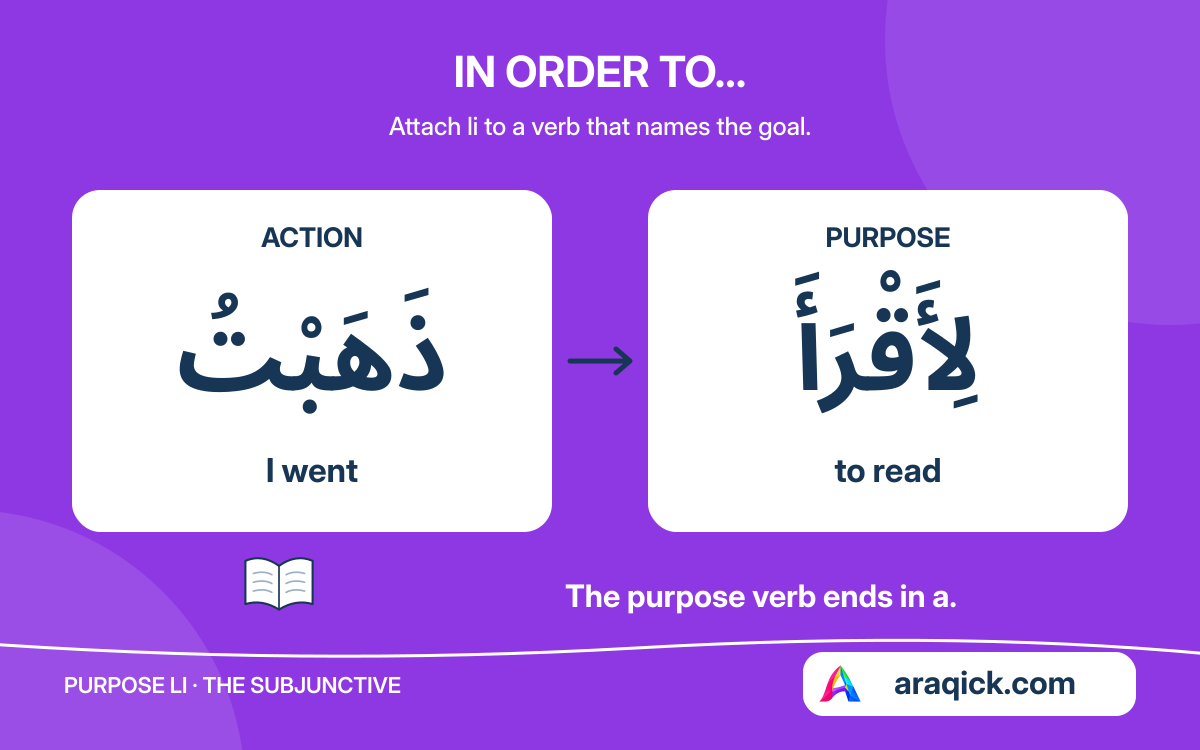
Purpose Li in Arabic: How to Say “In Order To”
لِأَسْمَعَ سُؤَالَهُ
Read the purpose of the narrator’s final action through li followed by a subjunctive verb.
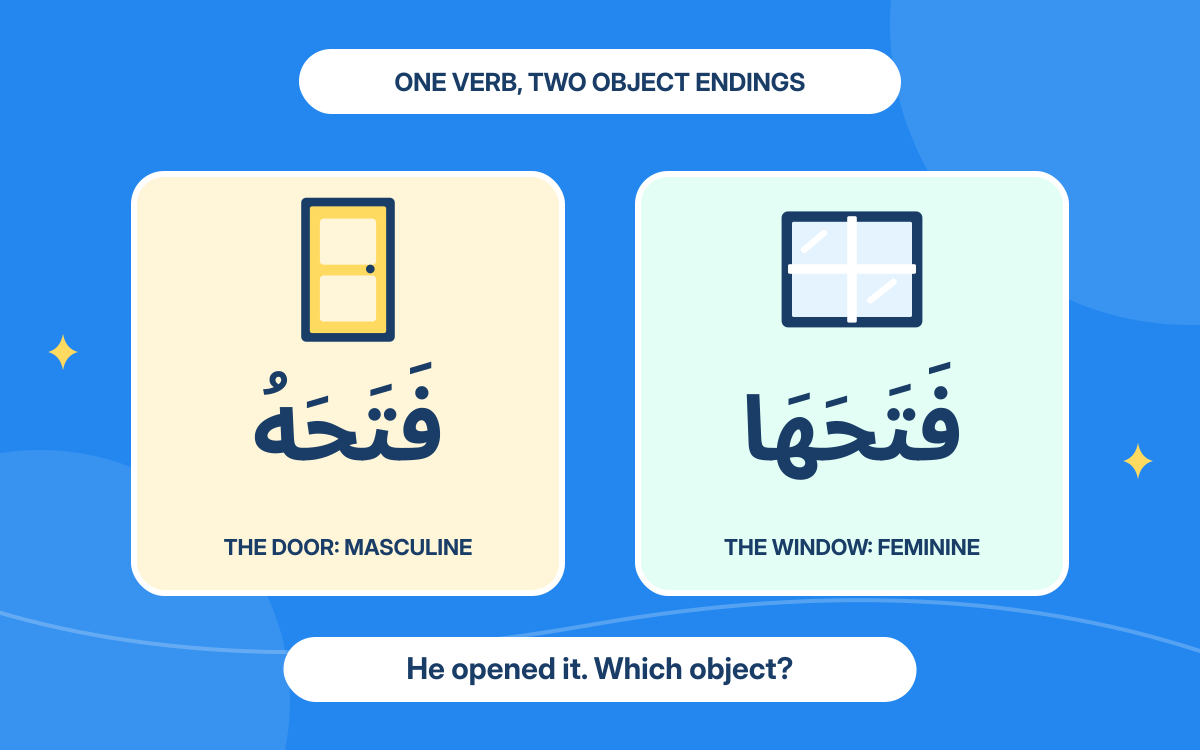
Arabic Object Pronouns: How to Say He Opened It and I Opened It
قَرَأَهُ مَرَّتَيْنِ
Notice how the attached hu refers back to the granddaughter’s reply, while the verb tells who reads it.