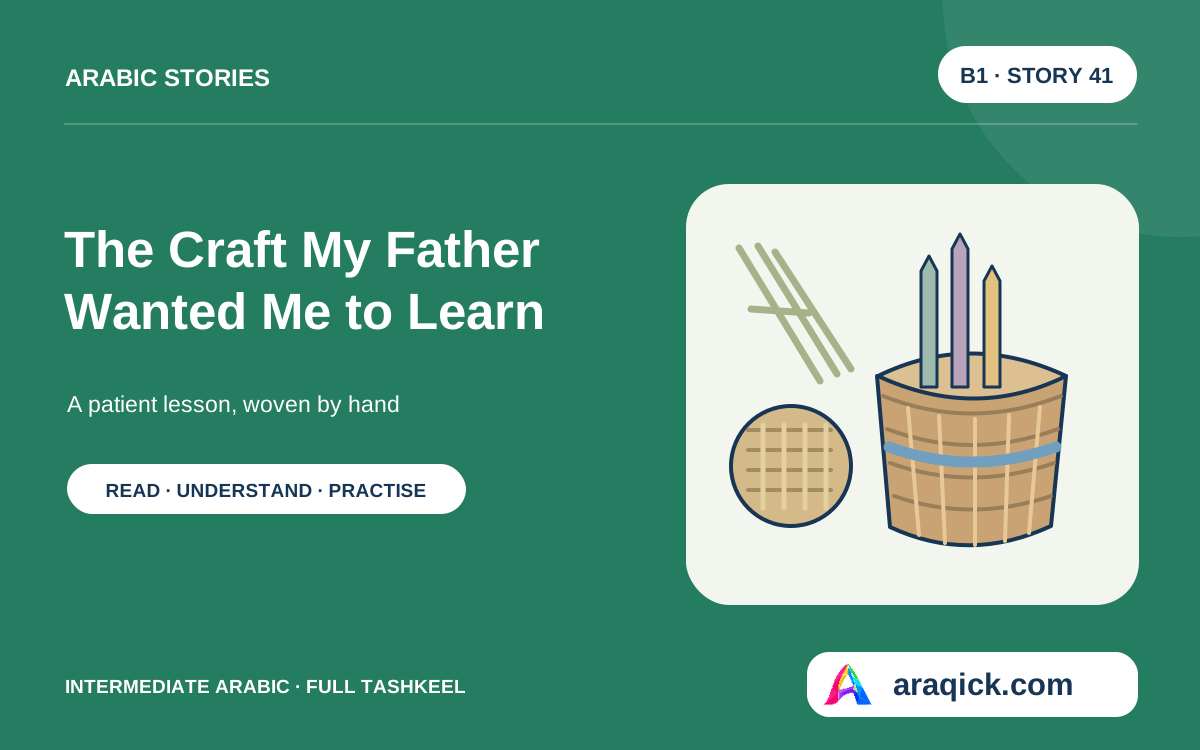
A reluctant beginner agrees to spend an hour learning his father’s basket-making craft. An unstable base and a family memory give the afternoon an unexpected direction.
01Read the Arabic story
الْحِرْفَةُ الَّتِي أَرَادَ أَبِي أَنْ أَتَعَلَّمَهَا
كَانَ أَبِي يَصْنَعُ سِلَالًا مِنْ سَعَفِ النَّخِيلِ فِي وَقْتِ فَرَاغِهِ. وَكُلَّمَا دَعَانِي إِلَى الْجُلُوسِ مَعَهُ، قُلْتُ إِنَّنِي أُفَضِّلُ الرَّسْمَ عَلَى الْحَاسُوبِ. كُنْتُ أَظُنُّ أَنَّ هَذِهِ الْحِرْفَةَ الْقَدِيمَةَ لَا تُنَاسِبُنِي. فِي يَوْمِ السَّبْتِ، طَلَبَ مِنِّي أَنْ أُجَرِّبَ صُنْعَ سَلَّةٍ صَغِيرَةٍ، فَوَافَقْتُ عَلَى قَضَاءِ سَاعَةٍ وَاحِدَةٍ مَعَهُ. أَحْضَرْتُ كُرْسِيًّا صَغِيرًا وَتَرَكْتُ هَاتِفِي دَاخِلَ الْبَيْتِ.
وَضَعَ أَمَامِي شَرَائِطَ رَفِيعَةً مِنَ الْخُوصِ، وَشَرَحَ كَيْفَ أُدْخِلُ بَعْضَهَا فَوْقَ بَعْضٍ وَتَحْتَهُ لِأَصْنَعَ الْقَاعِدَةَ. بَدَأْتُ بِسُرْعَةٍ لِأُنْهِيَ الْعَمَلَ مُبَكِّرًا. بَدَتْ خُطُوطِي مُسْتَقِيمَةً، لَكِنَّنِي عِنْدَمَا رَفَعْتُ الْقَاعِدَةَ تَحَرَّكَتِ الشَّرَائِطُ وَظَهَرَتْ فَرَاغَاتٌ بَيْنَهَا. نَظَرْتُ إِلَى سَلَّةِ أَبِي وَشَعَرْتُ بِشَيْءٍ مِنَ الْحَرَجِ.
لَمْ يَضْحَكْ أَبِي، بَلْ وَضَعَ سَلَّتَهُ جَانِبًا وَجَلَسَ قُرْبِي. قَالَ إِنَّ الْقَاعِدَةَ تَحْتَاجُ إِلَى تَثْبِيتٍ قَبْلَ رَفْعِ الْجَوَانِبِ. فَكَكْنَا جُزْءًا مِنْ عَمَلِي، ثُمَّ أَعَدْتُهُ بِبُطْءٍ. هَذِهِ الْمَرَّةَ كُنْتُ أَفْحَصُ كُلَّ صَفٍّ بِإِصْبَعِي. صَارَتِ الْقَاعِدَةُ أَقْوَى مِنَ الْأُولَى، وَاسْتَطَعْتُ أَنْ أَرْفَعَ الْجَوَانِبَ دُونَ أَنْ تَتَفَكَّكَ.
سَأَلْتُهُ مِمَّنْ تَعَلَّمَ هَذَا الْعَمَلَ، فَحَكَى لِي عَنْ جَدَّتِي الَّتِي كَانَتْ تَصْنَعُ سِلَالًا لِحَمْلِ التَّمْرِ. لَمْ أَسْمَعْ هَذِهِ الْقِصَّةَ مِنْ قَبْلُ. وَبَيْنَمَا كَانَ يَتَكَلَّمُ، اخْتَرْتُ شَرِيطًا أَزْرَقَ لِأُضِيفَ خَطًّا مُلَوَّنًا إِلَى سَلَّتِي. اِبْتَسَمَ أَبِي وَقَالَ إِنَّ اخْتِيَارَ الْأَلْوَانِ يُذَكِّرُهُ بِرُسُومِي عَلَى الْحَاسُوبِ.
انْتَهَيْنَا بَعْدَ سَاعَتَيْنِ. كَانَ أَحَدُ الْجَوَانِبِ أَعْلَى قَلِيلًا مِنَ الْآخَرِ، لَكِنَّ السَّلَّةَ ثَبَتَتْ عَلَى الطَّاوِلَةِ. أَخَذْتُهَا إِلَى غُرْفَتِي وَوَضَعْتُ فِيهَا أَقْلَامَ الرَّسْمِ. فِي الْمَسَاءِ، عُدْتُ إِلَى أَبِي وَسَأَلْتُهُ إِنْ كَانَ لَدَيْهِ خُوصٌ يَكْفِي لِسَلَّةٍ أُخْرَى. فَتَحَ صُنْدُوقَ الْمَوَادِّ، فَجَلَسْتُ بِجَانِبِهِ وَاخْتَرْتُ لَوْنَيْنِ جَدِيدَيْنِ.
Show English translationHide English translation
My father made baskets from palm leaves in his free time. Whenever he invited me to sit with him, I said that I preferred drawing on the computer. I thought that this old craft did not suit me. On Saturday, he asked me to try making a small basket, so I agreed to spend just one hour with him. I brought a small chair and left my phone inside the house.
He placed thin strips of palm leaf in front of me and explained how to weave them over and under one another to make the base. I started quickly so that I could finish early. My lines looked straight, but when I lifted the base, the strips moved and gaps appeared between them. I looked at my father’s basket and felt a little embarrassed.
My father did not laugh. Instead, he put his basket aside and sat near me. He said that the base needed securing before raising the sides. We undid part of my work, then I redid it slowly. This time I checked each row with my finger. The base became stronger than the first one, and I could raise the sides without it coming apart.
I asked him who had taught him this work, and he told me about my grandmother, who used to make baskets for carrying dates. I had not heard this story before. While he was speaking, I chose a blue strip to add a coloured line to my basket. My father smiled and said that my choice of colours reminded him of my computer drawings.
We finished after two hours. One side was a little higher than the other, but the basket stood steadily on the table. I took it to my room and put my drawing pencils inside. That evening, I returned to my father and asked whether he had enough palm leaf strips for another basket. He opened the materials box, so I sat beside him and chose two new colours.
02Useful words from the story
| Arabic in the story | Meaning here |
|---|---|
| سَعَفِ النَّخِيلِ | palm leaves |
| الْحِرْفَةَ الْقَدِيمَةَ | the old craft |
| شَرَائِطَ رَفِيعَةً | thin strips |
| الْقَاعِدَةَ | the base |
| فَرَاغَاتٌ | gaps |
| الْحَرَجِ | embarrassment |
| تَثْبِيتٍ | securing; fastening |
| فَكَكْنَا | we undid |
| لِحَمْلِ التَّمْرِ | for carrying dates |
| أَقْلَامَ الرَّسْمِ | drawing pencils |
03Check your understanding
Choose one answer for each question. Look back at the Arabic story when you need a clue. Open the English support if you need help understanding a question.
What to remember
- An imperfect first attempt can still produce something useful and invite another try.
- The narrator’s return for materials reveals a change in attitude without directly naming it.
Explore the Arabic in this story
Related grammar and vocabularyOpen Araqick guides connected to this story.
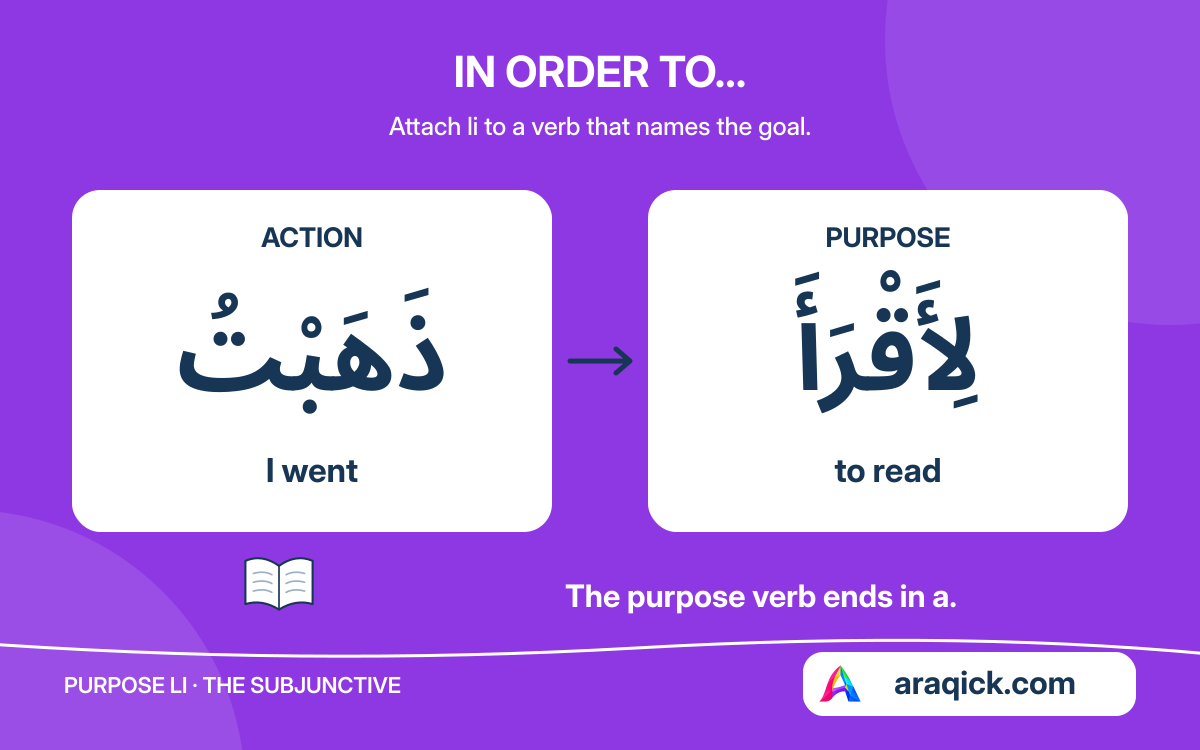
Purpose Li in Arabic: How to Say “In Order To”
لِأُضِيفَ خَطًّا مُلَوَّنًا
Connect the blue strip to the personal design the narrator wants to add.
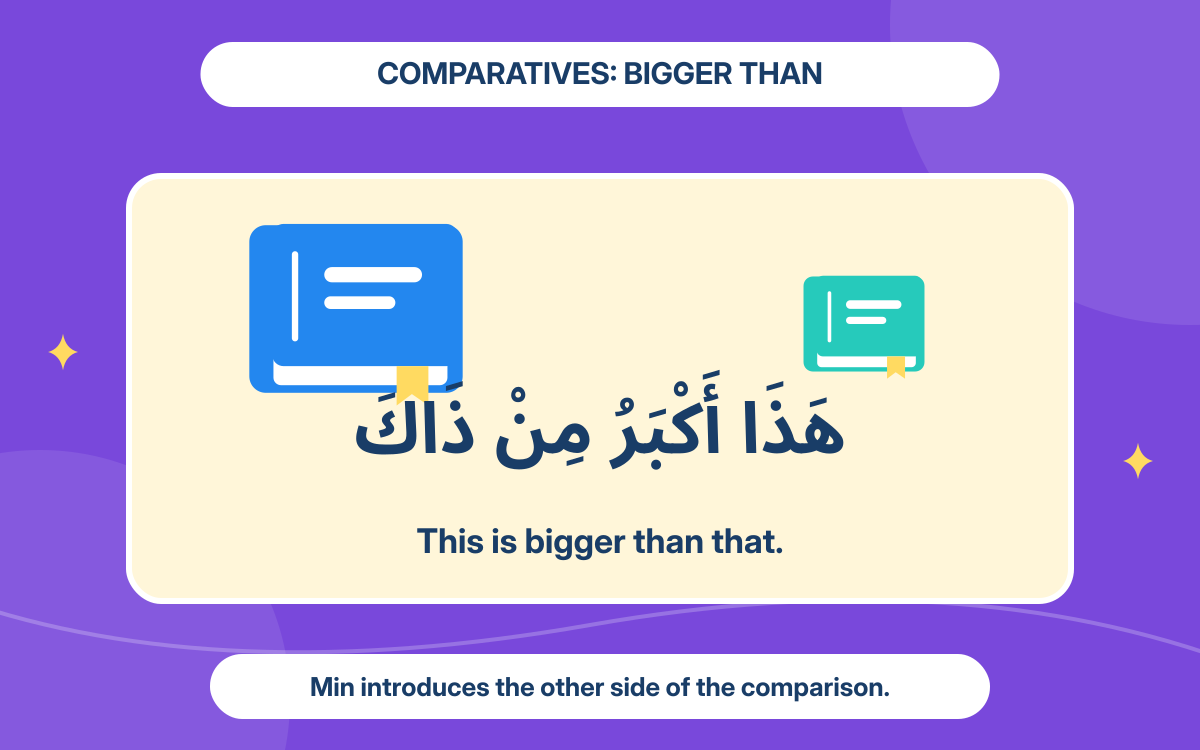
Arabic Comparatives: Bigger Than and Better Than
أَقْوَى مِنَ الْأُولَى
Compare the repaired base with its earlier version using a comparative followed by min.