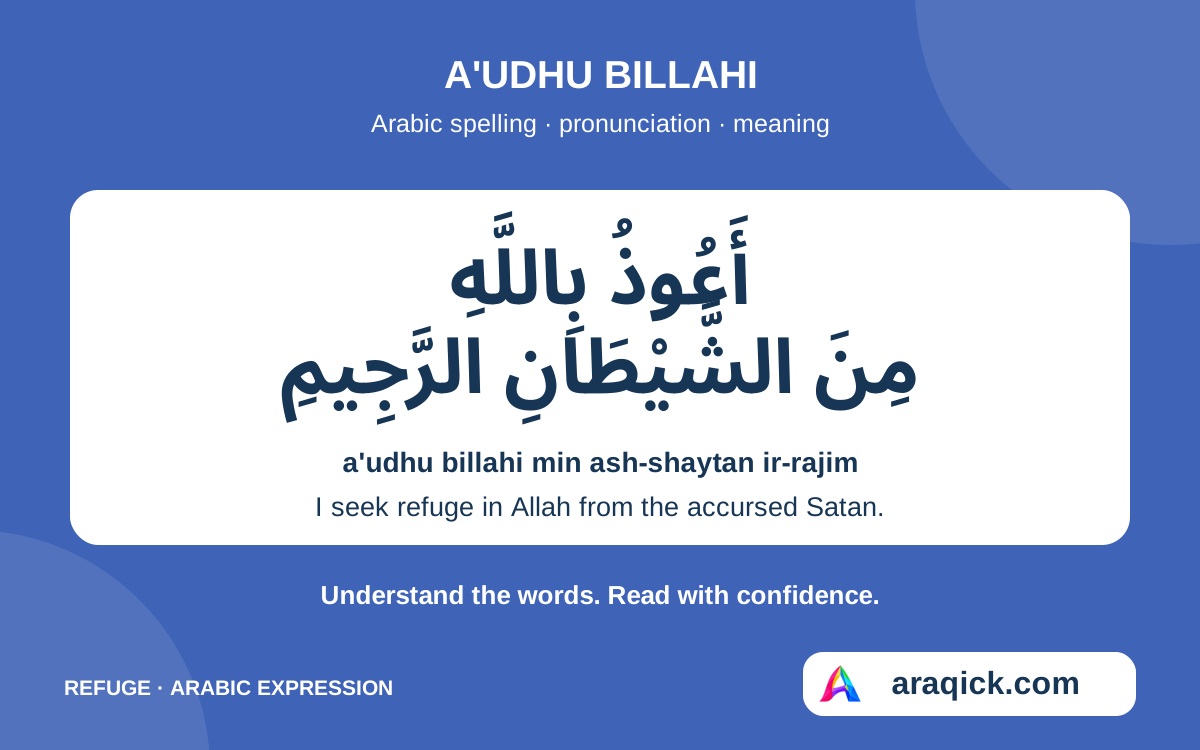
A’udhu billahi min ash-shaytan ir-rajim is أَعُوذُ بِاللَّهِ مِنَ الشَّيْطَانِ الرَّجِيمِ, meaning “I seek refuge with Allah from Satan, the outcast.” It is an expression of seeking protection, often called the taawwudh or istiadha. Quran 16:98 instructs seeking refuge when reciting the Quran; this familiar spoken formula is not that entire verse.
01What are you saying?
The speaker asks for refuge with Allah from Satan. “Refuge” means protection or shelter here, rather than a physical building. The first word makes the statement personal: “I seek refuge.” The last part identifies what protection is sought from.
أَعُوذُ بِاللَّهِ مِنَ الشَّيْطَانِ الرَّجِيمِ
audhu billahi min ashshaytan irrajim
I seek refuge with Allah from Satan, the outcast.
“Accursed” is another familiar English rendering of the final adjective. These renderings explain the description; they do not turn the expression into a greeting or a direct instruction to another person.
02Build the meaning from its parts
أَعُوذُ (audhu) carries “I seek refuge.” بِاللَّهِ (billahi) joins the short preposition bi to Allah. In this construction it means seeking refuge with Allah. مِنَ (mina) introduces what the speaker seeks refuge from.
The two final words belong together: الشَّيْطَانِ الرَّجِيمِ, “Satan, the outcast.” The adjective follows the noun it describes. Notice that the phrase has several written words even when the English transliteration is written almost as one long line. Our prepositions guide gives more practice with these small connecting words.
03Pronounce one chunk at a time
Start with audhu billahi, then add min ashshaytan irrajim. The u in audhu is long. The dh in audhu is a single voiced sound, like th in the English word this. It is not a separate d followed by h. The opening also contains the Arabic throat letter ع, which plain English letters cannot reproduce fully.
Listen for doubled sh and r sounds in the final words. Their written definite article assimilates in pronunciation, so you hear ashshaytan and arrajim rather than a clearly separate l. When joined, read shaytani-rrajim: the i belongs to shaytani, and the doubled r begins the following adjective.
04Quranic instruction and spoken wording
Quran 16:98 gives an instruction to seek refuge with Allah from Satan when reciting the Quran. The verse uses an instruction form, “seek refuge”; this formula begins “I seek refuge.” They are closely related in meaning but are not identical quotations.
The full spoken wording appears in Sahih al-Bukhari 6115, in a report about anger during an argument. These are two documented contexts for learning the expression. When quoting a source, identify whether you are showing the verse, its meaning or the supplication rather than labelling all three as the same text.
05How is it different from bismillah?
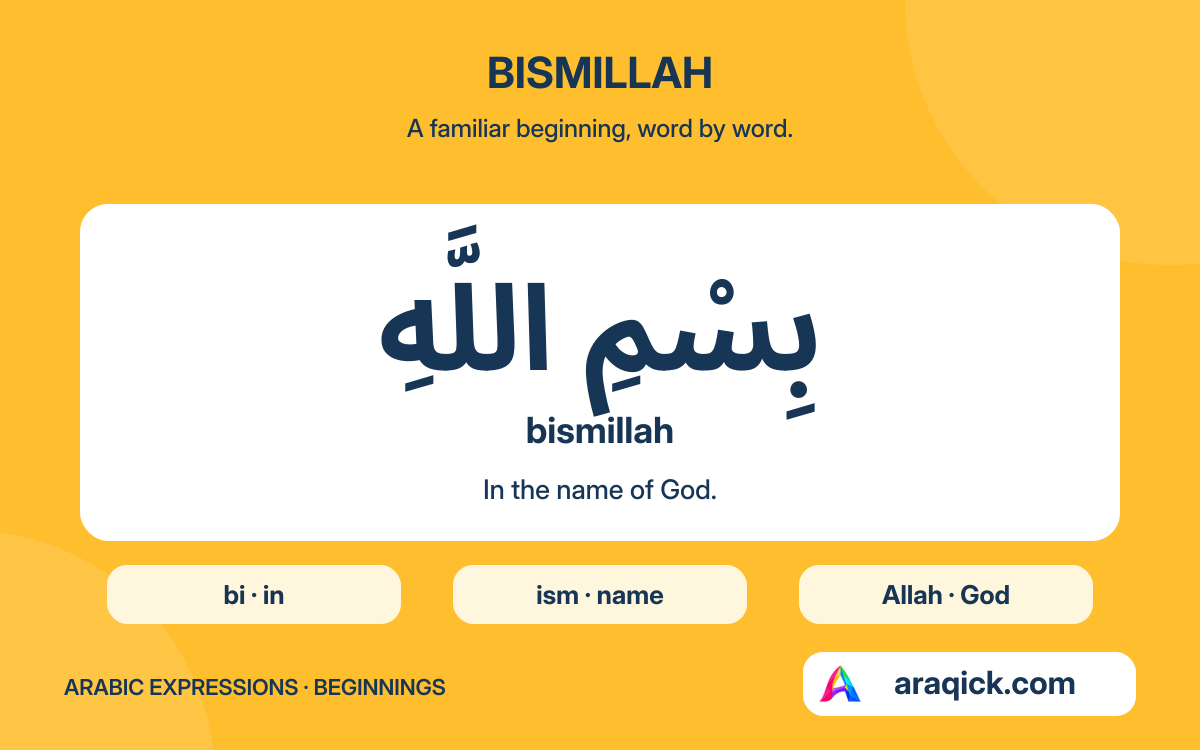
The refuge expression asks protection from Satan. Bismillah means “in the name of Allah” and begins with a different purpose. The two may be heard near each other before Quran recitation, which can make beginners mistakenly treat them as one phrase.
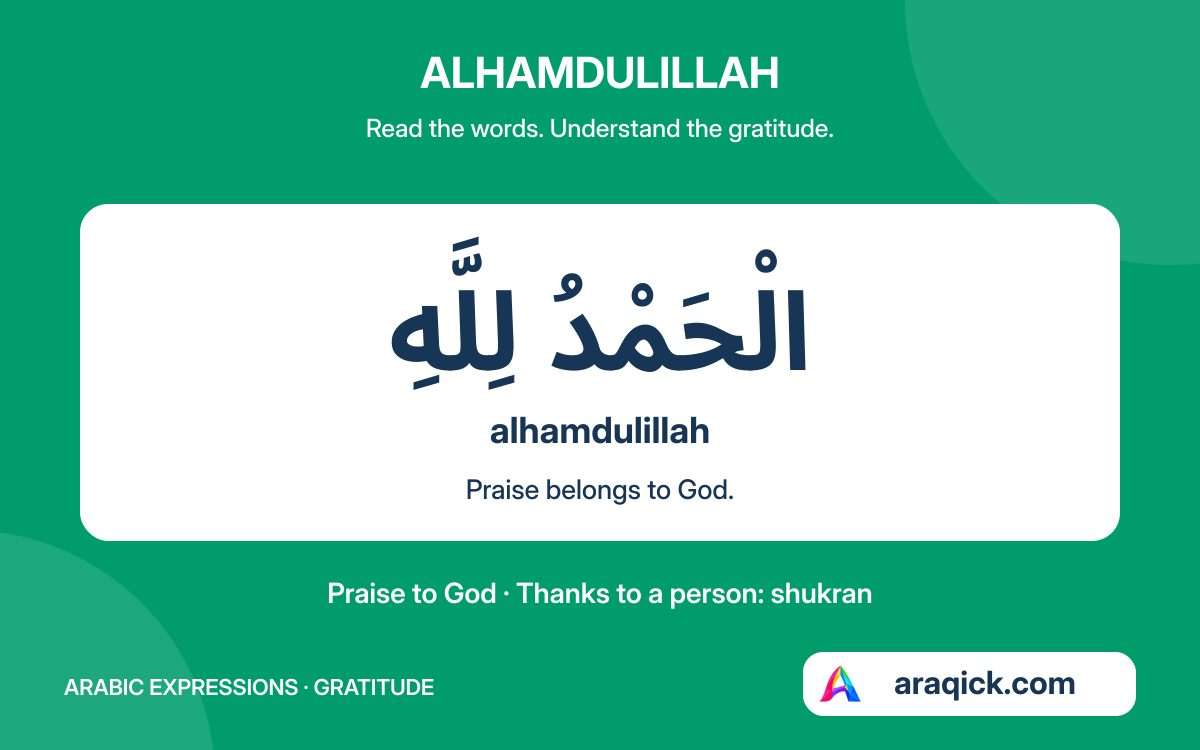
Learn each separately: أَعُوذُ بِاللَّهِ is audhu billahi, “I seek refuge with Allah”; بِسْمِ اللَّهِ is bismillah, “in the name of Allah.” Sharing the name Allah does not make the expressions interchangeable. Compare alhamdulillah for a third, different purpose: praise.
06Recognise the expression in print
You may meet spellings such as a’udhu, audhu, shaytan and shaitan. These are reading aids rather than changes to the Arabic formula. Use the Arabic text as your reference and practise with a reliable recitation.
At the end of the expression, the final short vowel of الرَّجِيمِ is normally dropped when pausing, giving rajim. There is no single conversational answer required by the wording. Focus on recognising the speaker’s request for refuge and on the context in which it is said.
What to remember
- The formula means I seek refuge with Allah from Satan, the outcast.
- Quran 16:98 instructs seeking refuge; the familiar formula is a first-person statement.
- Bismillah, alhamdulillah and the refuge formula serve different purposes.
Your reference shelf
Open a guide whenever you need it.
Refuge formula: word meaningsUse the prepositions to follow the direction of the request.
| Arabic | Reading | Meaning or use |
|---|---|---|
| أَعُوذُ | audhu | I seek refuge |
| بِاللَّهِ | billahi | With Allah; in this refuge construction |
| مِنَ | mina | From |
| الشَّيْطَانِ | ashshaytani | Satan |
| الرَّجِيمِ | arrajimi | The outcast; accursed |
Three expressions, three purposesRecognise the meaning rather than only the shared name Allah.
| Arabic | Reading | Meaning or use |
|---|---|---|
| أَعُوذُ بِاللَّهِ | audhu billahi | I seek refuge with Allah |
| بِسْمِ اللَّهِ | bismillah | In the name of Allah |
| الْحَمْدُ لِلَّهِ | alhamdulillah | Praise belongs to Allah |
Sources & further learning
References for the language explanations and learning guidance.