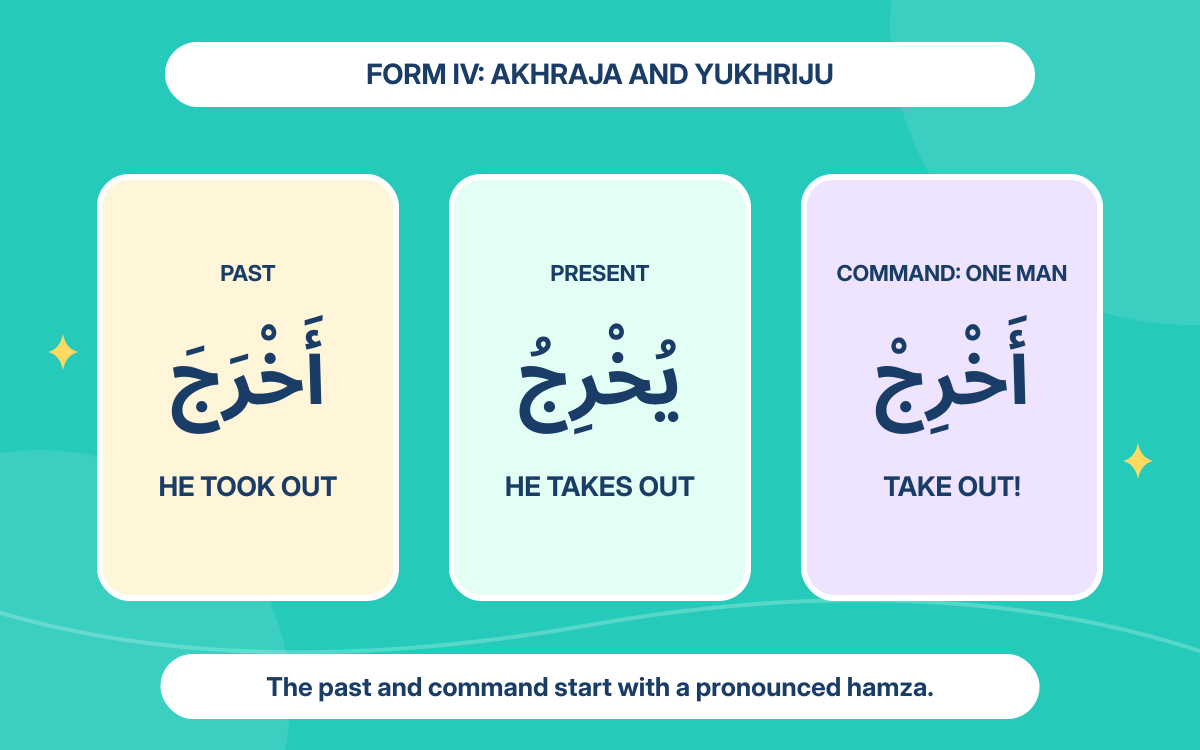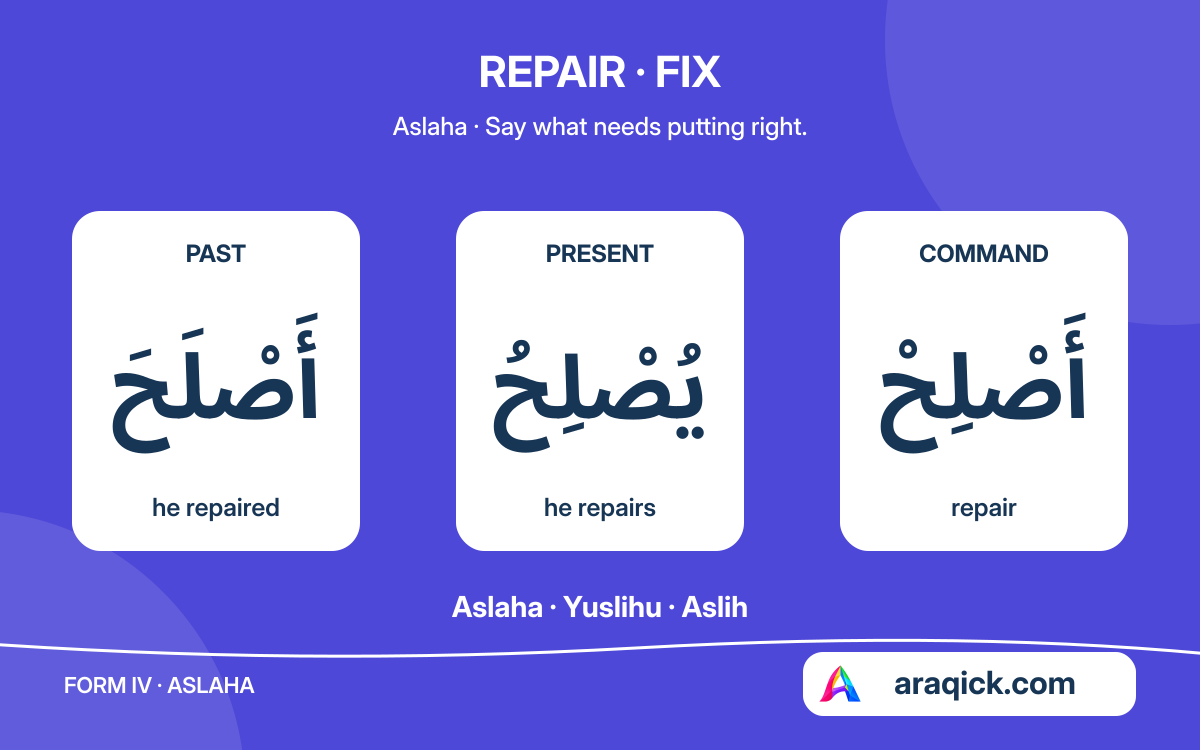
Aslaha means he repaired or put something right. Its root is ص ل ح, and it follows Form IV. This lesson focuses on practical repairs: a lamp, a bicycle and a door. The key sound change is aslaha in the past but yuslihu in the present.
01Identify the thing being repaired
أَصْلَحَ الْفَنِّيُّ الْمِصْبَاحَ
aslaha alfanniyyu almisbaha
The technician repaired the lamp.
The technician is the subject; the lamp is the direct object. The object has an accusative ending. Aslaha can also mean reform or set right in other contexts, but this example describes fixing a physical object.
The initial hamzah belongs to the Form IV pattern. It is hamzat alqat, pronounced even after a preceding word. Compare the pattern in Form IV verbs.
02Keep the present prefix vowel u
أُصْلِحُ الدَّرَّاجَةَ الْيَوْمَ
uslihu addarrajata alyawma
I am repairing the bicycle today.
Uslihu is I repair. Its first vowel is u, and the l has i. The he form is يُصْلِحُ; we repair is نُصْلِحُ. These are active forms: the subject performs the repair.
Do not label every present verb beginning with u as passive. The complete pattern matters. Keep the present stem slih and change the person prefix when practising I, he and we.
03Ask someone to fix an object
أَصْلِحْ هَذَا الْكُرْسِيَّ
aslih hadha alkursiyya
Repair this chair. — to one man
Aslih is the masculine singular command. Its initial hamzah has a, the l has i, and the final h has sukun. Compare I repair, uslihu, with repair, aslih: both the beginning and the ending change.
The command to one woman is أَصْلِحِي. To a male or mixed group, use أَصْلِحُوا. Hadha alkursiyya names the object in this instruction; it is not a second subject.
04Separate past and future negatives
لَمْ أُصْلِحْ الْبَابَ بَعْدُ
lam uslih albaba badu
I have not repaired the door yet.
Lam uslih negates the past repair. The word badu adds yet in this negative sentence. Lam makes the verb jussive, so its final h has sukun; the initial u and internal i remain.
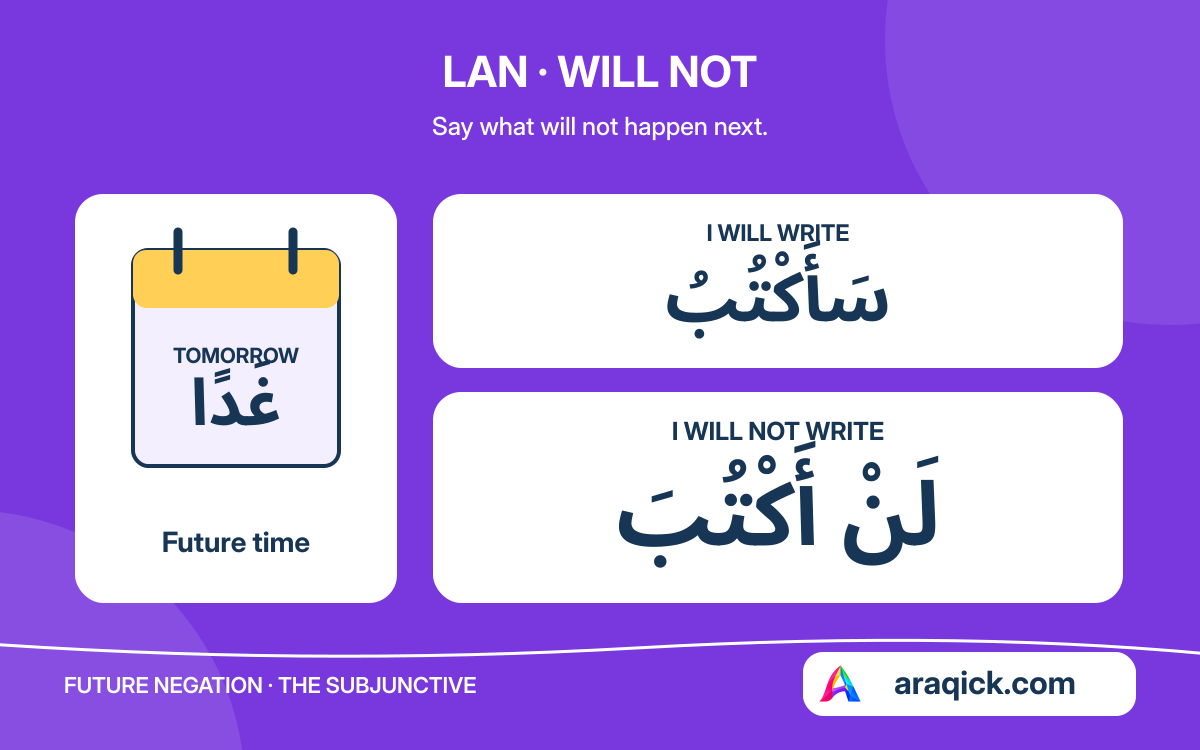
For I will not repair, use لَنْ أُصْلِحَ with final fathah. Compare lam and lan. Changing only the English time word is not enough; the Arabic particle and ending must match.
05Name the repair as an activity
إِصْلَاحُ الْمِصْبَاحِ سَهْلٌ
islahu almisbahi sahlun
Repairing the lamp is easy.
The action noun is إِصْلَاحٌ (islah). In islahu almisbahi, the noun lamp is genitive as the second part of the noun phrase. This differs from its accusative role after the verb aslaha.
The active participle مُصْلِحٌ names someone repairing or setting things right. The passive participle مُصْلَحٌ describes what has been repaired. Check the internal i or a; the simplified reading aids do not show every Arabic sound precisely.
What to remember
- Aslaha–yuslihu means repair or put right.
- Uslihu is I repair; aslih is a command to one man.
- Lam uslih has sukun; lan usliha has fathah.
Your reference shelf
Open a guide whenever you need it.
Repair: past and presentComplete person forms; the present column is indicative
| Person | Past | Present |
|---|---|---|
| He | أَصْلَحَ | يُصْلِحُ |
| They: two men | أَصْلَحَا | يُصْلِحَانِ |
| They: male or mixed group | أَصْلَحُوا | يُصْلِحُونَ |
| She | أَصْلَحَتْ | تُصْلِحُ |
| They: two women | أَصْلَحَتَا | تُصْلِحَانِ |
| They: female group | أَصْلَحْنَ | يُصْلِحْنَ |
| You: one man | أَصْلَحْتَ | تُصْلِحُ |
| You: two people | أَصْلَحْتُمَا | تُصْلِحَانِ |
| You: male or mixed group | أَصْلَحْتُمْ | تُصْلِحُونَ |
| You: one woman | أَصْلَحْتِ | تُصْلِحِينَ |
| You: female group | أَصْلَحْتُنَّ | تُصْلِحْنَ |
| I | أَصْلَحْتُ | أُصْلِحُ |
| We | أَصْلَحْنَا | نُصْلِحُ |
The dual you form serves two listeners of either gender. The present column gives ordinary indicative forms; mood particles can change the endings.
Repair: commands and word familyChoose the listener, then distinguish verbs from nouns
| Use | Arabic | Meaning |
|---|---|---|
| One man | أَصْلِحْ | Command: repair |
| One woman | أَصْلِحِي | Command: repair |
| Two people | أَصْلِحَا | Command: repair |
| Male or mixed group | أَصْلِحُوا | Command: repair |
| Female group | أَصْلِحْنَ | Command: repair |
| Action noun | إِصْلَاحٌ | repair; reform |
| Active participle | مُصْلِحٌ | someone repairing or reforming |
| Passive participle | مُصْلَحٌ | repaired; put right |
The dual command serves two listeners of either gender. A final alif after group waw is silent. Noun endings shown here are nominative; their case can change in a sentence.
Sources & further learning
References for the language explanations and learning guidance.