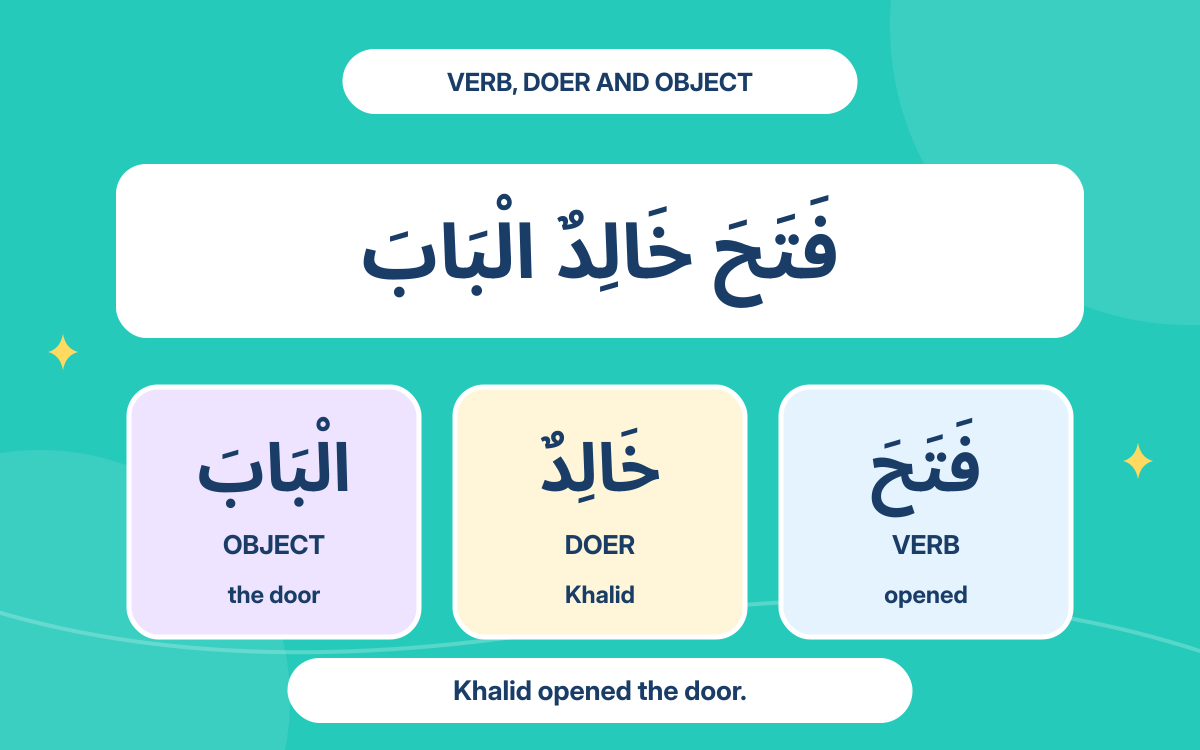
“Khalid opened the door” tells us an action, its doer and its object. Arabic can present the same message with the verb first. Follow one simple sentence to see how each word works, then compare an action that needs no direct object.
01Read the three roles
فَتَحَ خَالِدٌ الْبَابَ
fataha khaliduni lbaba
Khalid opened the door.
Fataha means “opened.” Khalidun names the doer, Khalid. Albaba names what he opened, the door. The Arabic order here is verb, doer, object. Read from right to left, starting with fataha. The English translation puts Khalid first, but the roles stay the same.
02Ask what happened
The verb is فِعْل (fil). In our example it is فَتَحَ (fataha), “opened.” It gives the action and places it in the past. Do not label the door as a verb just because it is involved in the event.
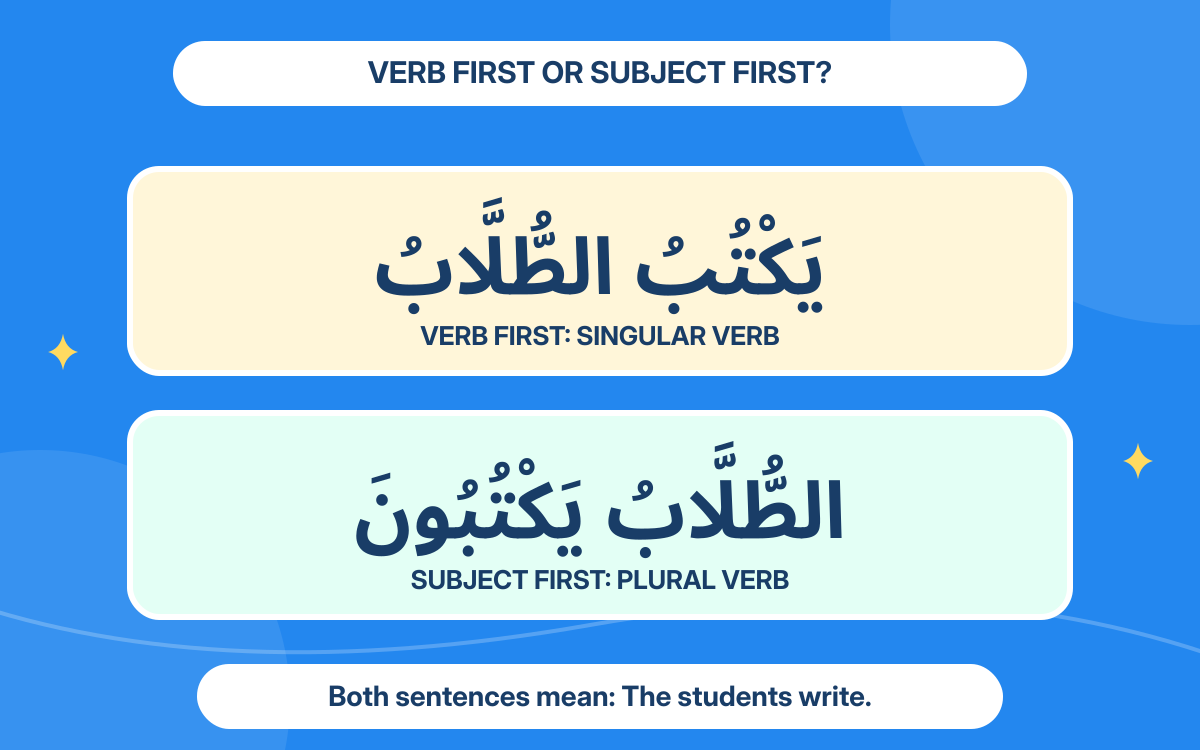
This lesson uses simple active sentences beginning with a verb and naming one male doer. Practise this small pattern before adding other tenses, plural subjects or different word orders. “Verb first” describes our chosen structure, not every possible Arabic sentence.
03Ask who performed the action
Who opened the door? Khalid. The grammatical doer is the فَاعِل (fail). Here خَالِدٌ is nominative, or مَرْفُوع (marfu), and its regular ending is un.
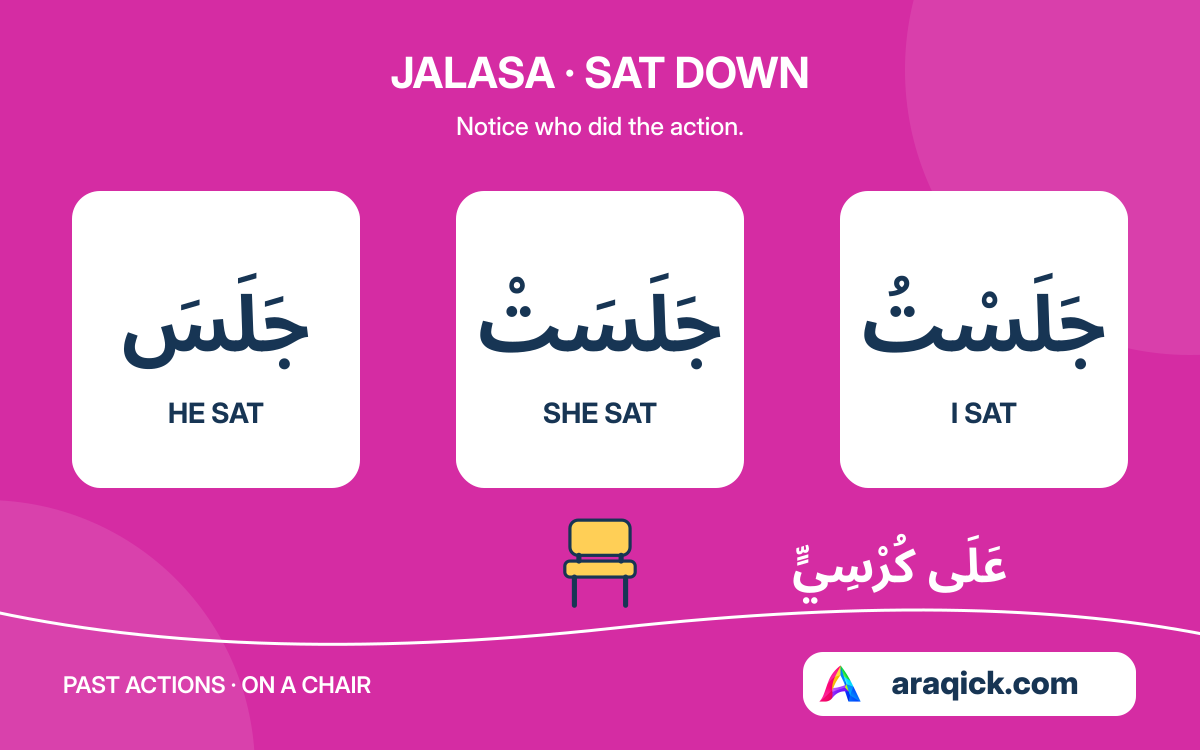
جَلَسَ خَالِدٌ
jalasa khalidun
Khalid sat down.
Khalid is also the doer of jalasa, “sat down.” A name can have tanween while still naming a definite person. The ending helps show its grammatical job; it does not turn Khalid into an unknown “a Khalid.”
04Ask what the action affected
What did Khalid open? The door. الْبَابَ is the direct object, مَفْعُول بِهِ (maful bihi). It is accusative, مَنْصُوب (mansub). For this regular definite singular noun, the ending is a.
حَمَلَ حَامِدٌ كِتَابًا
hamala hamidun kitaban
Hamid carried a book.
Hamala is the verb, Hamidun is its doer, and kitaban is its object. The indefinite book has the accusative ending an. Match roles to meaning first: who carried, and what was carried? Then use the endings to check your analysis.
05Do not invent an object
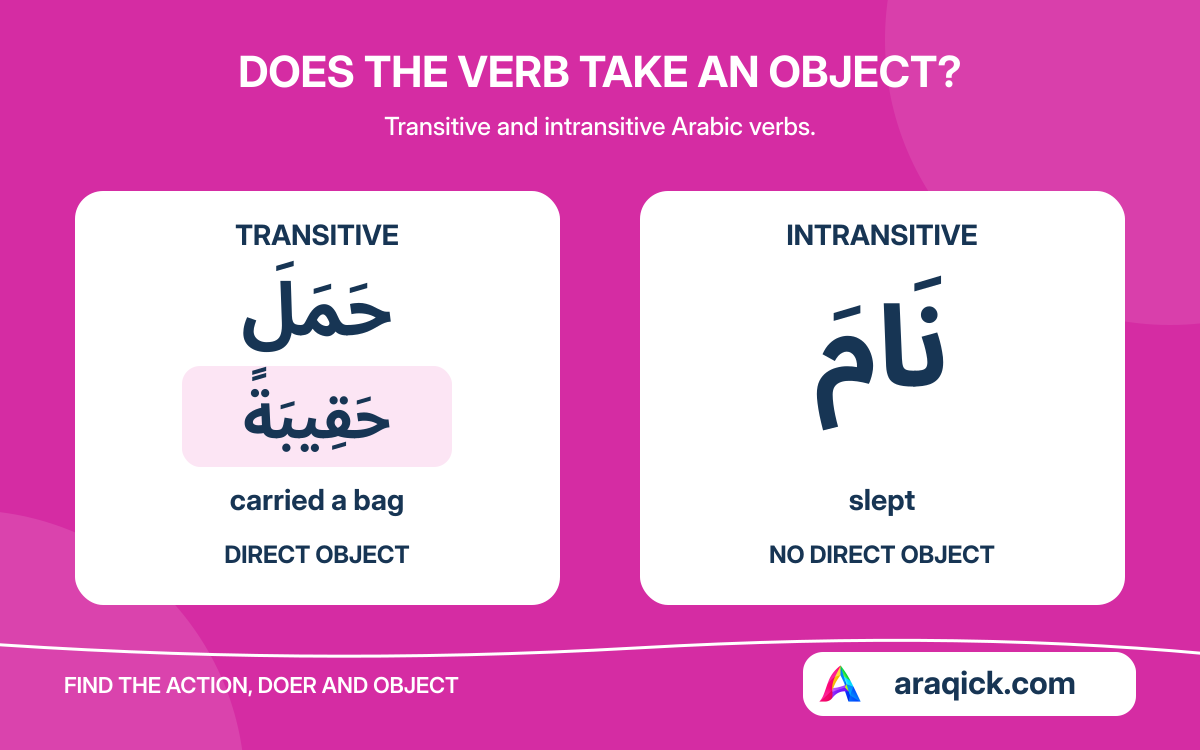
“Khalid sat down” already makes sense. Jalasa does not take a direct object in this pattern. A verb that works this way is called intransitive. “Opened the door” uses a transitive verb with a direct object. Both are complete verbal sentences.
Our reading labels keep full formal endings. In fataha khaliduni lbaba, the short i after the tanween n helps join Khalidun to the following al. It is a pronunciation adjustment, not a change to Khalid’s nominative case.
At a pause, final short case vowels and nominative un are normally dropped. Albaba becomes albab; Khalidun becomes Khalid. The plain labels cannot represent every Arabic sound or vowel length, so keep checking the Arabic text.
What to remember
- Find the action, ask who performed it, then check whether there is a direct object.
- In these regular singular examples, the doer is nominative and the direct object is accusative.
- A complete verbal sentence can use an intransitive verb without a direct object.
Your reference shelf
Open a guide whenever you need it.
Verb, doer and object: a role chartReview the case clues and connected pronunciation
| Word | Role | Question it answers |
|---|---|---|
| فَتَحَ | Verb: opened | What happened? |
| خَالِدٌ | Doer: Khalid, nominative | Who opened? |
| الْبَابَ | Direct object: the door, accusative | Opened what? |
Why does the reading label contain khaliduni?
Read separately, خَالِدٌ is khalidun and الْبَابَ is albaba. In connected speech, the initial helping vowel of al drops. The tanween n then takes a short joining i before the following consonant: khaliduni lbaba. Khalid remains nominative. The Arabic spelling keeps its nominative tanween.
Is every doer written as a separate name?
No. An Arabic verb may have an attached or understood pronoun as its subject. This lesson deliberately uses separate singular names so each role is easy to see. It does not teach the full conjugation system.
Does every accusative word have to be an object?
No. Arabic also uses the accusative for other jobs. Here we practise only direct objects. Likewise, a noun after a preposition has its own case relationship; it is not automatically a direct object because it occurs after a verb.
What changes at a pause?
Our examples show full endings for analysis. Definite albaba normally becomes albab when stopping. Indefinite accusative kitaban has a different formal pause pattern: the ending becomes a long a. The tanween guide explains that distinction.
Sources & further learning
References for the language explanations and learning guidance.