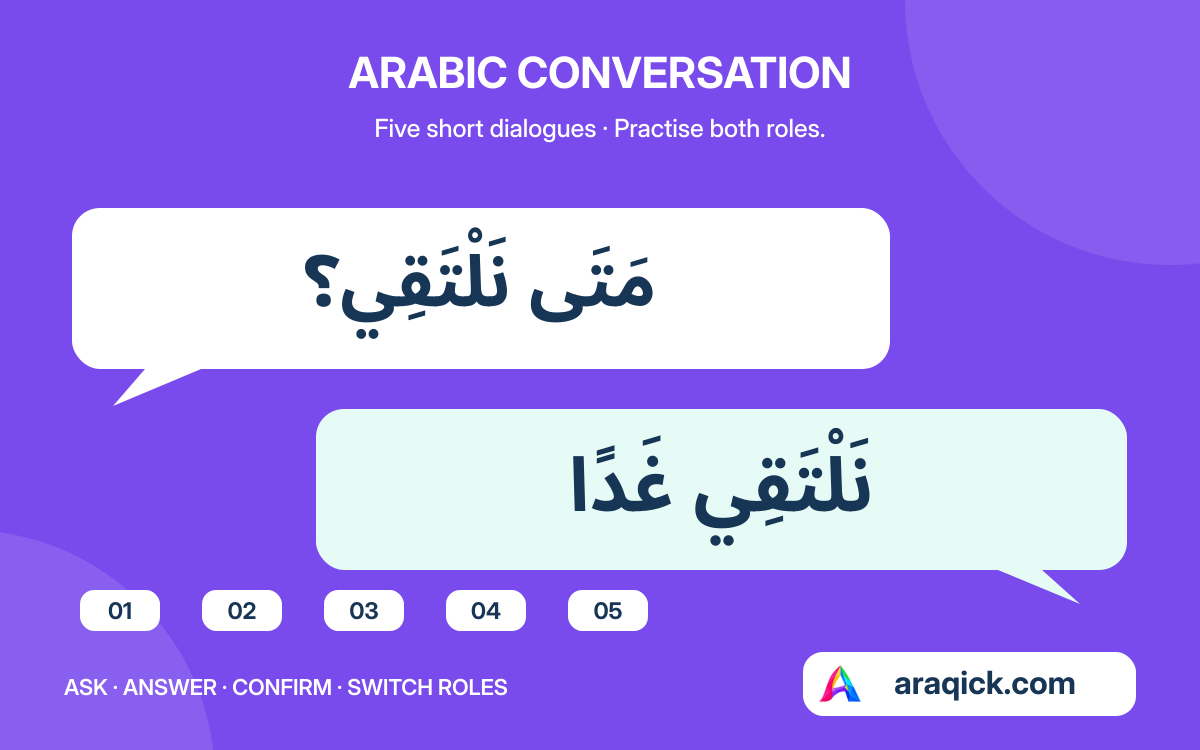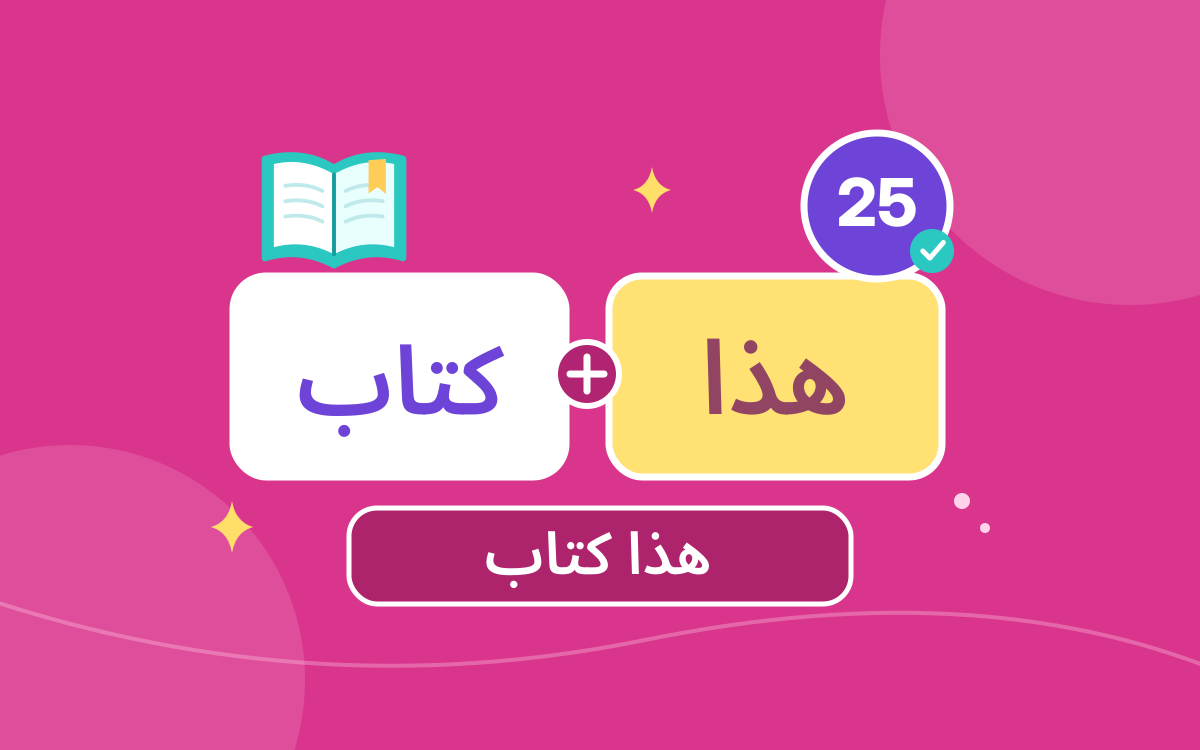
Build a short Arabic sentence by choosing a pattern, then changing one detail. Start with five useful examples below and practise each one. The full 25 sentence reference gives you more words to swap in when you are ready.
01This + thing
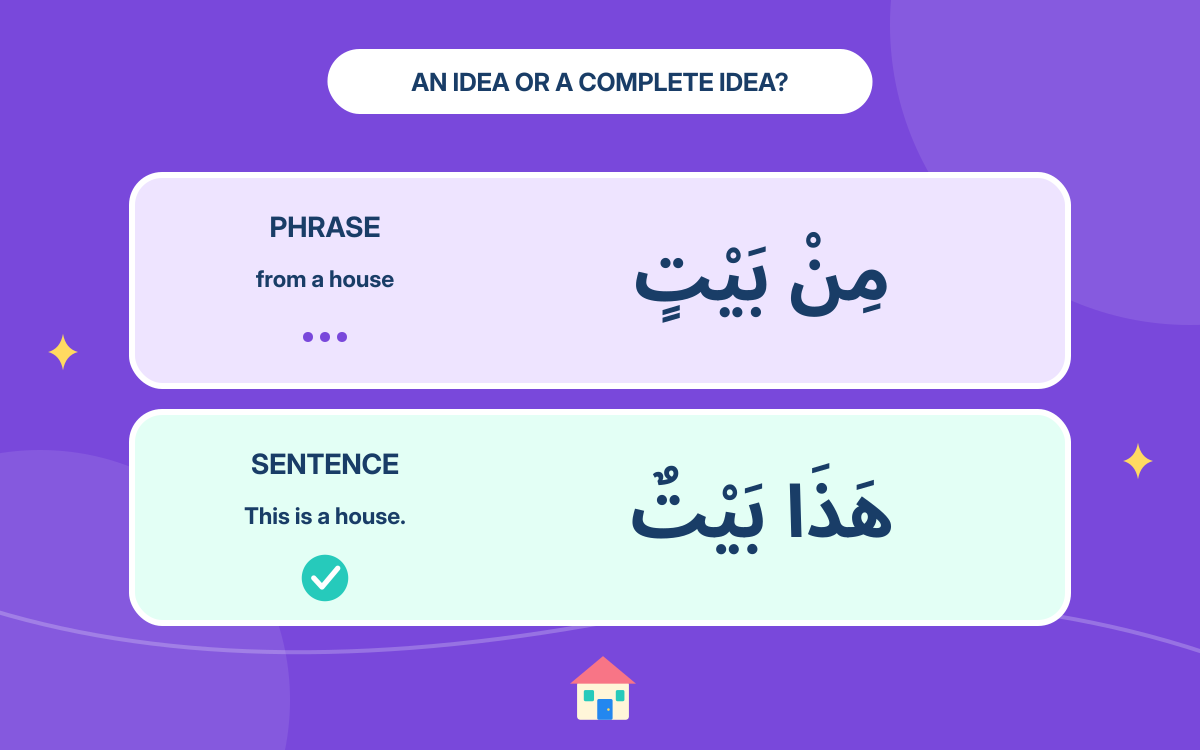
هَذَا قَلَم
hadha qalam
This is a pen.
- No separate “is” or English style “a” is needed here.
- For a feminine noun, use هَذِهِ — hadhihi: هَذِهِ حَقِيبَة — hadhihi haqiba — this is a bag.
These examples use Modern Standard Arabic. Grammatical gender applies to objects too; learn each noun with its matching “this.”
02The thing + description
الْكِتَاب جَدِيد
alkitab jadid
The book is new.
In this pattern, the noun has al, “the,” but the description does not.
- A statement: الْكِتَاب جَدِيد — the book is new.
- A phrase: الْكِتَاب الْجَدِيد — the new book.
- A feminine noun: الْحَقِيبَة جَدِيدَة — alhaqiba jadida — the bag is new.
The adjective matches the noun. Notice how jadid becomes jadida with the feminine bag.
03The thing + location
الْقَلَم فِي الْحَقِيبَة
alqalam fi lhaqiba
The pen is in the bag.
- فِي — fi — in.
- عَلَى — ala — on.
- تَحْتَ — tahta — under.
Name the object, then give its position. Put a pen in a bag, move it onto a book, and say what changed. You still do not need a separate present tense “is.”
The reading aids simplify Arabic sounds and usually omit grammatical endings. Careful, fully inflected MSA includes endings affected by prepositions.
04I + action
أَنَا أَكْتُب
ana aktub
I write / I am writing.
- أَنَا أَقْرَأ — ana aqra — I read / I am reading.
- أَنَا أَشْرَب مَاء — ana ashrab ma — I drink water / I am drinking water.
The situation tells you whether an action is habitual or happening now. These first person verbs work for male and female speakers, and ana is optional because the verb already identifies “I.”
If you change “I” to “she,” the verb also needs to change. Do not swap the pronoun alone.
05I want + thing
أُرِيد قَهْوَة
urid qahwa
I want coffee.
Change coffee to مَاء — ma — to ask for water. Learn these other expressions as complete chunks:
- أَحْتَاج إِلَى قَلَم — ahtaj ila qalam — I need a pen. Keep ila.
- عِنْدِي سُؤَال — indi sual — I have a question.
- لَا أَفْهَم — la afham — I do not understand.
Here la makes a present tense verb negative. It is not the form for every kind of negative sentence. Finish by choosing one object and making three true sentences about it.
What to remember
- Arabic often needs no separate present tense “is” in these simple patterns.
- Match feminine nouns with hadhihi and the appropriate adjective.
- Change one detail at a time; a new subject may require a new verb form.
Your reference shelf
Open a guide whenever you need it.
1–5: Identify a person or an objectOpen all examples in this group
| # | Arabic | Say it | Meaning |
|---|---|---|---|
| 1 | أَنَا طَالِب | ana talib | I am a student. Male speaker. |
| 2 | أَنَا طَالِبَة | ana taliba | I am a student. Female speaker. |
| 3 | هَذَا قَلَم | hadha qalam | This is a pen. |
| 4 | هَذِهِ حَقِيبَة | hadhihi haqiba | This is a bag. |
| 5 | ذَلِكَ بَيْت | dhalika bayt | That is a house. |
6–10: Give a simple descriptionOpen all examples in this group
| # | Arabic | Say it | Meaning |
|---|---|---|---|
| 6 | الْكِتَاب جَدِيد | alkitab jadid | The book is new. |
| 7 | الْحَقِيبَة جَدِيدَة | alhaqiba jadida | The bag is new. |
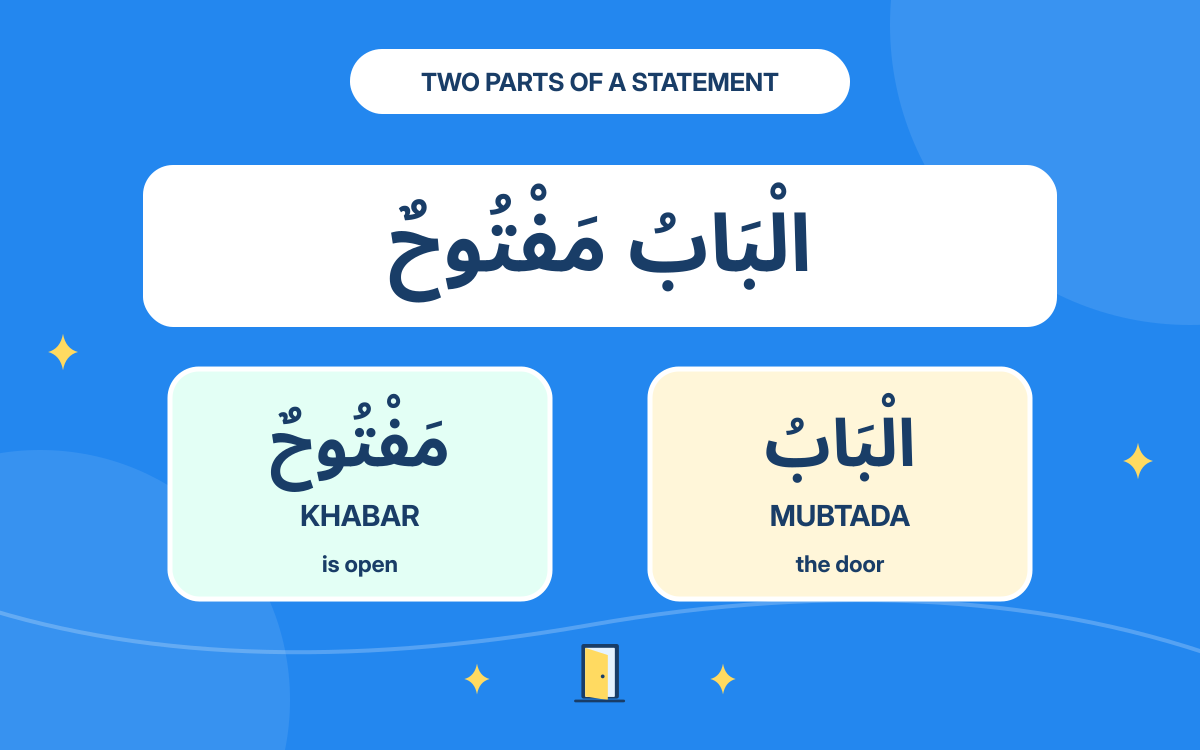
| 8 | الْبَاب مَفْتُوح | albab maftuh | The door is open. |
| 9 | الْمَاء بَارِد | alma barid | The water is cold. |
| 10 | الْغُرْفَة صَغِيرَة | alghurfa saghira | The room is small. |
11–15: Put things in a placeOpen all examples in this group
| # | Arabic | Say it | Meaning |
|---|---|---|---|
| 11 | الْكِتَاب عَلَى الطَّاوِلَة | alkitab ala ttawila | The book is on the table. |
| 12 | الْقَلَم فِي الْحَقِيبَة | alqalam fi lhaqiba | The pen is in the bag. |
| 13 | الْمِفْتَاح تَحْتَ الْكِتَاب | almiftah tahta lkitab | The key is under the book. |
| 14 | الْمَدْرَسَة قَرِيبَة | almadrasa qariba | The school is near. |
| 15 | أَنَا فِي الْبَيْت | ana fi lbayt | I am at home. |
16–20: Say what you doOpen all examples in this group
| # | Arabic | Say it | Meaning |
|---|---|---|---|
| 16 | أَنَا أَقْرَأ | ana aqra | I read / I am reading. |
| 17 | أَنَا أَكْتُب | ana aktub | I write / I am writing. |
| 18 | أَنَا أَشْرَب مَاء | ana ashrab ma | I drink water / I am drinking water. |
| 19 | أَنَا أَتَعَلَّم الْعَرَبِيَّة | ana ataallam alarabiyya | I am learning Arabic. |
| 20 | أَنَا أَذْهَب إِلَى الْمَدْرَسَة | ana adhhab ila lmadrasa | I go / I am going to school. |
21–25: Express a need, preference or possessionOpen all examples in this group
| # | Arabic | Say it | Meaning |
|---|---|---|---|
| 21 | أُرِيد قَهْوَة | urid qahwa | I want coffee. |
| 22 | أَحْتَاج إِلَى قَلَم | ahtaj ila qalam | I need a pen. |
| 23 | أُحِبّ الْقِرَاءَة | uhibb alqiraa | I like reading. |
| 24 | عِنْدِي سُؤَال | indi sual | I have a question. |
| 25 | لَا أَفْهَم هَذِهِ الْكَلِمَة | la afham hadhihi lkalima | I do not understand this word. |
Sources & further learning
References for the language explanations and learning guidance.