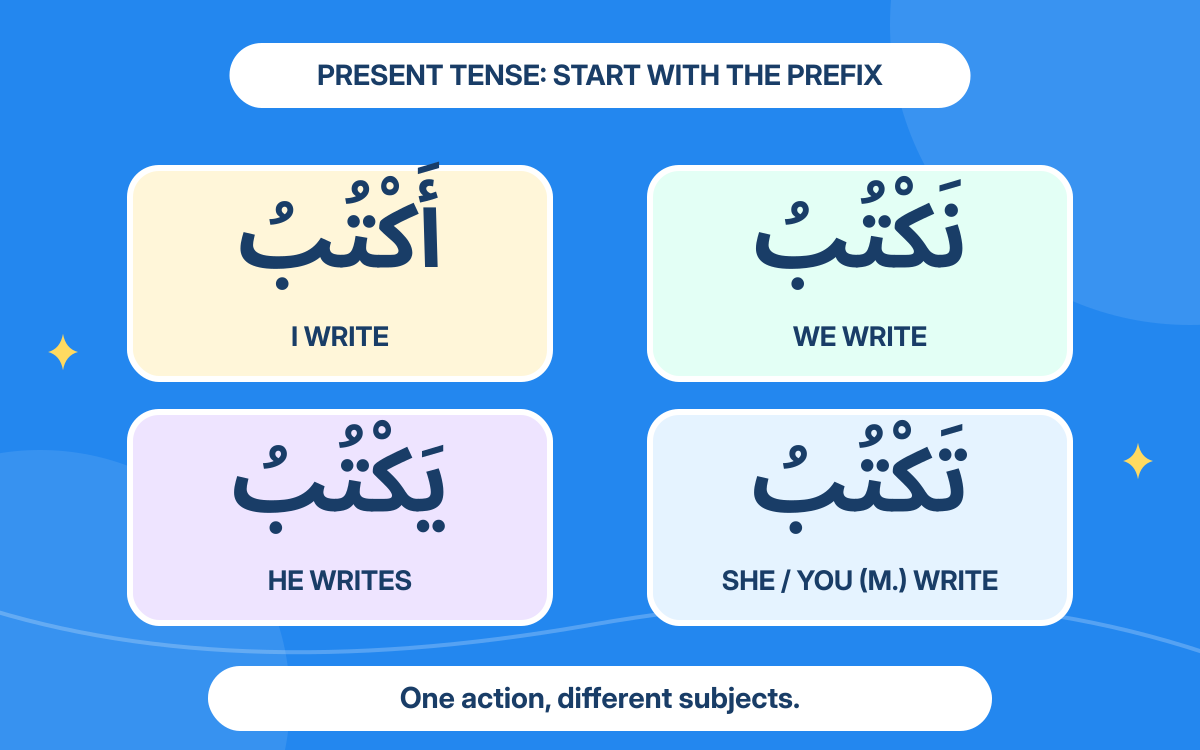
A small change at the beginning of an Arabic present verb helps identify who acts. Start with four forms of the same writing verb. The t form has two meanings in this lesson, so read the pronoun or context as well as the first letter.
01Start with I write
The prefix أَ identifies the speaker in this verb. Aktubu means I write or I am writing, depending on context. A man or a woman can use it.
أَنَا أَكْتُبُ
ana aktubu
I write.
The verb can stand alone as أَكْتُبُ. Ana makes I explicit; it is useful for emphasis but is not required in every sentence.
02Change the beginning for we
Use the prefix نَ for a group that includes the speaker. The we form is the same for male, female and mixed groups.
نَحْنُ نَكْتُبُ
nahnu naktubu
We write.
Naktubu keeps the same ending as aktubu. Do not add the past ending na to make we: learn the complete present form.
03Use y for he
The prefix يَ gives the he form of this writing verb. Huwa names the person being discussed.
هُوَ يَكْتُبُ
huwa yaktubu
He writes.
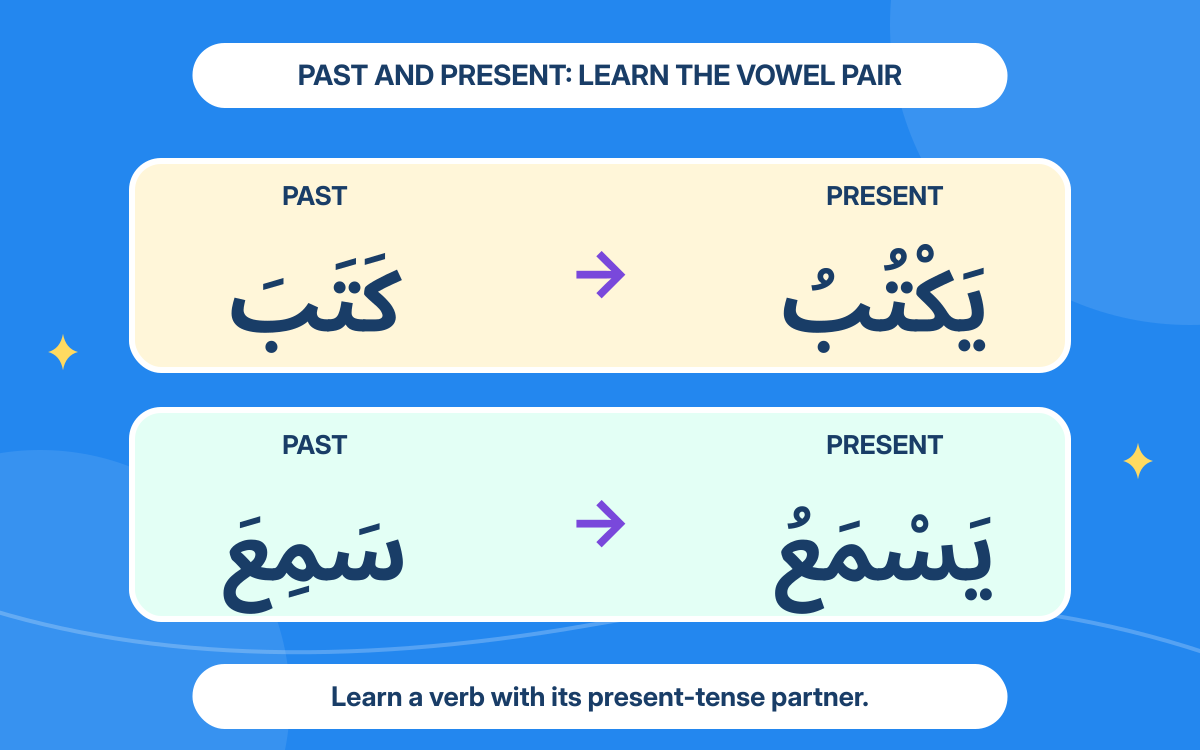
Learn a verb’s present form together with its past form. Yaktubu is related to kataba, he wrote, but the present stem has its own vowels.
04Use t for she
The prefix تَ gives the she form here. The action stays writing; the doer changes.
هِيَ تَكْتُبُ
hiya taktubu
She writes.
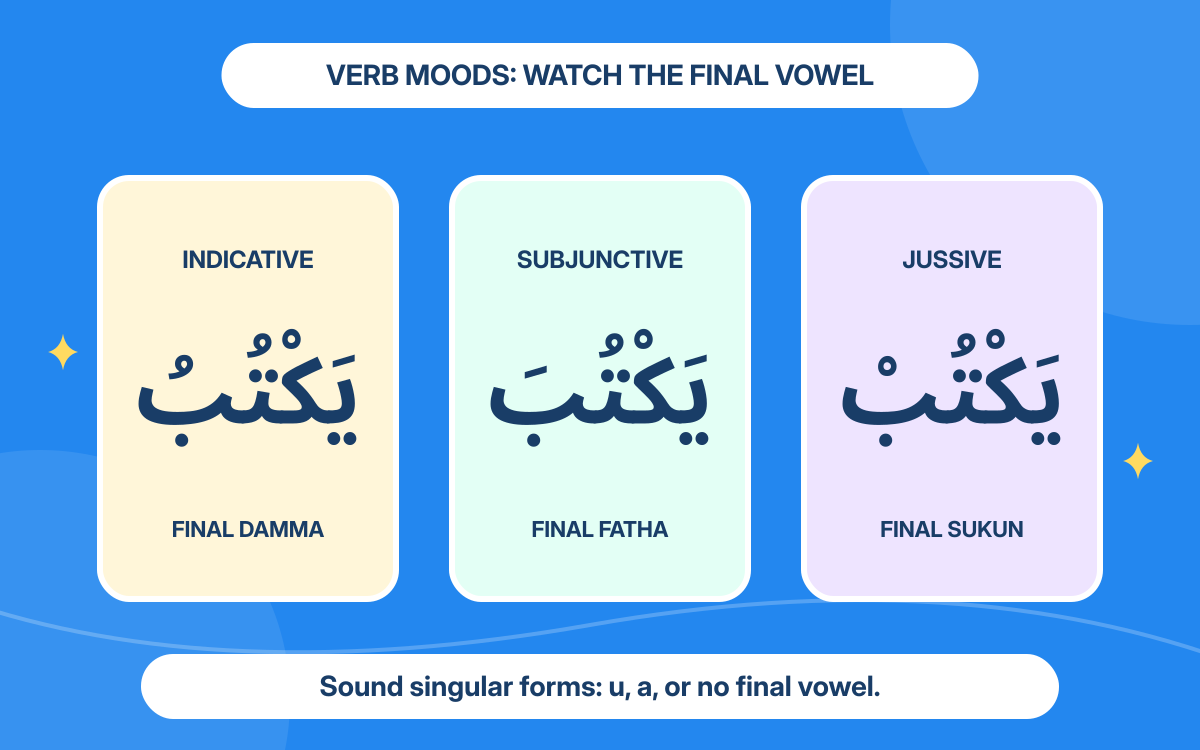
Our plain reading aids retain the final u shown in these full formal forms. The Arabic also shows sukun on k and dammah on b.
05Let context clarify the shared t form
Taktubu also means you write when addressing one male. Hiya or anta makes the intended meaning clear.
أَنْتَ تَكْتُبُ رِسَالَةً
anta taktubu risalatan
You write a letter. — to one male
هِيَ تَكْتُبُ رِسَالَةً
hiya taktubu risalatan
She writes a letter.
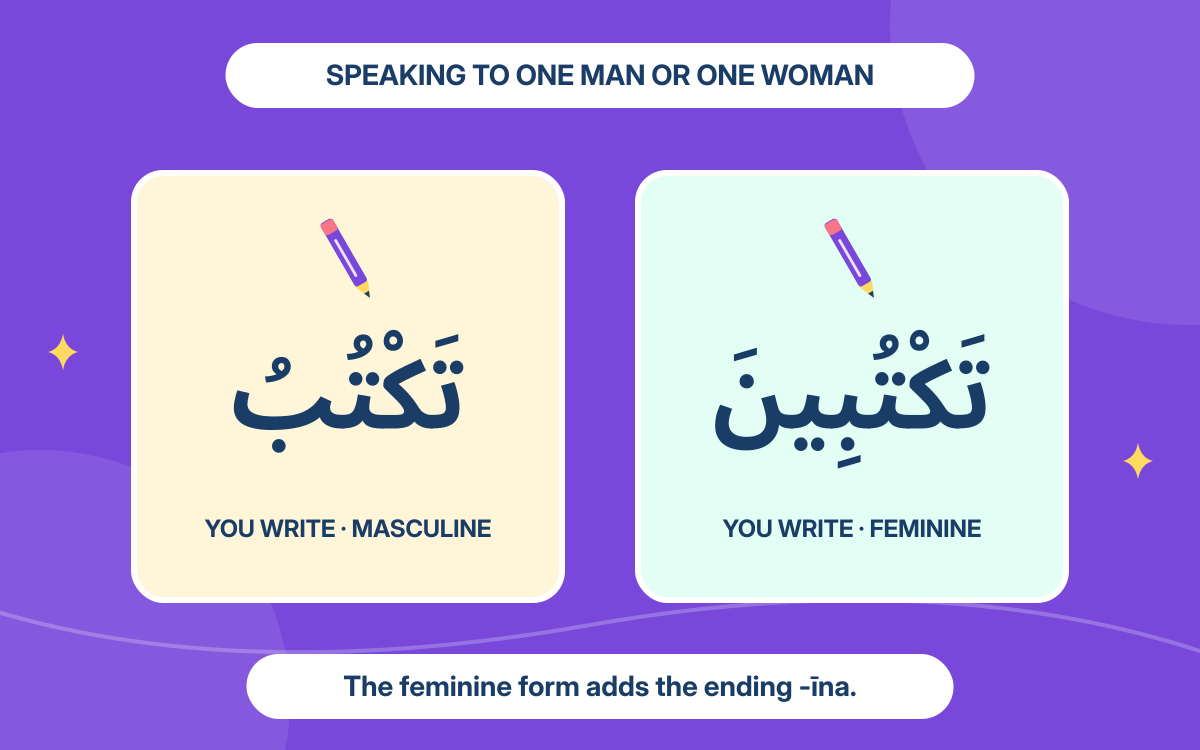
Risalatan names what is written. Check the doer before translating the shared verb. Addressing one woman uses an additional ending, taught in the next guide.
What to remember
- Aktubu means I write; naktubu means we write; yaktubu means he writes.
- Taktubu can mean she writes or you write to one male; context distinguishes them.
- Learn complete present forms and their vowels, rather than only adding a prefix to the past verb.
Your reference shelf
Open a guide whenever you need it.
Compare the five forms in this guideA compact chart of the writing verb and its doers
| Doer | Arabic | Reading |
|---|---|---|
| I | أَنَا أَكْتُبُ | ana aktubu |
| We | نَحْنُ نَكْتُبُ | nahnu naktubu |
| He | هُوَ يَكْتُبُ | huwa yaktubu |
| She | هِيَ تَكْتُبُ | hiya taktubu |
| You — one male | أَنْتَ تَكْتُبُ | anta taktubu |
These examples use the ordinary indicative forms. Present verbs can express habits or actions happening now; context determines the English translation. The four prefix letters also occur in other person forms, so read the complete verb, including any ending. This chart is a starting set, not the full conjugation.
This site uses simple Latin reading aids without hyphens. They do not represent every Arabic sound or vowel length precisely. Read the marked Arabic alongside them.
Sources & further learning
References for the language explanations and learning guidance.