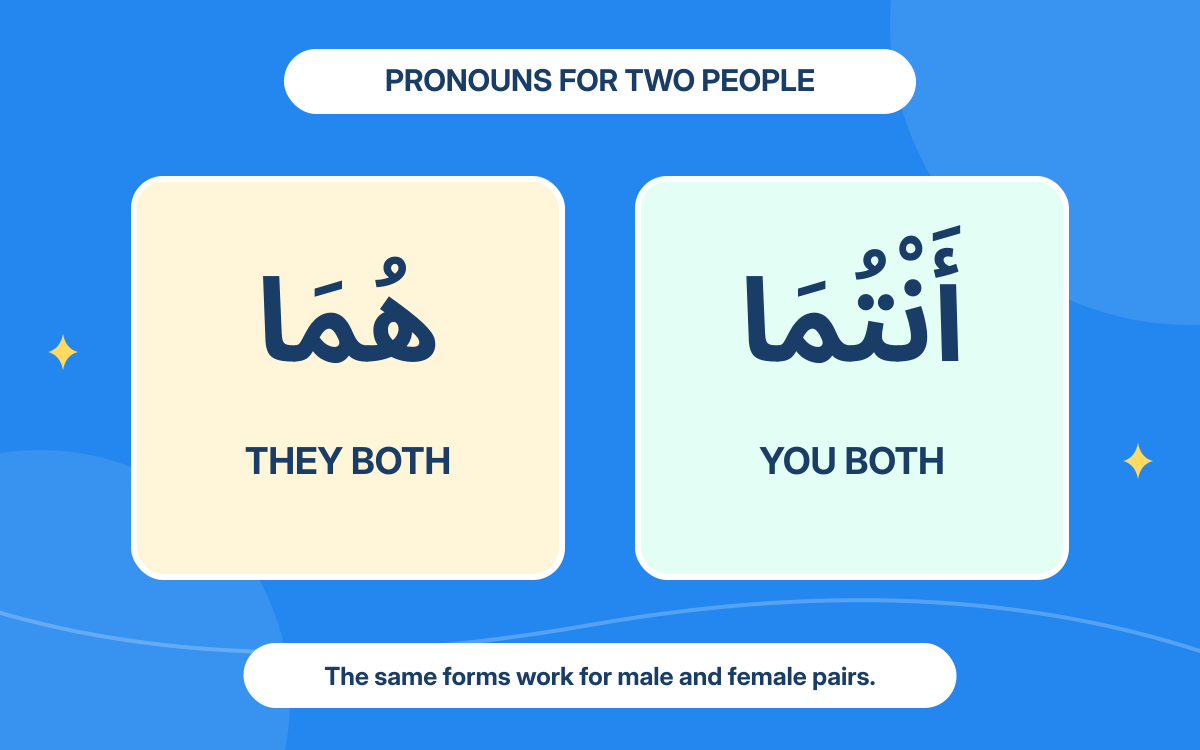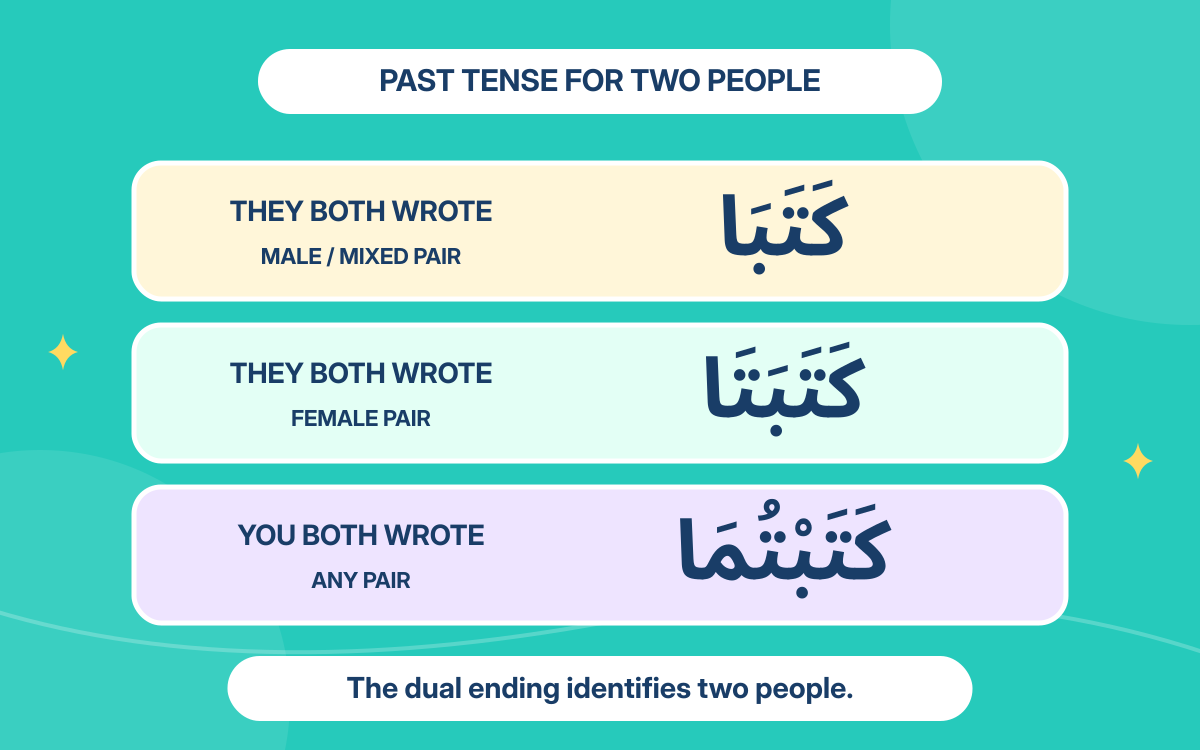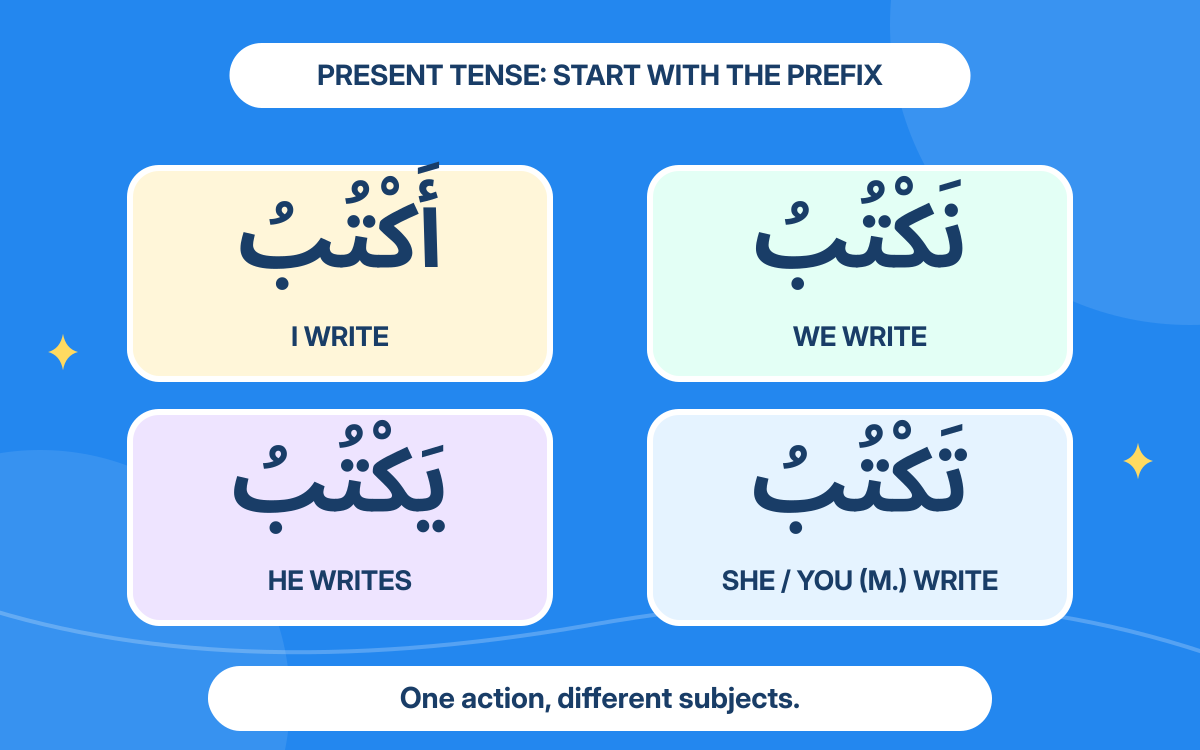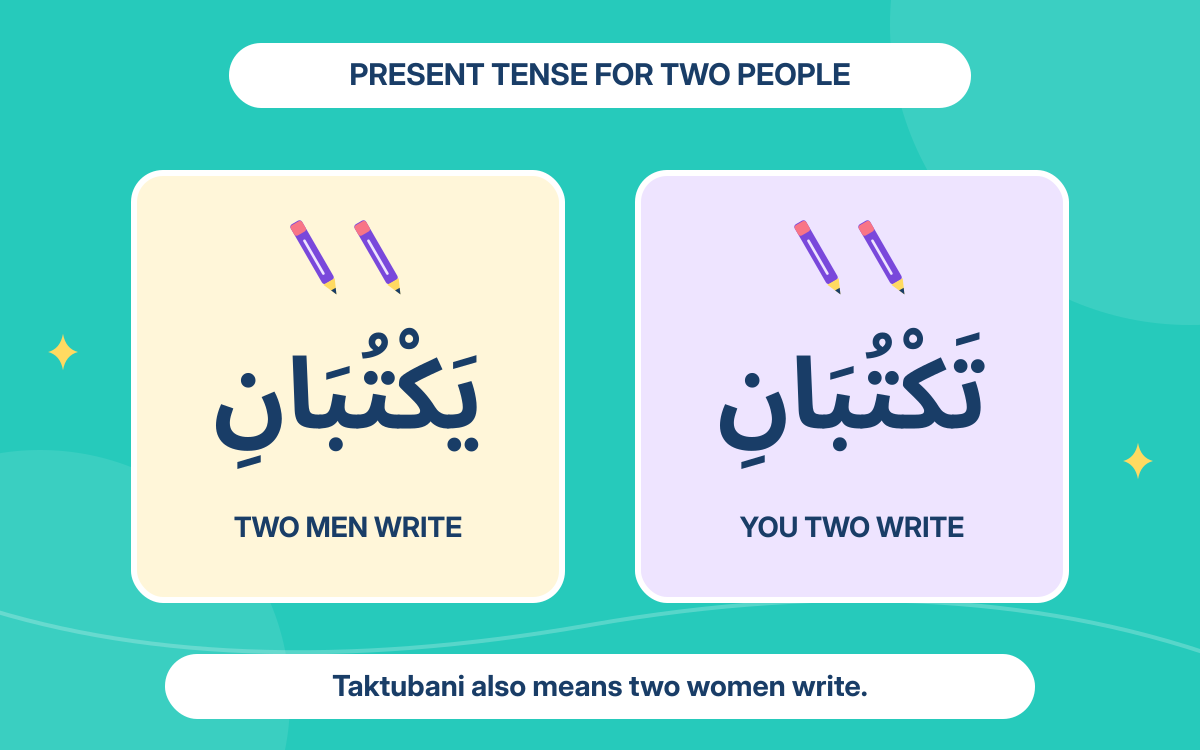
Arabic has present forms specifically for two people. Learn yaktubani for a male or mixed pair being discussed, taktubani for two women being discussed, and the shared taktubani form for any two listeners. The pronoun and context help you choose the intended meaning.
01Talk about a male or mixed pair
Huma means the two of them. Use huma yaktubani for two men or a mixed pair of one man and one woman. This is the dual, meaning exactly two people.
هُمَا يَكْتُبَانِ
huma yaktubani
They both write. — a male or mixed pair
The ending انِ has long a, written with alif, followed by n with short i. Our plain reading writes one a; the Arabic shows its length.
02Talk about two women
For two women, keep huma and change the initial y to t. Huma itself does not distinguish gender; the verb and context clarify the pair.
هُمَا تَكْتُبَانِ
huma taktubani
They both write. — two women
The ending remains ani. Exactly two women use this dual form; three or more women use hunna yaktubna.
03Address any two people
Antuma means you two. Use antuma taktubani for two male listeners, two female listeners or a mixed pair. The second-person dual has the same form for all three.
أَنْتُمَا تَكْتُبَانِ
antuma taktubani
You both write.
Antuma addresses the pair. Huma talks about a pair. The ordinary present verb keeps the dual ending in both cases.
04Clarify the shared t form
Taktubani can mean they both write about two women, or you both write to any pair. Use huma or antuma when you need to make the difference explicit.
هُمَا تَكْتُبَانِ
huma taktubani
They both write. — two women
أَنْتُمَا تَكْتُبَانِ
antuma taktubani
You both write.
The verb alone can still be clear in a conversation. Read who is being discussed or addressed before translating.
05Add the object and retain nun here
Risalatan means a letter. It stays the same when two people do the writing; the dual describes the writers, not the object.
أَنْتُمَا تَكْتُبَانِ رِسَالَةً
antuma taktubani risalatan
You both write a letter.
These ordinary affirmative statements use the indicative form, with the final nun present. Other moods can remove that nun; those rules come in the five-verbs guide. Our plain Latin readings use no hyphens and simplify vowel length and some Arabic sounds.
What to remember
- Huma yaktubani describes a male or mixed pair; huma taktubani describes two women.
- Antuma taktubani addresses any two people, regardless of their genders.
- These indicative dual forms keep final nun with short i; the a before it is long.
Your reference shelf
Open a guide whenever you need it.
The three meanings of the dual writing formsCompare gender and whether the pair is being addressed
| People | Arabic | Reading |
|---|---|---|
| They — male or mixed pair | هُمَا يَكْتُبَانِ | huma yaktubani |
| They — two women | هُمَا تَكْتُبَانِ | huma taktubani |
| You — any two listeners | أَنْتُمَا تَكْتُبَانِ | antuma taktubani |
Dual present forms belong to the five-verbs group alongside masculine plural and feminine singular listener forms. Their final nun is an indicative marker, not the female subject nun of yaktubna.
These models put the separate pronoun before the verb. A named dual subject following a verb has a different agreement pattern and should be learned separately. The dual present ending ani belongs to verbs; it is not the noun-case rule for dual nouns.
Sources & further learning
References for the language explanations and learning guidance.