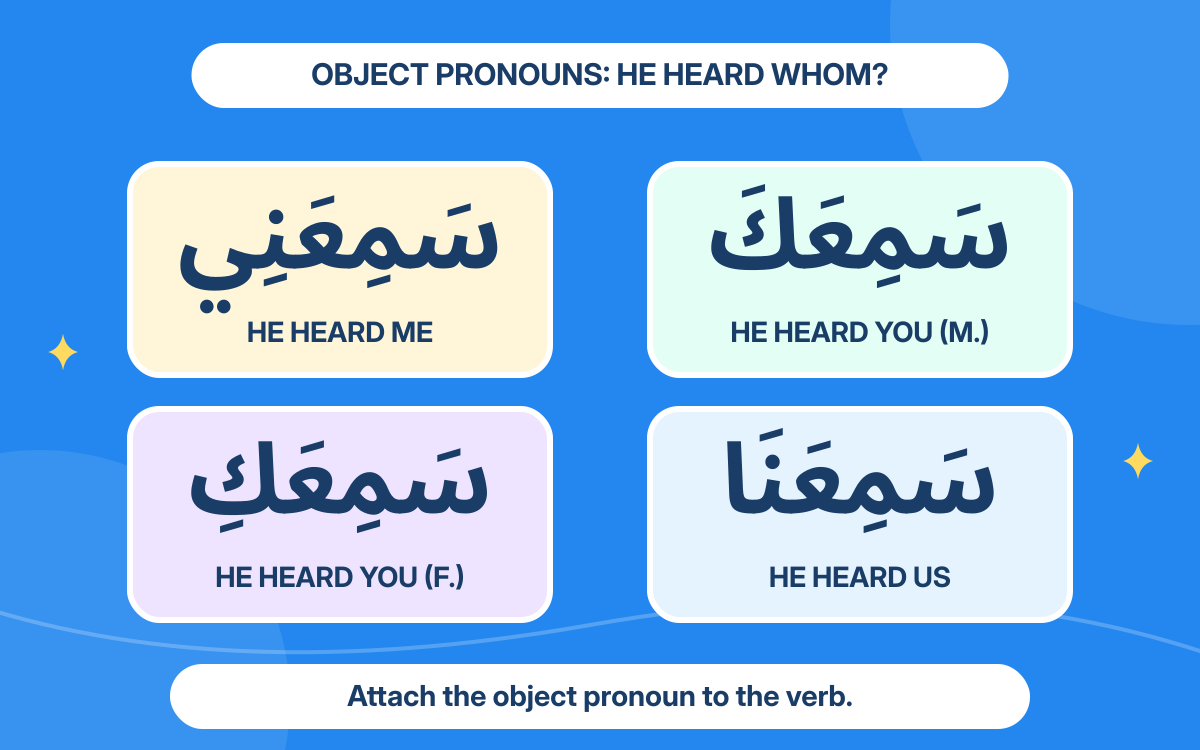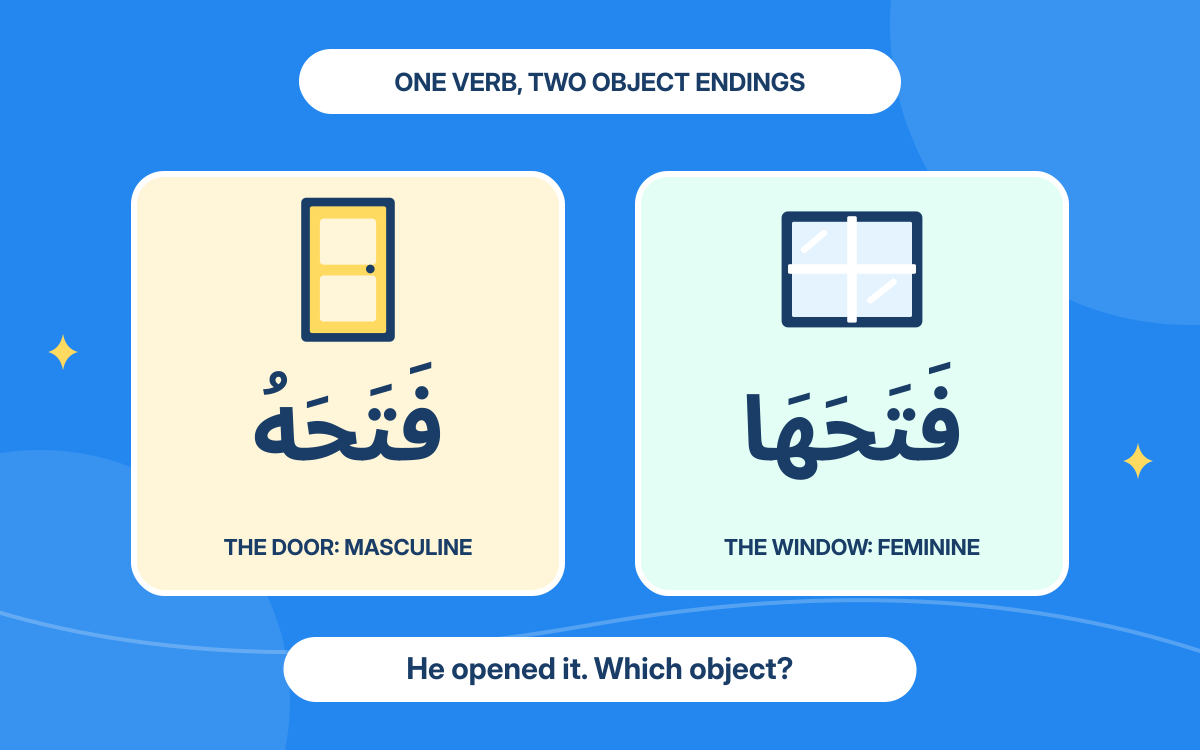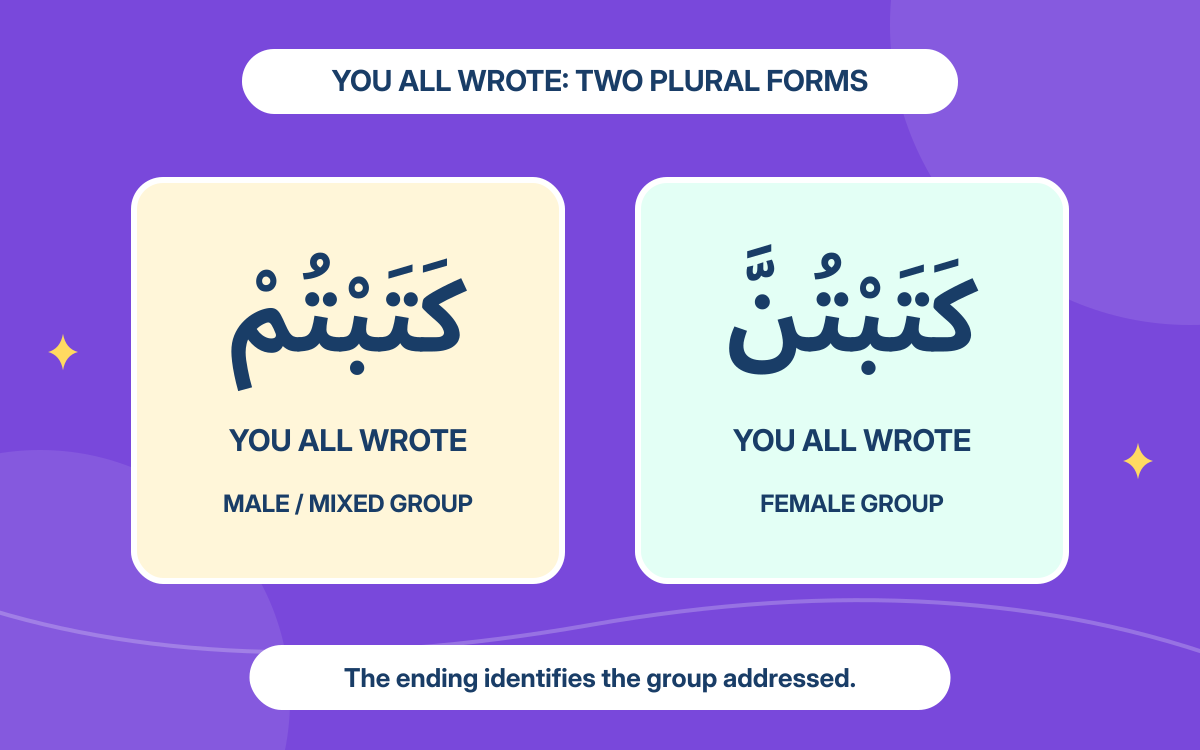
Object endings can identify a whole group or exactly two people. Extend the earlier me, you and us guide with six group and pair endings. Then combine a doer ending with an object, noticing two useful spelling changes.
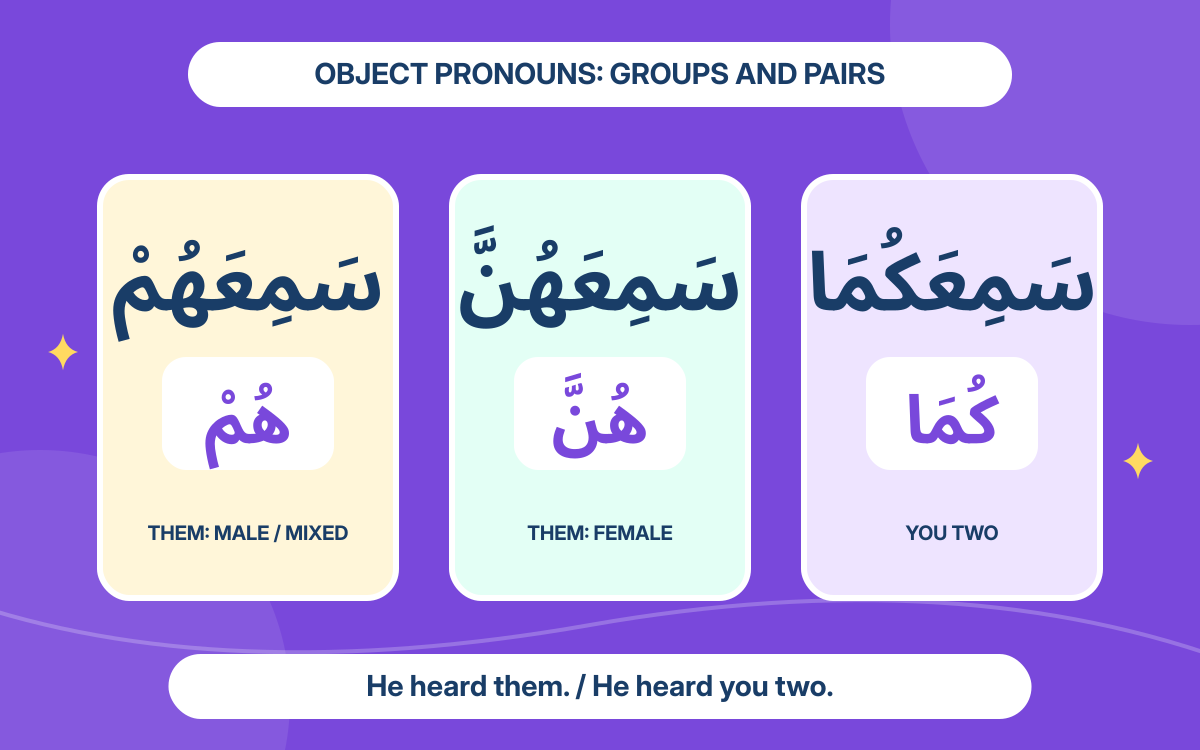
01Attach hum or hunna for them
Start with سَمِعَ, he heard. Add hum for a male or mixed object group; add hunna for an all-female object group. The ending identifies those heard, not the hearer.
سَمِعَهُمْ
samiahum
He heard them. — male or mixed group
سَمِعَهُنَّ
samiahunna
He heard them. — female group
02Attach kum or kunna for you as a group
Use kum when addressing a male or mixed object group. Use kunna when addressing an all-female object group. The verb still starts with he heard.
سَمِعَكُمْ
samiakum
He heard you. — male or mixed group
سَمِعَكُنَّ
samiakunna
He heard you. — female group
Hum and hunna mean them; kum and kunna mean you. Choose the ending from the object’s role and gender.
03Use huma or kuma for exactly two
Huma means them both; kuma means you both. Each ending works for two males, two females or a mixed pair.
سَمِعَهُمَا
samiahuma
He heard them both.
سَمِعَكُمَا
samiakuma
He heard you both.
The final a distinguishes the pair forms from group hum and kum. Arabic shows the vowel length; our plain Latin aids simplify it.
04Change tum to tumu before an object
سَمِعْتُمْ means you heard, addressing a male or mixed group. Before an attached object pronoun, use tumu with an added waw. Then attach hu for him.
سَمِعْتُمُوهُ
samitumuhu
You heard him. — male or mixed hearers
The subject ending identifies you as the hearers; hu identifies him as the person heard. The added waw lengthens the u after mim. It is not a second subject and does not mean they.
05Drop the silent alif when an object follows group waw
سَمِعُوا means they heard, with male or mixed hearers. Its final alif is silent. When an object suffix follows, keep the subject waw and remove that alif.
هُمْ سَمِعُوهُ
hum samiuhu
They heard him. — male or mixed hearers
Write سَمِعُوهُ, not سَمِعُواهُ. The waw still identifies they; hu identifies him. Keep both endings attached as one verb word. In the example, the separate hum makes they explicit.
What to remember
- Hum and hunna mean them; kum and kunna mean you as a group. Choose by the object’s role and gender.
- Huma and kuma refer to exactly two objects and work for either gender or a mixed pair.
- Before an object, tum becomes tumu; group waw keeps its sound but loses its following silent alif.
Your reference shelf
Open a guide whenever you need it.
Read the doer and object separatelySix group and pair objects, plus two spelling changes
| Arabic | Reading | Object |
|---|---|---|
| سَمِعَهُمْ | samiahum | Them: male or mixed group |
| سَمِعَهُنَّ | samiahunna | Them: female group |
| سَمِعَكُمْ | samiakum | You: male or mixed group |
| سَمِعَكُنَّ | samiakunna | You: female group |
| سَمِعَهُمَا | samiahuma | Them both: either gender |
| سَمِعَكُمَا | samiakuma | You both: either gender |
A direct object pronoun is attached to its verb and occupies the accusative position. It does not take the regular noun’s a ending. Identify the subject from the verb and its subject ending before interpreting the object suffix.
سَمِعْتُمُوهُ combines the plural you subject ending with hu, him. Its linking waw comes from lengthening the mim’s u. In سَمِعُوهُ, the waw is the male or mixed plural subject, they. The two waws therefore have different jobs.
The unpronounced distinguishing alif is written after a final group waw in سَمِعُوا. It is omitted when a direct object suffix follows. Do not remove the subject waw itself.
We use fully marked Arabic and plain Latin aids without special symbols for ain or precise long-vowel notation. The hum and kum forms shown end with mim’s sukun; connected pronunciation before hamzat wasl may temporarily add a joining vowel. That pronunciation adjustment is separate from the tumu spelling taught here.
Sources & further learning
References for the language explanations and learning guidance.