An Arabic adjective adds a detail such as big, new or clean. In the simple noun phrases here, the adjective comes after the noun and matches its grammatical gender. Learn ten Modern Standard Arabic words in five pairs, then use a book and a bag to practise the pattern.
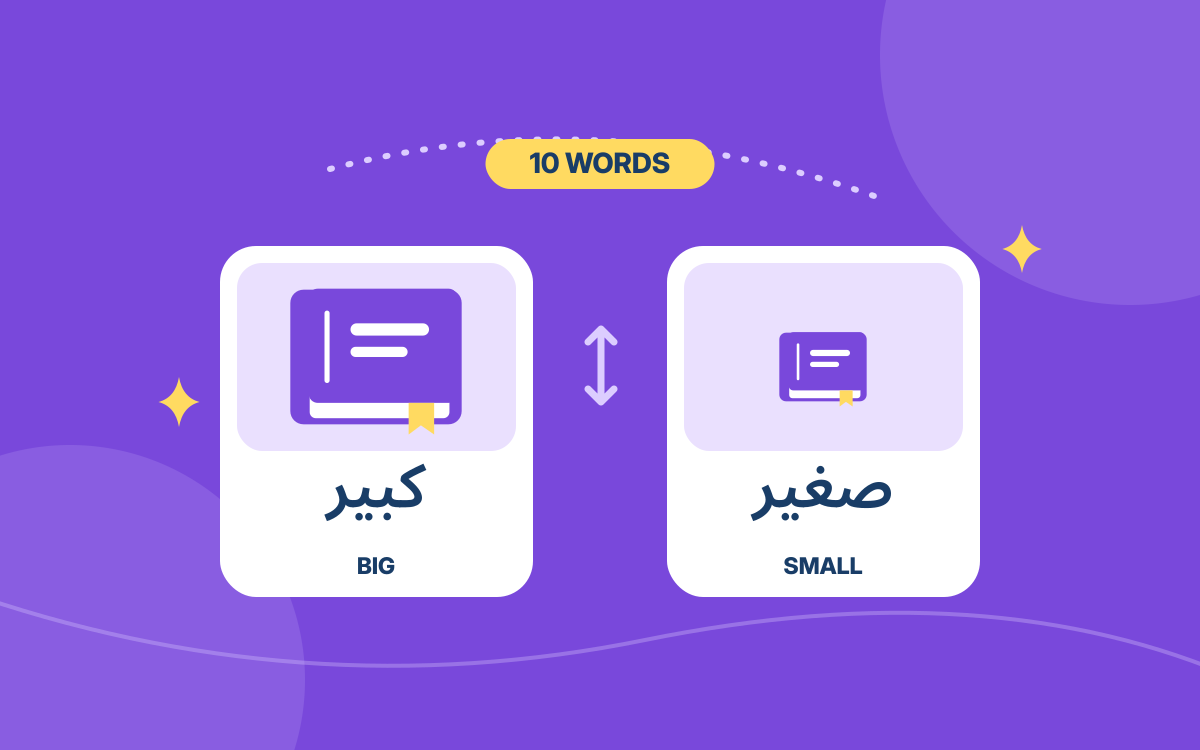
01Start with big and small
kabir
Big
saghir
Small
These are masculine singular forms. كِتَاب kitab, book, is masculine. Put the description after it:
كِتَاب كَبِير
kitab kabir
A big book
English places big before book; Arabic reverses that order in this phrase. Swap kabir for saghir to describe a small book. The object stays the same while its description changes.
02Describe age and length
jadid
New
qadim
Old
tawil
Long
qasir
Short
- Use jadid and qadim for a new or old object.
- Use tawil and qasir when you mean length.
- Big and long are different descriptions: a small notebook can still have a long title.
Keep one English meaning beside each card. Qadim here describes the age of a thing; do not assume every adjective has exactly the same uses as its English translation.
03Describe its condition
maftuh
Open
mughlaq
Closed
nadhif
Clean
muttasikh
Dirty
بَاب bab, door, is masculine. بَاب مَفْتُوح bab maftuh is an open door; بَاب مُغْلَق bab mughlaq is a closed door.
Open and clean describe different features. A door can be open and dirty at the same time. Choose the adjective that answers the detail you actually want to give.
04Match a feminine noun
حَقِيبَة haqiba, bag, is feminine. For the ten adjectives in this lesson, add ة to make the feminine singular form. Compare:
kitab jadid
A new book
haqiba jadida
A new bag
- Kitab takes jadid.
- Haqiba takes jadida.
- The noun’s grammatical gender decides the adjective form, regardless of who owns or describes the object.
This lesson uses singular nouns. Plural agreement and adjectives with other feminine patterns need separate practice.
05A phrase or a statement?
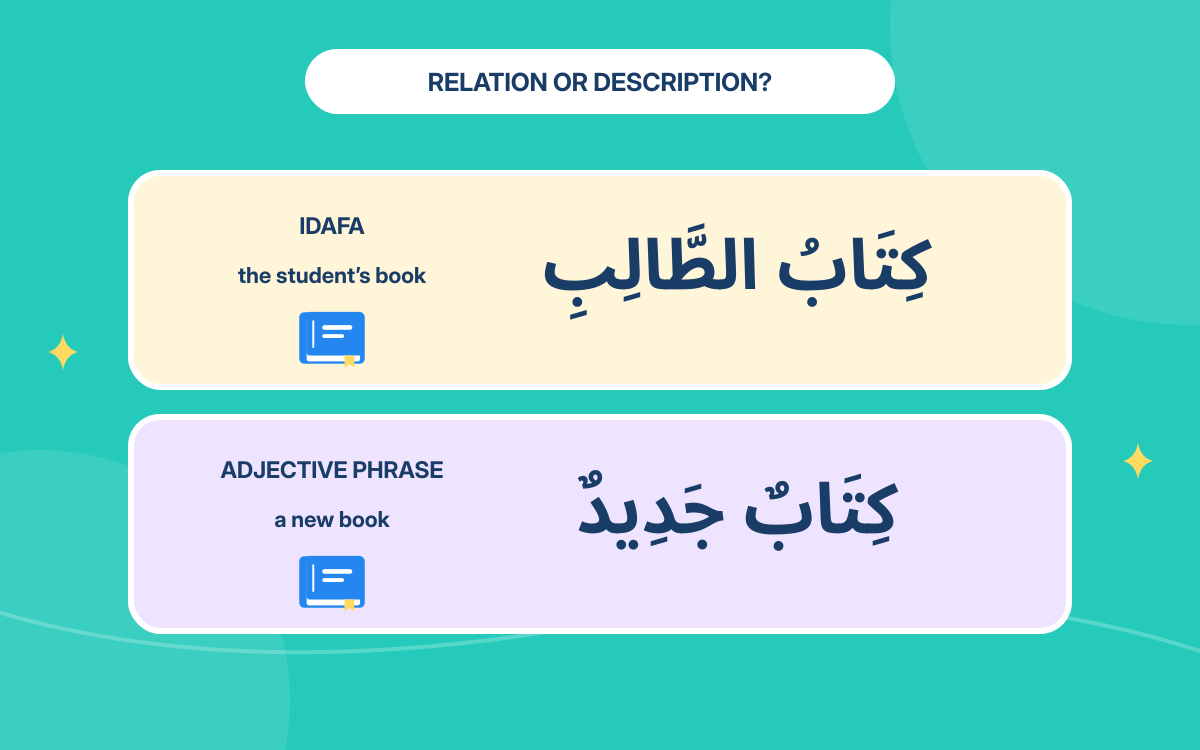
الْكِتَاب الْجَدِيد
alkitab aljadid
The new book
الْكِتَاب جَدِيد
alkitab jadid
The book is new.
In the descriptive phrase, al appears on both the noun and its adjective. In the second example, the adjective supplies new information about the book. It has no al, and English adds is.
- A new book: kitab jadid.
- The new book: alkitab aljadid.
- The book is new: alkitab jadid.
Say what you mean first, then choose the pattern. Final case endings are not displayed in these short examples; they depend on a word’s grammatical role in a longer sentence.
What to remember
- Learn the ten adjectives as five pairs: size, age, length, openness and cleanliness.
- In these singular noun phrases, put the adjective after the noun and match its grammatical gender.
- Alkitab aljadid means the new book; alkitab jadid means the book is new.
Your reference shelf
Open a guide whenever you need it.
All ten adjectives: masculine and feminineCheck the singular forms when describing another object
| Meaning | Masculine | Feminine |
|---|---|---|
| Big | كَبِير kabir | كَبِيرَة kabira |
| Small | صَغِير saghir | صَغِيرَة saghira |
| New | جَدِيد jadid | جَدِيدَة jadida |
| Old | قَدِيم qadim | قَدِيمَة qadima |
| Long | طَوِيل tawil | طَوِيلَة tawila |
| Short | قَصِير qasir | قَصِيرَة qasira |
| Open | مَفْتُوح maftuh | مَفْتُوحَة maftuha |
| Closed | مُغْلَق mughlaq | مُغْلَقَة mughlaqa |
| Clean | نَظِيف nadhif | نَظِيفَة nadhifa |
| Dirty | مُتَّسِخ muttasikh | مُتَّسِخَة muttasikha |
Sources & further learning
References for the language explanations and learning guidance.