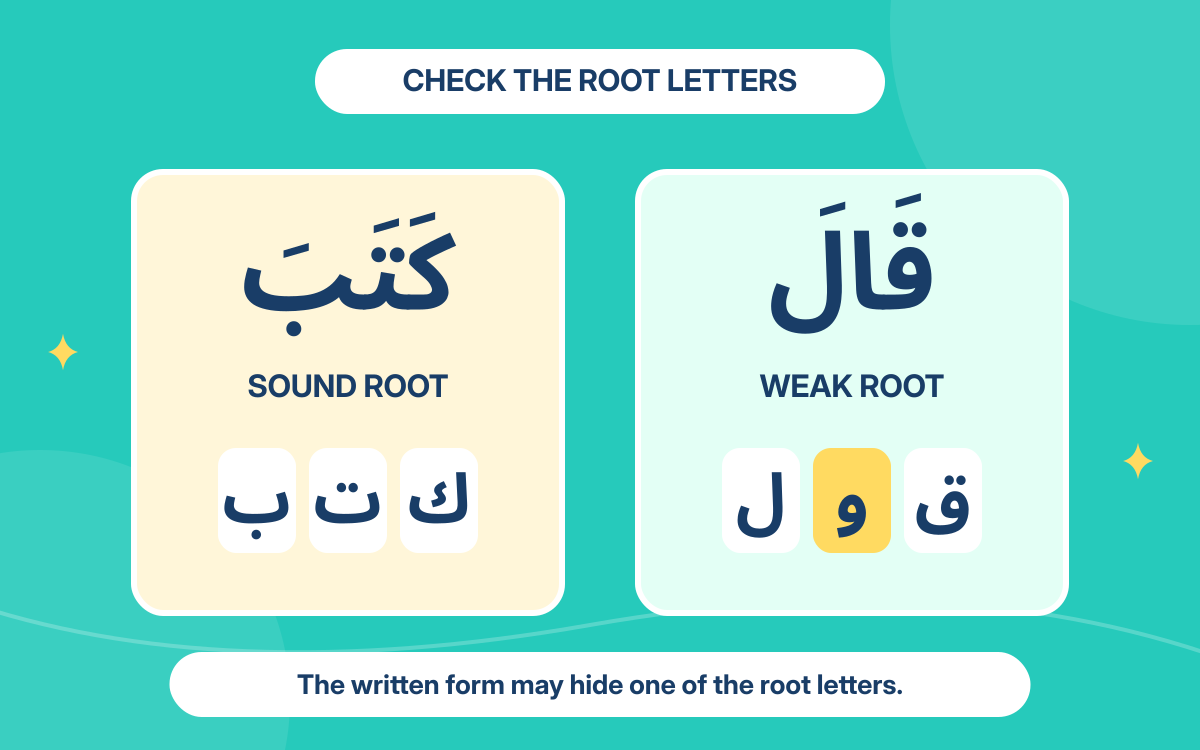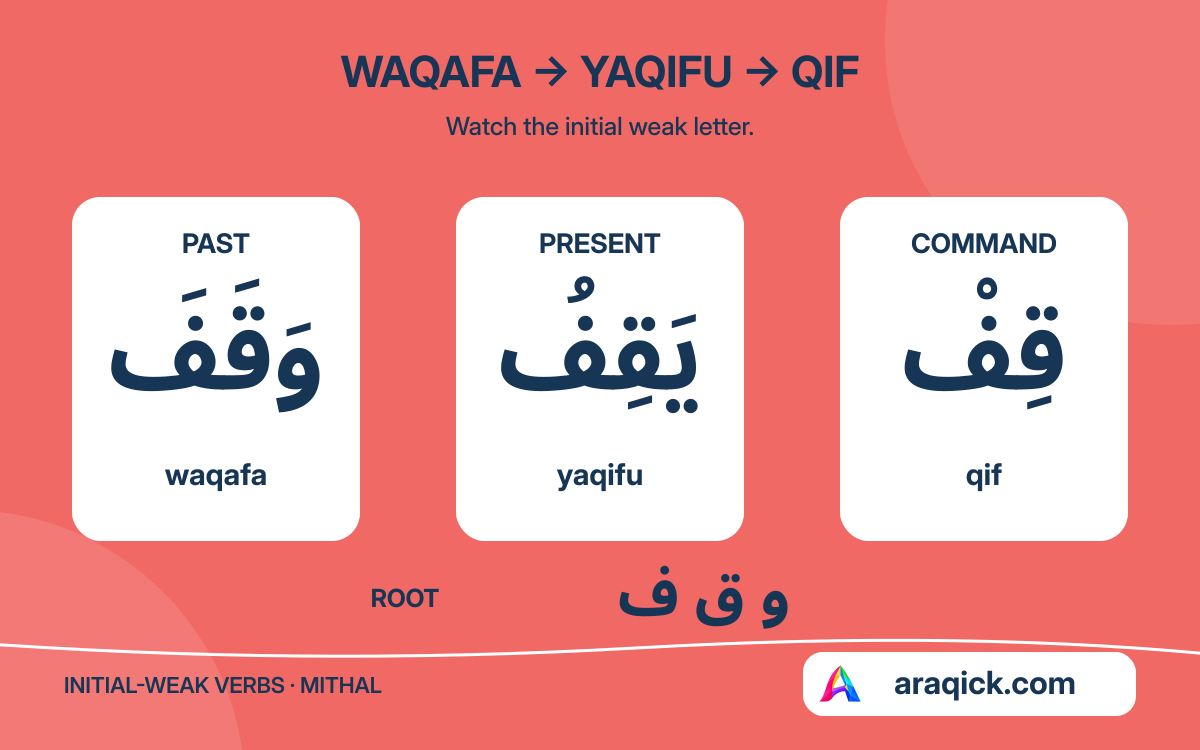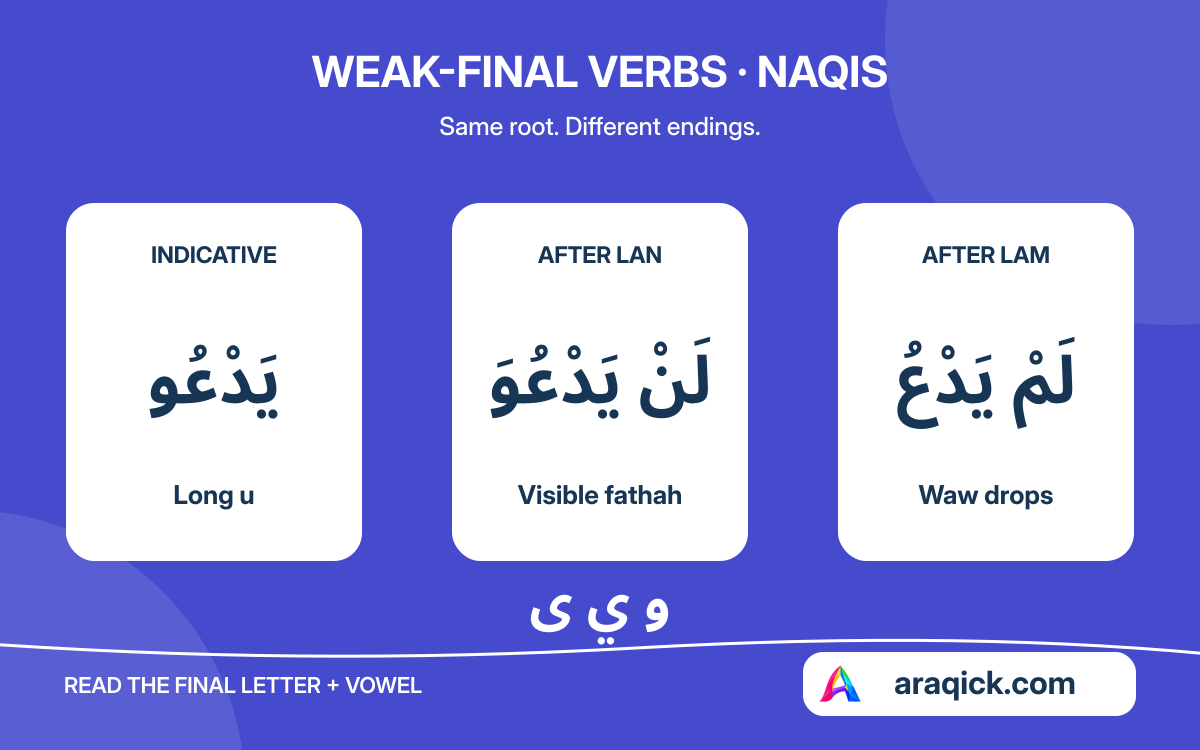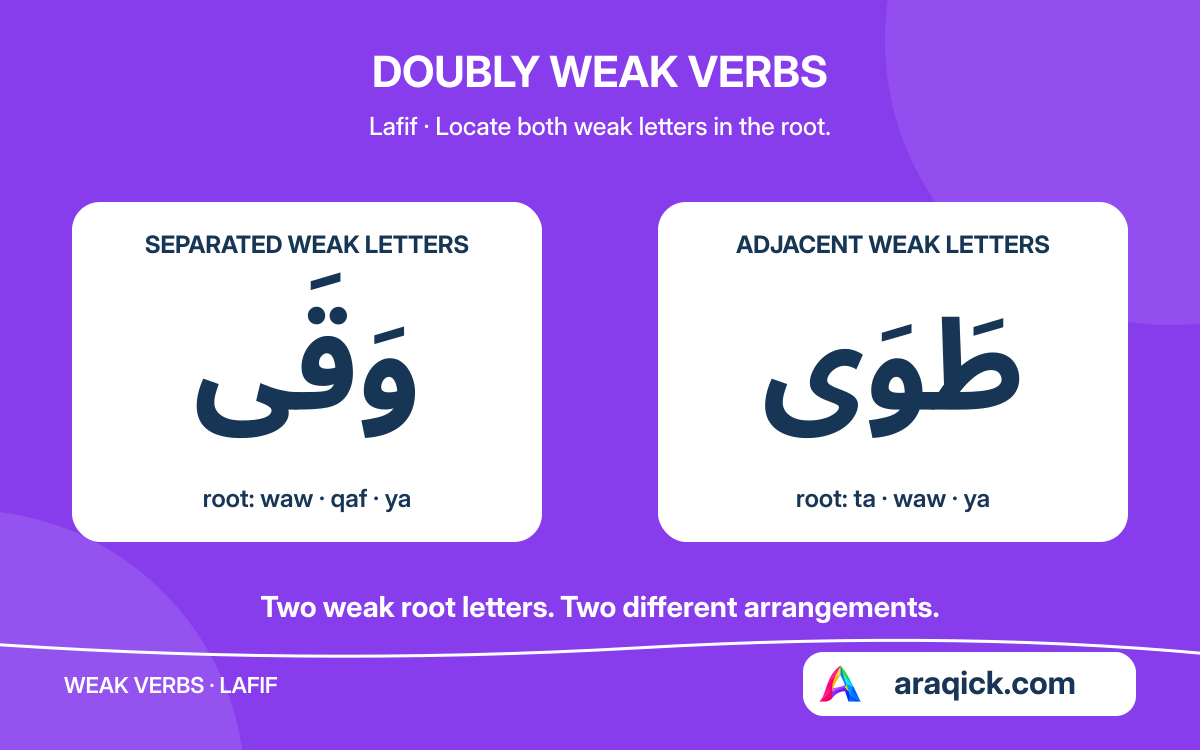
A lafif verb has two weak letters in its three-letter root. In lafif mafruq they are separated by a sound consonant; in lafif maqrun they are adjacent. The two weak letters do not necessarily disappear together. Waqa, protect, and tawa, fold, make the distinction visible.
01Find the separated weak letters
وَقَى الْمِعْطَفُ الطِّفْلَ مِنَ الْبَرْدِ
waqa almitafu attifla mina albardi
The coat protected the child from the cold.
Waqa has the root و ق ي. Waw and ya are weak; qaf separates them. This is lafif mafruq. The final alif maqsurah represents the changed final weak letter in this past form.
The coat is the subject, and the child is the direct object. Min introduces what the protection is against. Classifying a verb as weak does not remove its normal subject and object relationships.
02Find the adjacent weak letters
طَوَيْتُ الْخَرِيطَةَ
tawaytu alkharitata
I folded the map.
The dictionary past is طَوَى, tawa, with root ط و ي. Waw and ya occupy neighbouring root positions, making it lafif maqrun. In tawaytu, the final ya is visible before the I ending.
The middle waw stays a consonant in this family. Do not automatically treat tawa like a hollow verb such as qala merely because waw is its middle root letter. Its specific pattern and endings matter.
03Compare what remains in the present
يَقِي — يَطْوِي
yaqi — yatwi
He protects — He folds
Yaqi drops the initial root waw and retains the final long i. Yatwi retains its middle root waw as well as the final long i. Two weak roots therefore produce different visible changes.
I protect is أَقِي, and I fold is أَطْوِي. Keep the person prefix separate from the root. These models extend the initial-weak and weak-final verb patterns.
04Shorten the weak ending after lam
لَمْ يَطْوِ الْخَرِيطَةَ
lam yatwi alkharitata
He did not fold the map.
Lam makes the verb jussive. The final ya of yatwi is omitted in writing, while kasrah remains on waw. The middle root waw is still present: the jussive does not erase both weak letters.
Compare لَمْ يَقِ, he did not protect. Its initial waw is already absent from the present stem, and its final ya is removed by the jussive. After lan instead, لَنْ يَطْوِيَ retains final ya with fathah.
05Learn the short commands as whole forms
اِطْوِ هَذِهِ الْوَرَقَةَ
itwi hadhihi alwaraqata
Fold this sheet of paper. — to one man
Itwi begins with a helping vowel and has no final written ya. The corresponding protect command is the very short قِ, as in قِ نَفْسَكَ مِنَ الْبَرْدِ, protect yourself from the cold.
Do not invent one universal instruction to delete two letters from every lafif verb. Learn the root and a few complete forms, then apply the matching pattern. The charts retain exact Arabic spelling; plain reading aids simplify vowel length and consonants.
What to remember
- Lafif mafruq separates its two weak root letters; maqrun places them together.
- Yaqi and yatwi show different changes despite both being doubly weak.
- Use complete verified forms, especially for jussives and commands.
Your reference shelf
Open a guide whenever you need it.
Two arrangements of weak root lettersRead the root rather than just the surface spelling
| Verb | Root | Weak-letter positions | Type |
|---|---|---|---|
| وَقَى | و ق ي | First and third | Mafruq — separated |
| وَعَى | و ع ي | First and third | Mafruq — separated |
| طَوَى | ط و ي | Second and third | Maqrun — adjacent |
| رَوَى | ر و ي | Second and third | Maqrun — adjacent |
Waa can mean grasp or understand; rawa here is the verb meaning narrate. Learn each verb’s own vowels and meaning.
Protect and fold across useful formsThe two weak letters do not behave identically
| Function | Protect — waqa | Fold — tawa |
|---|---|---|
| Past — he | وَقَى | طَوَى |
| Past — I | وَقَيْتُ | طَوَيْتُ |
| Present — he | يَقِي | يَطْوِي |
| Present — I | أَقِي | أَطْوِي |
| After lam — he | لَمْ يَقِ | لَمْ يَطْوِ |
| After lan — he | لَنْ يَقِيَ | لَنْ يَطْوِيَ |
| Command — one man | قِ | اِطْوِ |
Sources & further learning
References for the language explanations and learning guidance.