To ask for a doctor in Arabic, say أَحْتَاجُ إِلَى طَبِيبٍ (ahtaju ila tabib, I need a doctor). To report pain, use عِنْدِي أَلَمٌ فِي… (indi alamun fi, I have pain in…). The examples below use Modern Standard Arabic for appointments, symptoms, and clarification. This is a language lesson, not guidance on diagnosis or treatment.
01How do I ask for an appointment?
Modern Standard Arabic
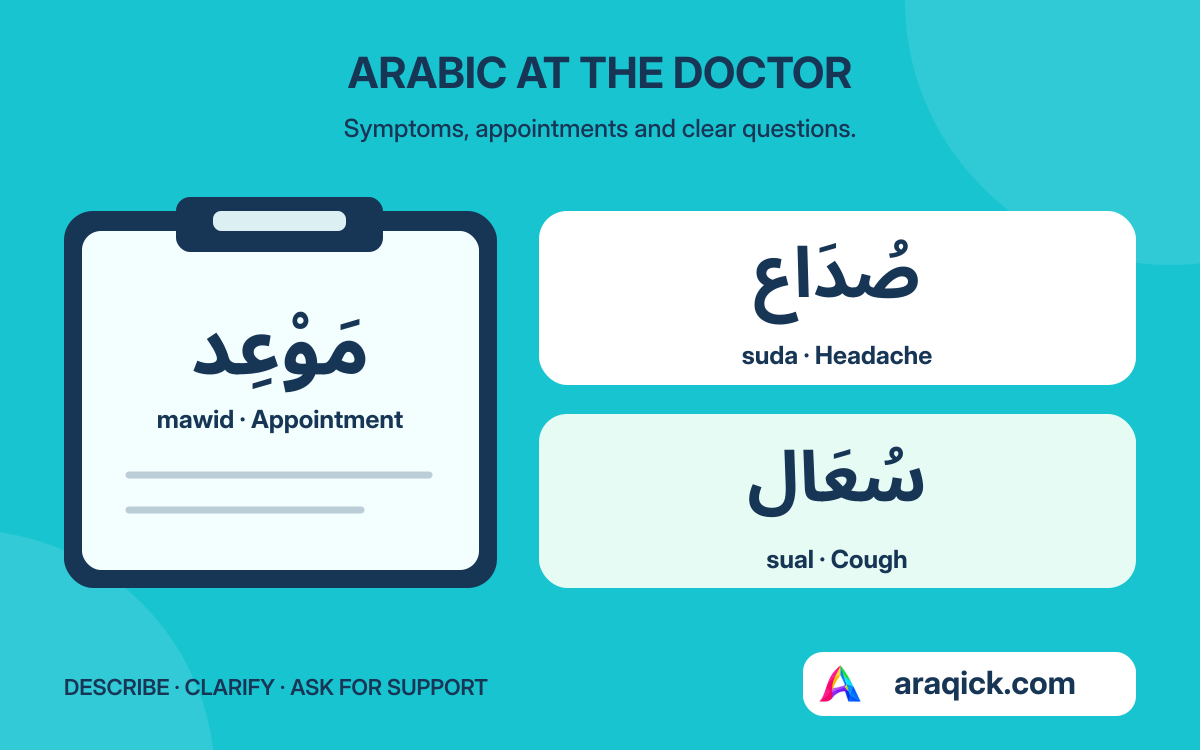
أُرِيدُ مَوْعِدًا مَعَ الطَّبِيبِ
uridu mawidan maa attabib
I would like an appointment with the doctor.
Mawid means appointment in this setting. Iyada means clinic. If you already have an appointment, say عِنْدِي مَوْعِدٌ (indi mawid), “I have an appointment.” Asking to book and confirming an existing booking are different messages.
02How do I name a symptom?
indi suda
I have a headache.
indi sual
I have a cough.
The construction indi works for male and female speakers. These phrases report what the speaker experiences; they do not identify a cause. Keep similar unfamiliar words separate by learning each with its meaning.
03How do I say where it hurts?
Modern Standard Arabic
عِنْدِي أَلَمٌ فِي بَطْنِي
indi alamun fi batni
I have pain in my abdomen.
Fi introduces the location. Batni means my abdomen; ظَهْرِي (zahri) means my back. Say the location you actually mean, using body-part vocabulary when useful. The word alam names pain without naming a disease.
04How do I say when it started?
MSA · describing the timing
Clinician مَتَى بَدَأَ الْأَلَمُ؟
mata bada alalam
When did the pain start?
Patient بَدَأَ أَمْسِ
bada ams
It started yesterday.
Another time expression is مُنْذُ يَوْمَيْنِ (mundhu yawmayn), “for two days / since two days ago.” Use an accurate time rather than the memorised example if it does not describe your situation.
05How do I mention an allergy or medicine?
Modern Standard Arabic
عِنْدِي حَسَاسِيَّةٌ مِنْ هَذَا الدَّوَاءِ
indi hasasiyyatun min hadha addawa
I am allergic to this medicine.
Hasasiyya is allergy and dawa is medicine. Use this model only if it matches what you need to report. Naming or showing the actual medicine helps identify it; “this” alone may be unclear. The sentence does not recommend taking or stopping anything.
06How do I ask for an explanation?
MSA · addressing a man
لَمْ أَفْهَمْ. هَلْ يُمْكِنُكَ أَنْ تَشْرَحَ بِبُطْءٍ؟
lam afham. hal yumkinuka an tashraha bibut
I did not understand. Could you explain slowly?
To a woman, use yumkinuki an tashrahi. You can also say أَحْتَاجُ إِلَى مُتَرْجِمٍ شَفَهِيٍّ (ahtaju ila mutarjimin shafahi), “I need an interpreter.” For complex medical conversations, ask for a qualified interpreter instead of relying only on a phrase list.
07How can I make the message clear?
Practise three separate pieces: the symptom, its location, and when it began. Then practise saying that you did not understand. A clear question is more useful than agreeing to something you could not follow.
The reference shelf provides recognition words and a short communication checklist. Review asking for help and question words for general language practice. Local speech may differ from these MSA forms.
What to remember
- Indi can introduce a symptom; fi can introduce its location.
- Use accurate timing rather than copying an example that does not fit.
- Ask for clarification or an interpreter when you need language support.
Your reference shelf
Open a guide whenever you need it.
12 clinic and symptom termsRecognition vocabulary in MSA.
| English | Arabic | Reading |
|---|---|---|
| Doctor · male / female | طَبِيب / طَبِيبَة | tabib / tabiba |
| Clinic | عِيَادَة | iyada |
| Appointment | مَوْعِد | mawid |
| Pain | أَلَم | alam |
| Headache | صُدَاع | suda |
| Cough | سُعَال | sual |
| Fever | حُمَّى | humma |
| Dizziness | دَوْخَة | dawkha |
| Nausea | غَثَيَان | ghathayan |
| Allergy | حَسَاسِيَّة | hasasiyya |
| Medicine | دَوَاء | dawa |
| Interpreter | مُتَرْجِم شَفَهِيّ | mutarjim shafahi |
A short communication checklistSeparate the details before speaking.
| Detail | Arabic model | Meaning |
|---|---|---|
| Need | أَحْتَاجُ إِلَى طَبِيبٍ | I need a doctor. |
| Symptom | عِنْدِي صُدَاعٌ | I have a headache. |
| Location | فِي بَطْنِي | In my abdomen. |
| Timing | بَدَأَ أَمْسِ | It started yesterday. |
| Understanding | لَمْ أَفْهَمْ | I did not understand. |
Sources & further learning
References for the language explanations and learning guidance.